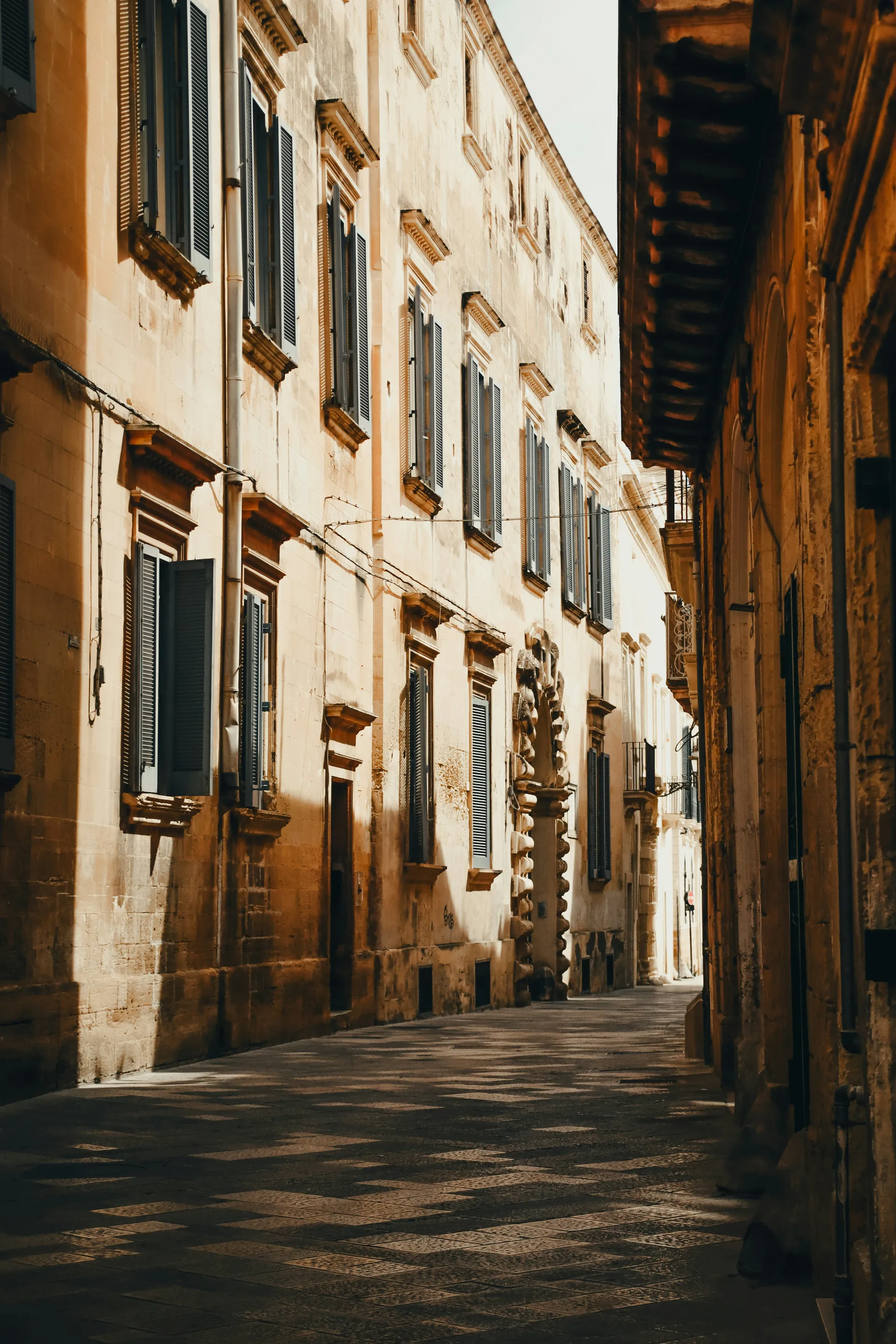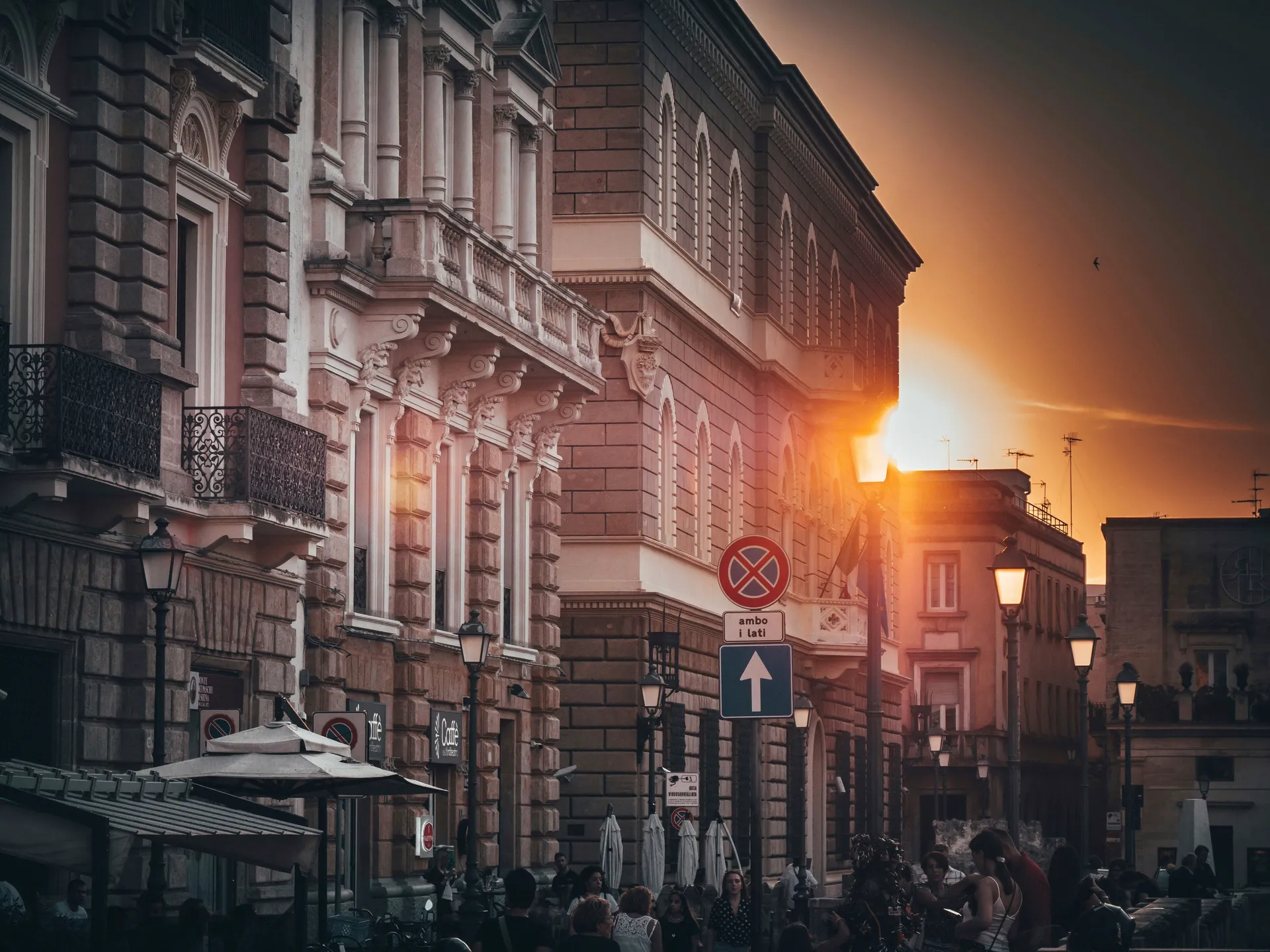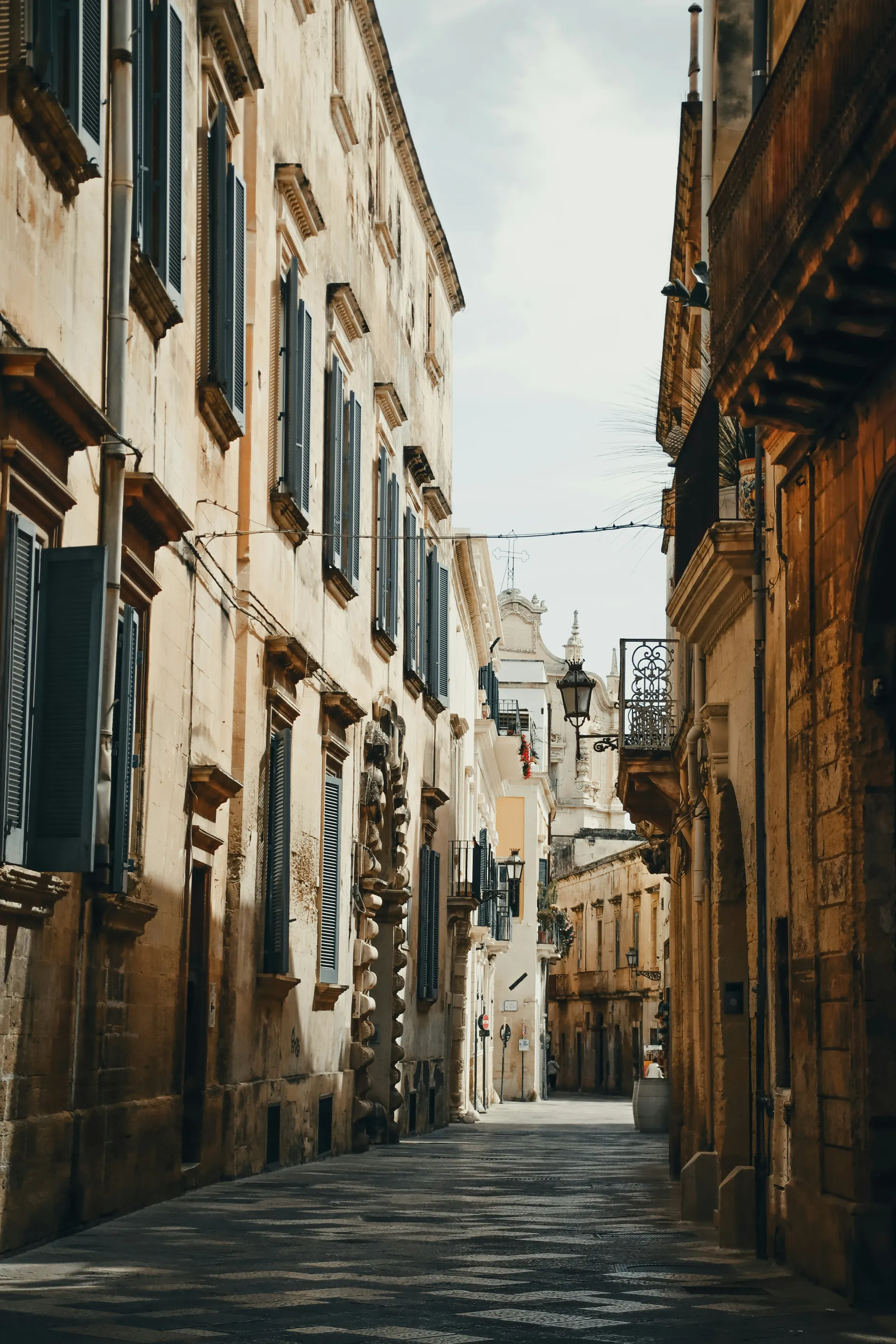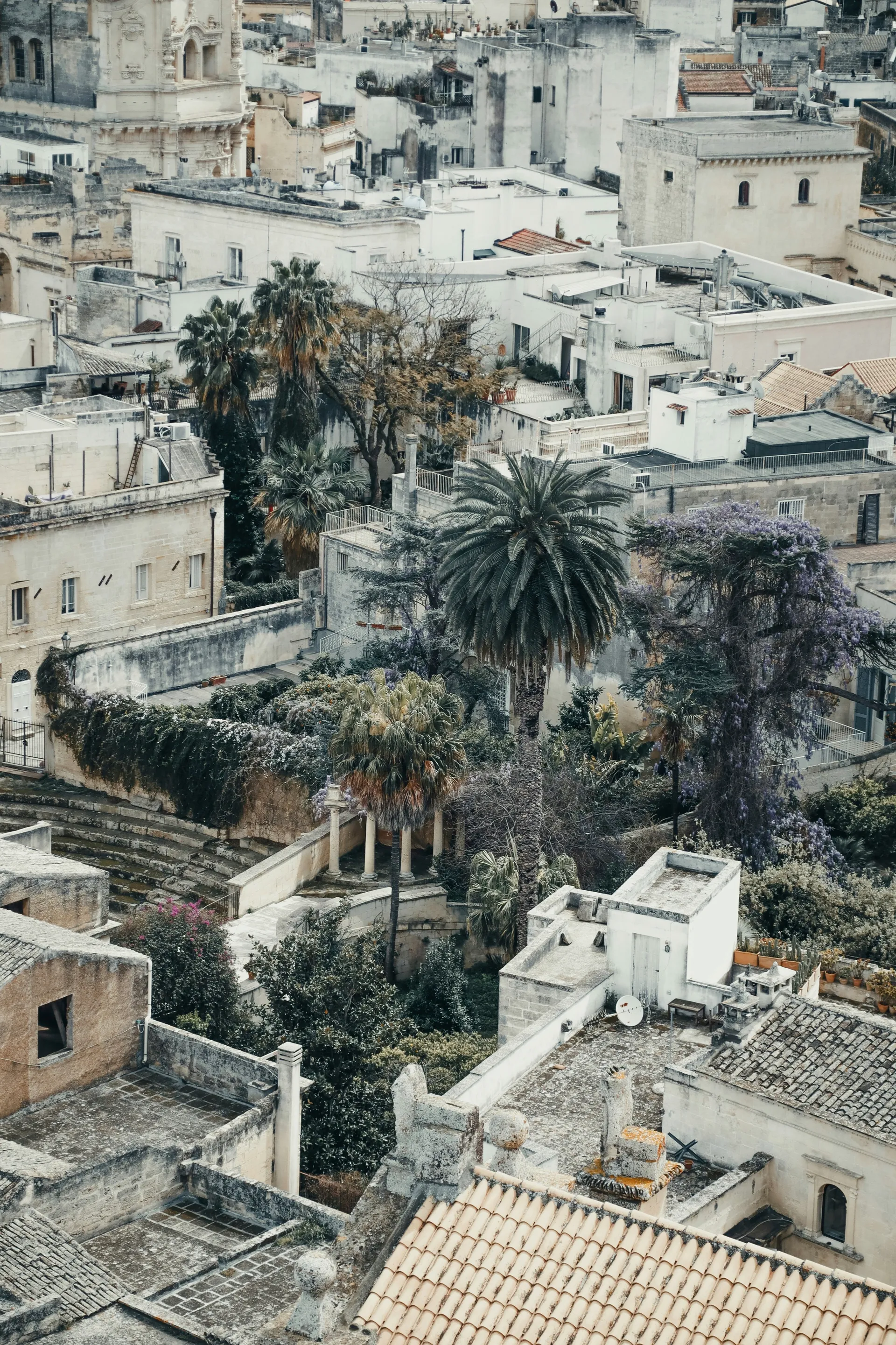
In the sun-baked heel of Italy's boot, far from the tourist circuits of Rome, Florence, and Venice, Lecce announces itself as one of the great architectural revelations of southern Europe. This city of ninety-five thousand residents in the heart of Puglia is known as the "Florence of the South" — a title that, while somewhat overworked, is earned by an extraordinary concentration of Baroque architecture carved from the local pietra leccese, a honey-golden limestone so soft when quarried that craftsmen could carve it like wood, yet which hardens over time into a surface that glows like amber in the Mediterranean sun.
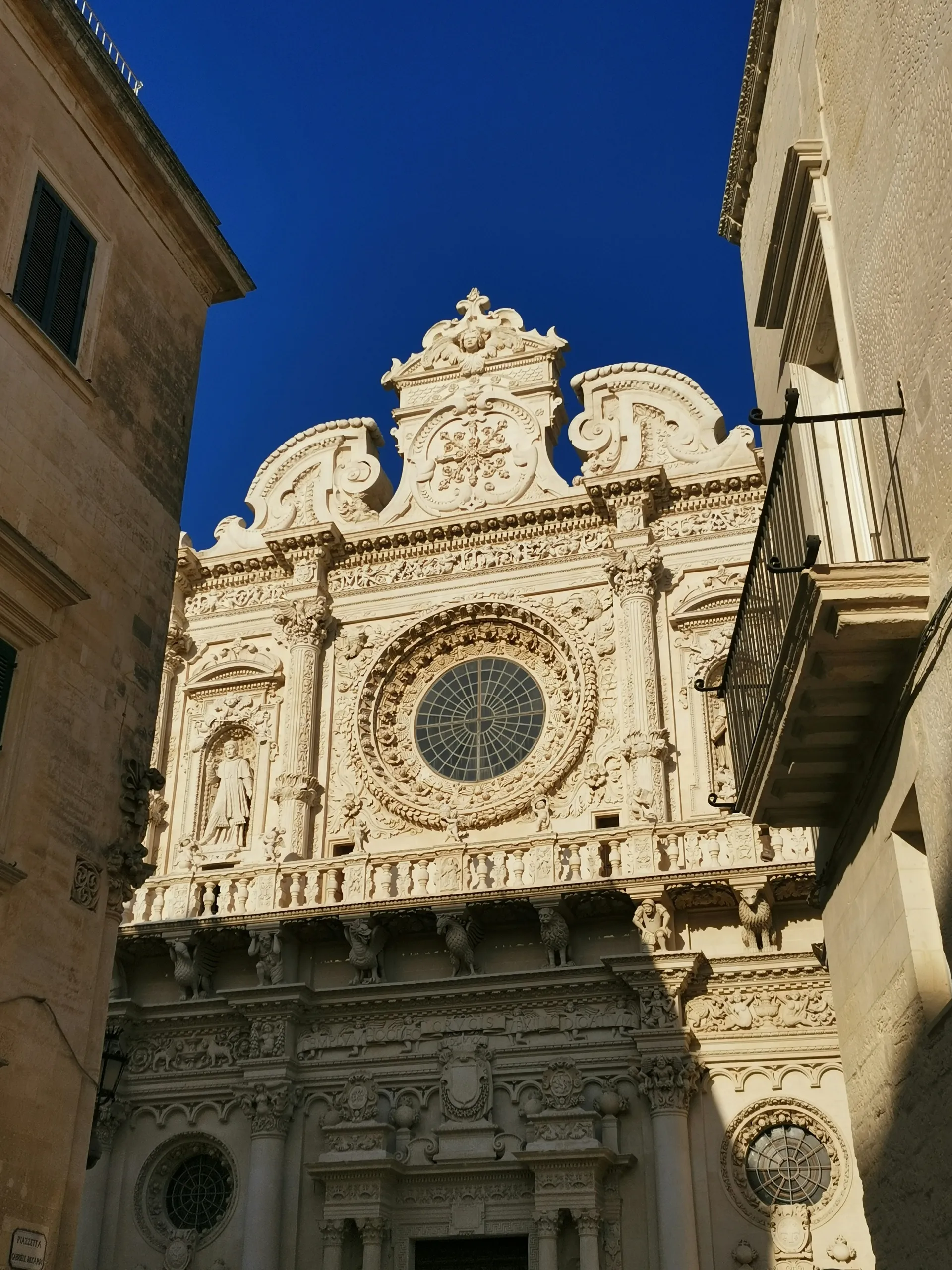
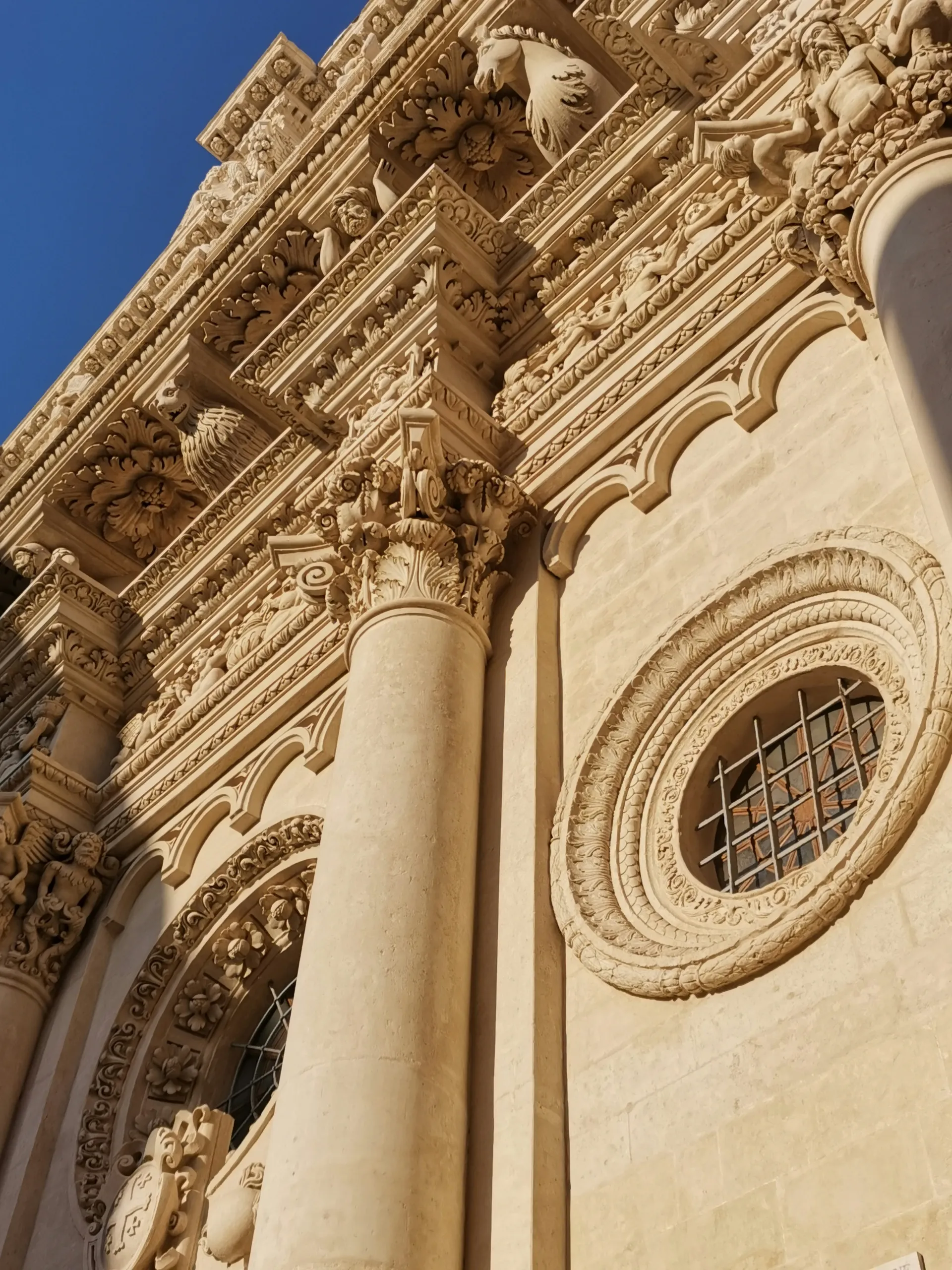
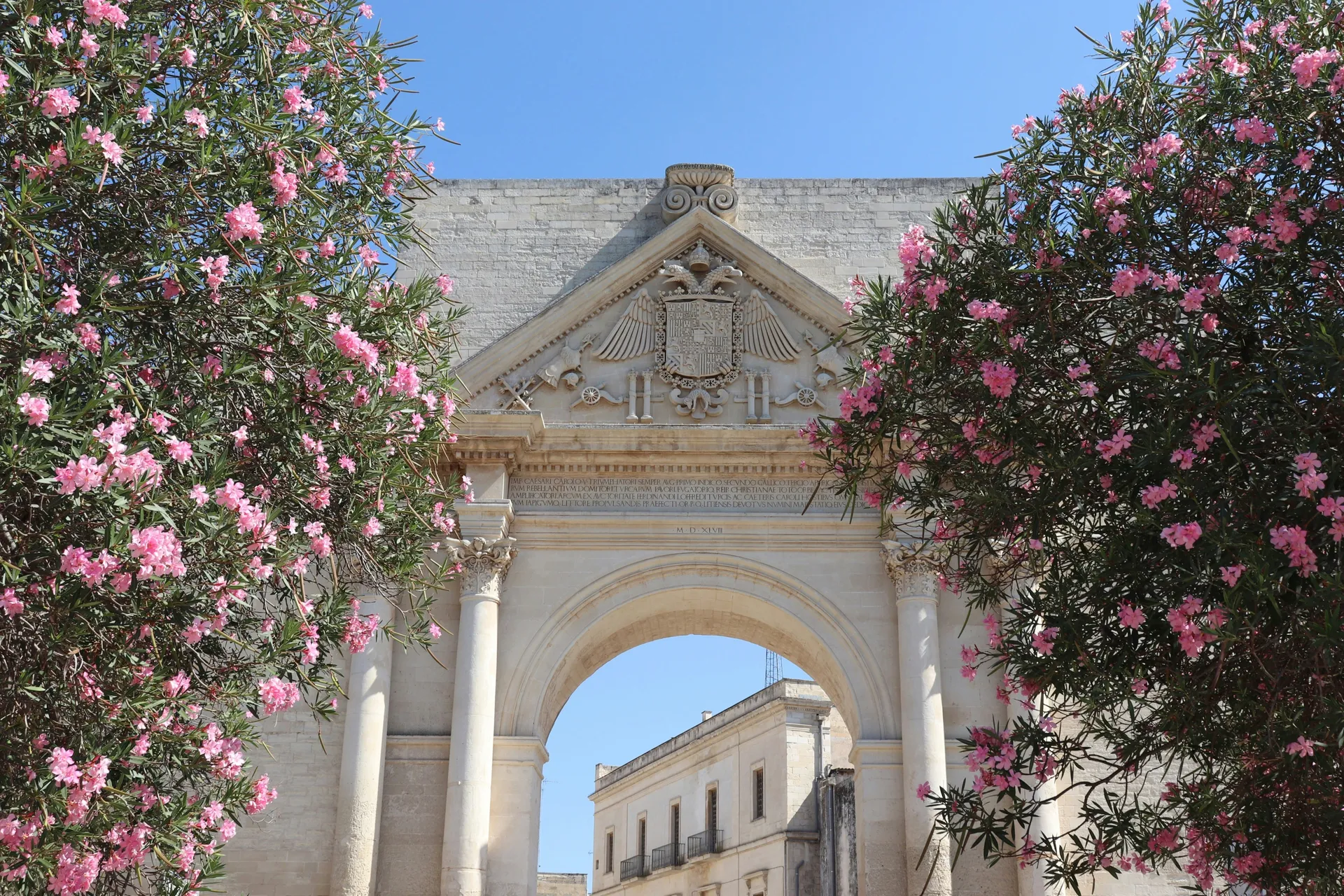
The centro storico of Lecce is a masterclass in Baroque exuberance. The Basilica di Santa Croce, whose facade took over a century to complete, is a riot of carved cherubs, mythical beasts, flowers, and fruits that seems less like architecture than a hallucination made permanent in stone. The Piazza del Duomo — an enclosed square entered through narrow passages that create a theatrical reveal — houses the Cathedral, the Bishop's Palace, and the Seminary in an ensemble of theatrical grandeur. Every church, palazzo, and public building in the old town seems to compete in a centuries-long contest of decorative invention, making Lecce one of the most visually intense small cities in Italy.
Beneath the Baroque, Roman Lecce lies waiting. The city's Roman amphitheatre, discovered by accident in 1901 during renovations to the central Piazza Sant'Oronzo, seats fifteen thousand and still hosts summer performances. The Roman column at the piazza's centre once marked the end of the Appian Way, the road from Rome. The Faggiano Museum, a private house where restoration work accidentally uncovered layer upon layer of history — medieval, Roman, Messapian — down to the bedrock, provides an intimate and almost comically rich archaeological experience.
Lecce's culinary identity is rooted in the Salento region's extraordinary agricultural abundance. Puglia produces more olive oil than any other region in Italy, and the local cuisine — built on that oil, plus fresh vegetables, seafood, and handmade pasta — is among the country's most satisfying. Orecchiette with turnip greens, rustico leccese (puff pastry filled with mozzarella, tomato, and béchamel), and pasticciotto (a cream-filled pastry that is Lecce's morning ritual) represent local perfection. The surrounding countryside, covered in ancient olive groves and vineyards producing Negroamaro and Primitivo wines, invites exploration.
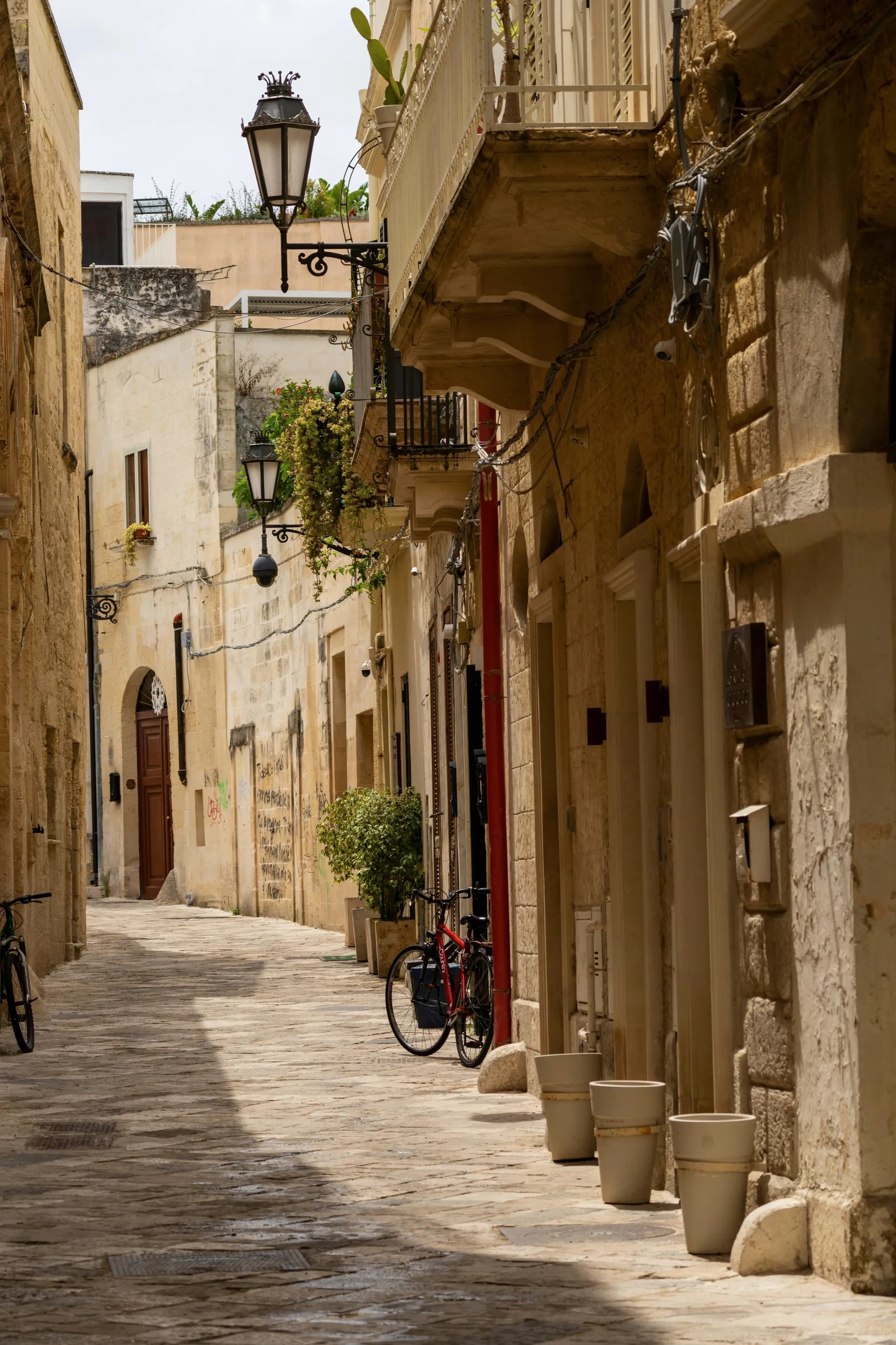
Lecce is accessible from cruise ports at Brindisi (thirty minutes) or Bari (ninety minutes), and has its own small airport with connections to major Italian cities. The city is best explored on foot — the centro storico is compact and pedestrian-friendly, with new discoveries around every corner. The optimal visiting season is April through June and September through October, when temperatures are pleasant and the city is less crowded than during the Italian summer holiday in August. Lecce rewards the traveller who ventures south — a city of extraordinary beauty that remains, against all odds, refreshingly genuine.