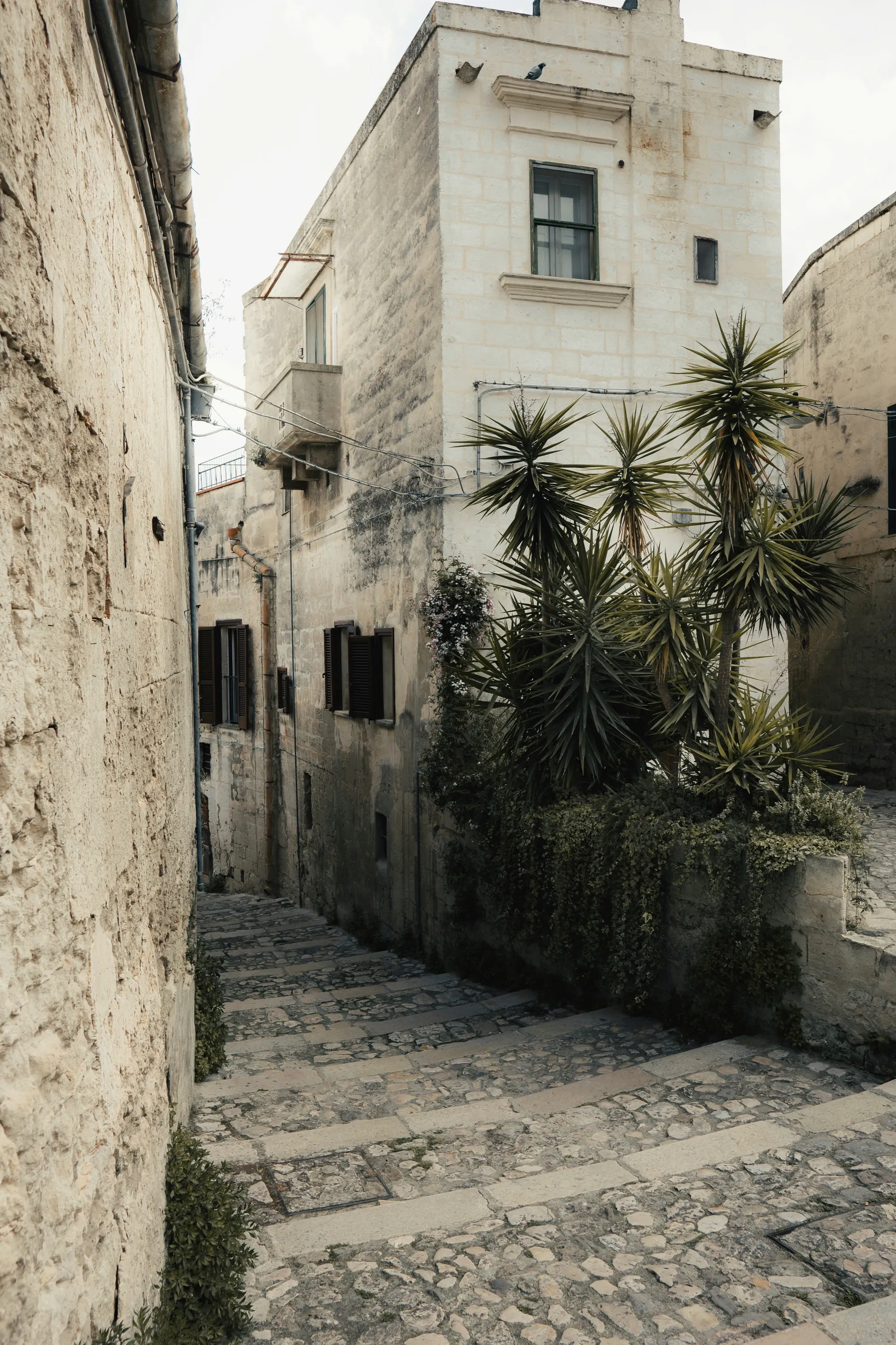
Carved into the pale limestone ravines of southern Basilicata, Matera is among the most ancient continuously inhabited settlements on Earth. Its famous Sassi — entire neighborhoods excavated from living rock — have sheltered human life for over nine thousand years, from Paleolithic cave dwellers to Byzantine monks to the impoverished families whose squalid conditions Carlo Levi immortalized in "Christ Stopped at Eboli." Declared a UNESCO World Heritage Site in 1993, this extraordinary city has undergone one of Italy's most remarkable transformations, evolving from what was once called "the shame of Italy" into a cultural destination of international significance, crowned as a European Capital of Culture in 2019.
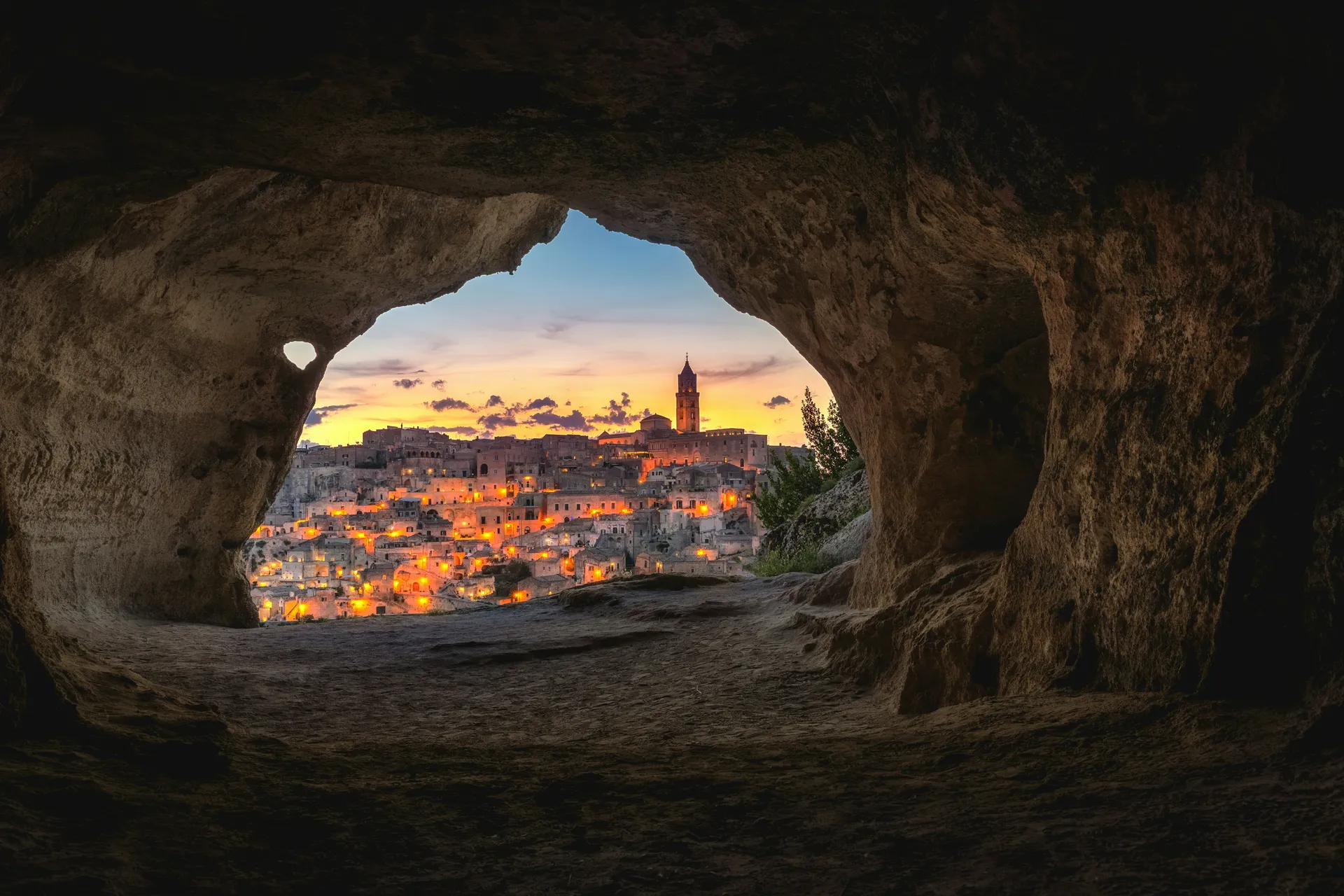
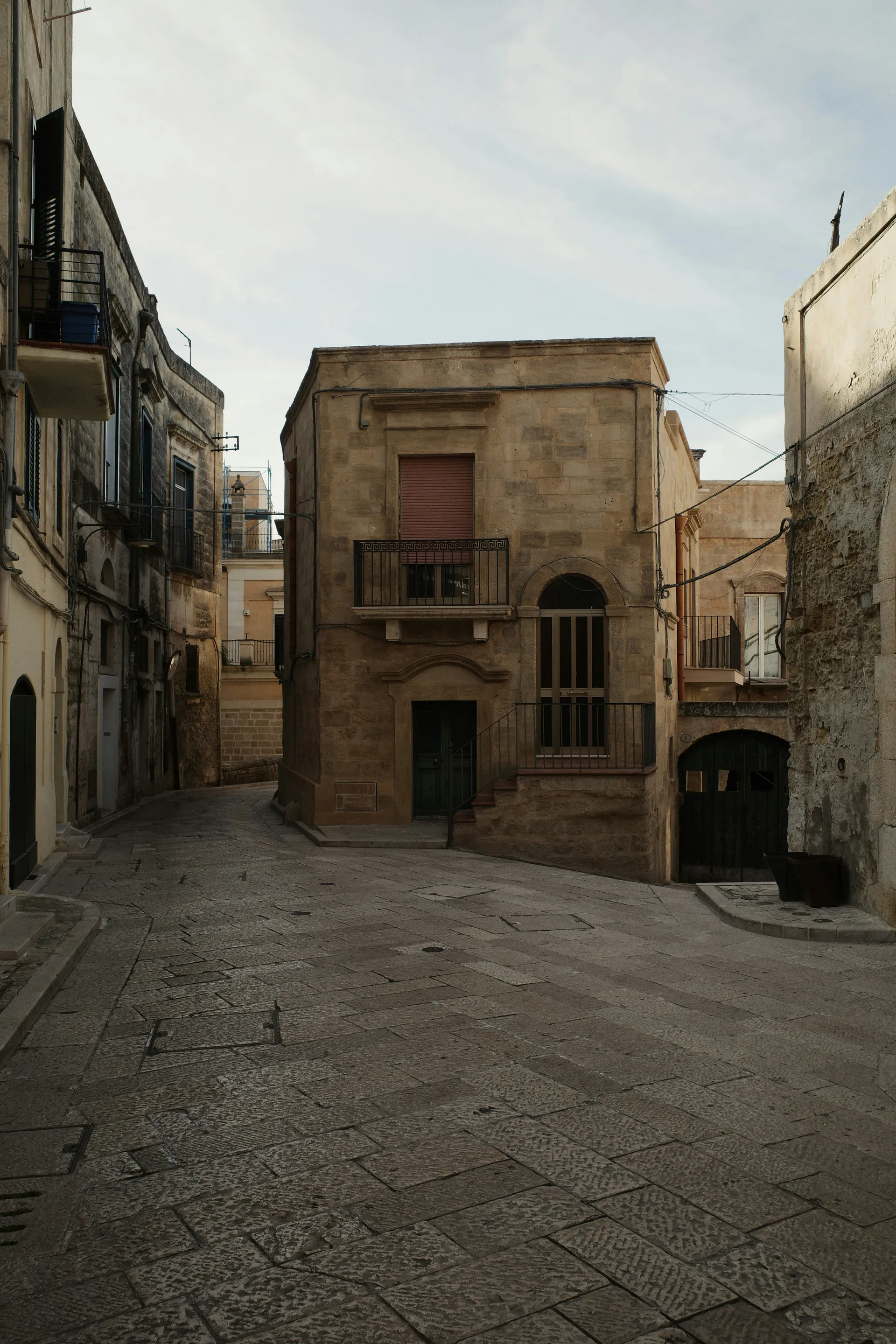
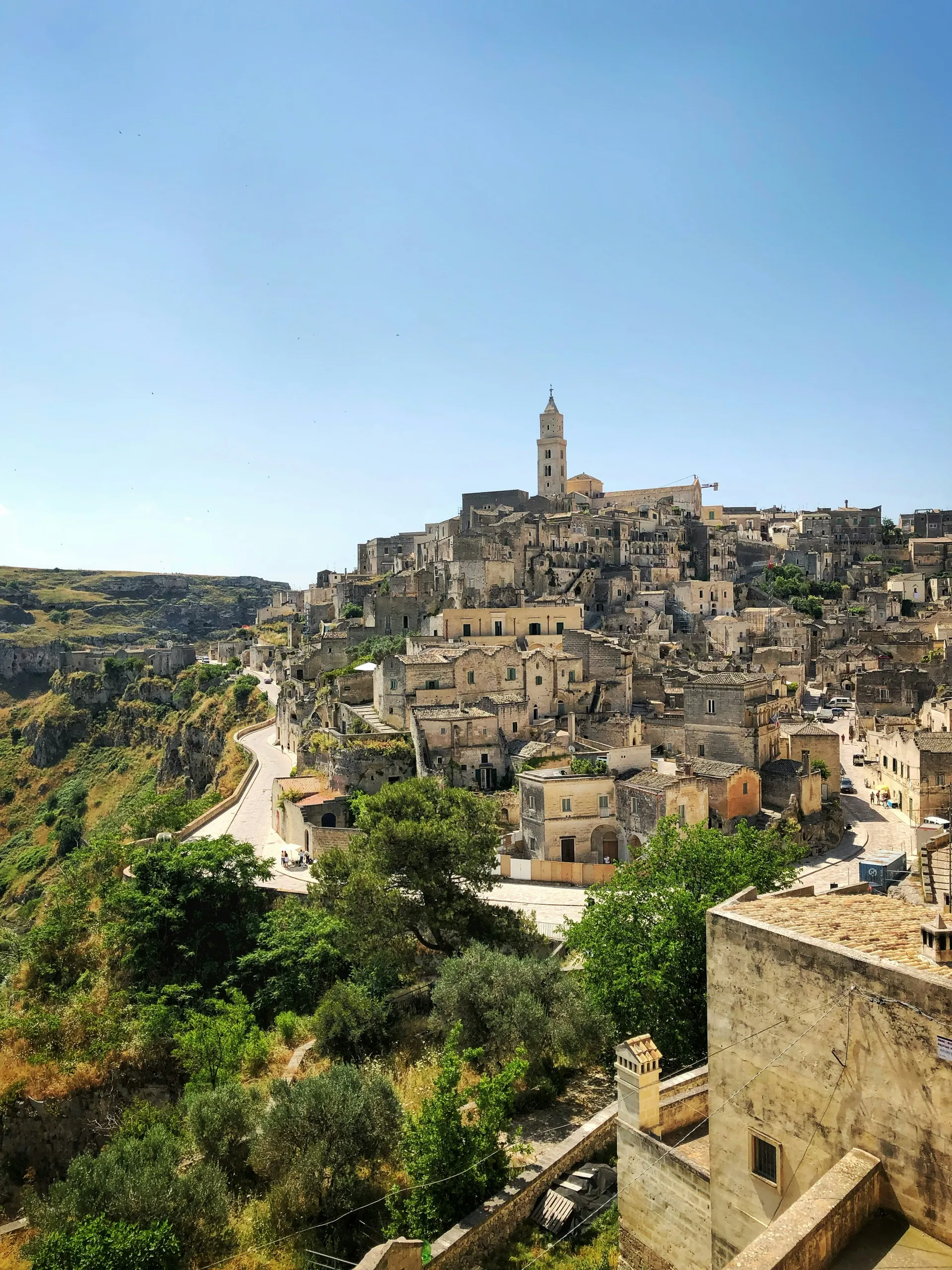
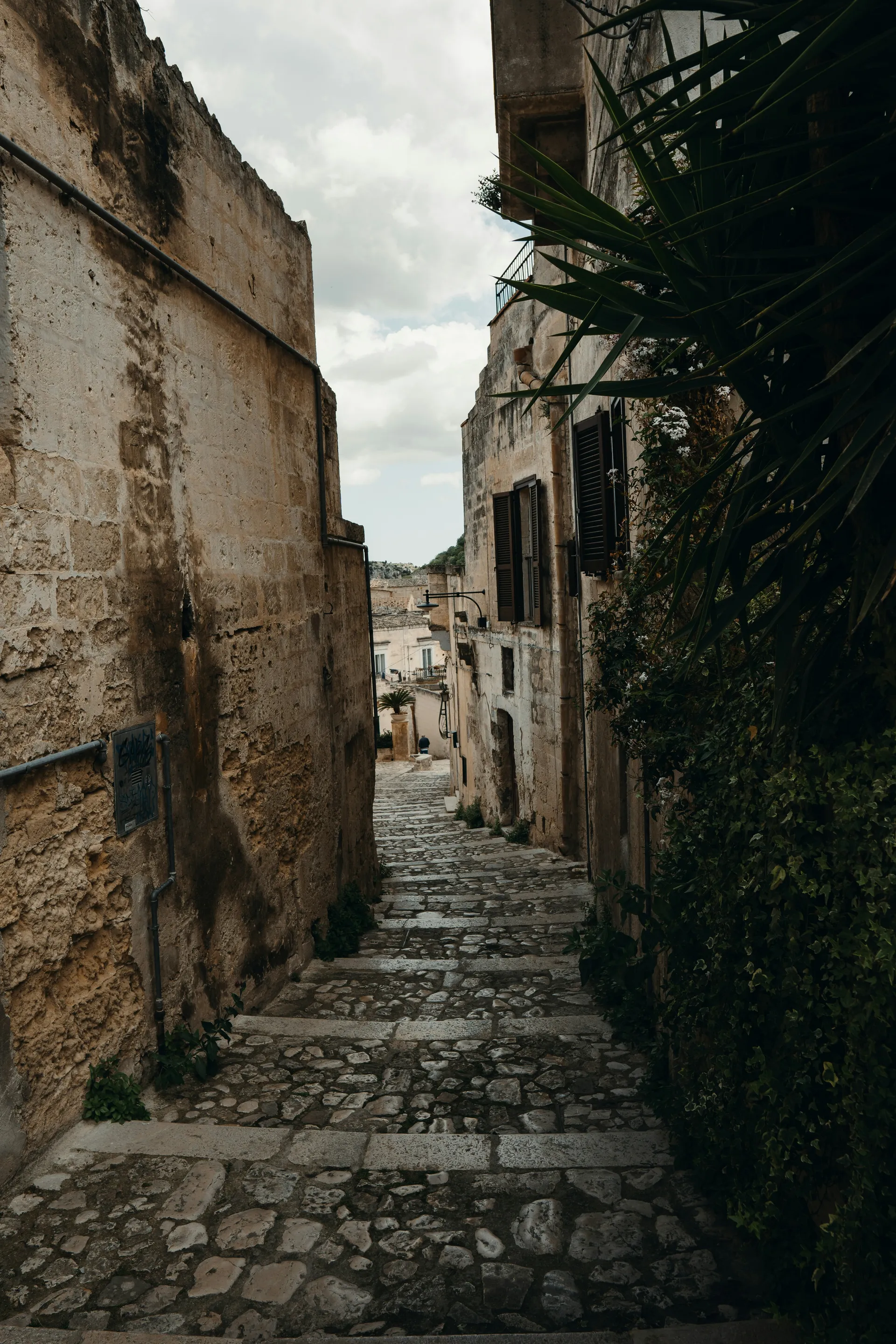
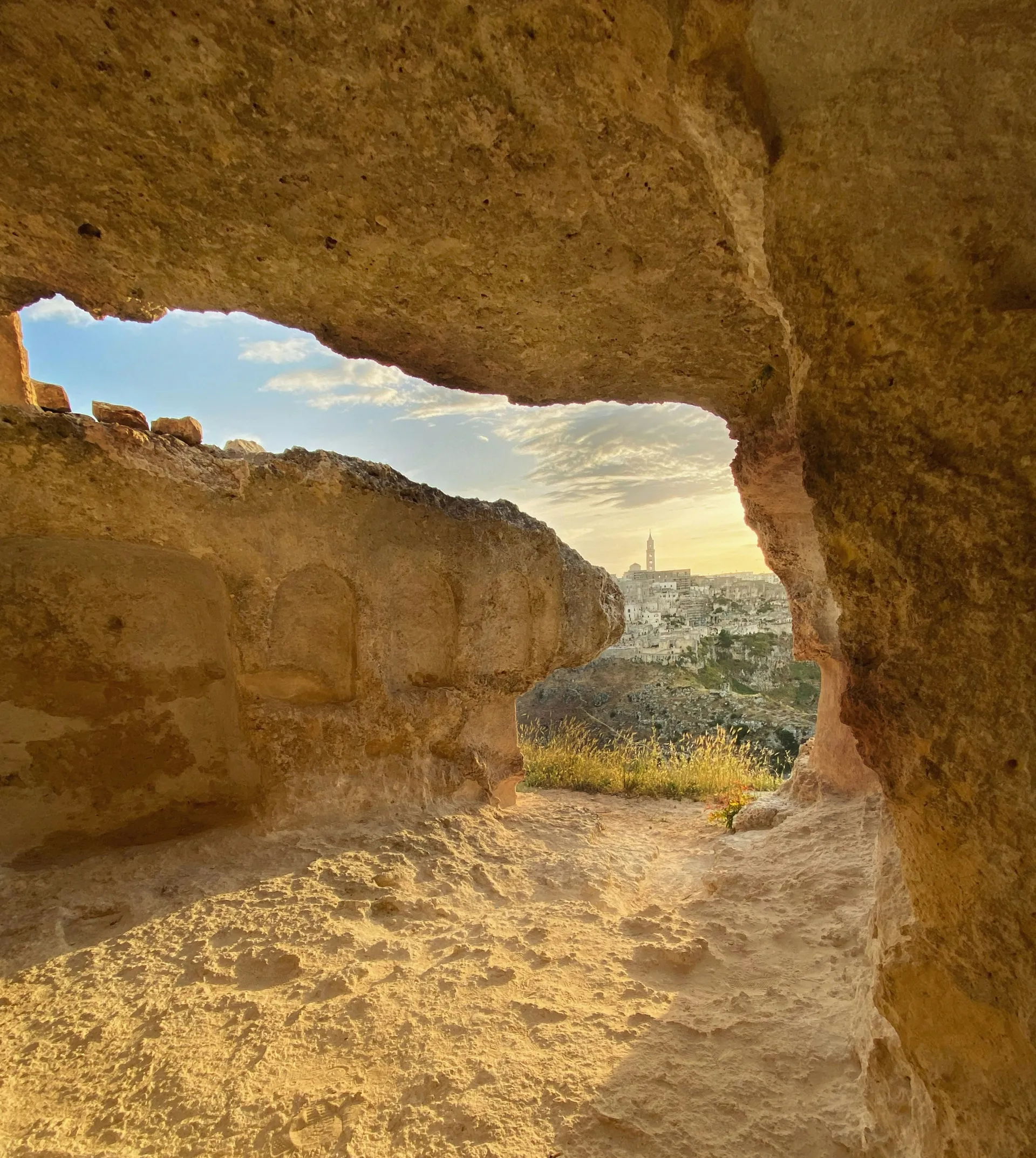
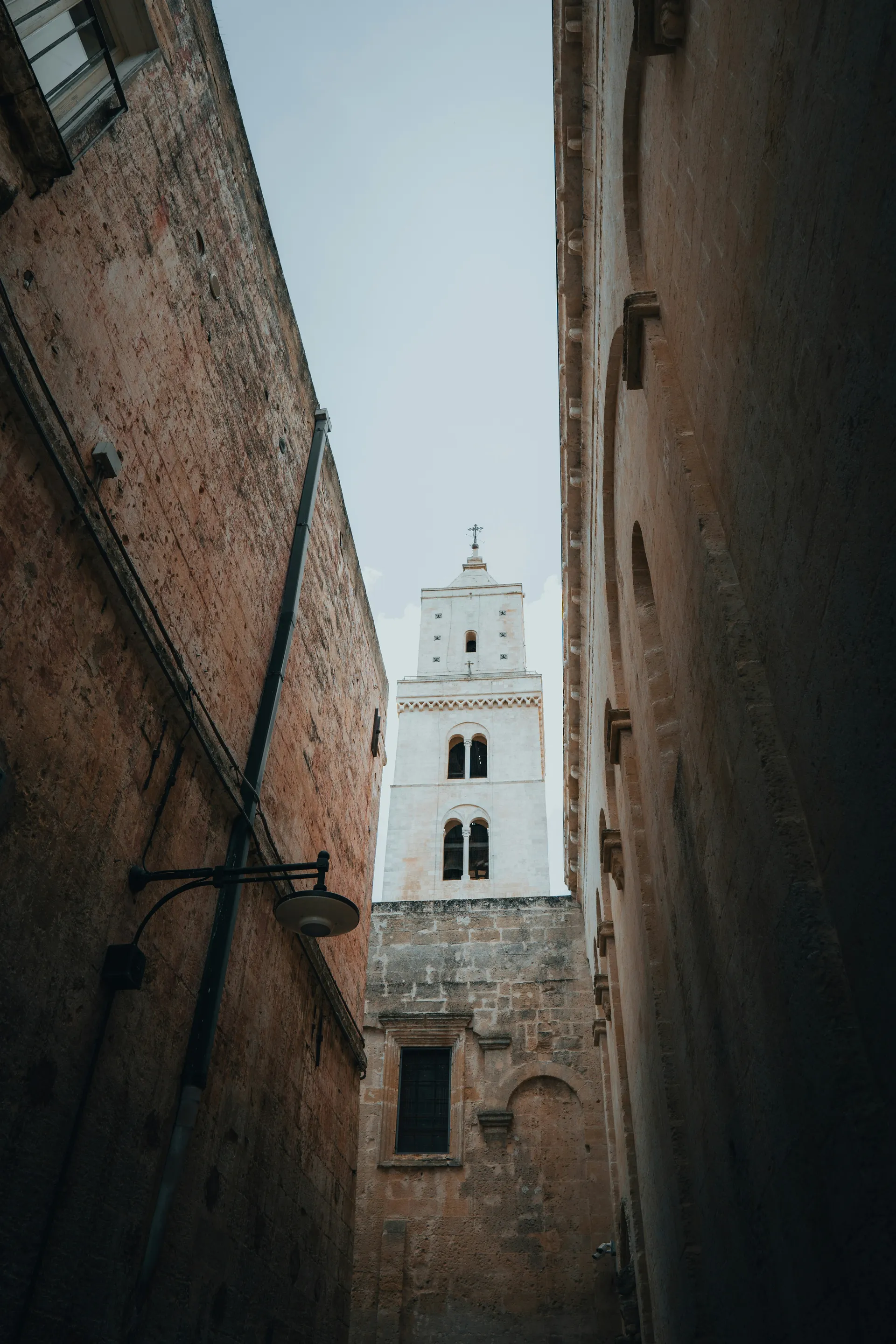
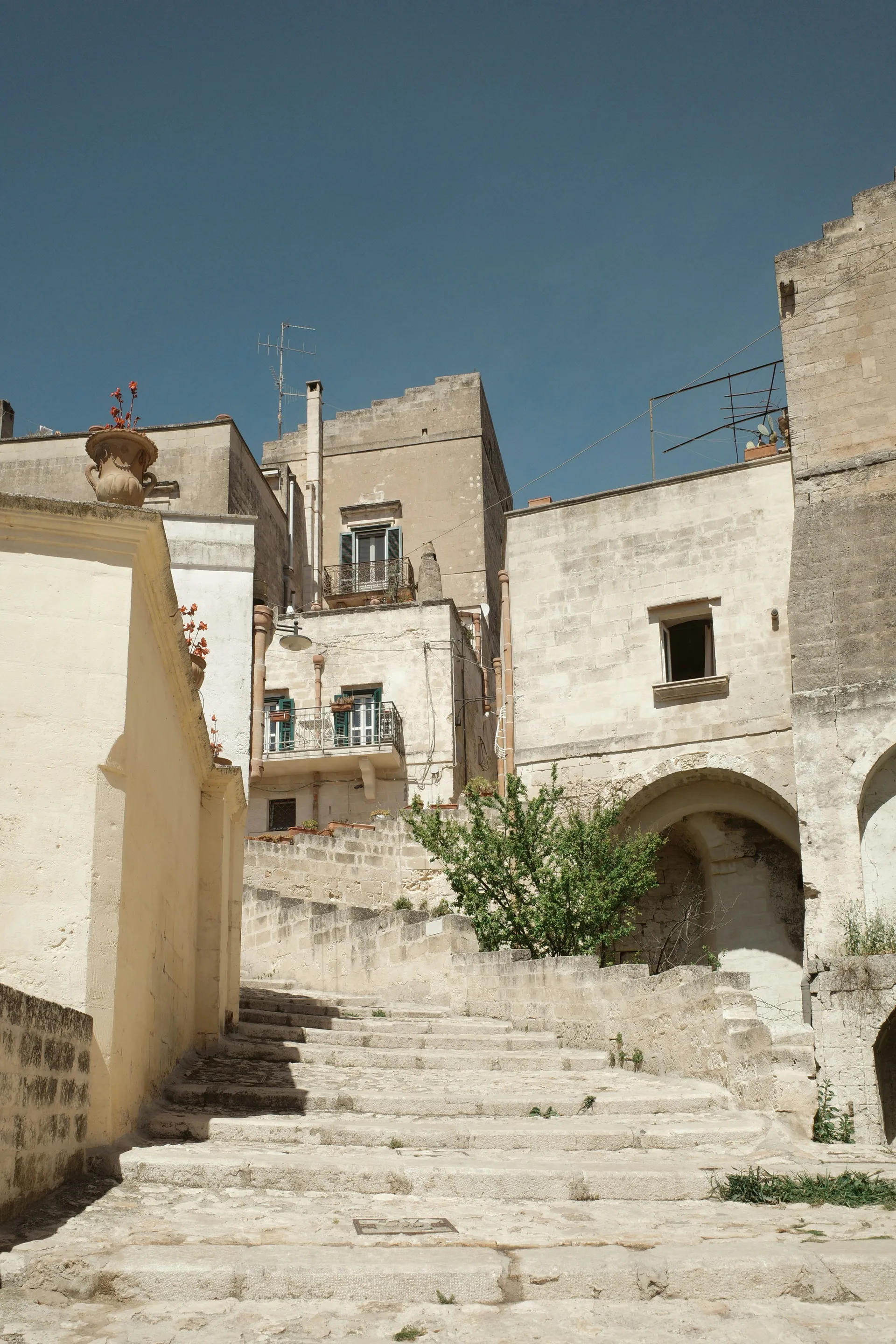
The Sassi districts — Sasso Barisano and Sasso Caveoso — cascade down either side of a deep ravine in a vertiginous arrangement that seems to defy both gravity and convention. Cave dwellings, churches, and cisterns are stacked upon one another in an intricate three-dimensional labyrinth where one home's roof serves as another's terrace. Wandering these stone staircases and narrow passages, you encounter rupestrian churches adorned with surprisingly vivid Byzantine frescoes, their pigments protected for centuries by the constant cool temperature of the rock. The play of light across the honey-colored tufa changes dramatically throughout the day, reaching its most magical at golden hour when the entire city appears to glow from within.
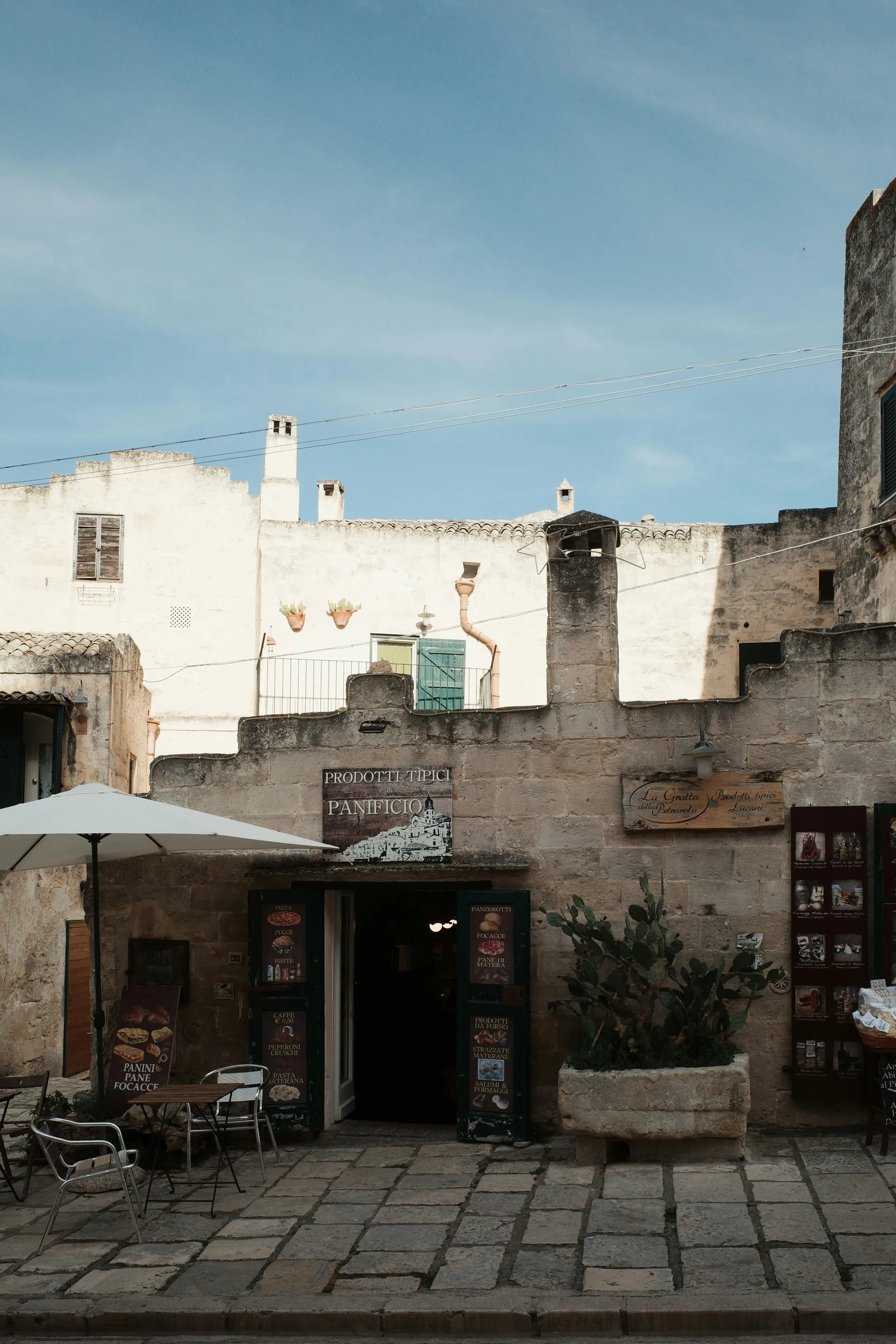
Materan cuisine is peasant food elevated to art through the quality of its ingredients and the patience of its preparation. Bread reigns supreme — the massive, crusty loaves of Pane di Matera, made from local durum wheat and shaped into distinctive pointed forms, carry IGP certification and can remain fresh for over a week. Crapiata, a humble soup of mixed legumes and grains, has been prepared in these caves since antiquity. Orecchiette pasta dressed with wild arugula and dried peppers, lamb slow-roasted with local herbs, and burrata from nearby Andria compose a culinary experience that is deeply rooted in the austere beauty of the Basilicata landscape. Local wines from the Aglianico grape — particularly Aglianico del Vulture — provide robust, elegant accompaniment.
The surrounding Murgia plateau offers dramatic walking and cycling through a landscape dotted with further cave churches, ancient shepherd paths, and sweeping views back toward the city. The Murgia Materana park, directly across the ravine, provides the iconic panoramic photograph of the Sassi — a view that has served as the backdrop for numerous films, from Pier Paolo Pasolini's "The Gospel According to St. Matthew" to Mel Gibson's "The Passion of the Christ" and the James Bond film "No Time to Die." The nearby town of Montescaglioso, with its impressive Benedictine abbey, and the Greek colonial ruins at Metaponto add classical depth to any itinerary.
Matera is typically reached from cruise ports at Taranto or Bari, each approximately sixty to ninety minutes by road. Spring (April-June) and autumn (September-October) offer the most pleasant conditions, with temperatures between 15°C and 25°C and manageable crowds. Summer temperatures can exceed 35°C, and the limestone amplifies the heat considerably. Comfortable walking shoes with good grip are essential — the Sassi involve significant elevation changes on polished stone surfaces. Evening visits are particularly rewarding, as the Sassi illuminate dramatically after dark, transforming the ravine into a constellation of warm light against ancient stone.