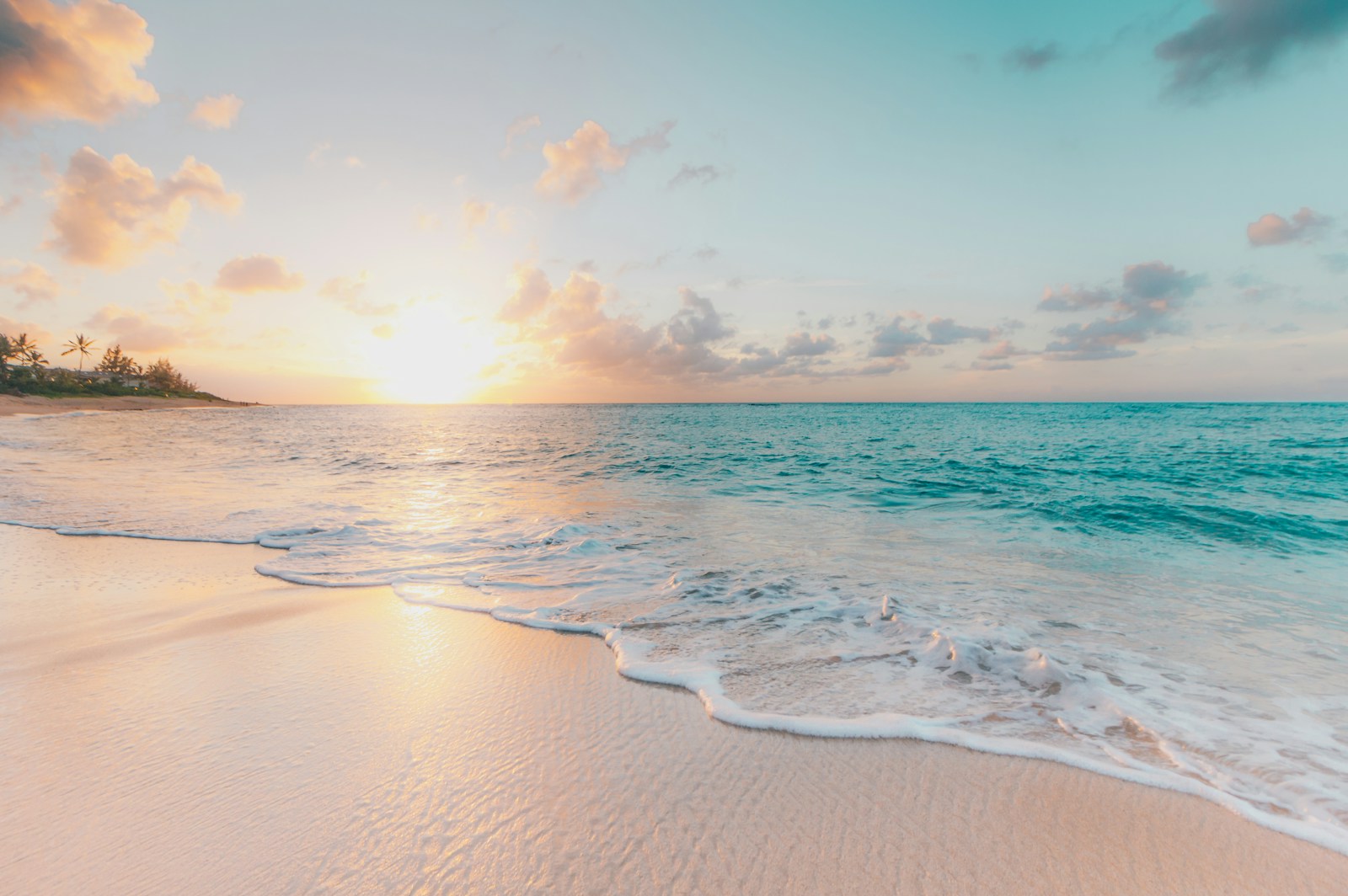
On the southwestern tip of Sicily, where the island gazes across a narrow strait towards the coast of Tunisia, Mazara del Vallo has been a crossroads of Mediterranean civilisations for nearly three millennia. The Phoenicians established a trading post here, the Romans built a port, and the Arabs — who conquered the town in 827 AD — left an imprint so profound that the old quarter, known as the Casbah, remains the most authentically North African urban landscape in all of Italy.
Walking through the Casbah of Mazara del Vallo is a disorienting pleasure. Narrow, winding alleys open unexpectedly into tiny courtyards adorned with hand-painted ceramic tiles. Arabic inscriptions appear alongside Catholic shrines. The architecture — arched doorways, interior courtyards, flat roofs — owes far more to Tunis than to Palermo. In recent decades, a wave of Tunisian immigration has reinforced this connection; Arabic is spoken in the streets, and the scent of cumin and harissa drifts from doorways alongside the fragrance of Italian espresso.
Mazara del Vallo is home to one of the largest fishing fleets in Italy, and its culinary identity is inseparable from the sea. The local red prawn — gambero rosso di Mazara — is considered the finest crustacean in the Mediterranean, its flesh sweet and delicate with a mineral intensity drawn from the deep waters between Sicily and Africa. Eaten raw, drizzled with nothing more than local olive oil and a squeeze of lemon, it is a transcendent experience. Couscous — introduced by Arab settlers over a thousand years ago — is the town's signature dish, prepared with a rich fish broth that marries Sicilian and Maghrebi traditions in a single bowl.
The town's most celebrated cultural treasure is the Dancing Satyr, a rare Greek bronze statue from the fourth century BC, hauled from the sea by local fishermen in 1998. Displayed in a purpose-built museum in the church of Sant'Egidio, the statue captures a moment of Dionysian ecstasy with a dynamism that takes the breath away. Beyond the town, the Archaeological Park of Selinunte — the largest in Europe — lies just thirty minutes along the coast, its massive Greek temples rising above wildflower meadows overlooking the sea.
Mazara del Vallo is accessible by train and bus from Palermo and Trapani. Cruise ships anchor offshore and tender passengers to the harbour. The Mediterranean climate makes the town pleasant year-round, but spring (April to June) and early autumn (September to October) offer the most agreeable temperatures for exploring. The annual Cous Cous Fest in nearby San Vito Lo Capo, held each September, celebrates the dish that symbolises Mazara's unique cultural fusion.

