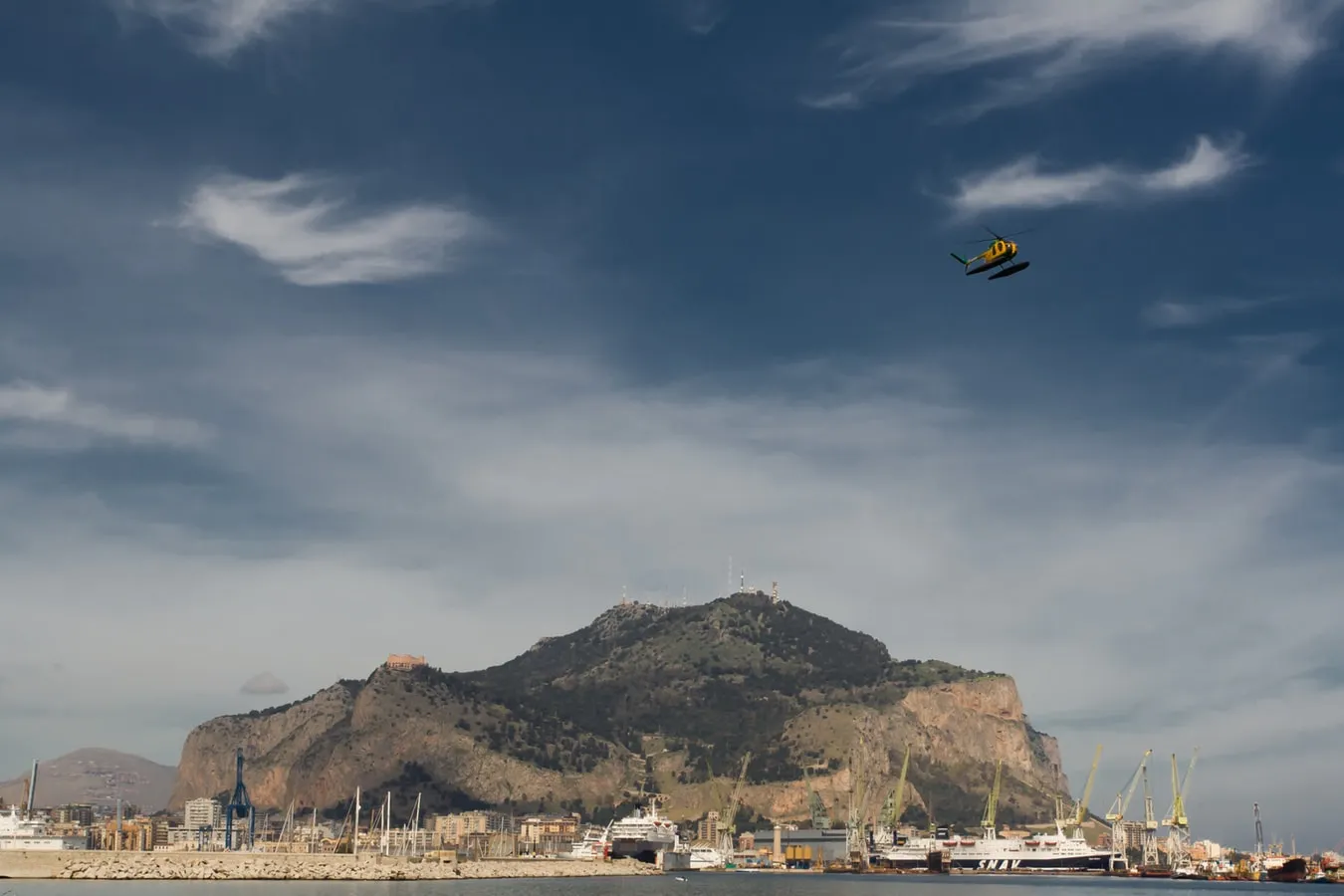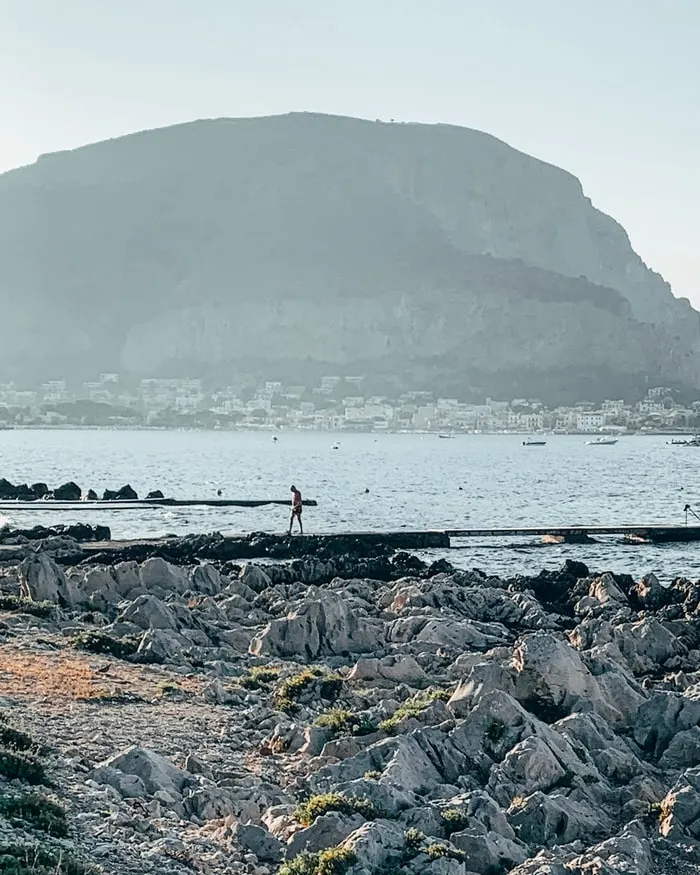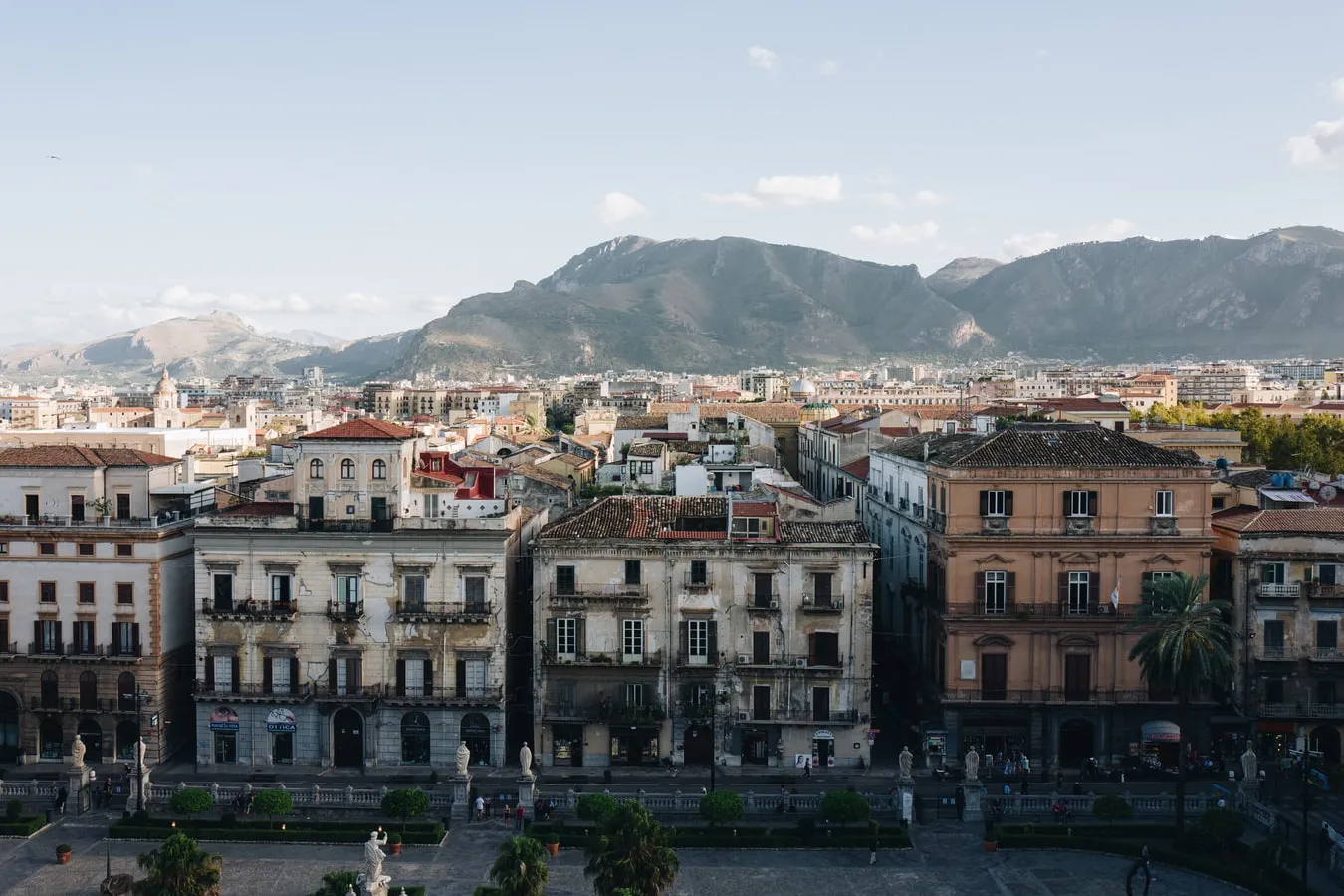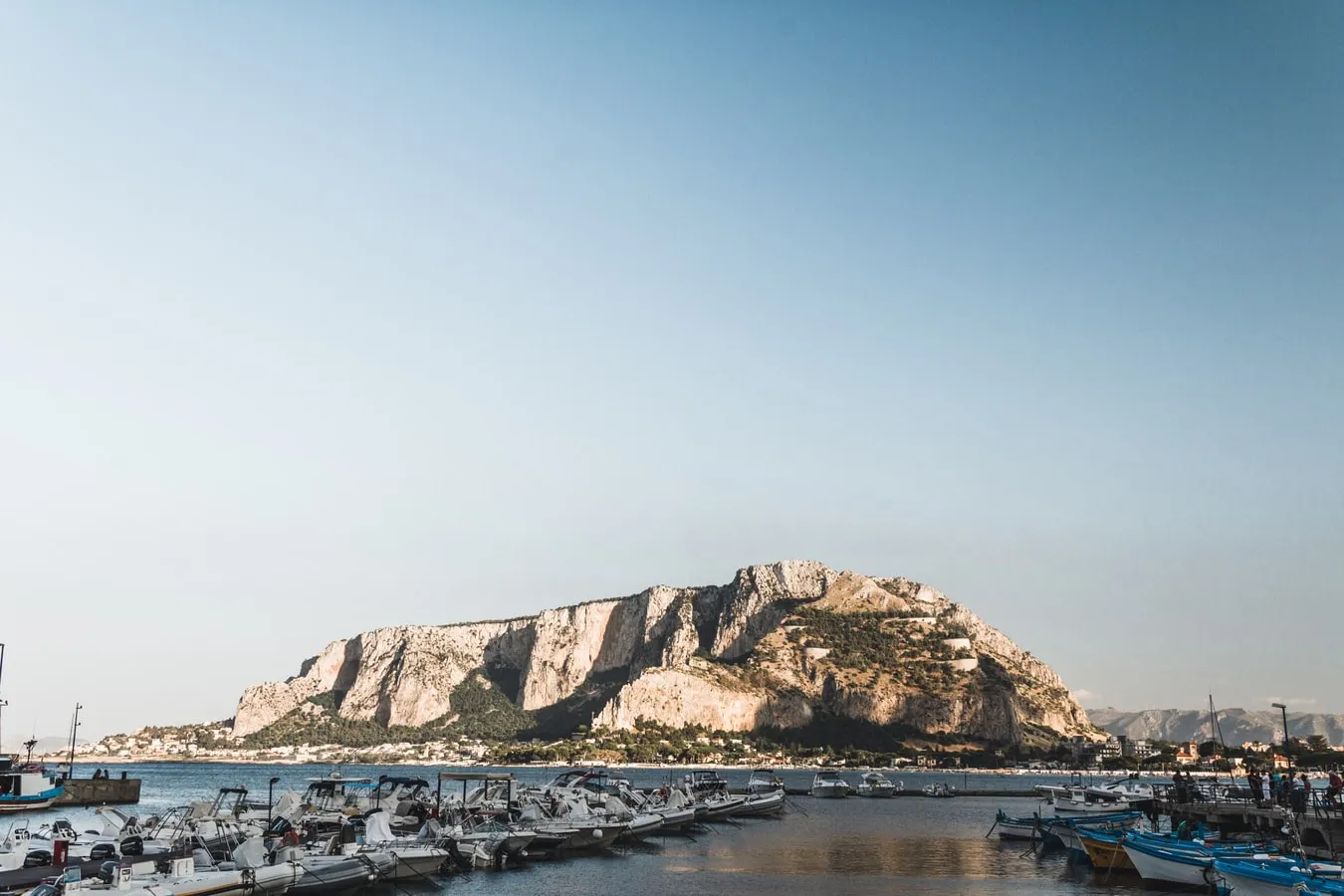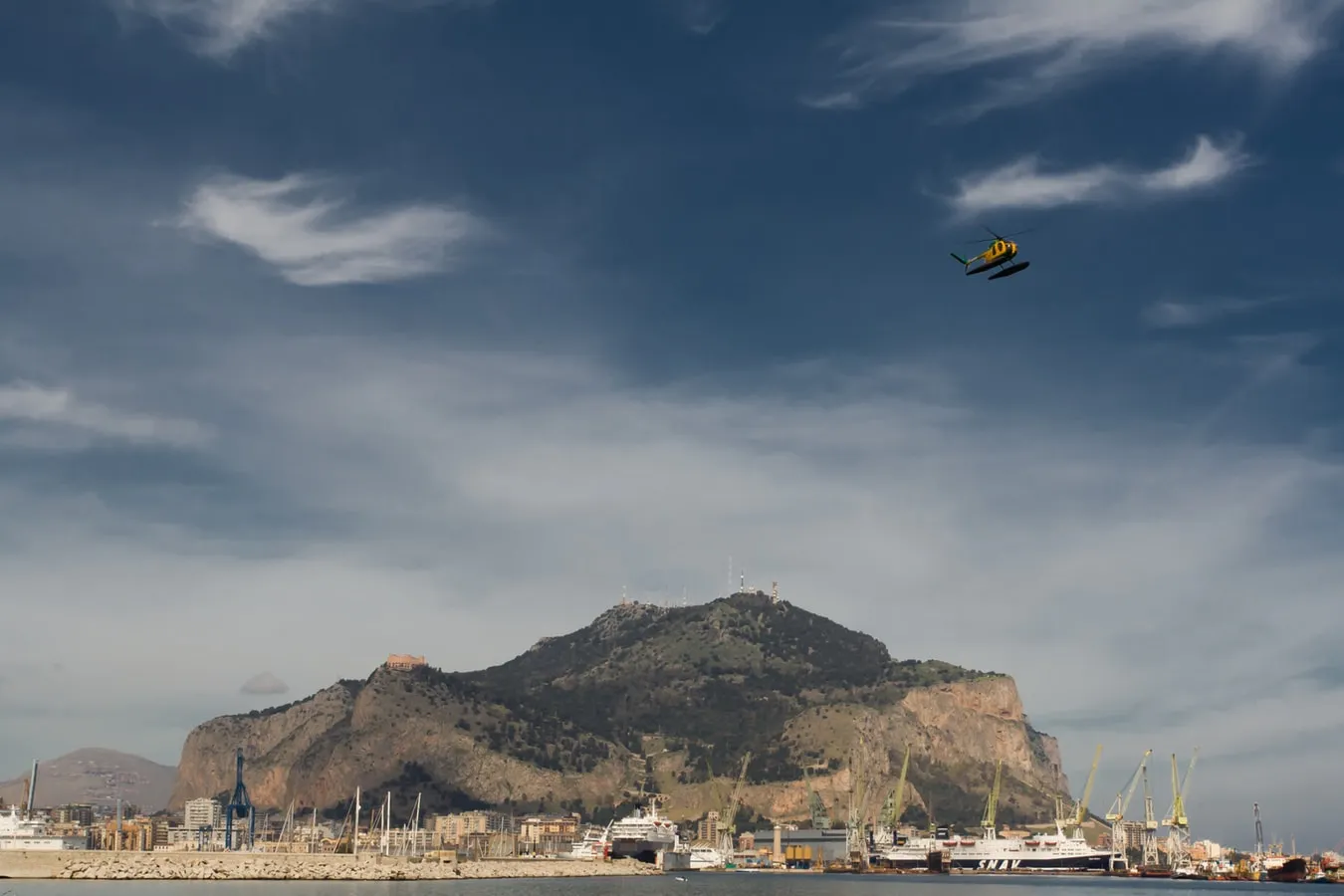
Palermo has been conquered, colonised, and coveted by virtually every Mediterranean power across three millennia. Phoenicians established a trading post here in the eighth century BC; Carthaginians, Romans, Byzantines, Arabs, Normans, Swabians, Angevins, and Aragonese each left their imprint on this Sicilian capital, creating a layered cityscape unlike any other in Europe. The Arab-Norman architectural legacy — epitomised by the Palatine Chapel, with its Byzantine mosaics and Islamic muqarnas ceiling — earned UNESCO World Heritage status in 2015, a fitting tribute to a city where a mosque once stood on the site of the cathedral.
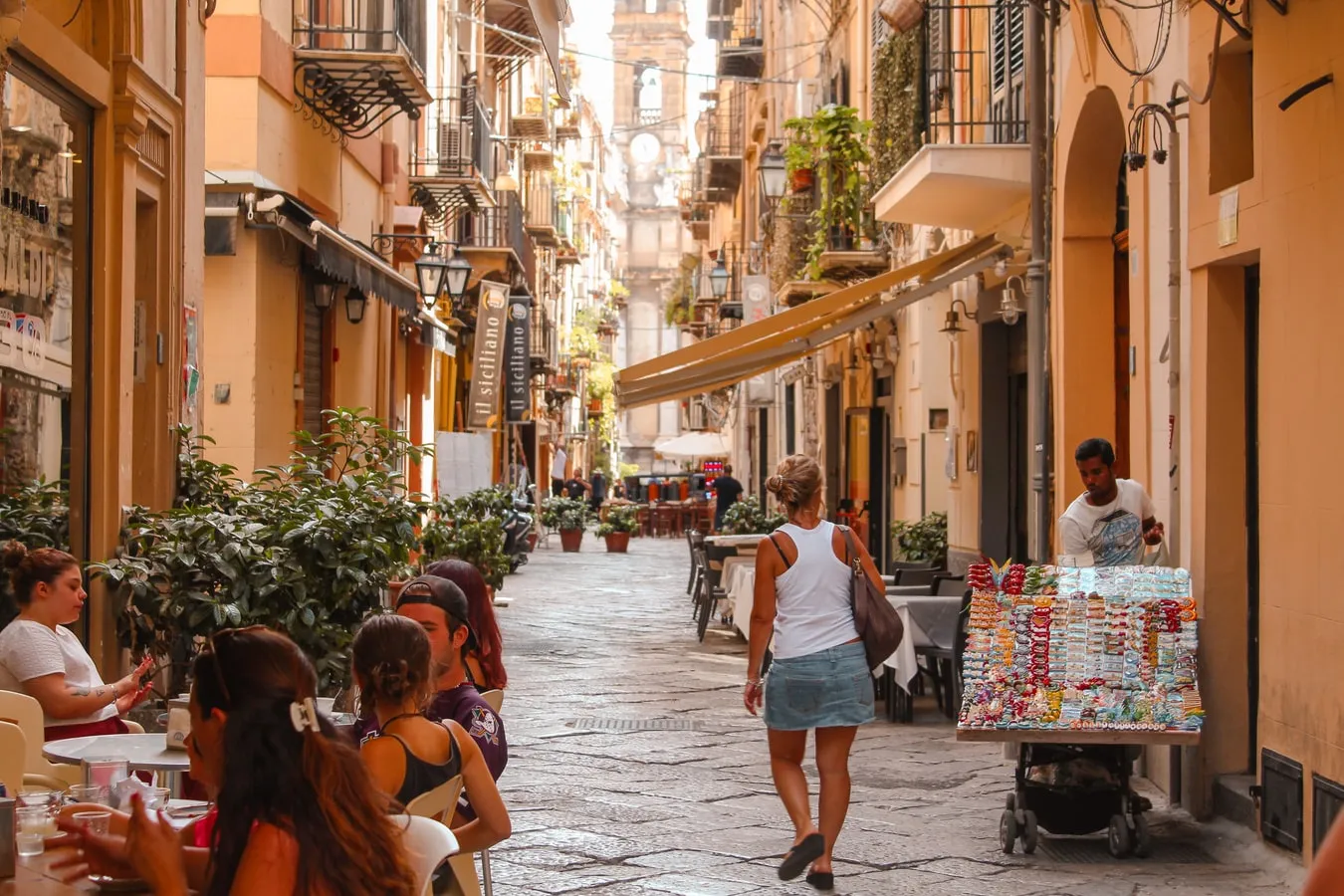
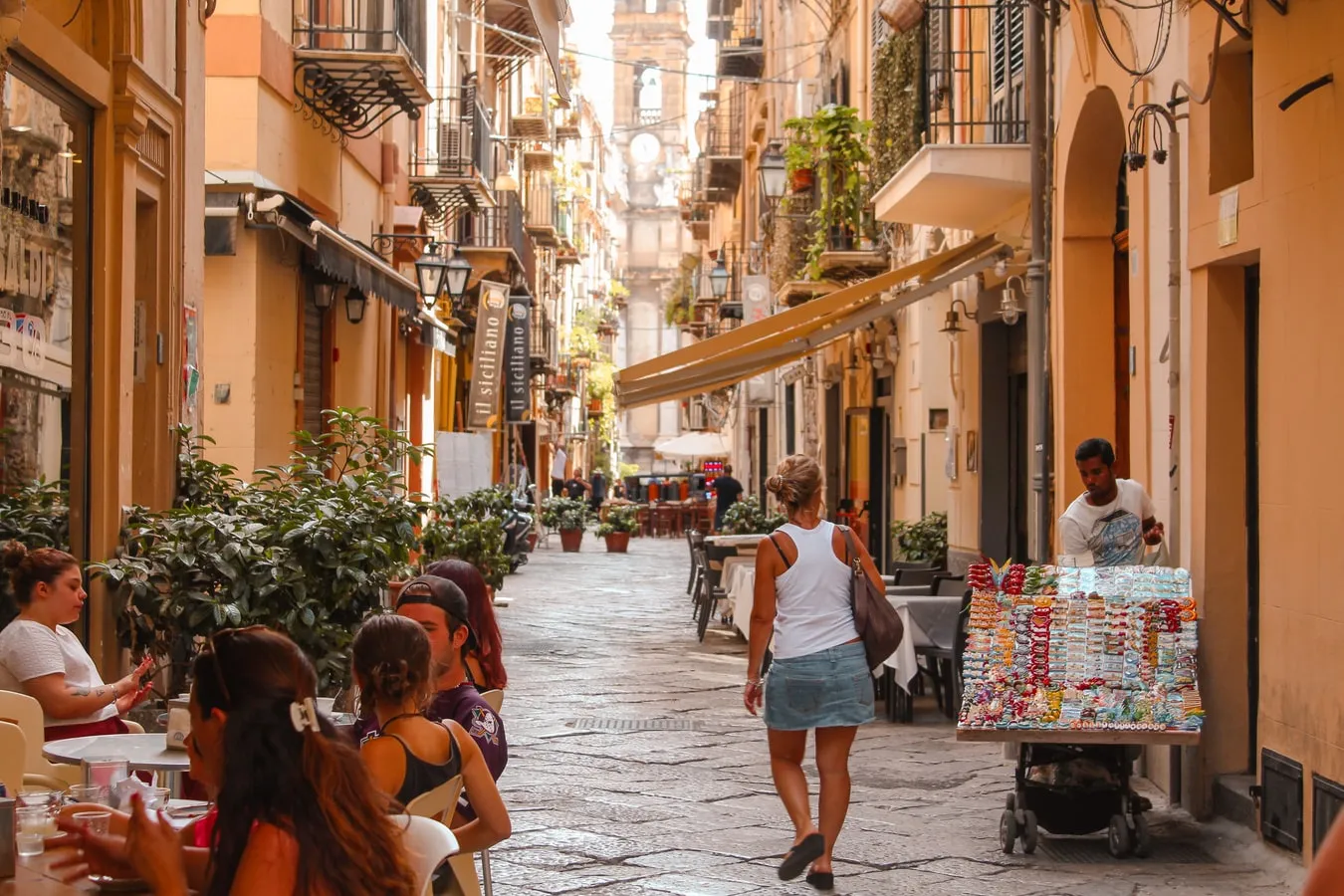
The character of Palermo reveals itself in contradictions: crumbling baroque palazzi stand beside immaculate churches, luxury boutiques neighbour raucous street markets, and the scent of jasmine mingles with diesel fumes on narrow lanes where laundry flutters like bunting between balconies. The Quattro Canti, a baroque crossroads where four concave facades adorned with fountains and statues mark the intersection of the city's two main streets, anchors the historic centre. Nearby, the Teatro Massimo — Italy's largest opera house and the setting for the final scene of The Godfather Part III — commands a piazza that hums with buskers and espresso drinkers from morning until well past midnight.
Palermo's street food culture is legendary, rivalling even Naples for sheer variety and audacity. At the Ballarò, Vucciria, and Capo markets, vendors hawk arancine (fried rice balls stuffed with ragù, mozzarella, or pistachio), panelle (chickpea fritters), and sfincione (Sicilian-style spongy pizza dripping with onion, anchovy, and caciocavallo cheese). The adventurous must try pane con la milza — a sesame-seed roll filled with veal spleen and lung, squeezed with lemon — a dish that dates to the Arab period. For dessert, cannoli siciliani filled with sweet ricotta and studded with candied orange peel are non-negotiable, best consumed at a century-old pasticceria where the shells are filled only upon ordering.
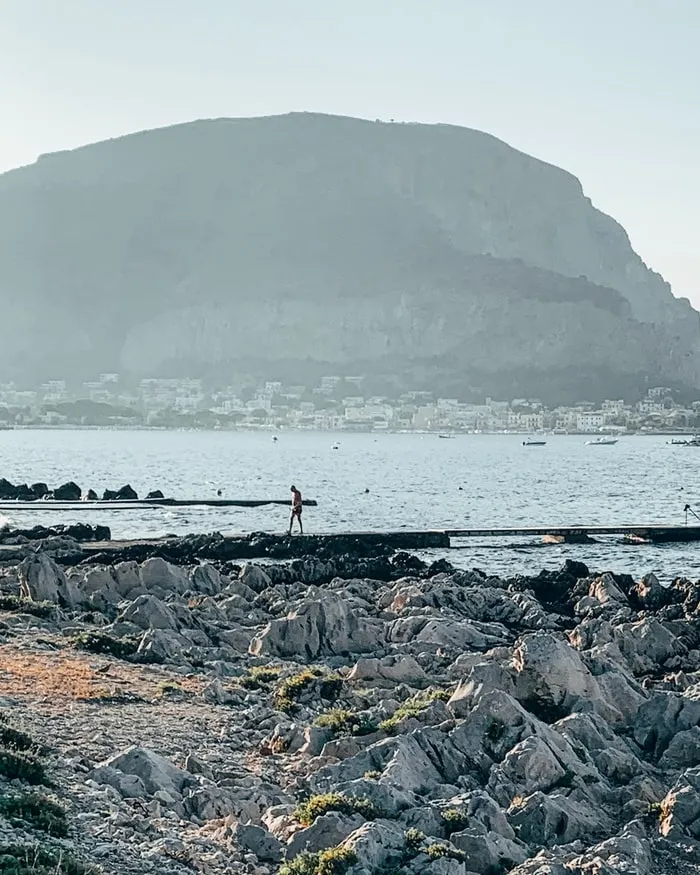
Day trips from Palermo open doors to Sicily's diverse treasures. The hilltop cathedral of Monreale, just eight kilometres south, contains one of the world's most complete cycles of Byzantine mosaics — over six thousand square metres of gold-ground imagery depicting biblical scenes. The Greek temple at Segesta, standing in splendid isolation on a windswept hill, is a forty-minute drive west. Cefalù, a picturesque fishing town with a Norman cathedral and a crescent beach backed by a limestone crag, lies an hour east along the coastal motorway.
Palermo's cruise terminal, nestled within the historic port, receives calls from AIDA, Ambassador Cruise Line, Celebrity Cruises, Costa Cruises, CroisiEurope, Emerald Yacht Cruises, Hapag-Lloyd Cruises, Holland America Line, MSC Cruises, Norwegian Cruise Line, Oceania Cruises, P&O Cruises, Ponant, Princess Cruises, Seabourn, TUI Cruises Mein Schiff, and Windstar Cruises. Onward itineraries frequently include Naples, Valletta, and the volcanic island of Stromboli. Spring and autumn deliver the most agreeable conditions — warm sunshine without the fierce August heat — making April through June and September through November the preferred months for Mediterranean voyaging.