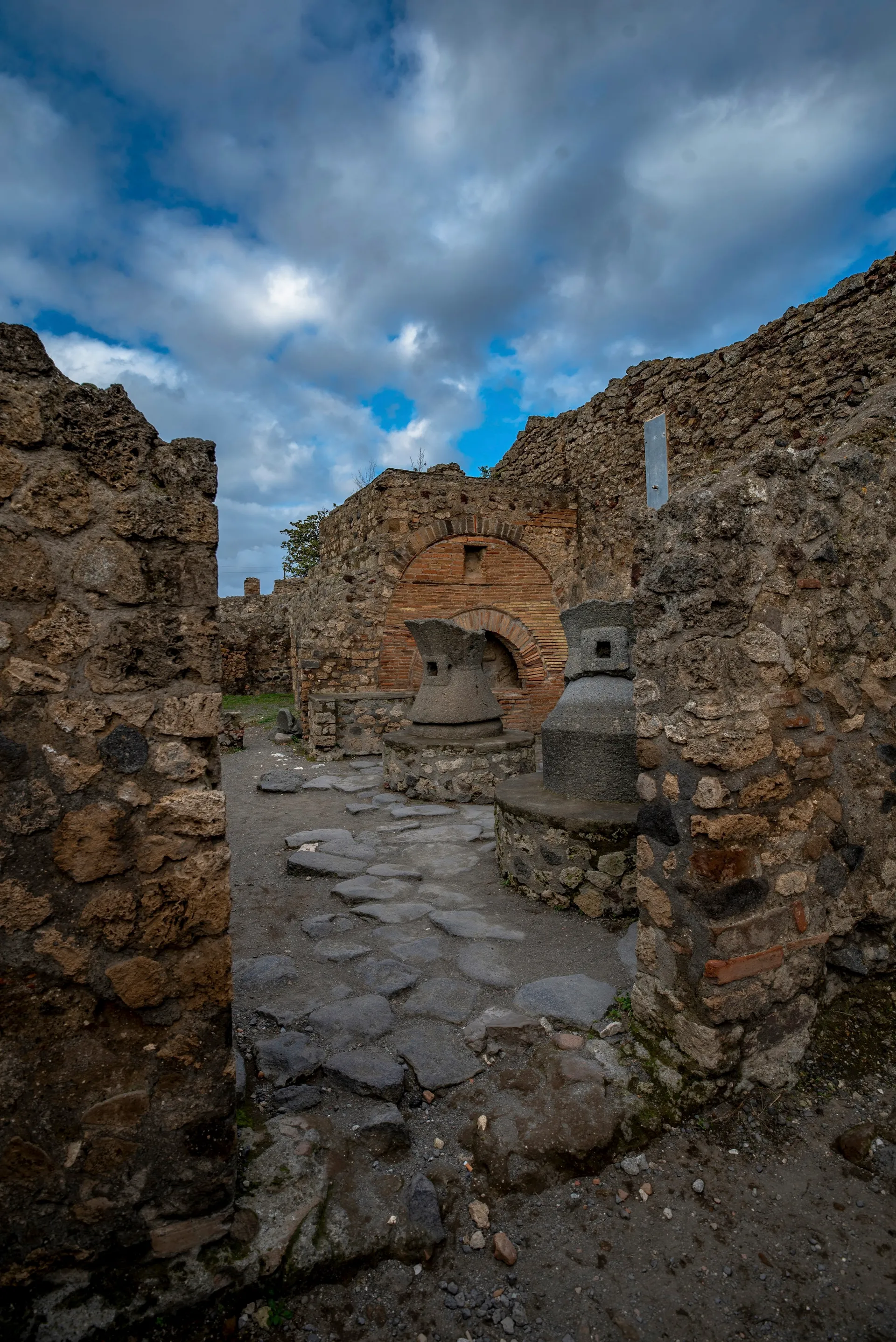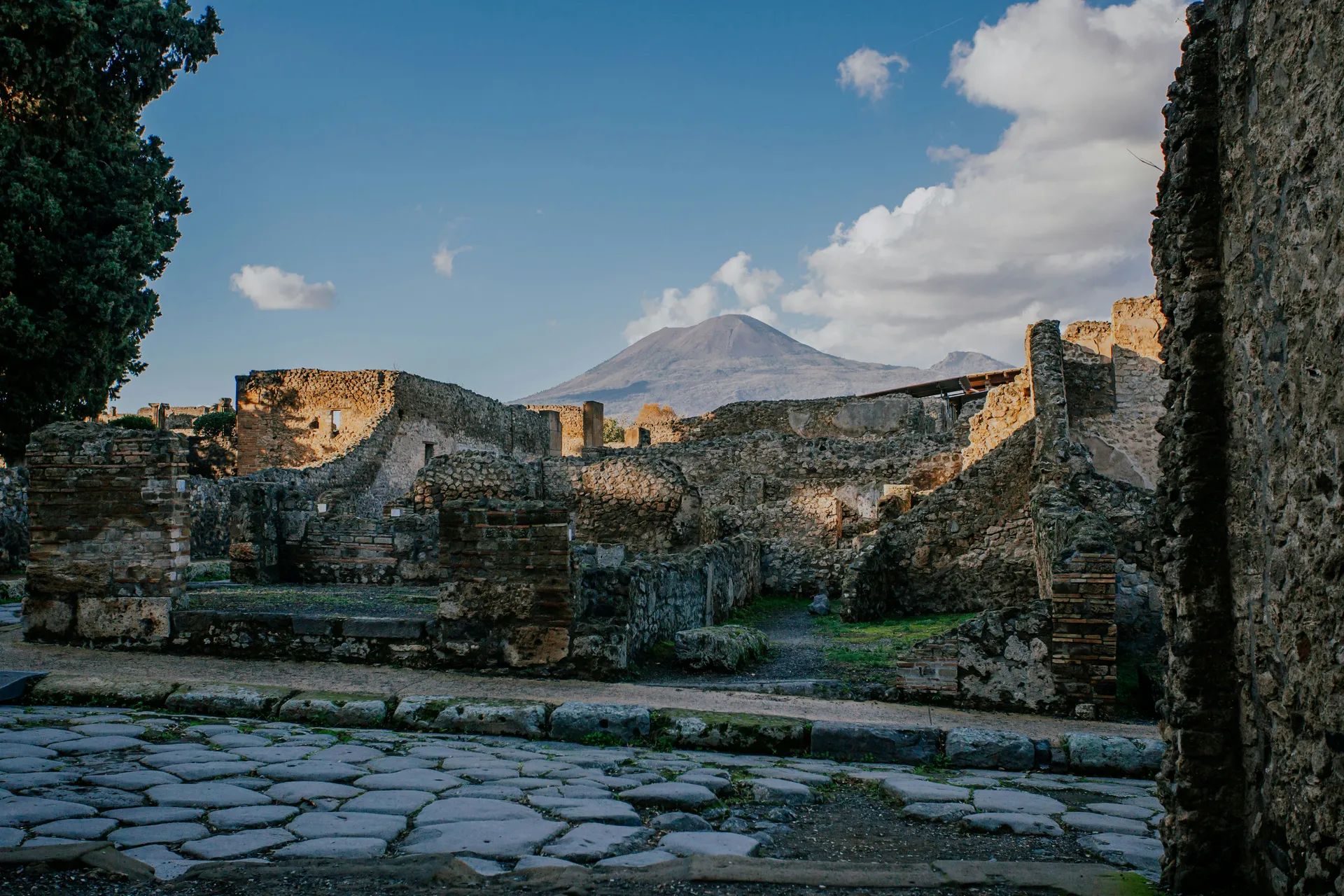
On an August morning in 79 AD, the residents of Pompeii were going about their ordinary lives — baking bread, negotiating at the forum, lounging in the bathhouses — when Mount Vesuvius erupted with catastrophic violence, burying the city under six meters of volcanic ash and pumice. What was an unimaginable tragedy for its inhabitants became, nearly seventeen centuries later, one of archaeology's greatest gifts: a Roman city frozen in time, its streets, homes, shops, and even the expressions of its final moments preserved with haunting fidelity. Today, the archaeological site of Pompeii stands as one of the most visited and emotionally powerful destinations in the world.
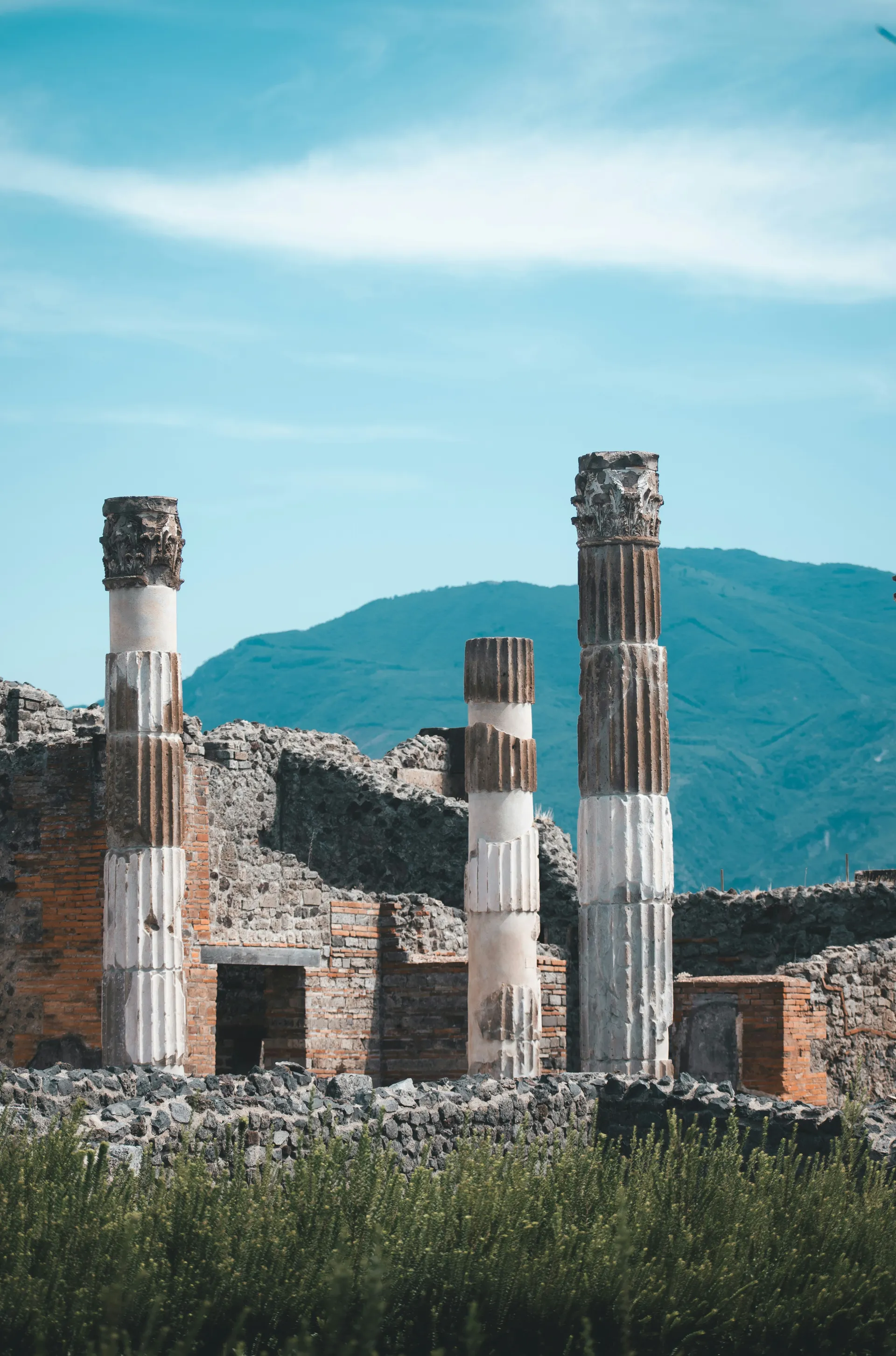
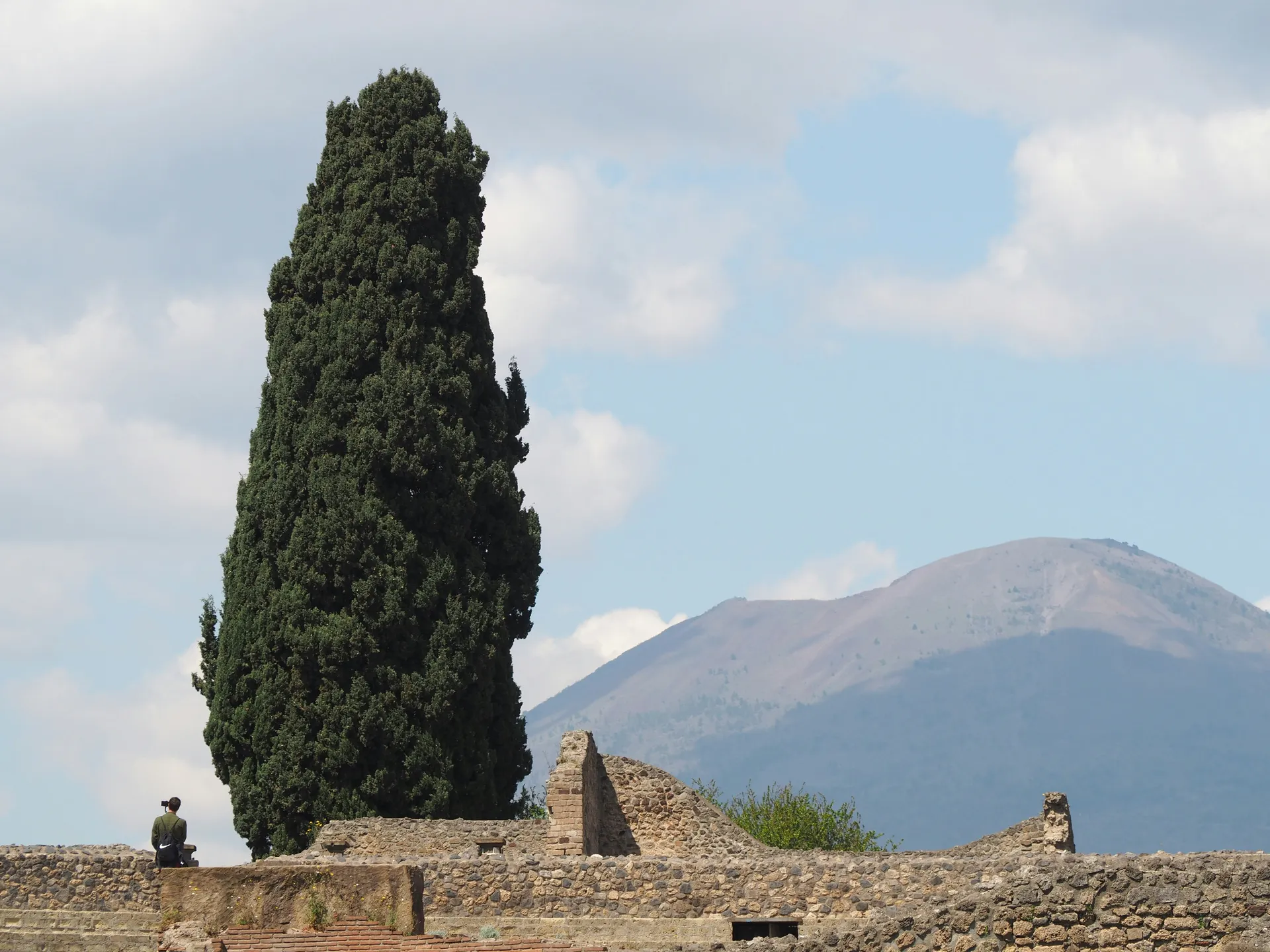
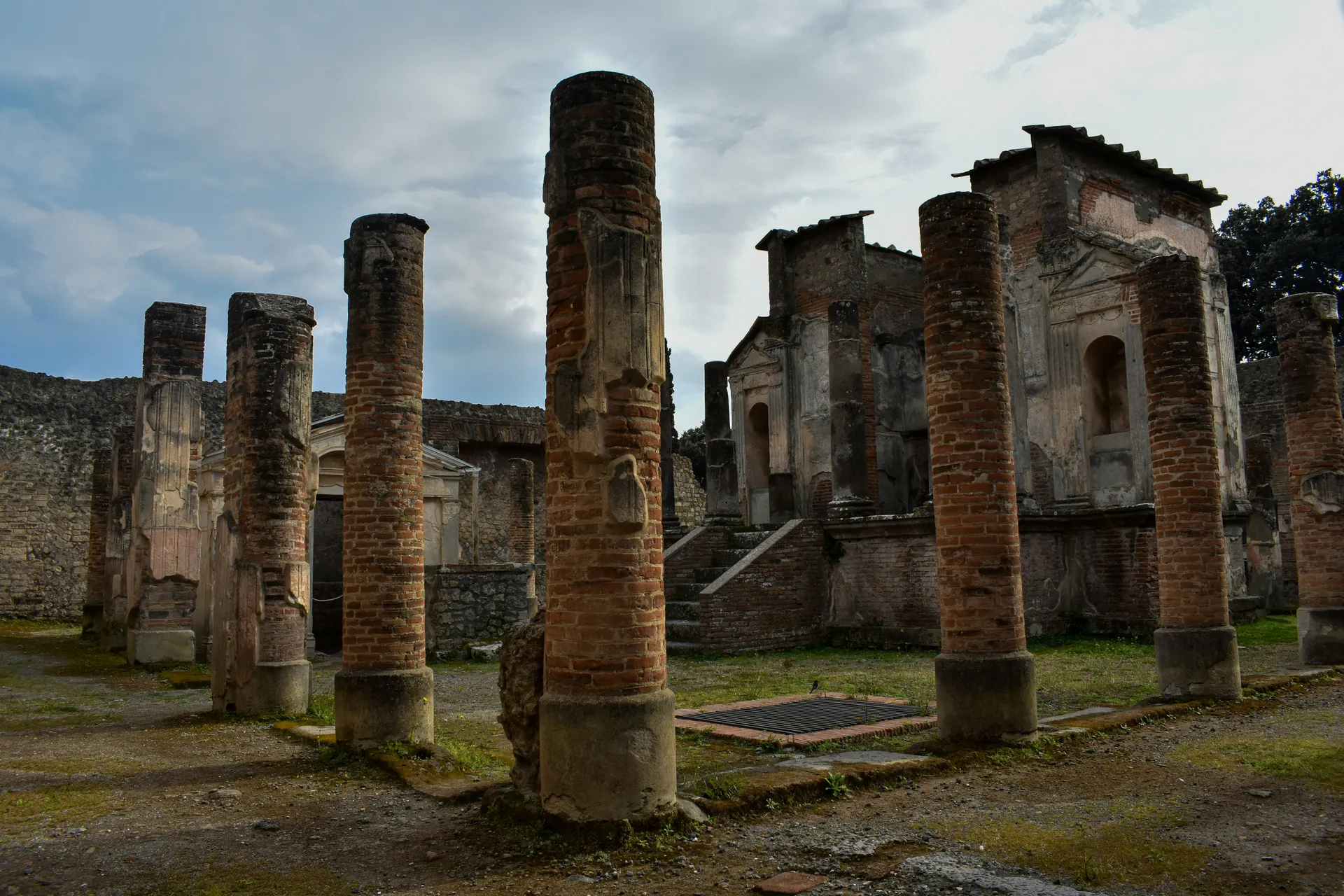
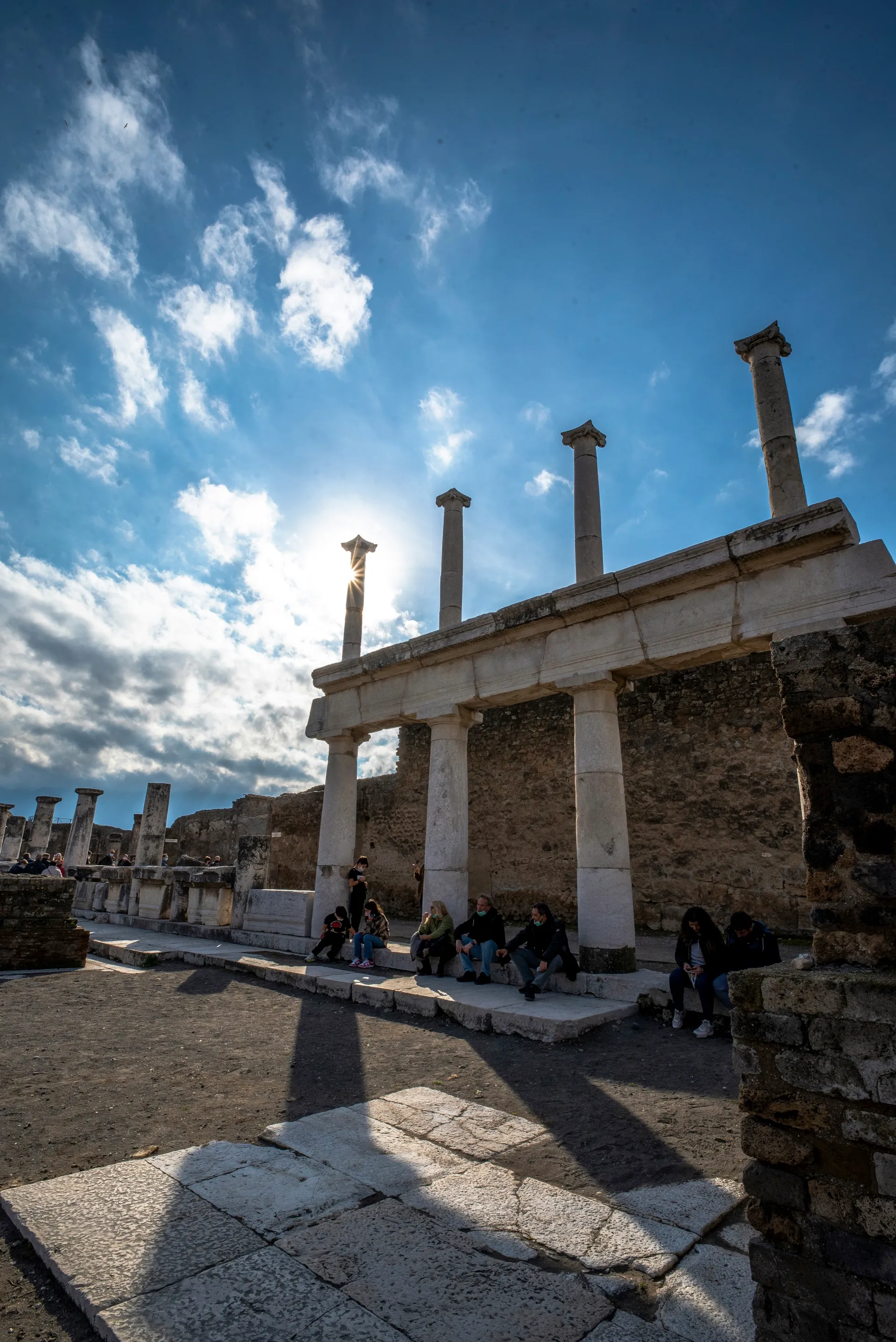
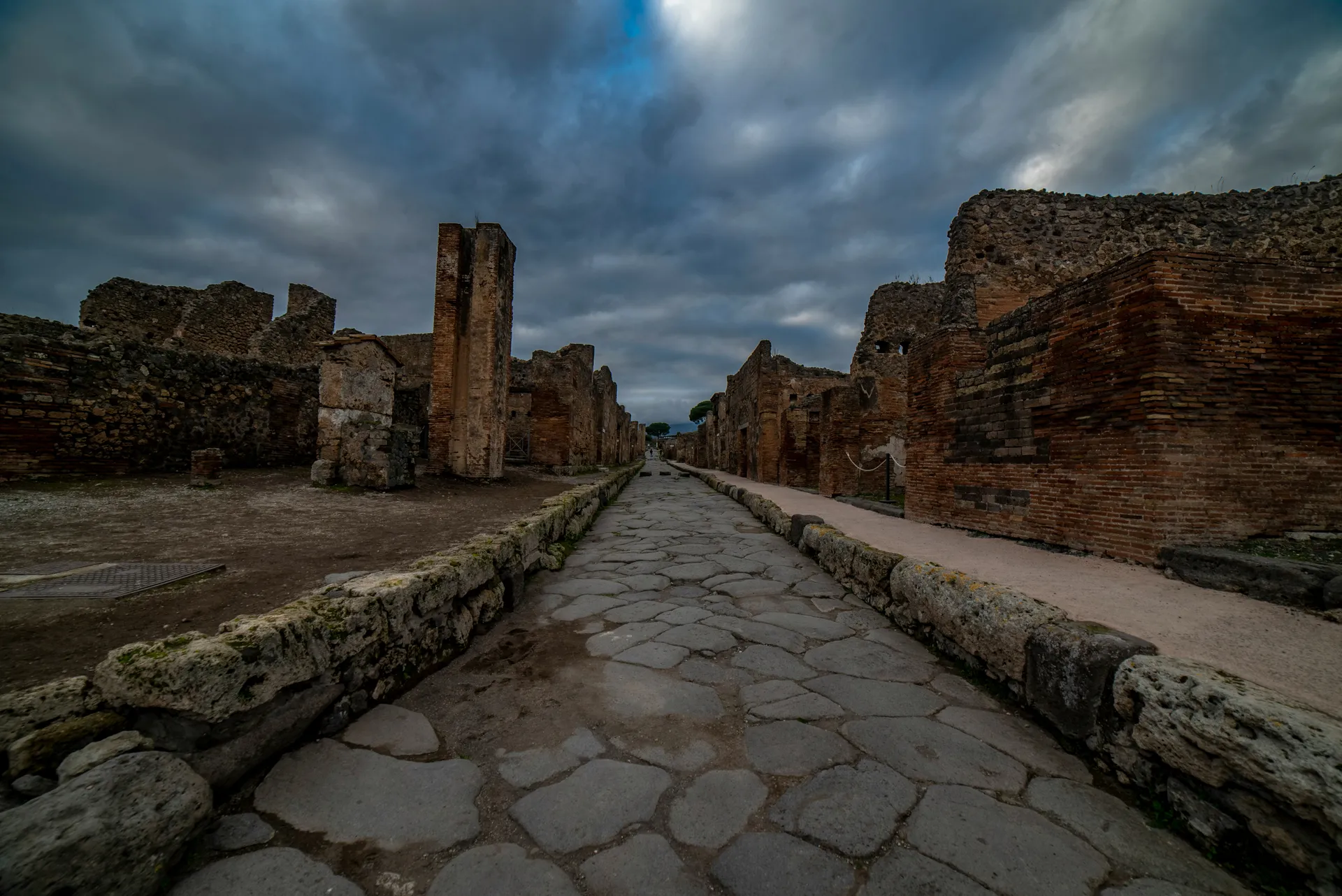
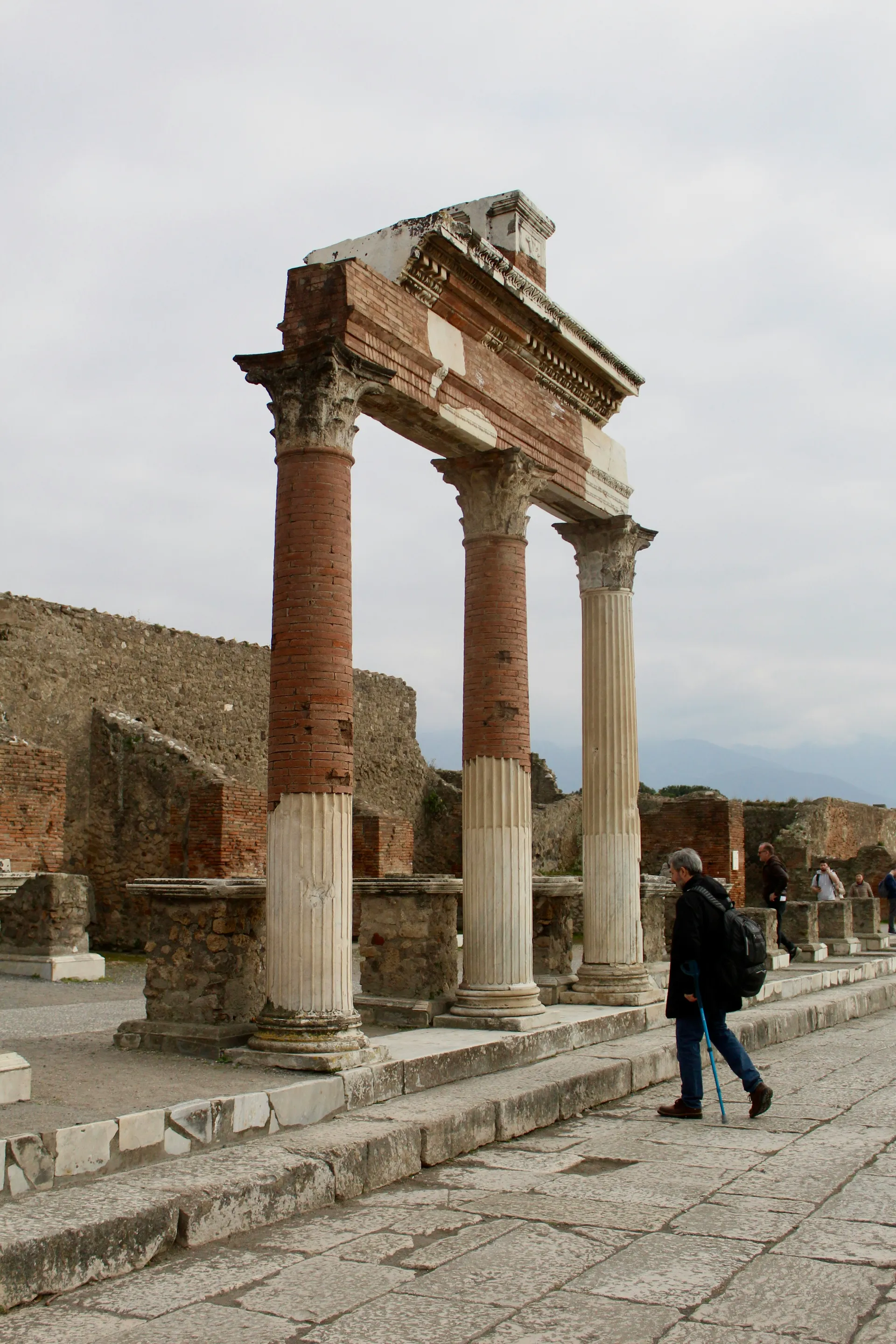
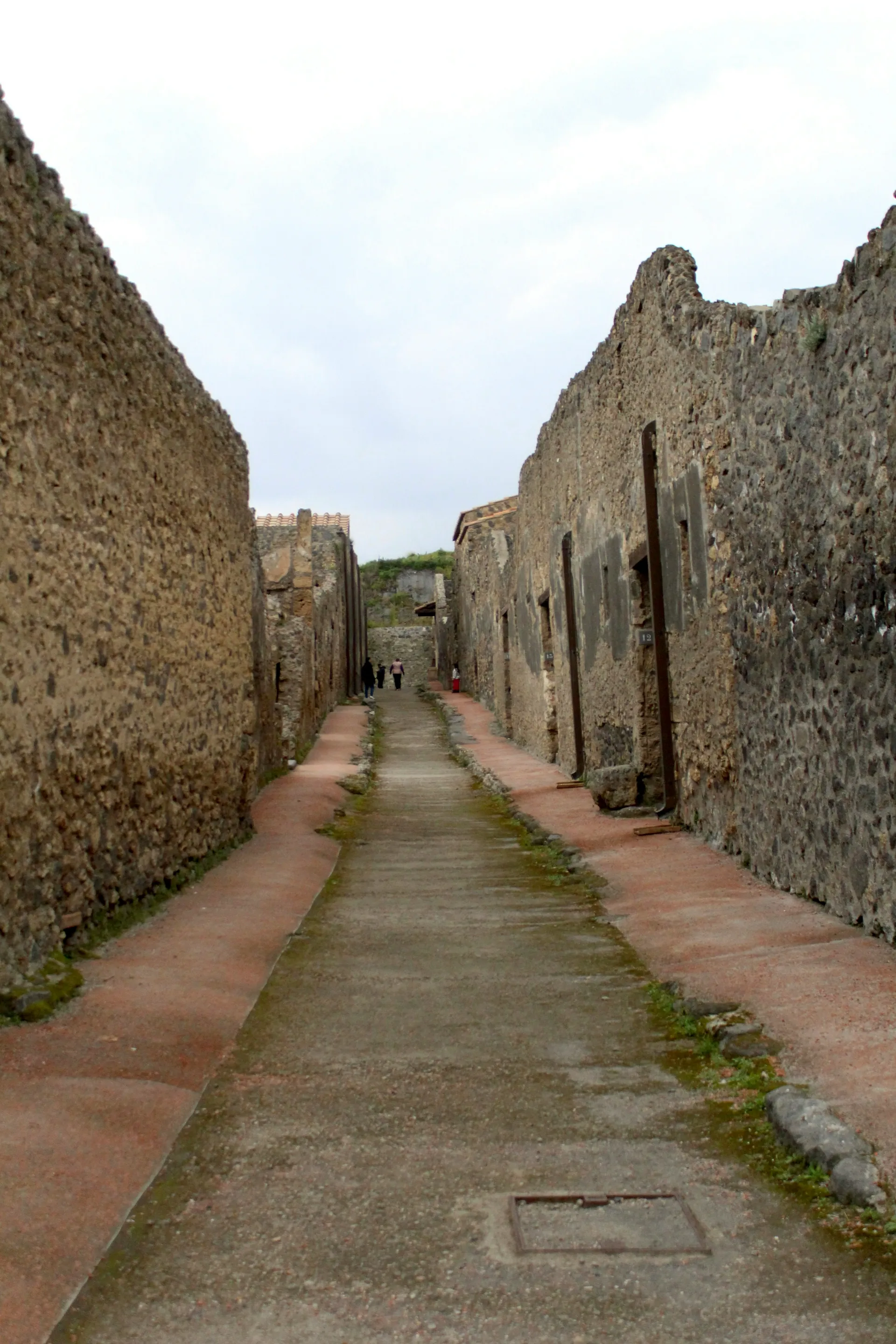
Walking through Pompeii is an exercise in time travel so vivid it borders on the uncanny. The main thoroughfare, Via dell'Abbondanza, stretches before you with its original stepping stones and chariot ruts worn into volcanic paving. On either side, two-story houses reveal frescoed walls in Pompeian red, intricate mosaic floors, and private gardens where fountains once played. The Forum, the city's political and commercial heart, opens onto views of Vesuvius itself — the mountain that destroyed everything now standing in deceptive tranquility against the Campanian sky. The level of preservation is staggering: you can read electoral slogans painted on walls, examine the counters of thermopolia (ancient fast-food shops), and peer into the caldarium of the public baths where Romans once steamed away their afternoons.
Among the most extraordinary discoveries are the plaster casts of Vesuvius's victims, created by archaeologist Giuseppe Fiorelli in the 1860s by pouring plaster into the voids left by decomposed bodies in the ash. These figures — a mother sheltering her child, a man covering his face, a dog straining at its chain — bring an emotional immediacy that no written account could achieve. The Villa of the Mysteries, located just outside the city walls, houses some of the finest surviving examples of Roman fresco painting, its enigmatic scenes of Dionysian ritual still vibrant in deep reds and blues after two millennia.
Beyond the archaeological site, the modern town of Pompei (spelled with one 'i') offers its own rewards. The Sanctuary of the Blessed Virgin of the Rosary, a major Catholic pilgrimage site, features an ornate basilica with a venerated icon and a bell tower offering panoramic views. The surrounding Campanian countryside produces some of Italy's finest ingredients: San Marzano tomatoes grown in Vesuvian volcanic soil, local mozzarella di bufala, and wines from the Lacryma Christi del Vesuvio appellation, made from grapes that thrive in the mineral-rich earth. A long lunch at a local trattoria, savoring these flavors with Vesuvius visible through the window, provides the perfect counterpoint to the archaeological intensity of the morning.
Pompeii is easily reached from the cruise port of Naples, approximately 30 minutes by car or via the Circumvesuviana railway. The site is vast — 66 hectares — so comfortable walking shoes and sun protection are essential, as shade is limited. Early morning visits, arriving when the gates open at 9 AM, offer the best experience with fewer crowds and softer light for photography. The site can be combined with visits to Herculaneum, the smaller but better-preserved sister city, or with an excursion to the summit of Vesuvius itself. Spring and autumn provide the most comfortable temperatures for exploration.