Porto Torres guards the northwestern corner of Sardinia with the quiet authority of a city that has been welcoming ships since before the Roman Empire reached its zenith. Founded in the 1st century BC as Colonia Iulia Turris Libisonis, it was the first Roman colony established on the entire island of Sardinia, and the archaeological remains of that settlement — remarkably well-preserved beneath the modern port district — reveal a city of considerable sophistication: mosaic-floored domus, thermal baths, a bridge across the Rio Mannu, and the Palazzo di Re Barbaro, whose excavated rooms display some of the finest Roman mosaics in the western Mediterranean.
The Basilica di San Gavino, standing atop a rise overlooking the harbour, is Sardinia's largest Romanesque church and one of its most architecturally significant. Built in the 11th century by Pisan master builders using local limestone and marble columns recycled from the Roman city below, it possesses a dignity and proportion that reflect the highest achievements of Romanesque architecture. Unusually, the basilica has two apses and no facade entrance — visitors enter through side doors, a design choice that has puzzled architectural historians for centuries. The crypt below contains the relics of Saints Gavinus, Protus, and Januarius, whose martyrdom in 304 AD connects Porto Torres to the earliest years of Christianity on the island.
The Sardinian table, as experienced in Porto Torres, is one of Italy's most distinctive regional cuisines. Fregola — a type of pasta resembling giant couscous, toasted to a golden colour and simmered with arselle (clams) in a saffron-and-tomato broth — is the dish that best captures the island's maritime identity. Porceddu (suckling pig roasted on a spit over aromatic myrtle wood) is Sardinia's celebratory dish, its crisp, herb-scented skin giving way to meat of extraordinary tenderness. The local Vermentino di Sardegna — a white wine of straw-gold colour, minerally and slightly saline — is the natural companion to the seafood, while Cannonau (Sardinia's version of Grenache) provides the robust red counterpart. The Mercato Civico in the town centre offers local cheeses, including pecorino sardo at various stages of aging, alongside dried bottarga and the mirto liqueur distilled from wild myrtle berries that concludes every Sardinian meal.
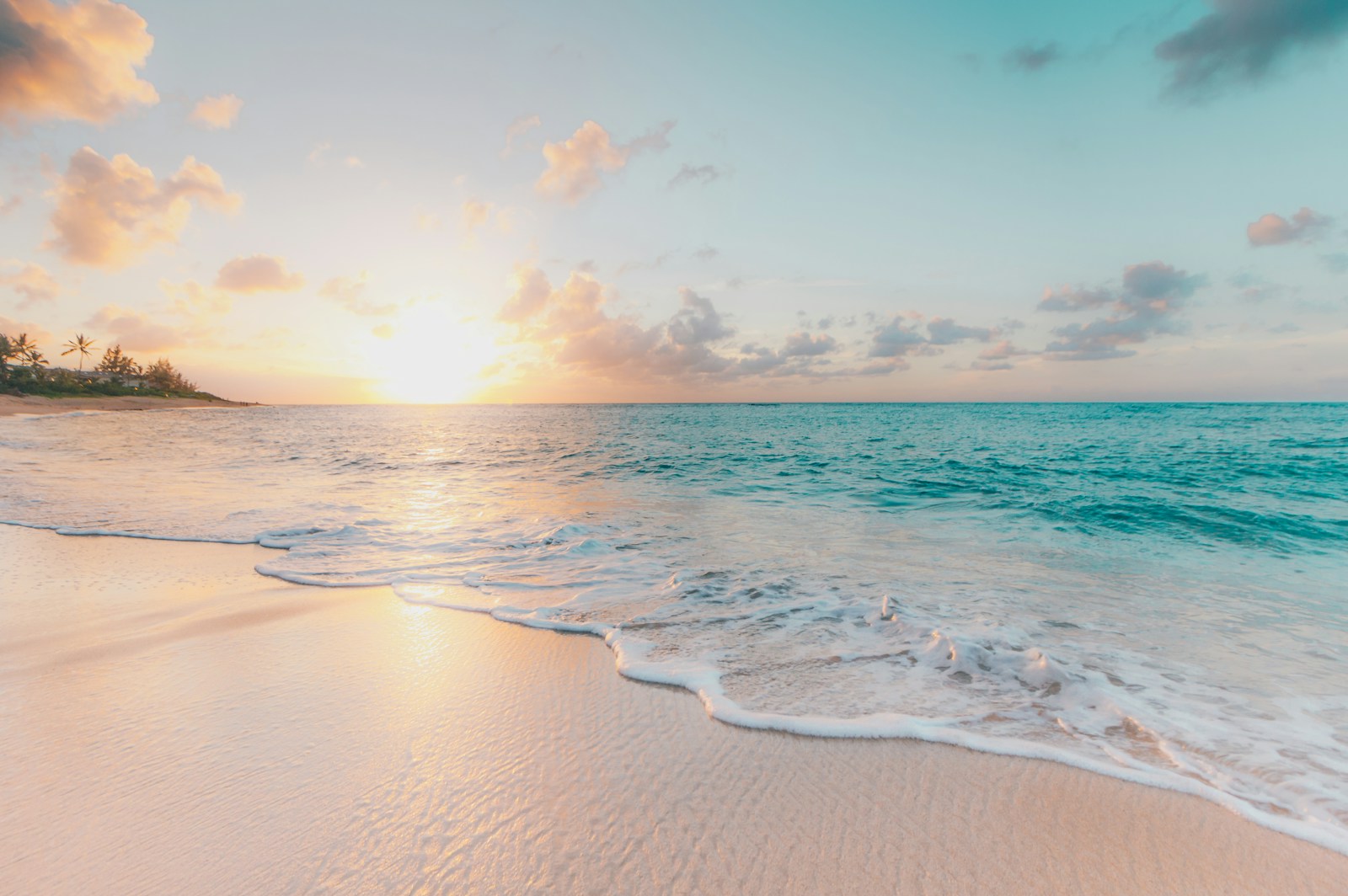
Porto Torres is the natural base for exploring the Parco Nazionale dell'Asinara, a former penal colony island that was converted into a national park in 1997. The island, visible offshore to the northwest, preserves a Mediterranean landscape of macchia, granite headlands, and pristine beaches inhabited by a population of small white albino donkeys — the asinelli bianchi — that have become the park's emblem. Boat excursions from Porto Torres circle the island, with opportunities for swimming in crystal-clear coves and hiking the trails that once connected the penal colony's scattered buildings. The coastal road west of Porto Torres leads to Stintino and the Spiaggia della Pelosa, consistently ranked among Italy's most beautiful beaches, where shallow turquoise water laps against white sand with the tower-topped island of Piana rising just offshore.
Porto Torres' commercial port can accommodate cruise ships alongside the quay, with the Roman archaeological site and the Basilica di San Gavino within walking distance. The best time to visit is from May through October, when the Mediterranean climate delivers warm, dry conditions ideal for combining archaeological exploration with beach visits and island excursions. June and September offer the most comfortable temperatures for walking the archaeological sites, while July and August bring the full Sardinian summer experience — warm seas, crowded beaches, and the festivals that animate every town on the island.

