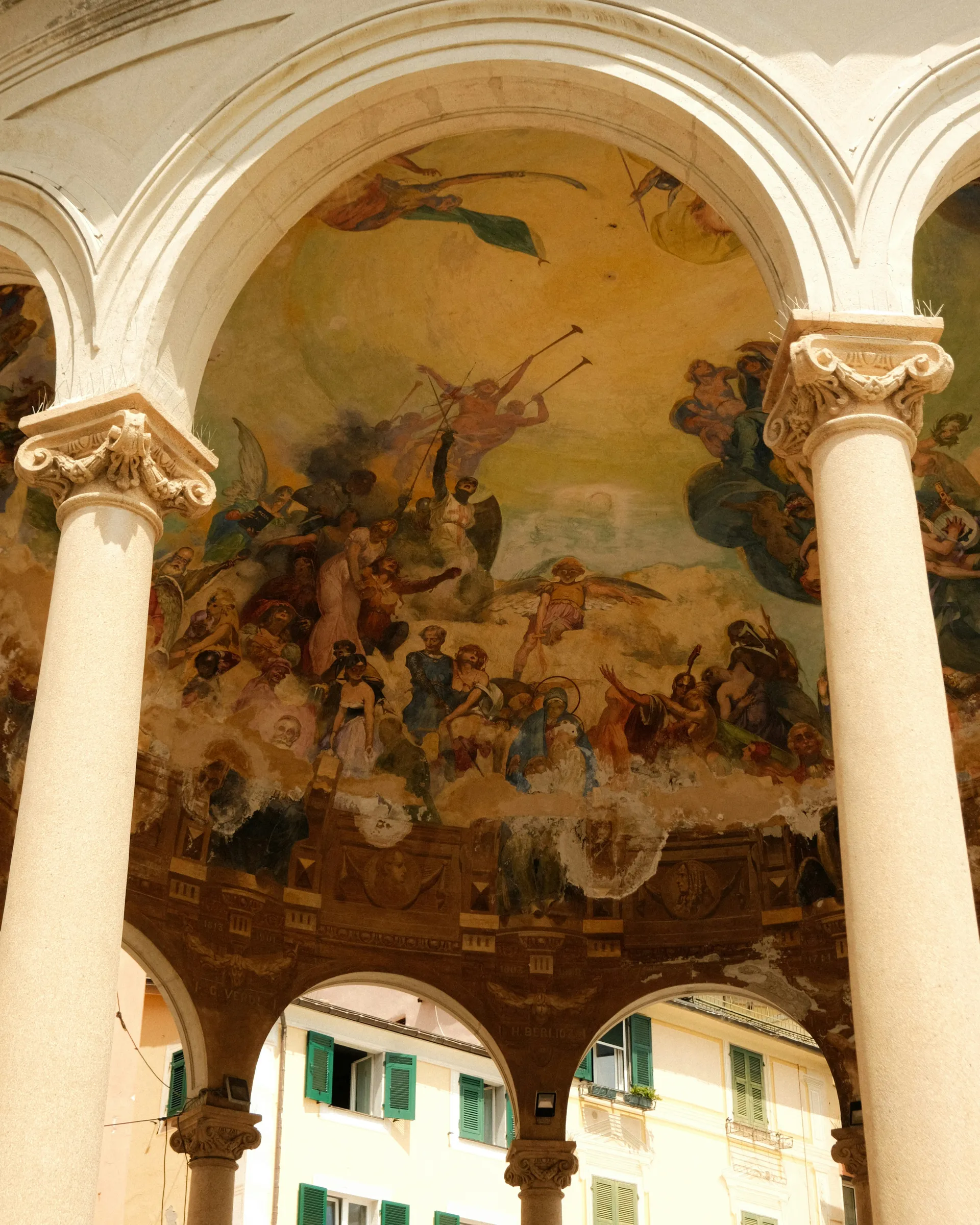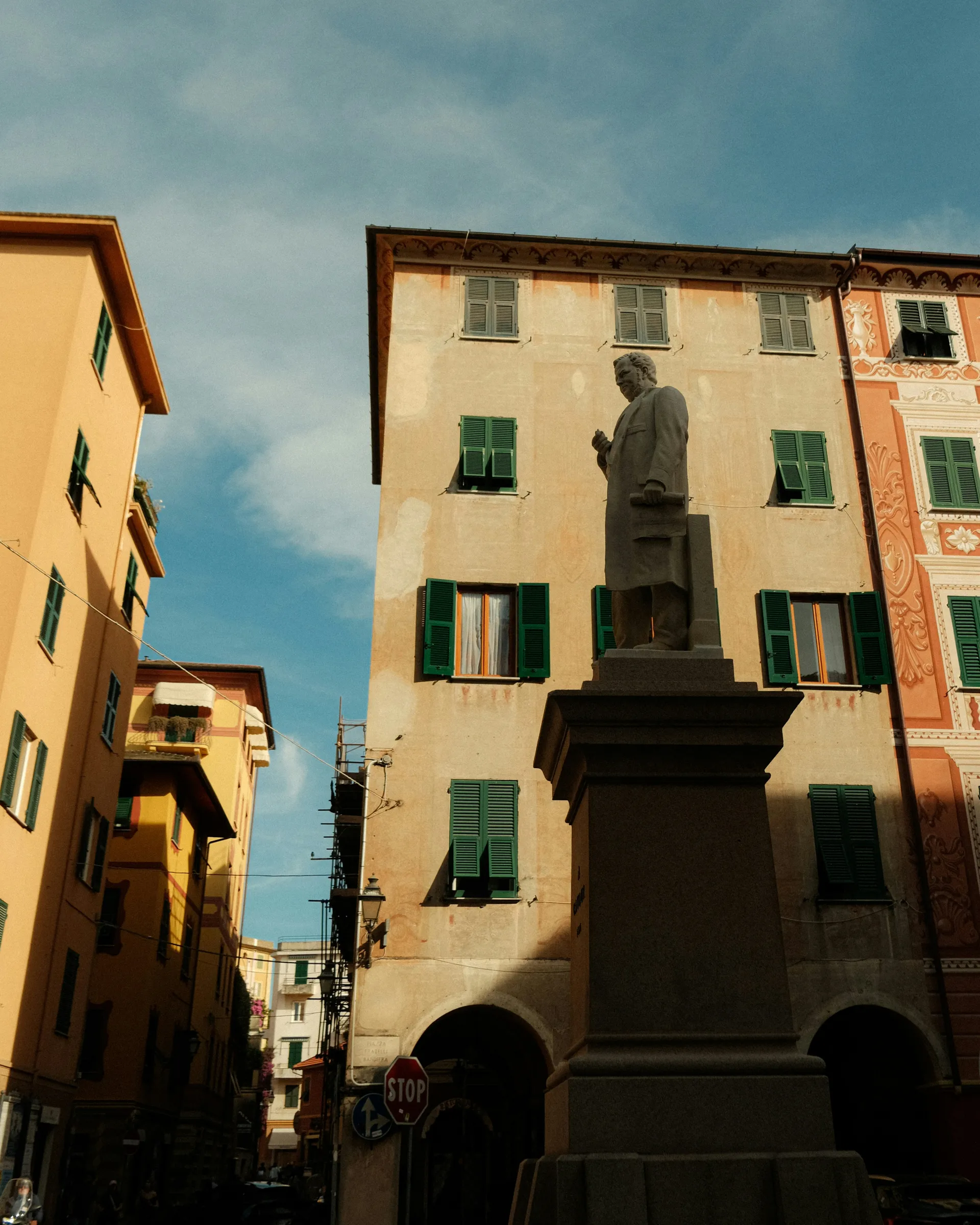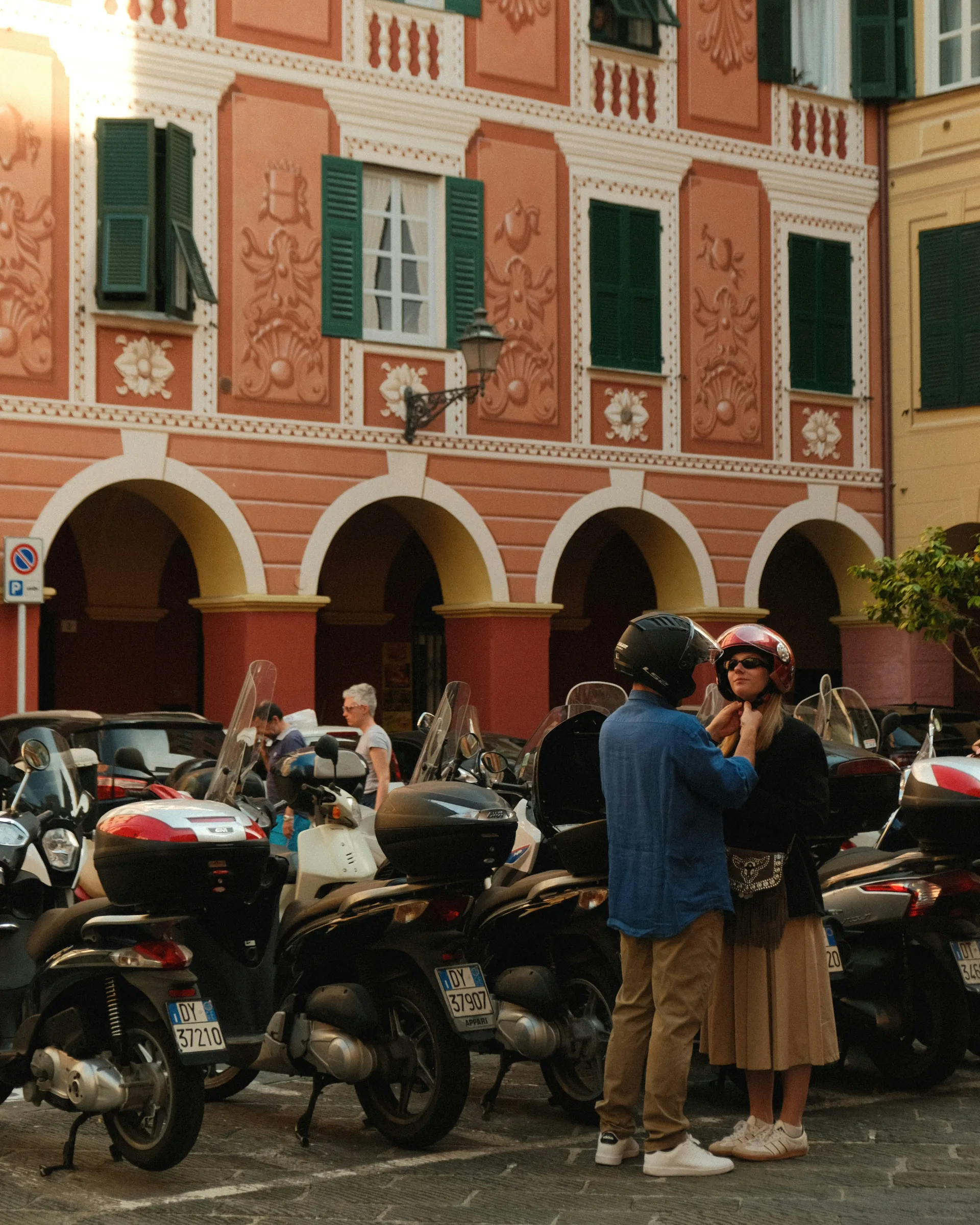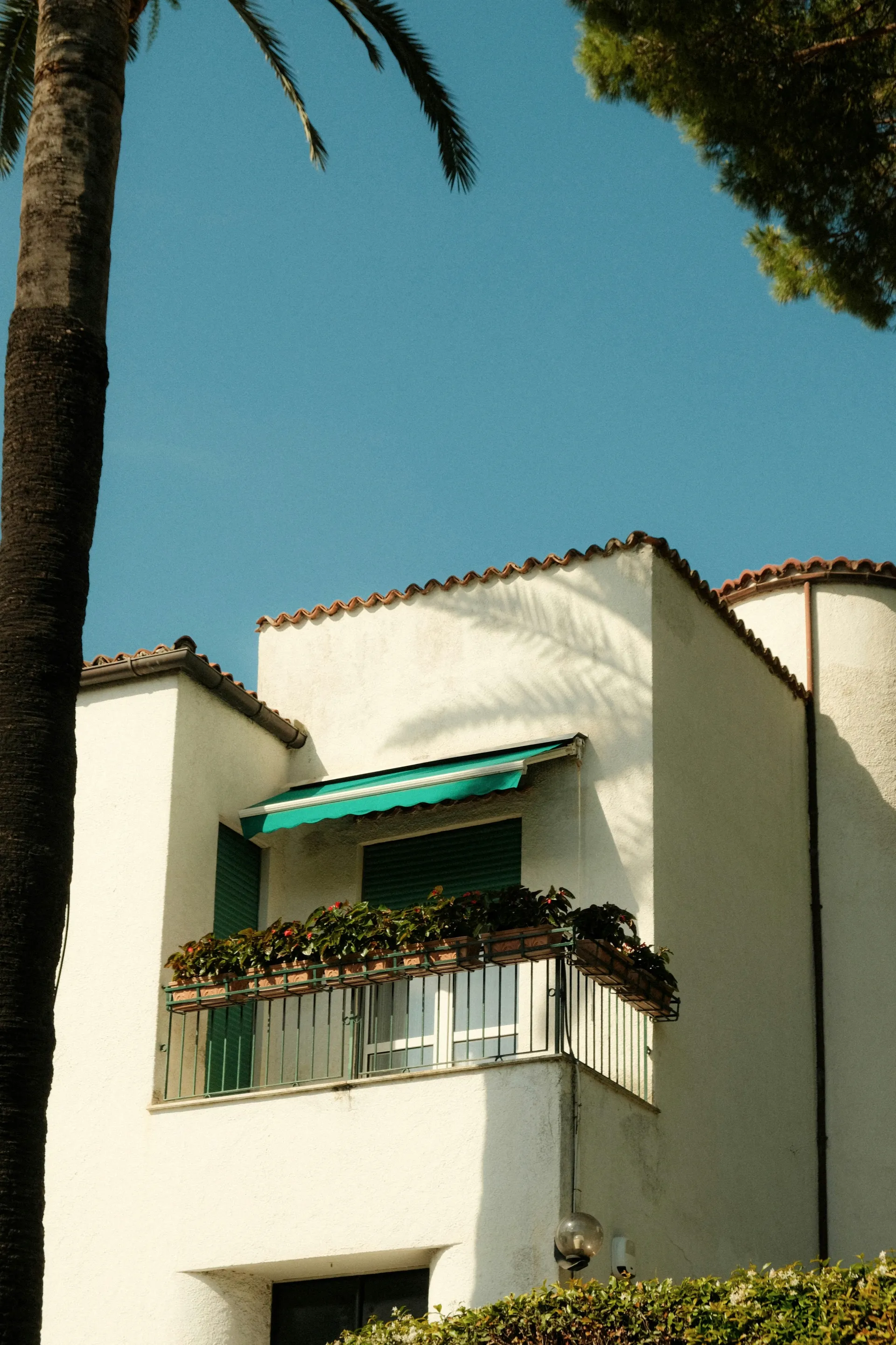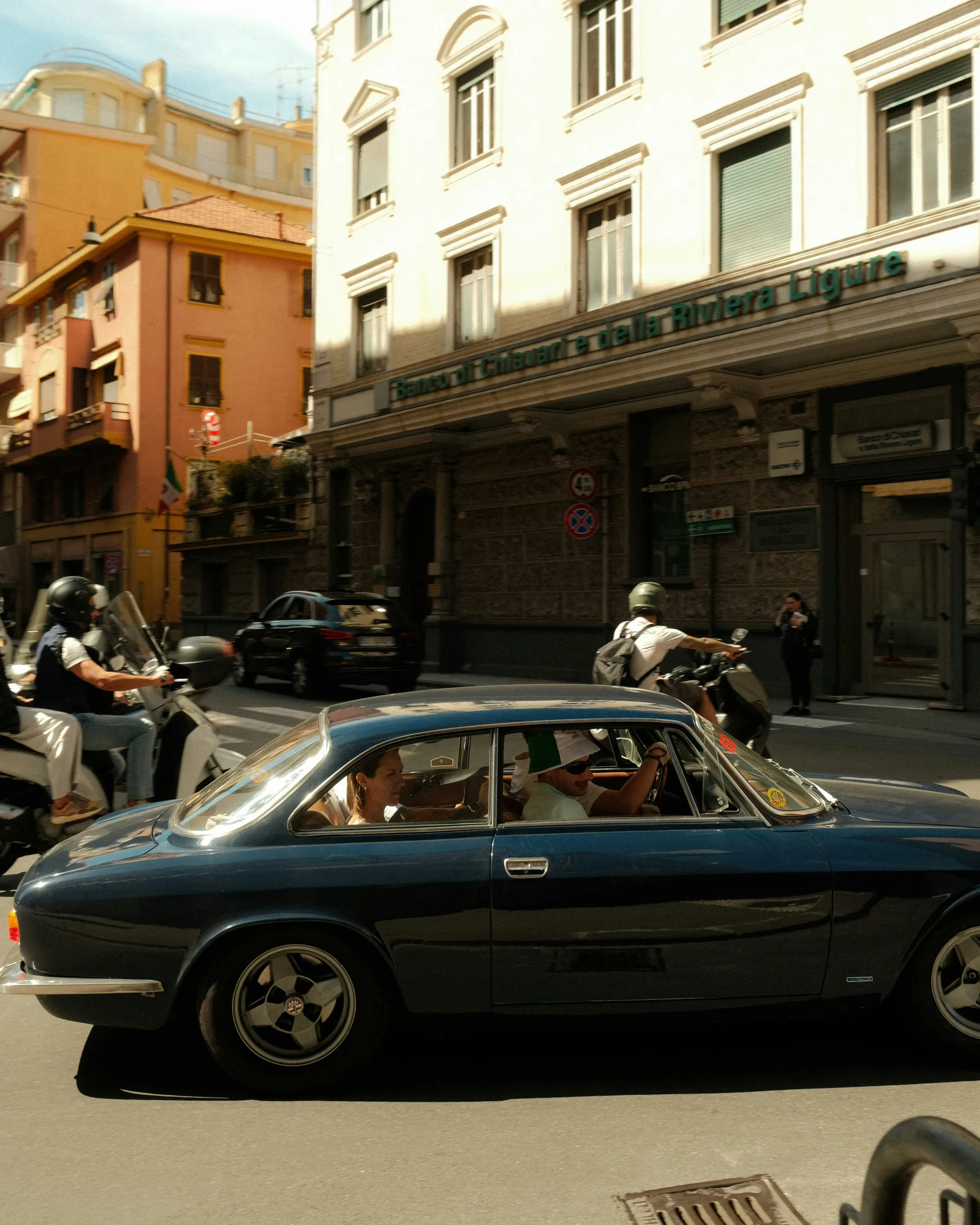
On the eastern curve of the Gulf of Tigullio, where the Italian Riviera di Levante begins its dramatic ascent toward the Cinque Terre, Rapallo has been drawing writers, artists, and discerning travellers since the Grand Tour made the Ligurian coast fashionable in the 18th century. Ezra Pound wrote his Cantos here; Max Beerbohm spent decades in a villa above the bay; and the 1920 Treaty of Rapallo, signed in this unlikely diplomatic setting, redrew the border between Italy and the newly formed Kingdom of Yugoslavia. The town's combination of mild microclimate, waterfront elegance, and easy access to the Portofino peninsula has sustained its appeal across two centuries of changing taste.
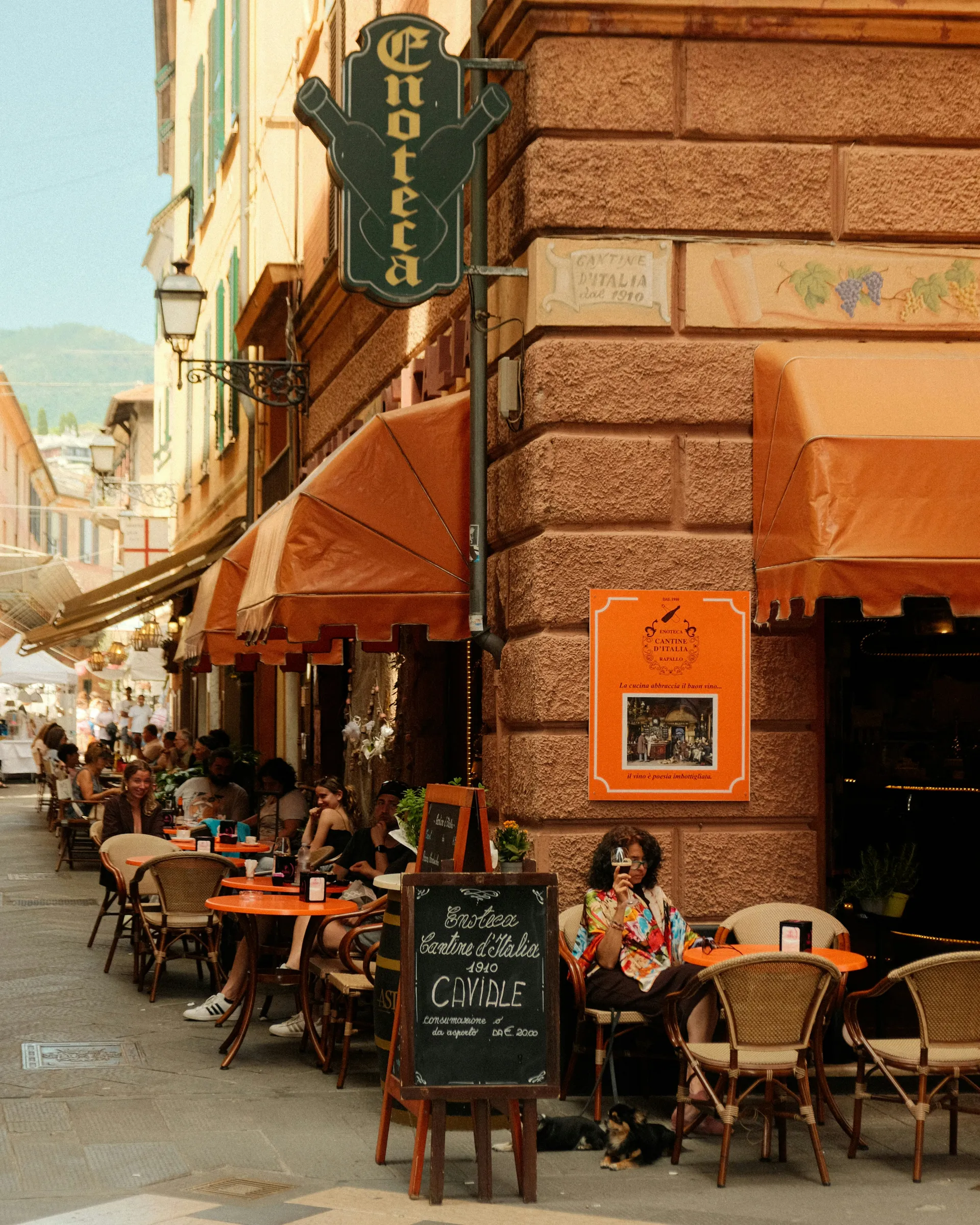
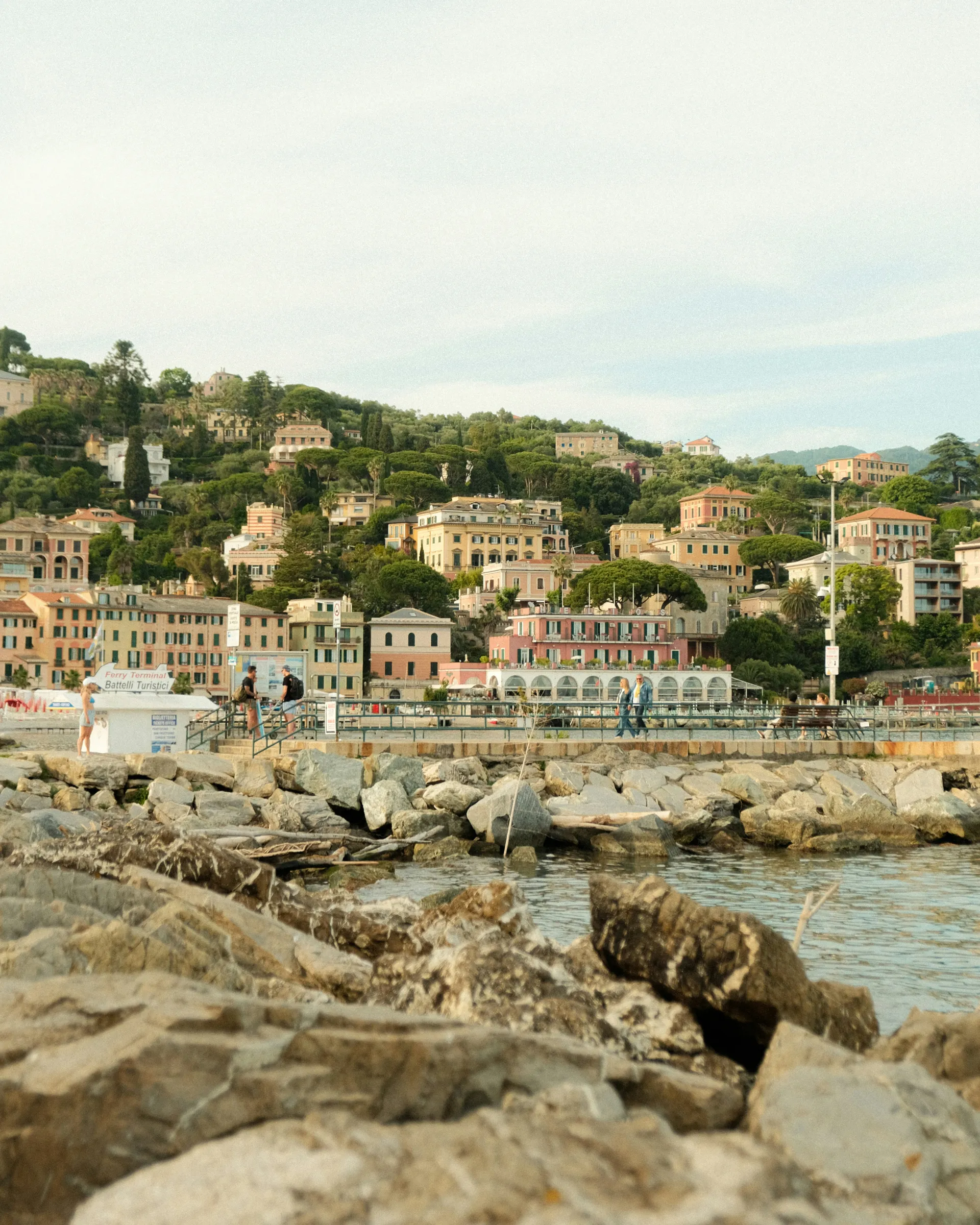
The Rapallo waterfront — the Lungomare Vittorio Veneto — is one of the most pleasant seaside promenades on the Italian Riviera. Lined with palm trees, Art Nouveau hotels, and pastel-painted buildings whose ground-floor cafes spill onto the pavement, it curves around the bay toward the Castello sul Mare, a 16th-century fortress built on a promontory to defend against Barbary pirates. The Thursday market, one of the largest weekly markets in Liguria, fills the town centre with stalls selling focaccia di Recco (an almost impossibly thin, cheese-filled flatbread that is the region's supreme snack), local pesto made with Genovese basil, and the trofie pasta that is its natural partner. The cable car from the town centre climbs to the Santuario di Montallegro, a pilgrimage church at 612 metres, where the panorama sweeps from the Apuan Alps to the Corsican coast.
Ligurian cuisine, centred on pesto, fresh seafood, and the garden vegetables that grow in terraced gardens along the coast, reaches particular refinement in Rapallo and its environs. Pesto alla genovese — basil, pine nuts, Parmigiano, pecorino, garlic, and Ligurian olive oil ground in a marble mortar — is served with trofie or trenette pasta and boiled potatoes and green beans, a combination that sounds improbable and tastes transcendent. Fritto misto di mare, a light, crisp fry of calamari, shrimp, and small fish, is the essential seaside lunch, accompanied by a cold glass of Vermentino from the hillside vineyards of the Riviera di Levante. Focaccia, in its many Ligurian variations — with onions, with cheese, with olives, or simply with olive oil and sea salt — is consumed at every meal and between them.
The Portofino peninsula, extending south from Rapallo, is one of the most celebrated stretches of coastline in the Mediterranean. The village of Portofino itself — a crescent of candy-coloured houses around a tiny harbour, backed by a hillside of umbrella pines and terraced gardens — is a 20-minute boat ride from Rapallo and remains one of Italy's most iconic images despite (or perhaps because of) its miniature scale. The Parco Naturale Regionale di Portofino protects the peninsula's forests, coastal paths, and the marine reserve of the southern shore, where diving and snorkelling reveal coral, grouper, and the underwater caves that punctuate the rocky coastline. The Abbey of San Fruttuoso, accessible only by boat or hiking trail, sits in a sheltered cove with a bronze Christ of the Abyss statue submerged offshore.
Rapallo is visited by APT Cruising and Scenic Ocean Cruises on Mediterranean itineraries, with ships anchoring in the Gulf of Tigullio. The most enjoyable visiting season is April through October, with May and September offering warm weather, manageable crowds, and the quality of Mediterranean light that has drawn artists to this coast for centuries.