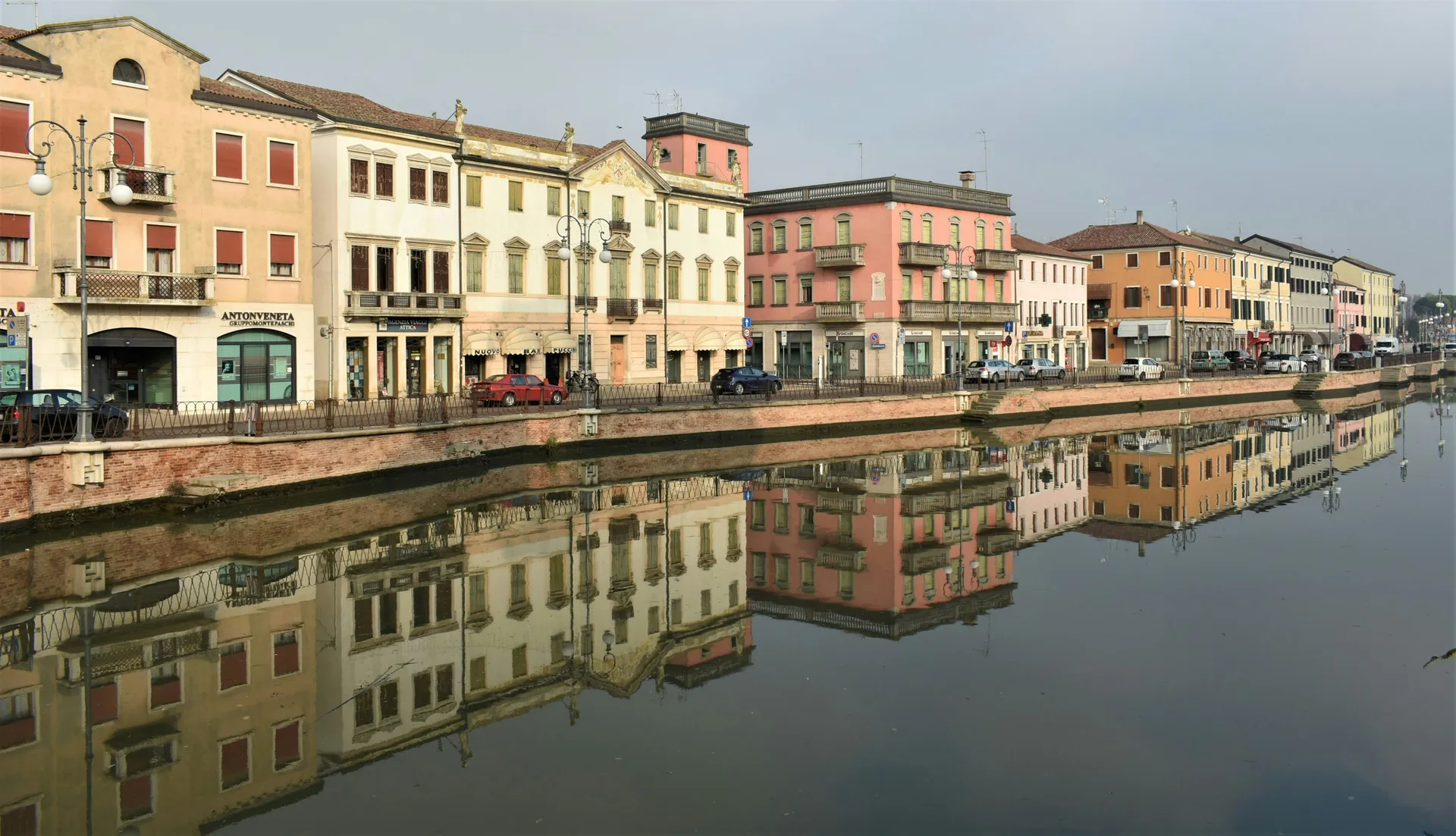
In the low-lying Veneto plain between Padua and Ferrara, where the Po and Adige rivers wind through a landscape of flat, fertile farmland toward the Adriatic, Rovigo occupies a position of agricultural abundance and cultural modesty that keeps it well below the radar of most Italian tourism. This provincial capital of 52,000, hemmed between two of Italy's greatest rivers, has been continuously inhabited since at least the Roman period, and its compact historic centre preserves a quietly distinguished collection of Renaissance and Baroque architecture that rewards the unhurried visitor.
The Piazza Vittorio Emanuele II, Rovigo's main square, provides a gracious introduction to the city's understated character. Flanked by arcaded palazzi and animated by café tables, the piazza embodies the Italian tradition of urban living — the passeggiata, the aperitivo, the unhurried conversation — without the tourist infrastructure that transforms similar spaces in Venice or Verona into performance venues. The Accademia dei Concordi, housed in a neoclassical palace, contains an art collection of genuine distinction: works by Bellini, Palma il Vecchio, and Tiepolo hang in galleries that you may have entirely to yourself.
Rovigo's cuisine is the food of the Po plain — rich, carbohydrate-embracing, and built on ingredients drawn from one of the most fertile agricultural regions in Europe. Risotto dominates: risotto al radicchio, made with the bitter red chicory that is the Veneto's signature vegetable; risotto with pumpkin; risotto with asparagus from the spring harvest. Bigoli — thick, rough-textured spaghetti — are served with duck ragù or anchovy and onion sauce. The local salumi, particularly bondola (a pork sausage) and soppressa, demonstrate the cured-meat artistry of the lower Veneto. Wines from the nearby Colli Euganei hills provide excellent value.
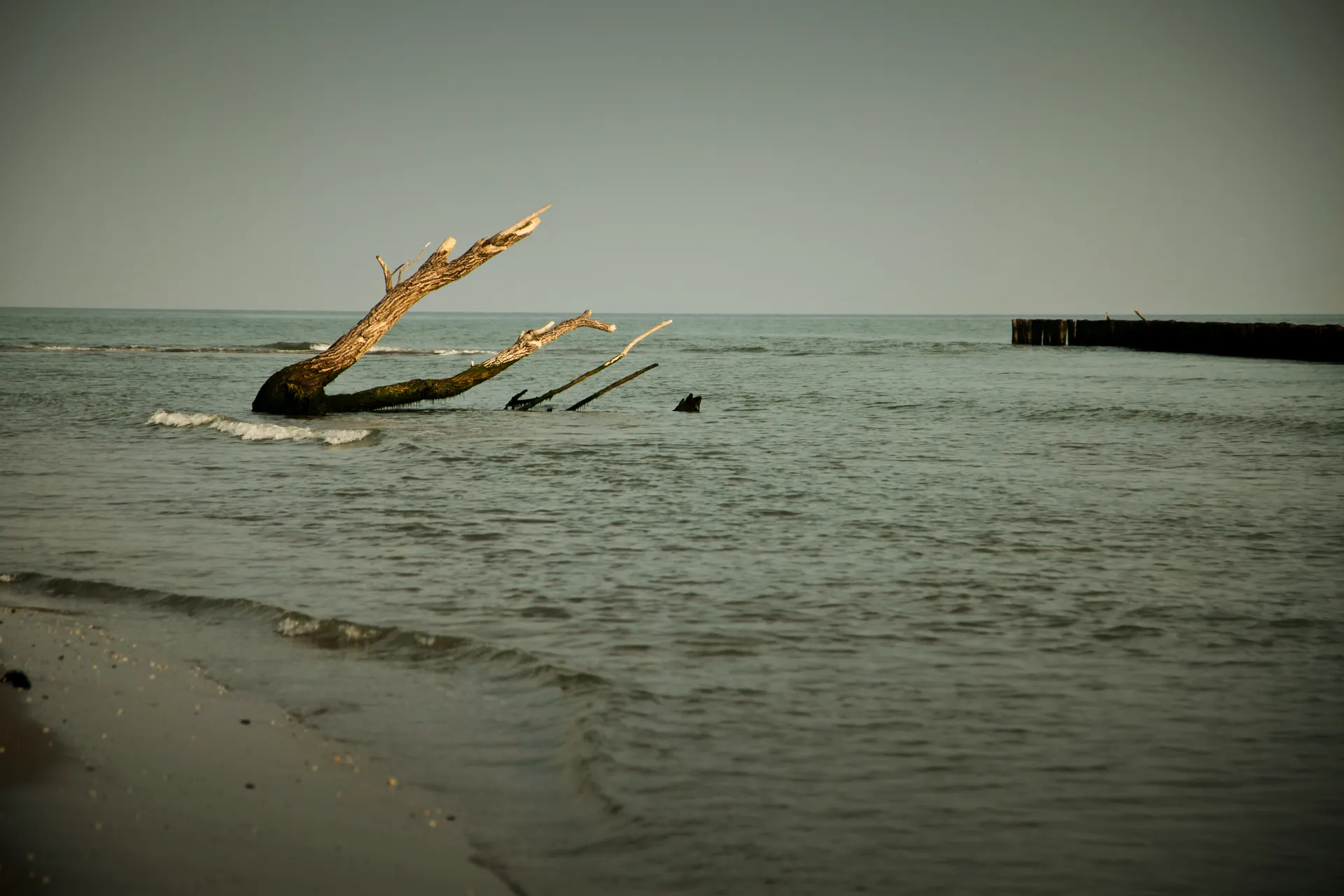
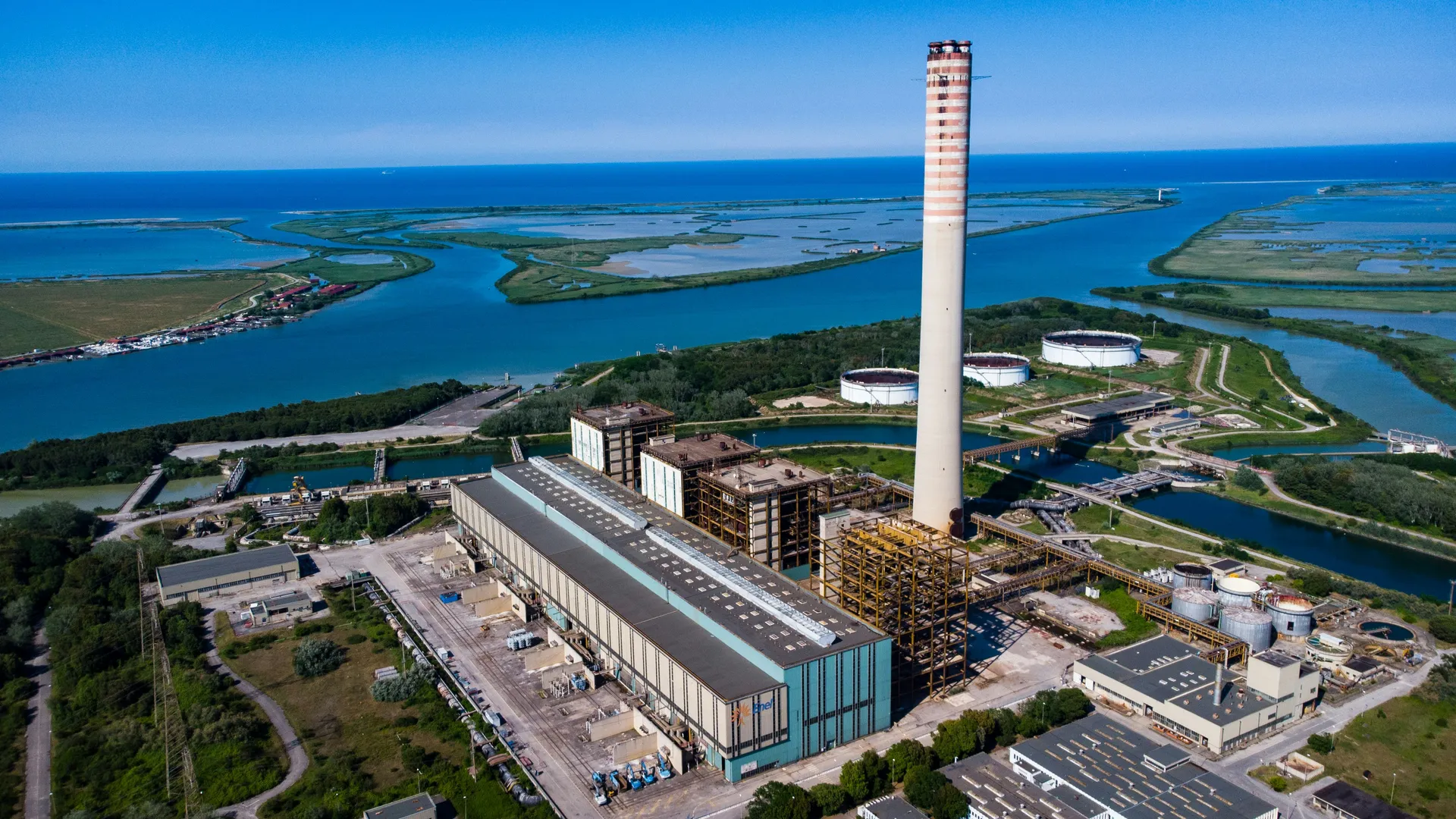
The Po Delta, accessible from Rovigo, constitutes one of Europe's most important wetland ecosystems. This vast river delta, now a Regional Park and UNESCO Biosphere Reserve, extends over 400 square kilometres of marshes, lagoons, sandbars, and reed beds that support extraordinary bird populations — including breeding colonies of flamingos, spoonbills, and various heron species. Boat excursions through the delta's labyrinthine channels provide intimate access to this amphibious landscape, where the boundary between land and water seems perpetually negotiable.
Rovigo is easily reached by train from Venice (approximately one hour), Padua (40 minutes), or Bologna (one hour). River cruise itineraries on the Po sometimes include Rovigo as a port of call. The city is pleasant year-round, though spring (April-May) and autumn (September-October) offer the most comfortable temperatures and the best conditions for Po Delta birdwatching. The absence of tourist crowds — Rovigo's greatest luxury — is a constant regardless of season.