Sardinia's story is written in stone — literally. The island's enigmatic nuraghi, conical bronze-age towers numbering over seven thousand, date as far back as 1900 BCE and remain among the most mysterious megalithic structures in the Mediterranean. Conquered in turn by Phoenicians, Carthaginians, Romans, and the Crown of Aragon, Sardinia absorbed each civilization's imprint while fiercely preserving its own identity, culminating in the autonomous region it remains within modern Italy. Few places in Europe carry such layered antiquity so lightly, wearing millennia of history the way the island wears its wild rosemary — effortlessly, and everywhere.
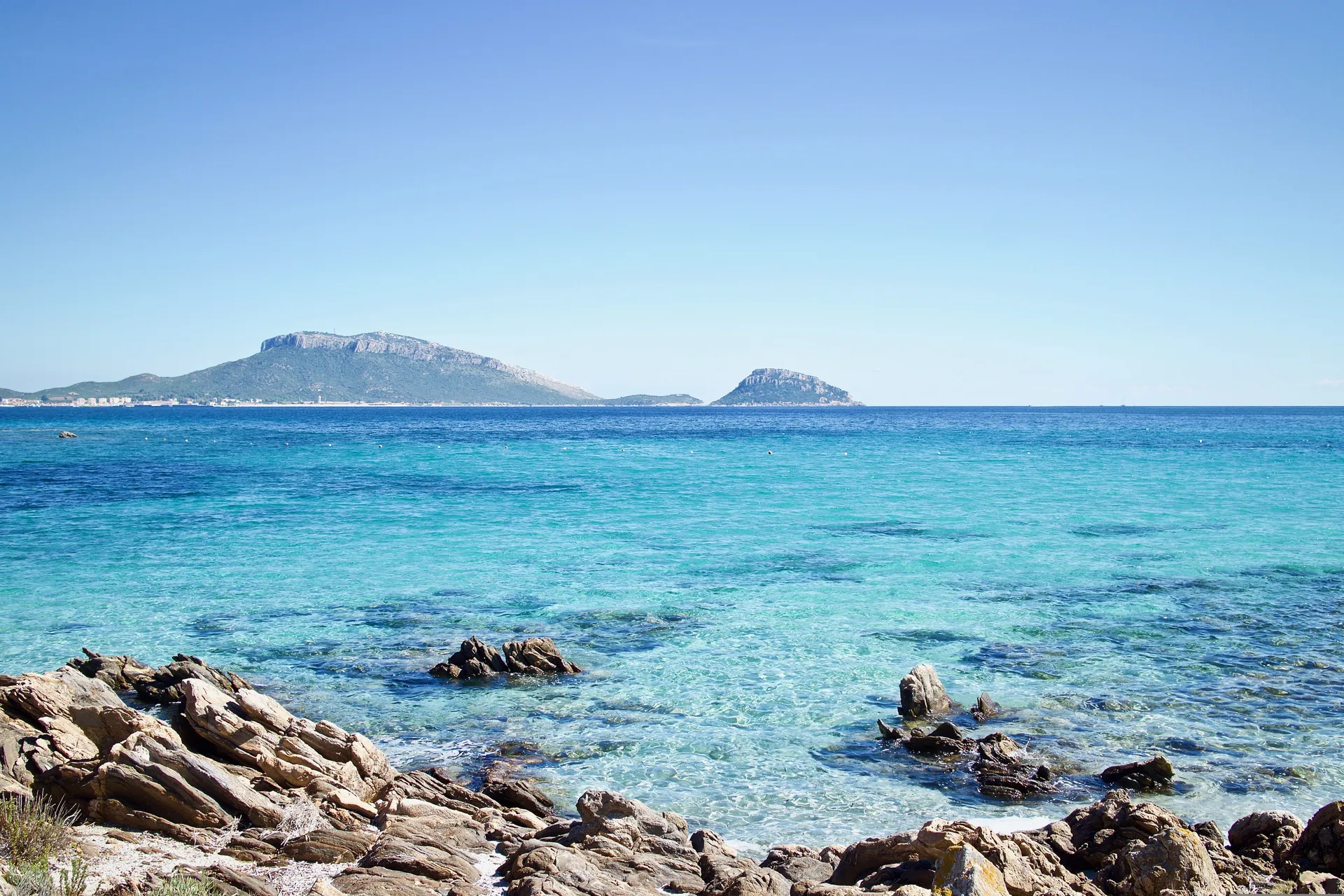
To arrive by sea is to understand why ancient mariners coveted this coast. The water surrounding Sardinia achieves a luminosity that seems almost theatrical — gradients of jade, turquoise, and sapphire shifting with the sandy shallows beneath. The Costa Smeralda, developed in the 1960s by the Aga Khan as a retreat for the international elite, still radiates a particular glamour, its granite coves framed by wind-sculpted juniper trees. Yet Sardinia's true character lives beyond the manicured marinas: in the limestone cliffs of the Golfo di Orosei, accessible only by boat; in the silent cork-oak forests of the Gallura; in villages where elderly women still embroider traditional filigree shawls on their doorsteps each afternoon.
The island's cuisine is a revelation of stark, pastoral beauty. Begin with pane carasau, the paper-thin crisp flatbread shepherds once carried into the mountains for weeks, now served drizzled with olive oil and flaked sea salt at the finest tables. Culurgiones — hand-pinched pasta parcels filled with potato, pecorino, and fresh mint — arrive sealed with an intricate wheat-ear fold that varies from village to village, each pattern a signature of its maker. The suckling pig, porceddu, slow-roasted over aromatic myrtle and juniper wood until the skin shatters like glass, remains the island's most celebratory dish. Pair it with a Cannonau from the Mamoiada hills — Sardinia's indigenous red grape, rich in antioxidants and said by some researchers to be one secret behind the island's extraordinary concentration of centenarians in the Blue Zone.
From Sardinia's shores, the wider Tyrrhenian reveals itself in a chain of compelling detours. Cagliari, the island's own capital perched on seven limestone hills in the south, rewards a full day with its Castello quarter, Punic necropolis, and the flamingo-dotted salt flats of Molentargius. Sail northeast and Portoferraio on Elba appears — Napoleon's miniature kingdom, its Medici fortifications glowing amber at sunset. The Italian mainland offers quieter counterpoints: the thermal calm of Candeli nestled in the Florentine hills, or the lagoon-laced solitude of Porto Viro where the Po Delta dissolves into the Adriatic through a maze of reed beds and migratory bird sanctuaries. Each destination provides a distinct register of Italian life, from imperial drama to marshland serenity.
Royal Caribbean positions Sardinia as a crown jewel within its Western Mediterranean itineraries, typically calling at Olbia on the northeast coast, the natural gateway to the Costa Smeralda. Their larger vessels anchor offshore with tender service to the port, granting passengers an experience that feels almost cinematic — approaching the island across open water with Sardinia's mountainous spine rising ahead. Shore excursions range from catamaran sails through the La Maddalena archipelago to vineyard tours in the Gallura wine country, though the most memorable option may be the simplest: a private transfer to a secluded beach where the only company is the sound of waves meeting granite.
What distinguishes Sardinia from every other Mediterranean island is its refusal to be merely beautiful. There is a wildness here, an ancestral stubbornness encoded in the landscape and the people alike. The Sardinian language, Sardo, is not an Italian dialect but a distinct Romance tongue closer to Latin than any other living language. Murals cover the walls of Orgosolo depicting political resistance. Shepherds still practice transhumance in the Gennargentu mountains. This is an island where luxury exists not in spite of ruggedness but because of it — where the most exclusive experience available is authenticity itself, undiluted and unapologetic.

