Where the limestone cliffs of the Sorrentine Peninsula plunge into the Tyrrhenian Sea, a town of extraordinary grace has presided over the Bay of Naples since the ancient Greeks first established it as Surrentum in the seventh century BCE. Homer placed the Sirens here — those mythic songstresses whose voices lured sailors toward these very shores — and centuries later, the Roman emperor Augustus so cherished the settlement that he exchanged the larger island of Ischia with the Neapolitans simply to possess Capri, visible just across the strait. By the Grand Tour era, Sorrento had become an essential pilgrimage for European aristocracy: Goethe composed verses in its gardens, Nietzsche found philosophical clarity in its light, and Enrico Caruso, born in nearby Naples, returned season after season to sing beneath its terraced lemon groves.
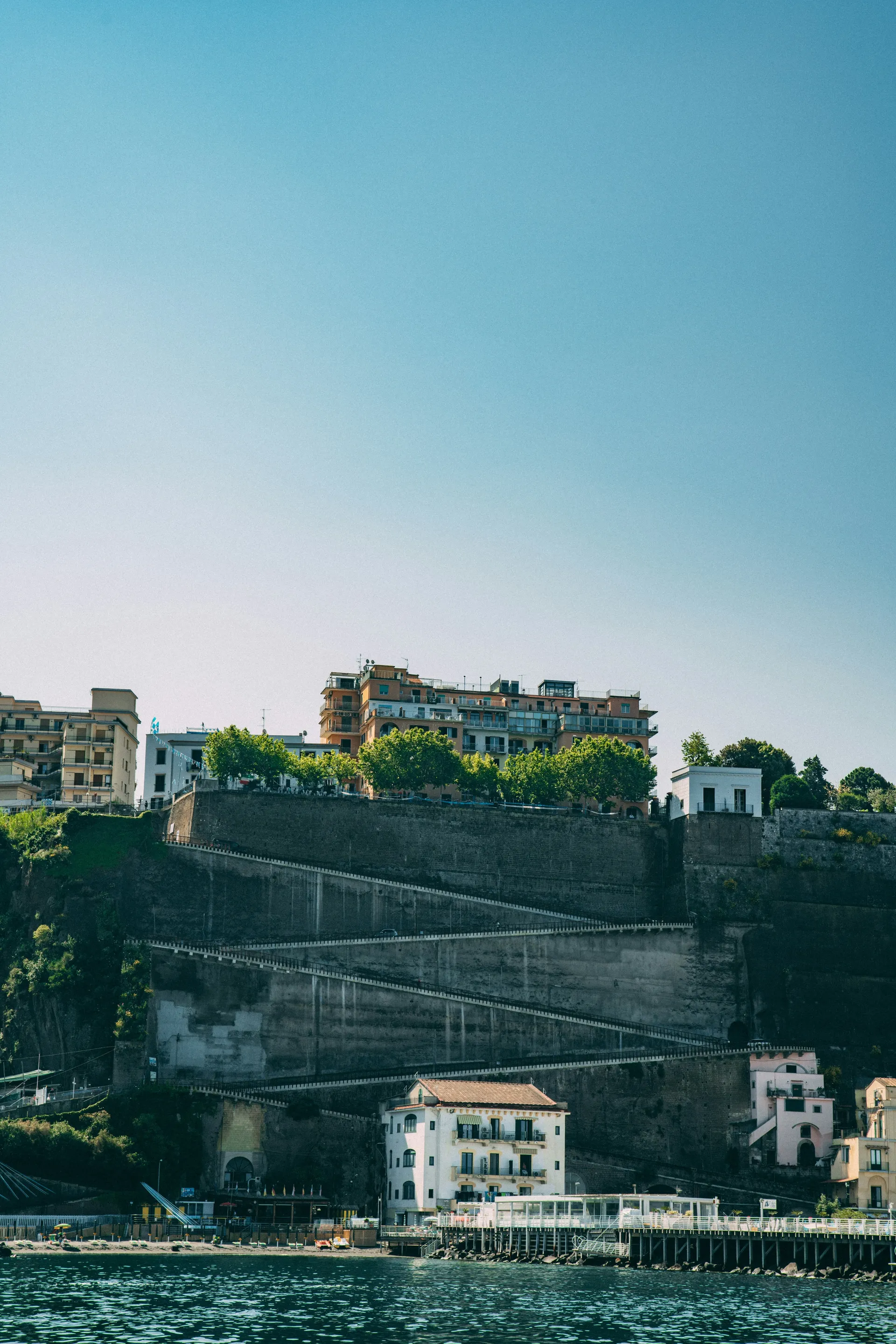
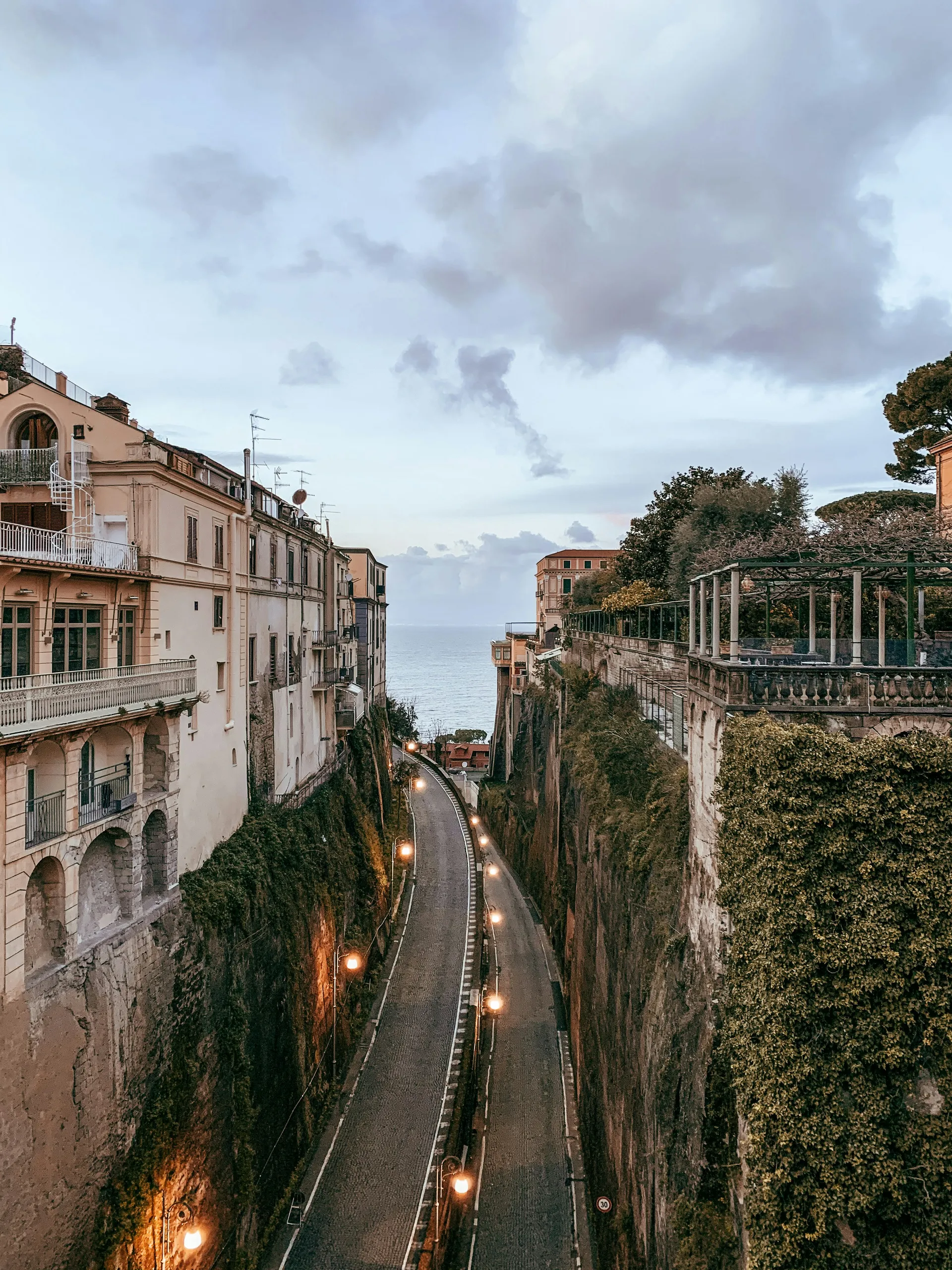
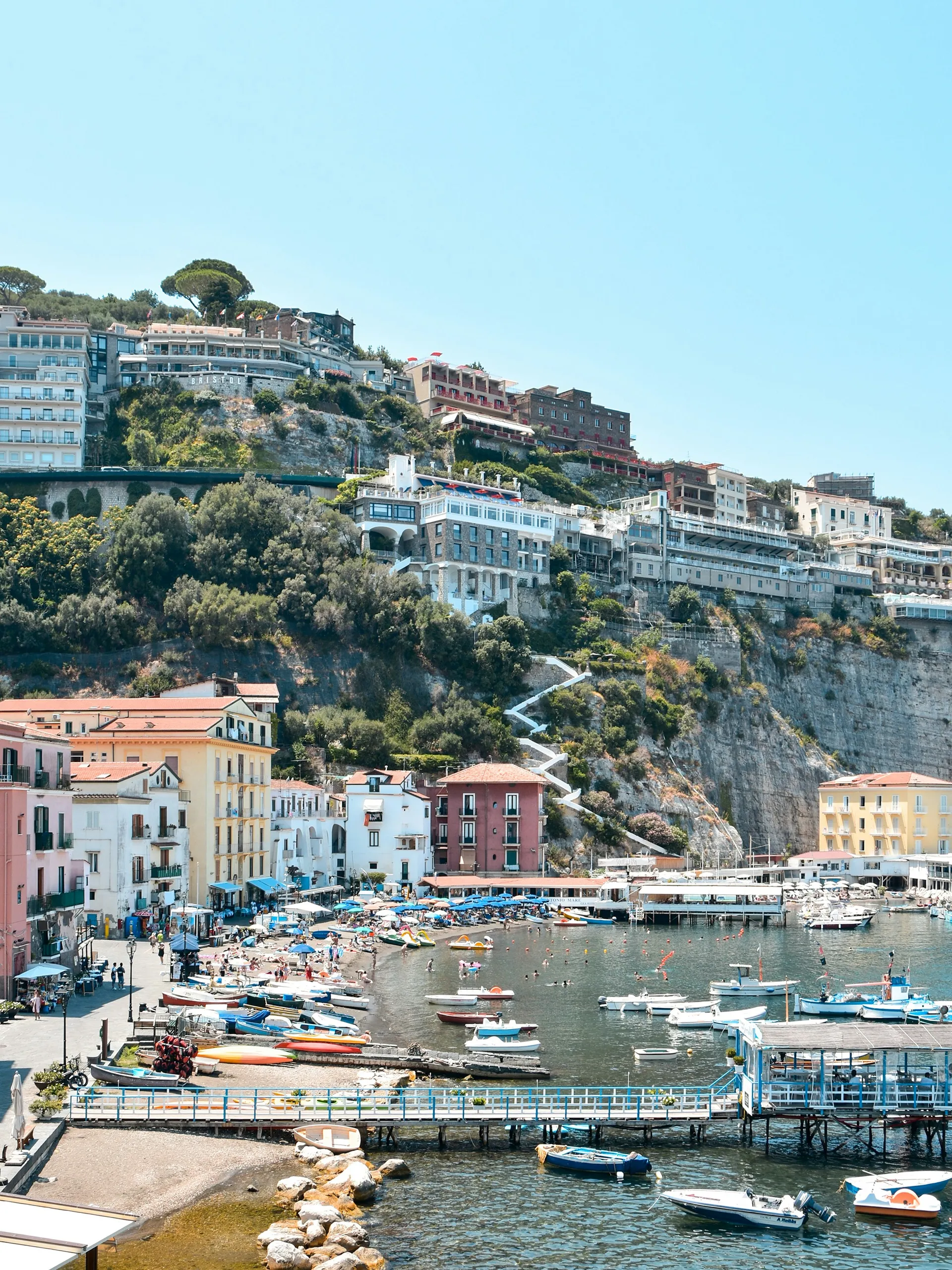
Approaching from the water, Sorrento reveals itself as a city built on drama — a tableau of pastel-washed palazzi balanced along a tufa cliff face that drops sixty meters to the marina below. The old quarter, centered around Piazza Tasso, unfolds in a lattice of narrow lanes where artisan workshops specializing in intarsia — the intricate inlaid woodwork that has been Sorrento's signature craft since the fourteenth century — sit alongside centuries-old ceramic studios glazed in the blues and yellows of the Campanian coast. In the early evening, when the day-trippers have departed and the fishermen's lanterns begin to dot Marina Grande, the town assumes a quieter elegance: the scent of jasmine mingles with sea air, church bells mark the hour across terracotta rooftops, and the silhouette of Vesuvius across the bay turns from grey to violet to black.
To eat in Sorrento is to understand why Campanians speak of their cuisine as an act of devotion. Begin with gnocchi alla sorrentina — pillowy potato dumplings draped in tomato sauce, torn mozzarella di bufala, and fresh basil, baked until the cheese pulls in long, molten threads. Follow with totani e patate, a humble fisherman's stew of squid and potatoes slow-braised until they meld into something transcendent. The local lemons, those impossibly fragrant sfusato amalfitano, appear everywhere: in the bracing limoncello served ice-cold after dinner, in the delizia al limone — a cloud-like sponge cake soaked in lemon cream that every pasticceria claims to make best — and simply sliced into salads, their sweetness a revelation to anyone accustomed to the tart varieties found elsewhere. Pair it all with a glass of Falanghina from the volcanic slopes above, and the meal becomes a landscape rendered edible.
The Sorrentine Peninsula's position makes it an extraordinary gateway to some of the Mediterranean's most storied landscapes. The Amalfi Coast unfurls to the south in a succession of vertigo-inducing switchbacks connecting Positano, Ravello, and Amalfi itself, while Pompeii and Herculaneum lie a short train ride to the north, their excavated streets still bearing the ruts of Roman chariot wheels. For those with a wider itinerary, the Tuscan island of Portoferraio — where Napoleon spent his brief exile amid surprisingly refined surroundings — offers a compelling contrast in scale and spirit. Further afield, Cagliari crowns the southern tip of Sardinia with its Castello quarter and flamingo-dotted lagoons, a reminder that the Mediterranean's diversity extends well beyond the mainland.
Sorrento's compact Marina Piccola welcomes an impressive roster of boutique and luxury cruise lines, each drawn by the port's intimate scale and its proximity to southern Italy's greatest cultural treasures. Guests sailing with Explora Journeys or Oceania Cruises will find Sorrento a refined counterpoint to the larger ports of Naples and Civitavecchia, while Azamara's longer port stays allow for unhurried exploration of the Amalfi Drive or a private visit to a limoncello distillery. The wind-powered romance of Star Clippers and Windstar Cruises suits these waters perfectly — there is something undeniably poetic about approaching the Sirens' coast under sail. APT Cruising and Emerald Yacht Cruises round out the offerings, their smaller vessels threading into the bay with the kind of effortless access that larger ships simply cannot achieve. From April through October, when the Mediterranean light turns the cliff face to gold and the sea below to sapphire, Sorrento stands as persuasive evidence that some destinations do not merely meet expectations — they render them insufficient.