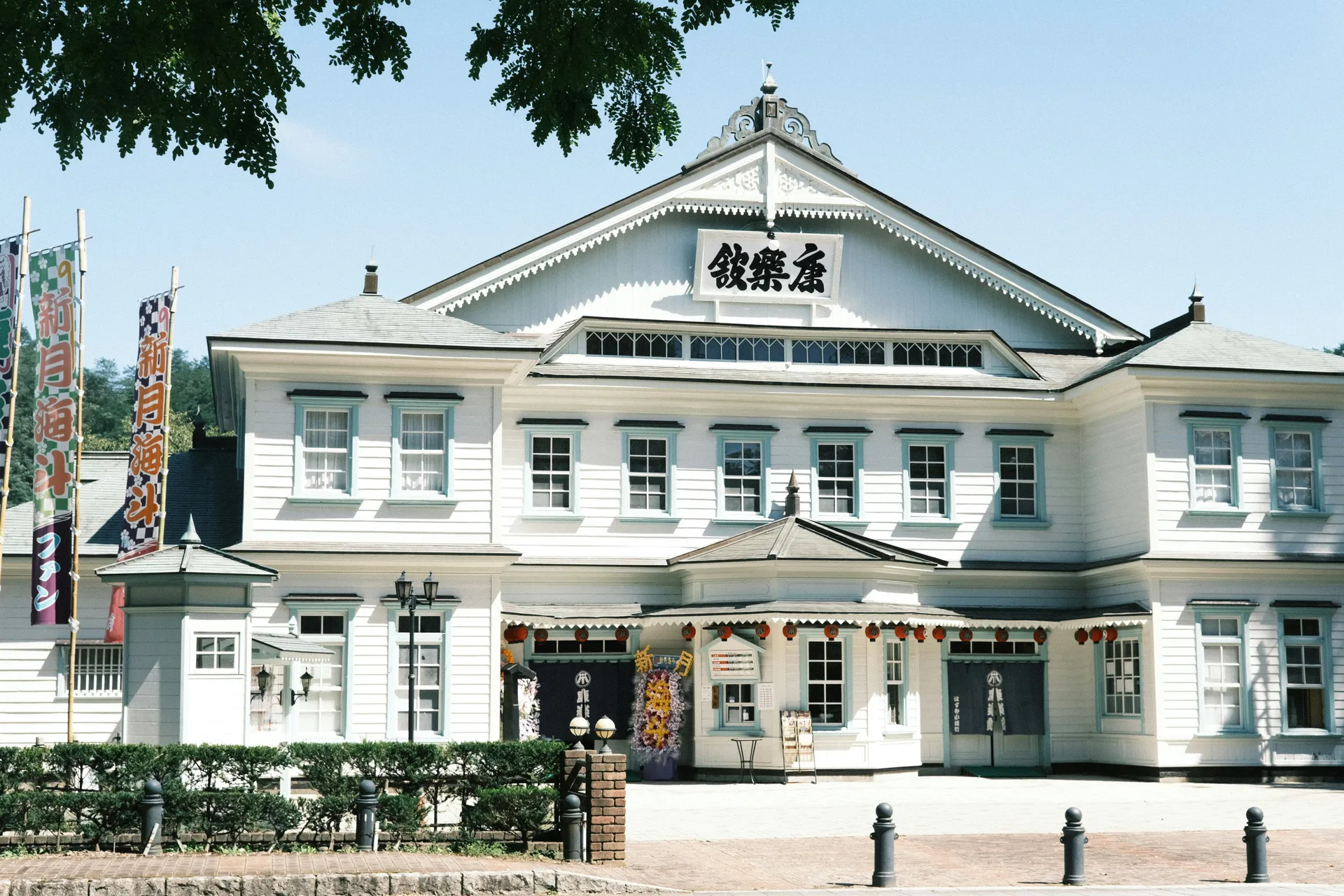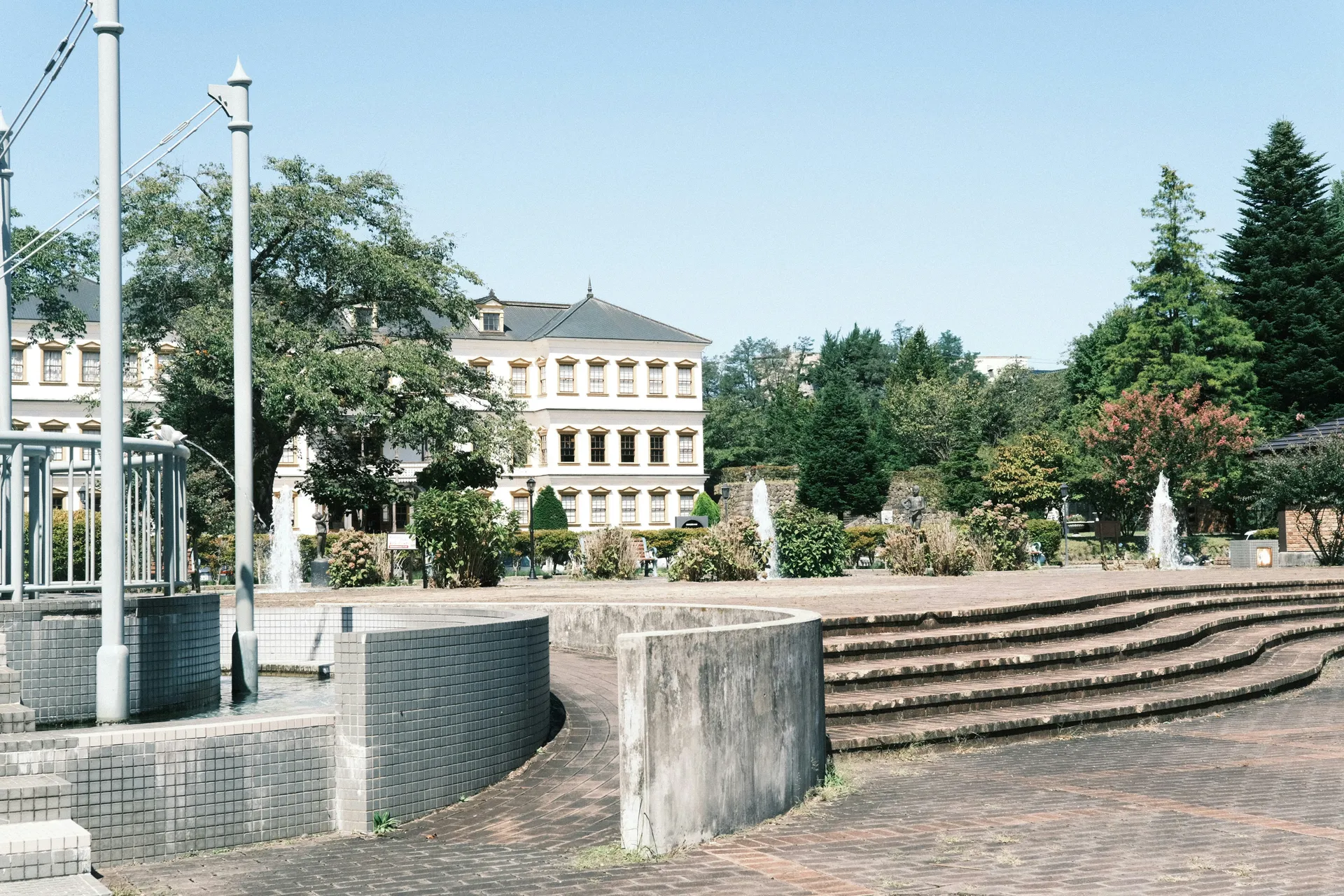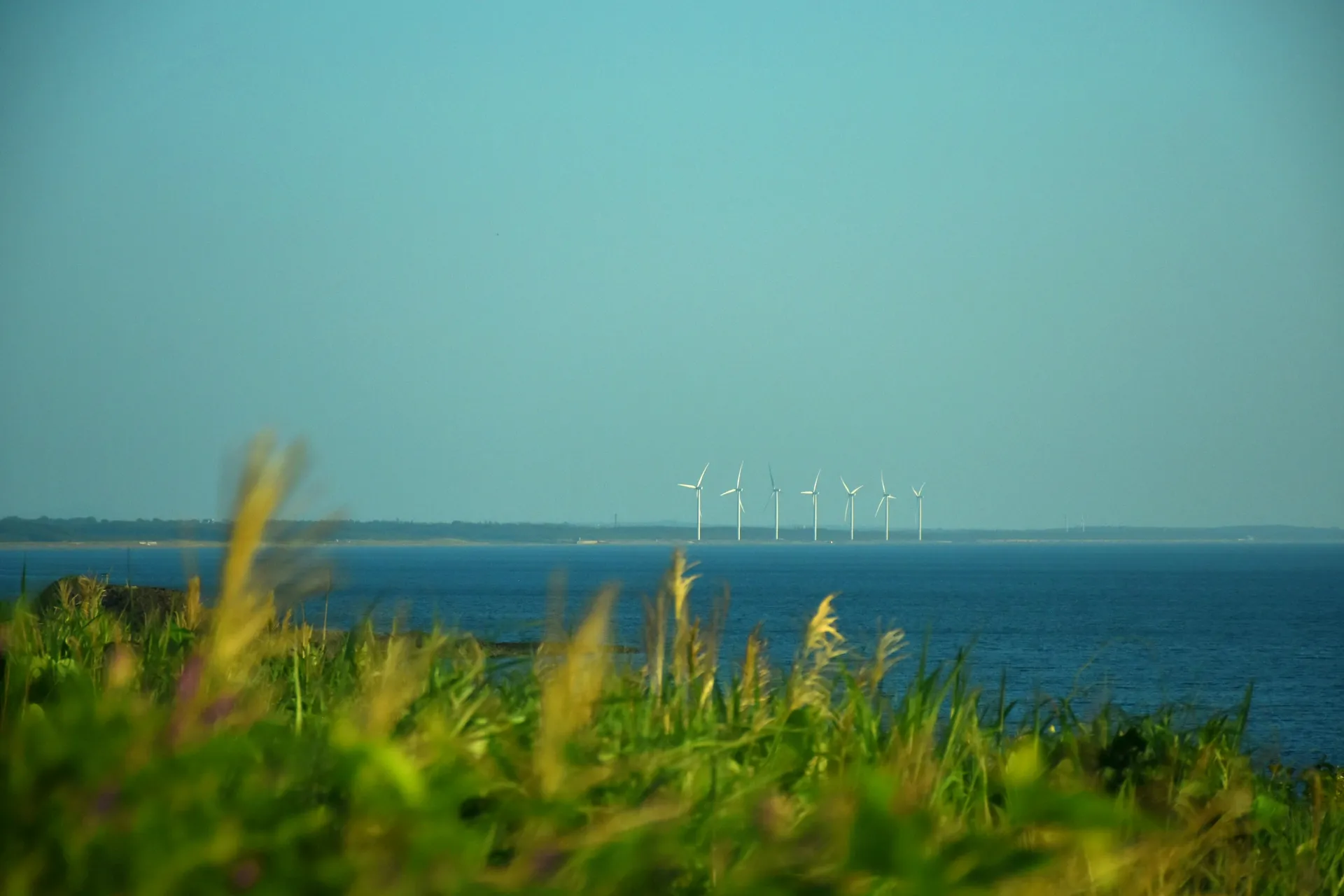
Akita, on the Sea of Japan coast of northern Honshu, is a prefecture and city that embodies the Japan visitors dream about but rarely find — a place where the rhythms of traditional life persist with an authenticity that more famous destinations have sacrificed to tourism. The Akita region produces some of the finest rice in Japan — Akitakomachi, a grain prized for its sweetness, lustre, and perfect texture — and the culture that has grown from this agricultural abundance is expressed in sake of exceptional quality, festivals of wild intensity, and a cuisine that celebrates the seasons with a devotion that borders on ritual.
The Kanto Festival, held each August, is Akita's great spectacle — and one of the most visually extraordinary festivals in Japan. Performers balance enormous bamboo poles festooned with 46 paper lanterns representing rice sheaves, the swaying structures reaching 12 metres in height and weighing 50 kilograms, balanced on foreheads, shoulders, and hips in feats of strength and dexterity that draw audiences of over a million to the city's central thoroughfare. The festival's origins lie in prayers for a bountiful harvest, and the sight of hundreds of illuminated kanto swaying against the August night sky — each pole a constellation of warm, golden light — remains one of the most magical images in Japanese festival culture.
Akita's food culture is among the most distinctive in Japan. Kiritanpo — cylinders of freshly pounded rice wrapped around cedar sticks and grilled over charcoal, then simmered in a rich chicken broth with seri (Japanese parsley), burdock root, and maitake mushrooms — is the prefecture's signature dish, a winter comfort food of sublime simplicity. Inaniwa udon, thin, flat noodles made by a laborious hand-stretching technique developed in the mountain village of Inaniwa during the Edo period, are considered one of Japan's three great udon traditions. Akita sake, brewed with the soft water of the Shirakami Mountains and local rice, produces some of the most refined nihonshu in the country — labels like Aramasa, Shinsei, and Takashimizu are sought after by connoisseurs across Japan.
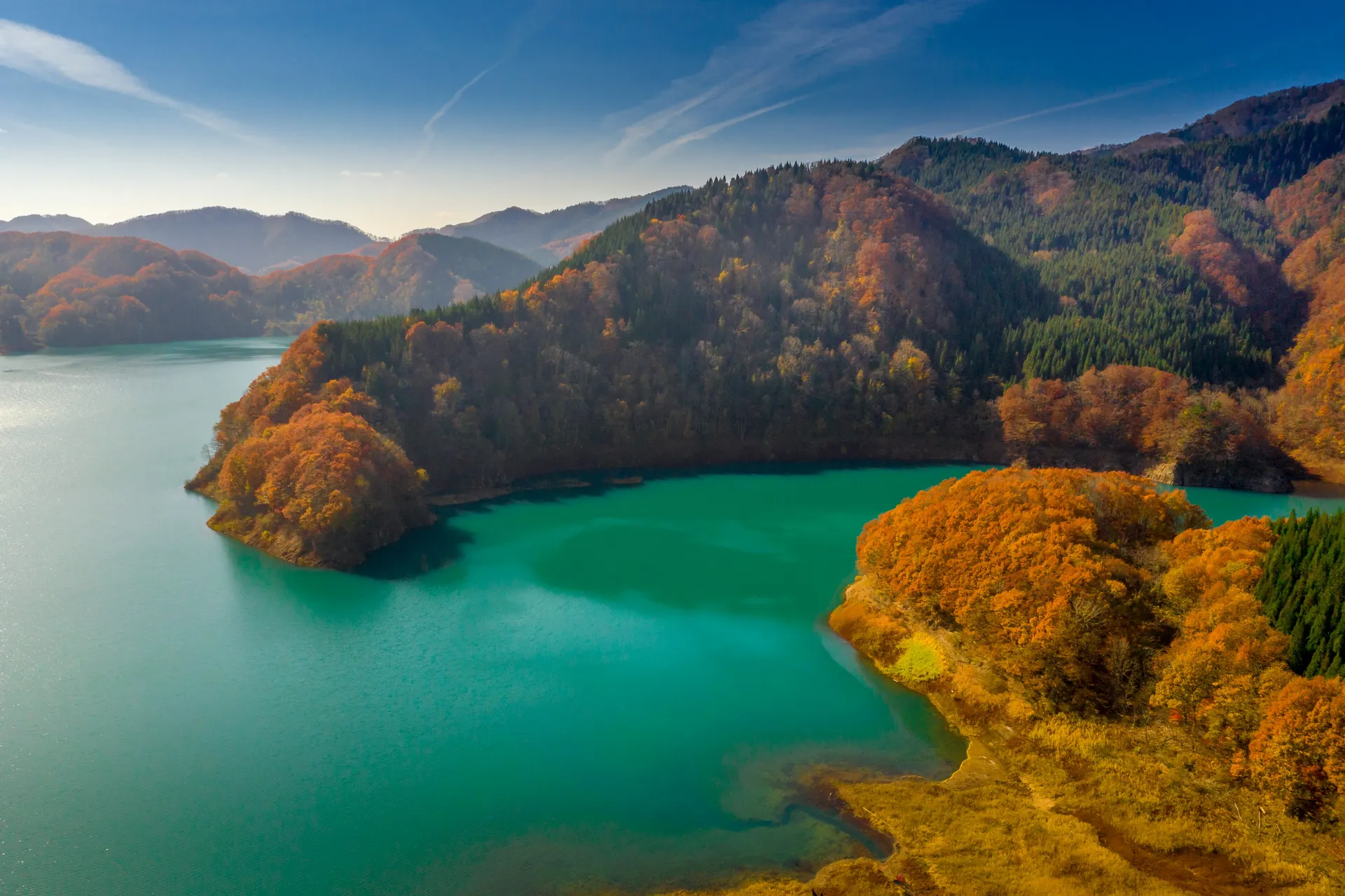
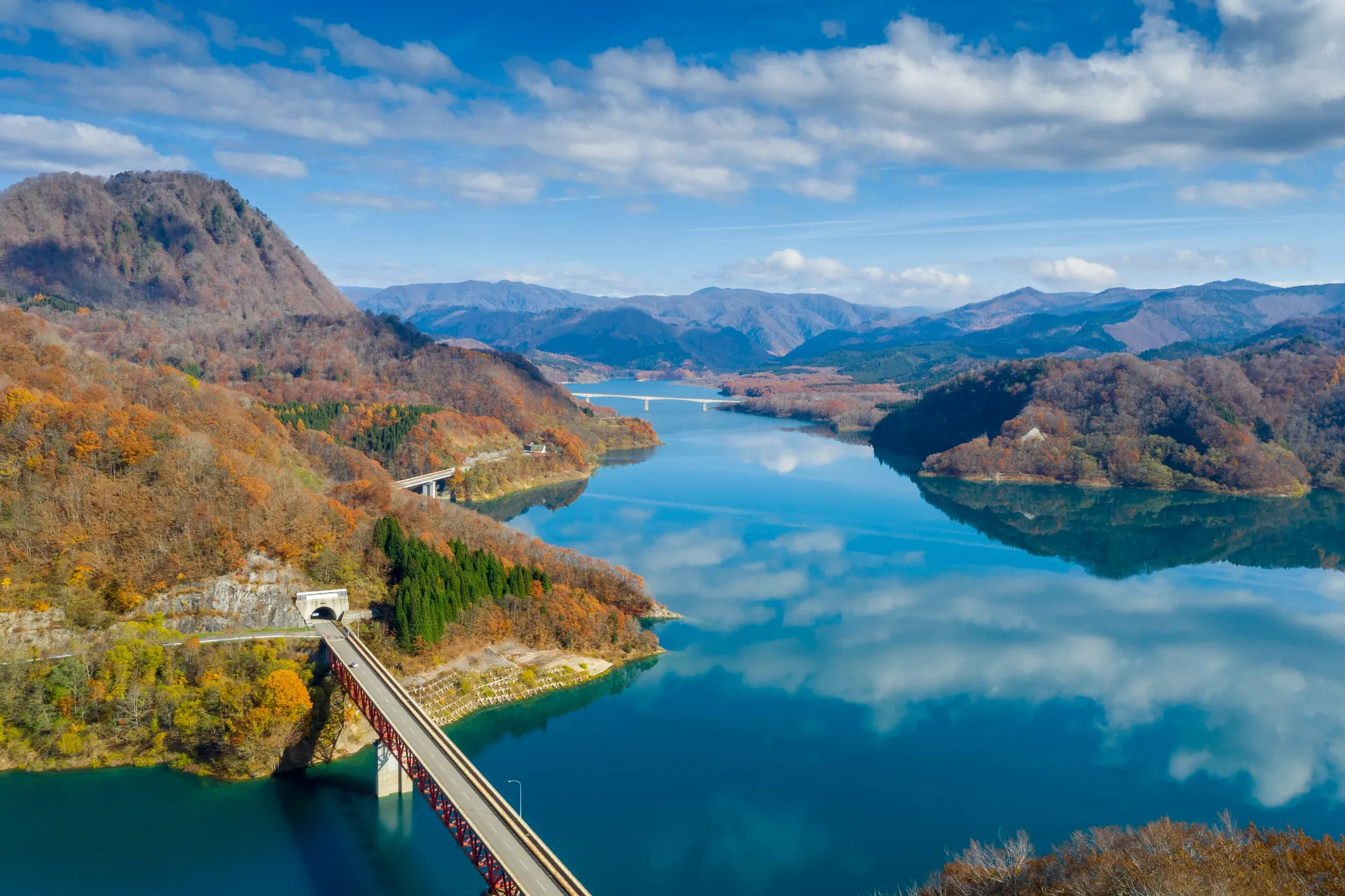
The natural landscape of Akita Prefecture is dominated by the Shirakami Mountains, a UNESCO World Heritage Site preserving the largest virgin beech forest in East Asia — a primeval woodland that has survived since the last ice age, its cathedral-like canopy sheltering black bears, Japanese serow, and the golden eagles that patrol the ridgelines. Lake Tazawa, Japan's deepest lake at 423 metres, fills a volcanic caldera in the eastern part of the prefecture with water of such transparency and cobalt intensity that it has inspired legends of a beautiful woman transformed into a dragon who guards the lake's depths. The Nyuto Onsen hot springs, nestled in the mountains above the lake, offer rustic outdoor bathing in milky, mineral-rich waters surrounded by beech forest — the quintessential Japanese hot spring experience, stripped of commercialism and elevated by setting.
Akita is served by Princess Cruises on Japanese coastal itineraries, with ships calling at Akita Port. The most rewarding visiting seasons are summer (August for the Kanto Festival) and autumn (October through November), when the Shirakami beech forests and Lake Tazawa surroundings ignite in the autumn colours that the Japanese celebrate as koyo — the maple-viewing season that rivals cherry blossom season in cultural importance.