Suspended in the warm Kuroshio Current between Kyushu and Okinawa, Amami-Oshima is Japan's third-largest island — and one of its best-kept secrets. UNESCO inscribed its ancient subtropical forests as a World Heritage Site in 2021, placing it alongside the Galapagos and Madagascar as one of the planet's most important repositories of endemic biodiversity. Yet while those destinations draw millions, Amami-Oshima receives a fraction of the visitors, preserving an atmosphere of solitude and wildness that has all but vanished from the Japanese main islands.
The island's interior is a primordial world of fern-draped evergreen forest, tangled mangrove estuaries, and mossy river gorges where the endangered Amami rabbit — a "living fossil" unchanged for millions of years — forages by night. This is the domain of the Amami jay, the Amami woodcock, and the lethal habu viper, whose presence has helped keep the forests largely free of human encroachment. The Kinsakubaru Primeval Forest, accessible via guided walks, offers an immersive encounter with this ancient ecosystem: sunlight filters through a canopy so dense it tints the air green, and the only sounds are the drip of moisture and the calls of invisible birds.
Amami-Oshima's culture is a fascinating blend of Ryukyuan and mainland Japanese traditions. Oshima tsumugi, a hand-woven mud-dyed silk textile, has been produced here for over 1,300 years using a technique found nowhere else in the world — the silk is dyed with the tannin-rich bark of the sharinbai tree, then immersed in iron-rich mud, producing a lustrous, deep brown fabric. Visitors can observe the painstaking process at workshops in Tatsugo. The island's music, built around the sanshin (three-stringed lute) and the hauntingly melancholic shima-uta folk songs, shares more DNA with Okinawa than Tokyo — evenings in Naze's izakayas often erupt into spontaneous singalongs.
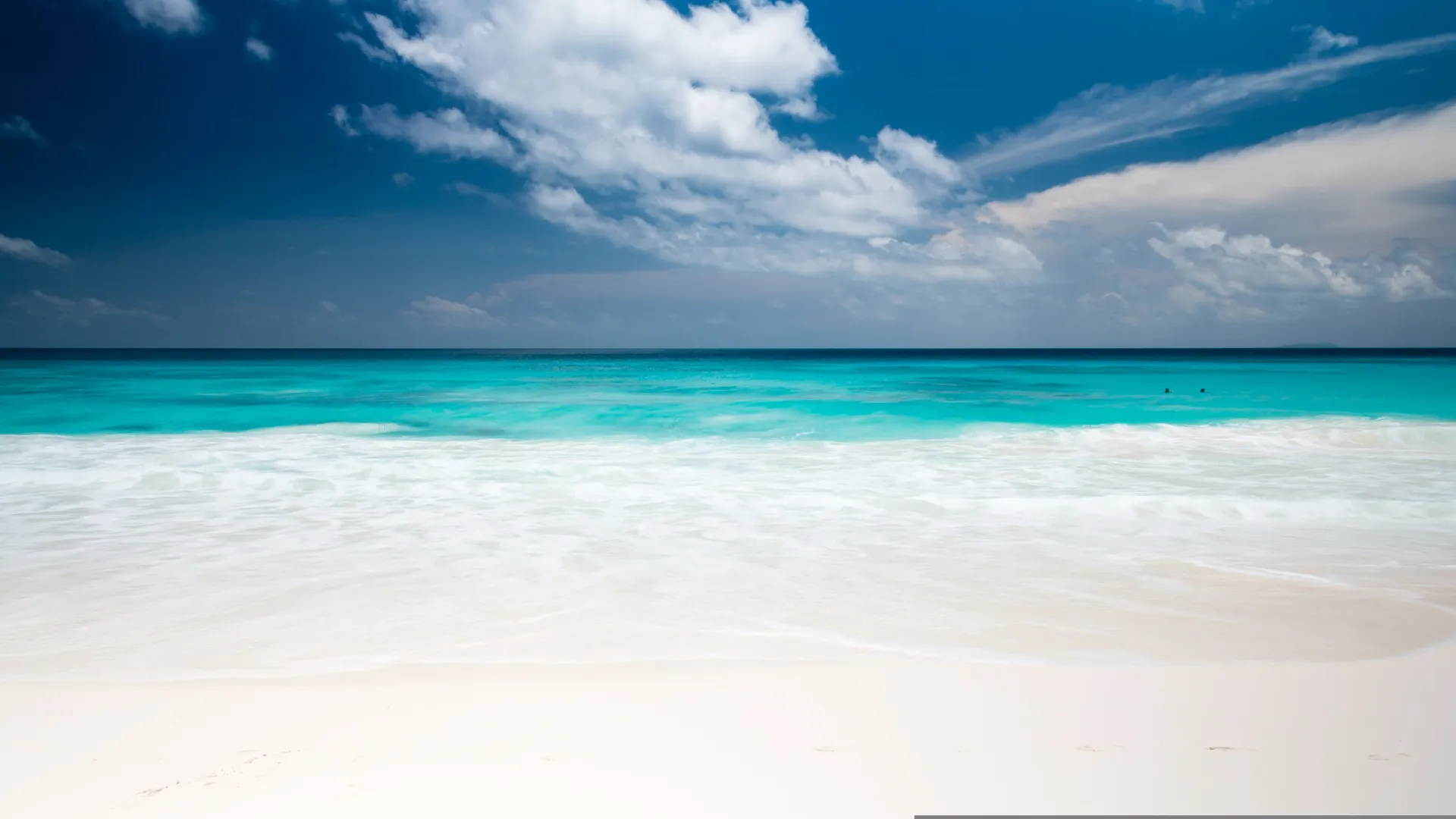
The island's coastline is a succession of coral-ringed beaches and hidden coves that rival anything in the Maldives. Tomori Beach, consistently ranked among Japan's most beautiful, is a sheltered crescent of sugar-white sand and impossibly clear water. Snorkelers and divers will find pristine coral gardens teeming with sea turtles, clownfish, and the occasional reef shark. For a more adventurous aquatic experience, kayaking through the Sumiyo mangrove forest — the second largest mangrove forest in Japan — offers close encounters with crabs, mudskippers, and the intricate root systems that protect the island from typhoons.
Cruise ships typically anchor offshore at Naze, the island's principal town, with tenders ferrying passengers to the harbor. The best time to visit is from March to May and October to November, when the subtropical climate is pleasantly warm without the oppressive humidity and typhoon risk of midsummer. English-language infrastructure is minimal, so a Japanese-speaking guide or translation app is essential. Amami-Oshima rewards travellers who come with patience and curiosity — this is not an island of packaged attractions but a living landscape where nature, craft, and tradition exist in rare, unhurried harmony.

