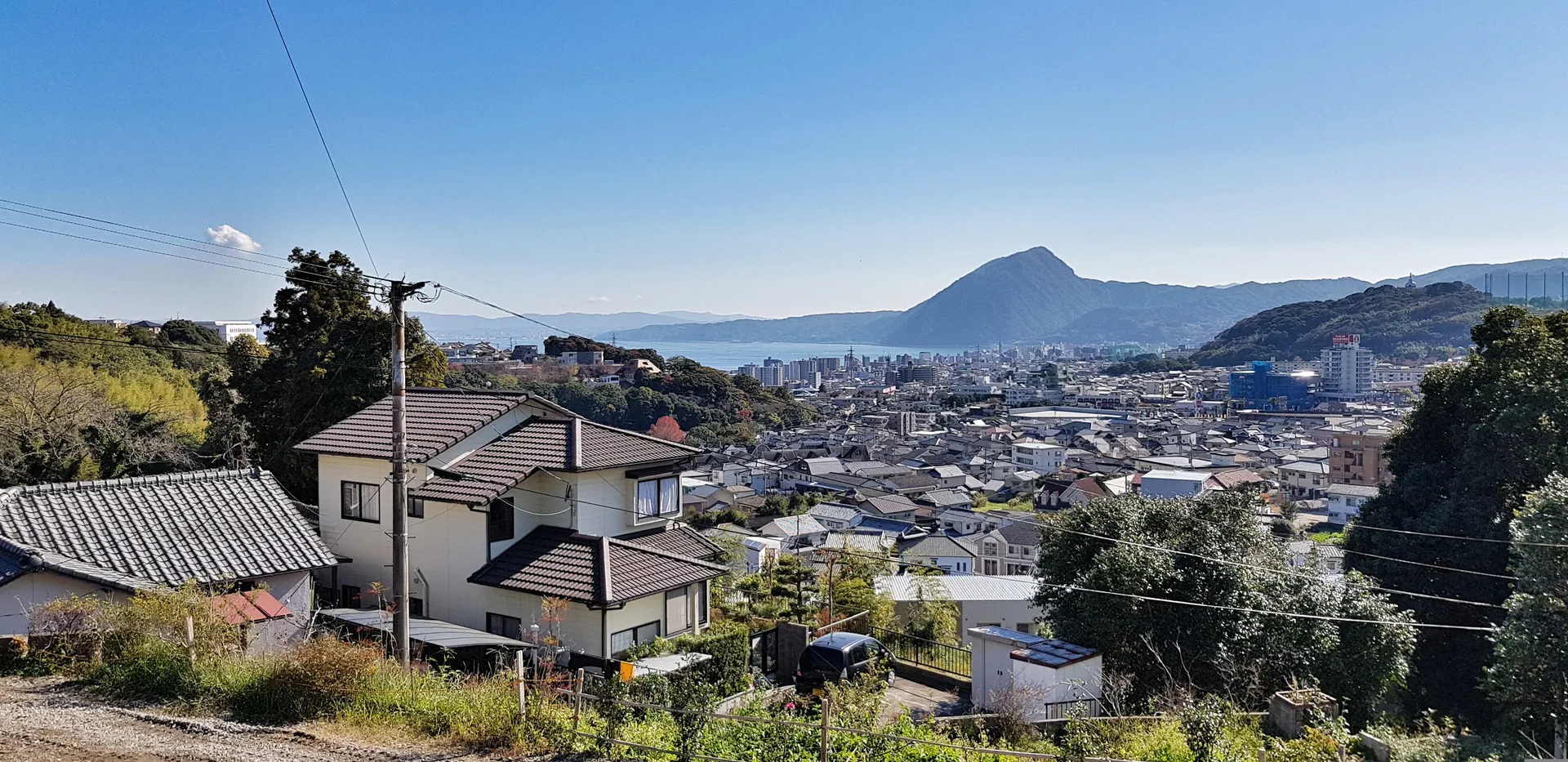
Beppu is Japan's undisputed hot spring capital—a city of 120,000 perched on the eastern coast of Kyushu that sits atop one of the most volcanically active zones on Earth, producing more geothermal water than any other city in the world. Steam rises from streets, parking lots, and backyard gardens with a casual abundance that gives the city a perpetually dreamy, otherworldly atmosphere. The numbers are staggering: over 2,800 hot spring vents, 100 million liters of thermal water gushing forth daily, and eight distinct onsen districts—the Beppu Hatto—each offering water with different mineral compositions and therapeutic properties. What makes Beppu remarkable is not merely its geological wealth but the utter centrality of hot springs to daily life: this is a city where bathing is not recreation but culture, where residents soak communally morning and evening, and where eggs, vegetables, and even entire meals are cooked in naturally boiling spring water.
The Jigoku (Hells) of Beppu are the city's most spectacular geothermal attraction—a circuit of eight naturally occurring hot springs too hot for bathing but mesmerizing for viewing. Umi Jigoku (Sea Hell) is a pool of cobalt-blue boiling water surrounded by tropical gardens heated by geothermal steam. Chi-no-Ike Jigoku (Blood Pond Hell) glows an eerie red from dissolved iron and magnesium. Tatsumaki Jigoku is a geyser that erupts at regular intervals, while Oniyama Jigoku uses its thermal waters to raise crocodiles in heated pools—a surreal juxtaposition that captures Beppu's eccentric spirit. Between the Hells, visitors can soak their feet in free ashiyu (foot baths) found throughout the city, or brave the intensely hot sand baths at Beppu Beach, where attendants bury you in naturally heated volcanic sand while ocean waves crash nearby.
Beppu's culinary culture has evolved around its unique geothermal resources. Jigoku-mushi (hell-steaming) is the signature cooking method: fresh ingredients—seafood, vegetables, eggs, even puddings—are placed in bamboo baskets over natural steam vents and cooked without oil or seasoning, producing flavors of remarkable purity and intensity. The Jigoku Mushi Kobo workshop at Kannawa allows visitors to steam their own meals using ingredients purchased at the adjacent market. Beyond geothermal cooking, Beppu's food scene benefits from Kyushu's exceptional agricultural bounty: Bungo Channel seafood (particularly seki-aji horse mackerel and seki-saba mackerel, prized throughout Japan), toriten (Oita's signature chicken tempura), and dango-jiru (thick flour dumpling soup). The local shochu distilleries produce excellent sweet potato and barley spirits that pair beautifully with the hearty regional cuisine.
The surrounding Oita Prefecture offers attractions that complement Beppu's geothermal wonders. Yufuin, a fashionable onsen town 25 minutes inland by train, sits in a mountain basin beneath the twin peaks of Mount Yufu—its main street lined with boutique shops, art museums, and ryokan (traditional inns) of exceptional quality. Usuki, south along the coast, preserves a remarkable collection of stone Buddha sculptures carved into cliff faces during the twelfth century—some 60 figures, many retaining traces of original paint, that constitute one of Japan's most important Buddhist art sites. Kunisaki Peninsula, northeast of Beppu, is a volcanic landscape dotted with ancient temples and hidden valleys, best explored by car along roads that wind through thick forest past moss-covered stone guardians. Mount Aso, Japan's largest active volcano, lies further inland and offers crater-edge viewing (conditions permitting) of one of the country's most powerful natural spectacles.
Princess Cruises, Silversea, and Viking include Beppu on their Japan itineraries, with ships docking at Beppu International Tourist Port within easy reach of the city center. The port is well-equipped for cruise ships, and the Hells circuit, beach sand baths, and Kannawa steam-cooking experience are all accessible within a half-day. The best visiting season is spring (March–May) and autumn (October–November), when temperatures are comfortable for both soaking and sightseeing. Winter visits have their own charm—steaming into an open-air rotenburo bath while snow falls on surrounding mountains is one of Japan's quintessential experiences. Summer (June–August) brings heat and humidity that can make outdoor exploration less comfortable but the indoor onsen experience no less wonderful. In Beppu, the Earth itself extends an invitation to pause, immerse, and surrender to the primordial warmth that rises endlessly from below.

