In the East China Sea, off the western coast of Kyushu, the Goto Islands form a remote archipelago of 140 islands—only a handful inhabited—that preserves one of the most extraordinary chapters in Japanese religious history. For over two centuries, from the 1630s until the Meiji restoration, the Catholic communities of the Goto Islands practiced their faith in complete secrecy, maintaining baptism, prayer, and the liturgical calendar through generations of persecution that would have destroyed a less tenacious belief system. When French missionaries arrived in Nagasaki in 1865 and were astonished to discover that Christianity had survived, they called the event the Discovery of the Hidden Christians—a moment that resonates through these islands to this day.
The character of the Goto Islands is defined by the intersection of this hidden Christian heritage with a landscape of austere maritime beauty. The churches that the rediscovered communities built after the lifting of persecution in 1873 are architectural treasures: modest wooden structures combining Western Gothic elements with Japanese carpentry techniques, perched on hillsides and headlands overlooking the sea. The Kashiragashima Church on Kashiragashima Island, built of brick and stone in 1919 by the parishioners themselves, stands as one of the most moving religious buildings in Japan—its modest scale and the devotion evident in every hand-cut stone expressing a faith tested by centuries of mortal danger. Several of these churches are inscribed as UNESCO World Heritage Sites.
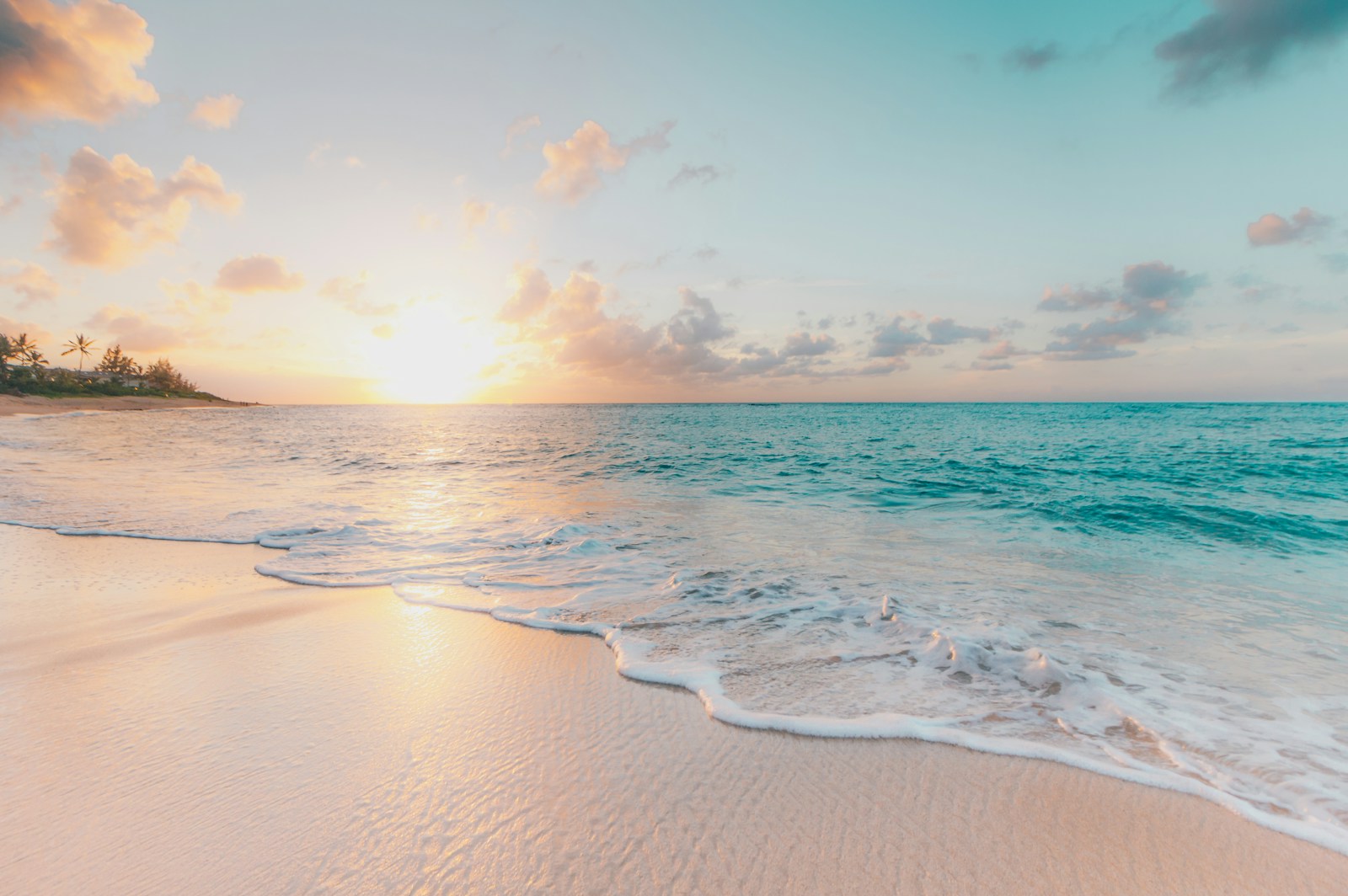
The natural environment of the Goto Islands rewards the effort of reaching them. The archipelago's coastline alternates between dramatic cliffs of volcanic rock, beaches of white coral sand, and sheltered coves where the water achieves a transparency that reveals every detail of the sandy seafloor. The Osezaki cliffs on Fukue Island—a series of columnar basalt formations that plunge into the sea—rank among the most spectacular coastal formations in Japan. The surrounding waters support excellent fishing: the yellowtail, sea bream, and flying fish that sustain the local economy also appear on restaurant tables with a freshness that reminds visitors of how recently the fish left the water.
Goto cuisine reflects the islands' maritime heritage and their position at the crossroads of Japanese, Chinese, and Korean culinary influences. The signature dish is Goto udon—thick, hand-pulled noodles of exceptional chewiness that are simmered and served in a broth of dried flying fish (ago dashi), producing a flavor of remarkable depth and delicacy. Kasutera, a sponge cake descended from the Portuguese castella brought by the same missionaries who planted Christianity in these islands, survives as a local confection. The local tsubaki (camellia) oil, pressed from the nuts of the wild camellia trees that cover the hillsides, is used both in cooking and as a beauty product of considerable reputation.
The Goto Islands are reached by ferry from Nagasaki (approximately three and a half hours to Fukue) or by air from Nagasaki or Fukuoka (approximately thirty minutes to Fukue). The islands have limited but adequate accommodation including small hotels, ryokan, and guesthouses. The most rewarding visiting season is April through November, with the camellia flowering season in February and March adding spectacular color to the hillsides. A rental car is essential for exploring Fukue Island's scattered churches and coastal viewpoints, while boats connect the smaller inhabited islands. English-language information is limited, and a basic understanding of Japanese or a good translation app will enhance the experience considerably.

