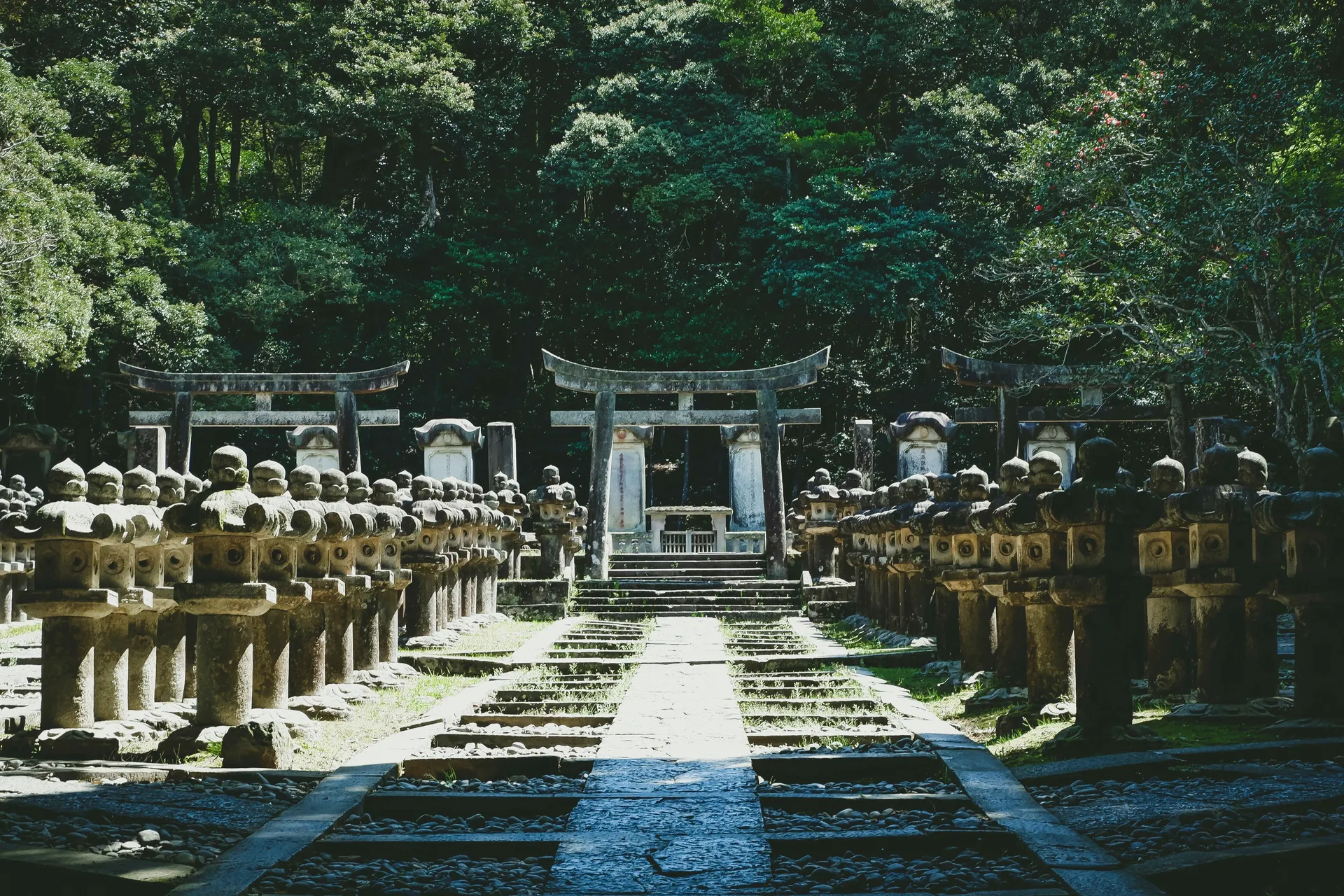
Hagi occupies a peculiar place in the Japanese imagination — a small coastal city in western Yamaguchi Prefecture that, for two and a half centuries, quietly incubated the revolution that would transform Japan from a feudal archipelago into a modern world power. Under the Mōri clan's rule during the Edo period, Hagi's samurai scholars secretly studied Western science and military technology despite the Tokugawa shogunate's strict isolationist policies. When the Meiji Restoration erupted in 1868, a disproportionate number of its architects — including Japan's first prime minister, Itō Hirobumi — emerged from this seemingly sleepy castle town. The streets where they walked, studied, and plotted remain largely intact, earning Hagi UNESCO World Heritage status as part of Japan's Meiji Industrial Revolution Sites.
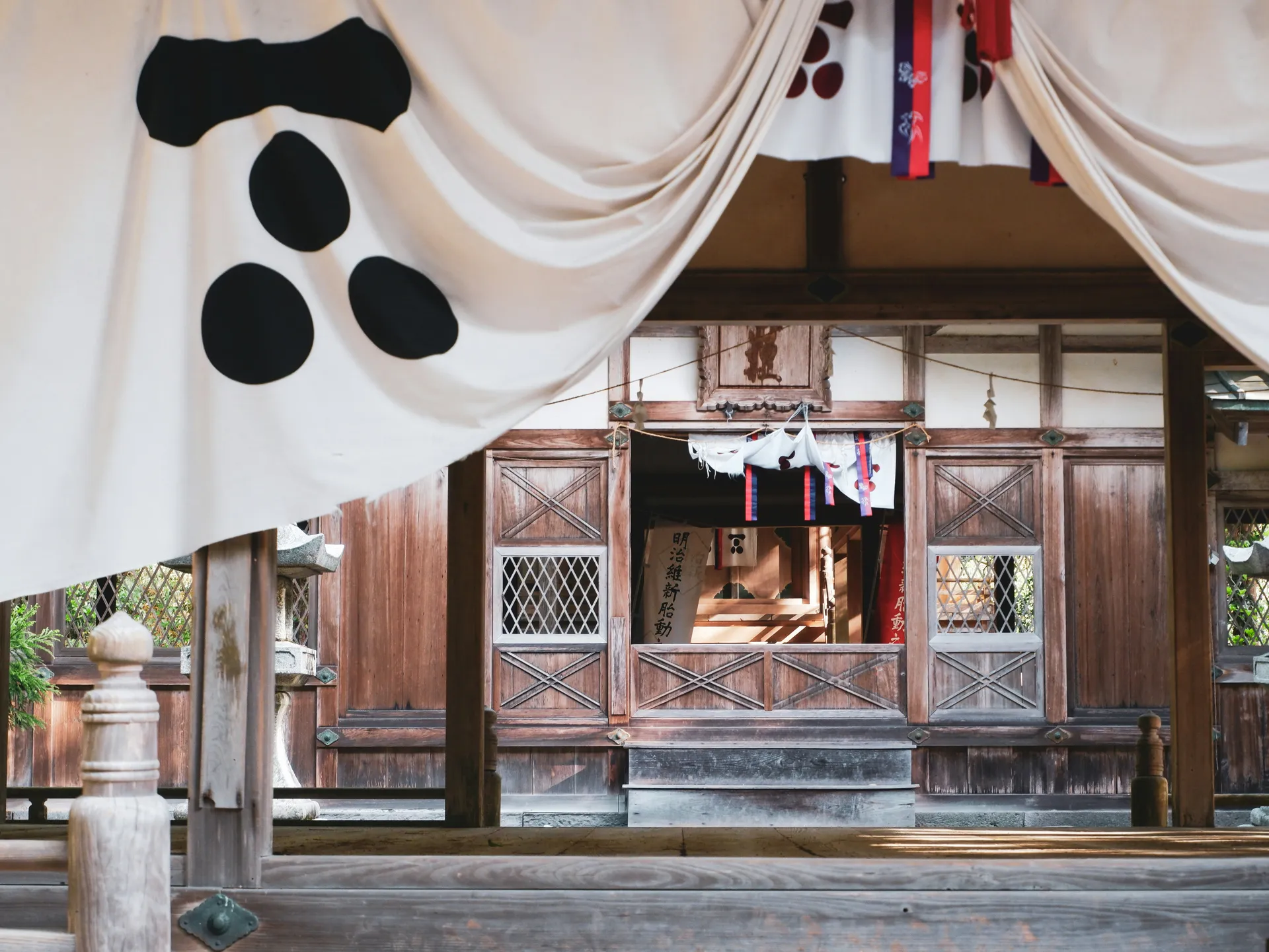
The old samurai quarter of Horiuchi retains its original layout of earthen walls, citrus-laden gardens, and modest wooden residences that belie the extraordinary ambitions of their former occupants. Walking these quiet lanes, past the birthplaces of statesmen and revolutionaries, is to inhabit a moment when the future of a nation was being debated behind paper screens. The ruins of Hagi Castle, dismantled in 1874, sit on a promontory jutting into the Sea of Japan, the stone walls and moat reflecting the surrounding mountains. The Shōin Jinja shrine honors Yoshida Shōin, the visionary teacher whose small academy produced the leaders of the Meiji government — men who would abolish the samurai class to which they themselves belonged.
Hagi's most celebrated cultural contribution is its pottery. Hagi-yaki, with its characteristic soft glaze that deepens in color with use — a quality the Japanese call "the seven changes of Hagi" — has been prized by tea ceremony practitioners since Korean potters were brought to the region by the Mōri clan in the late sixteenth century. The town's numerous kilns and galleries offer the rare opportunity to watch master potters at work and to acquire pieces that will evolve in beauty over years of daily use. The clay, drawn from local deposits, produces tea bowls of subtle warmth that rank second only to Raku ware in the hierarchy of Japanese tea ceramics.
The city's position on the Sea of Japan coast provides access to seafood of extraordinary quality. Hagi's morning fish market, though modest in scale compared to Tokyo's famous Tsukiji, offers a window into the daily rhythms of a working fishing port. Squid, sea bream, and the prized fugu (pufferfish) — Yamaguchi Prefecture is Japan's fugu capital — arrive fresh from overnight fishing boats. The local specialty, Hagi's kawara soba (tea-flavored buckwheat noodles served on a hot roof tile), is unlike anything found elsewhere in Japan. Beyond the city, the Kasa-yama volcanic headland offers hiking trails with panoramic views of the sea, while the Aiba Islands, accessible by boat, provide pristine snorkeling in waters untouched by mass tourism.
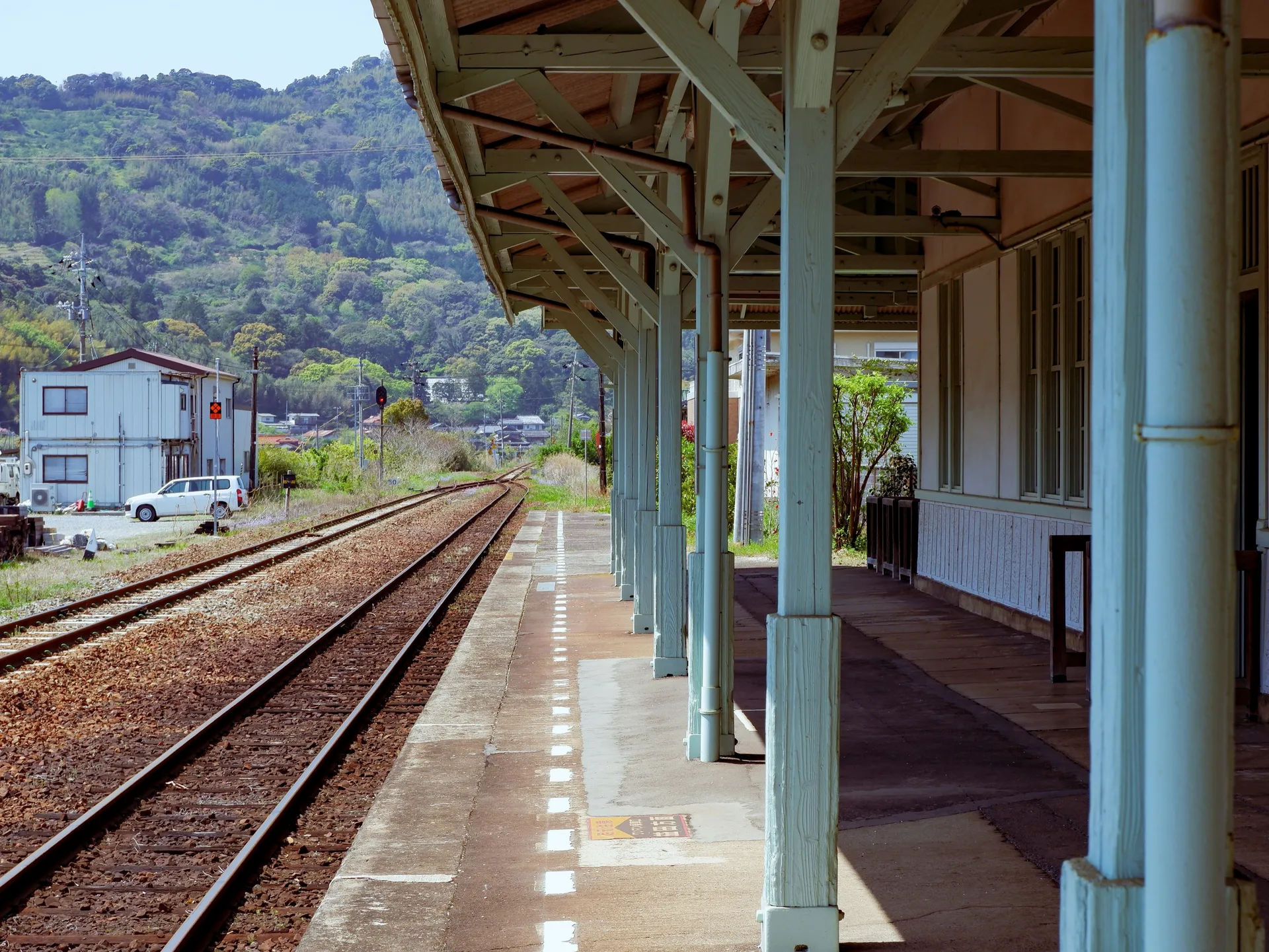
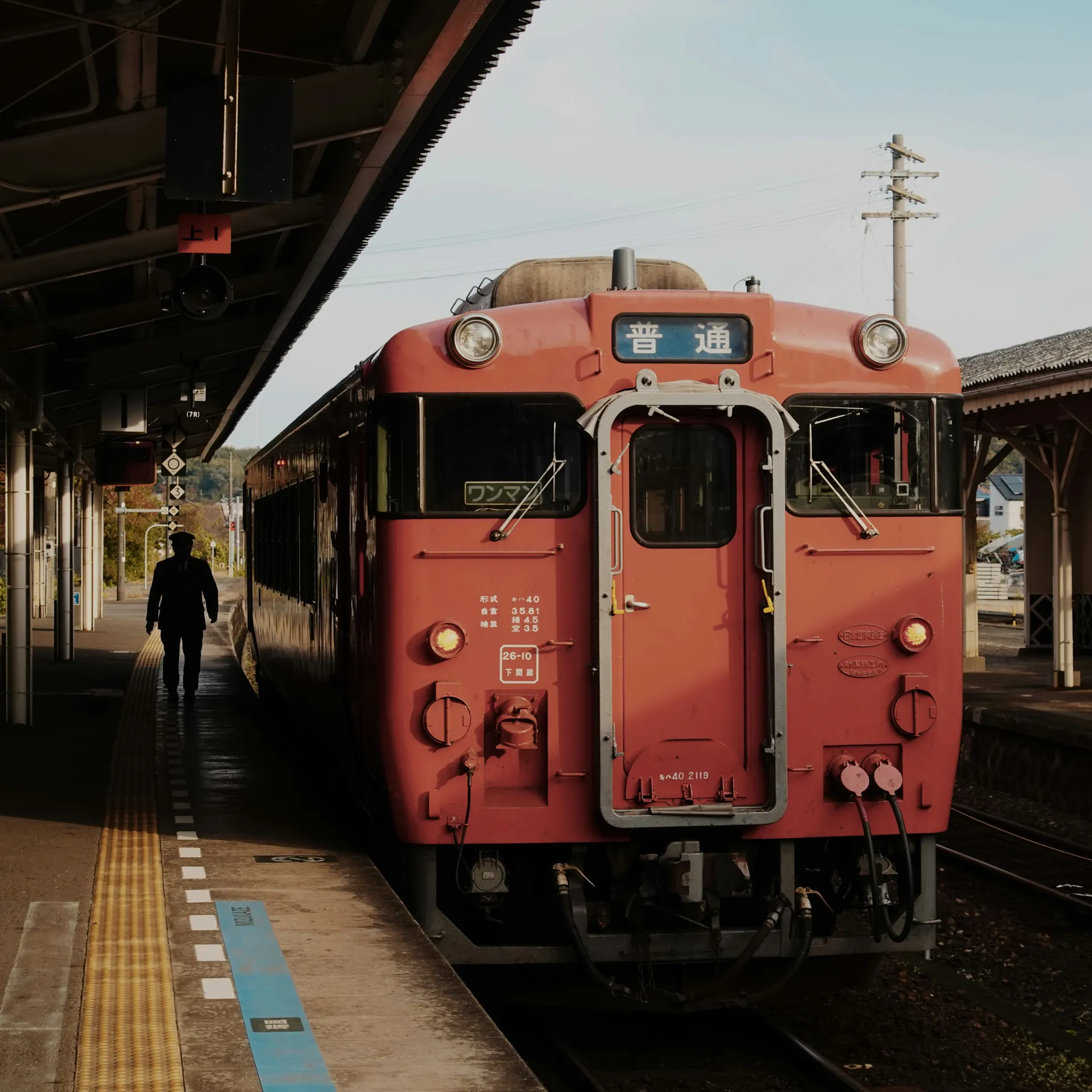
Hagi is reached by JR San'in Line from Shin-Yamaguchi station (approximately ninety minutes) or by direct bus from Hiroshima (three hours). The city is compact enough for bicycle exploration, and rental shops near the station provide the ideal mode of transport for navigating the flat castle town. Spring brings cherry blossoms to the castle ruins, summer offers sea swimming and fireworks festivals, and autumn colors the surrounding mountains in copper and gold. Winter, though cold, brings the fugu season and the atmospheric pleasure of having this remarkable city largely to yourself.