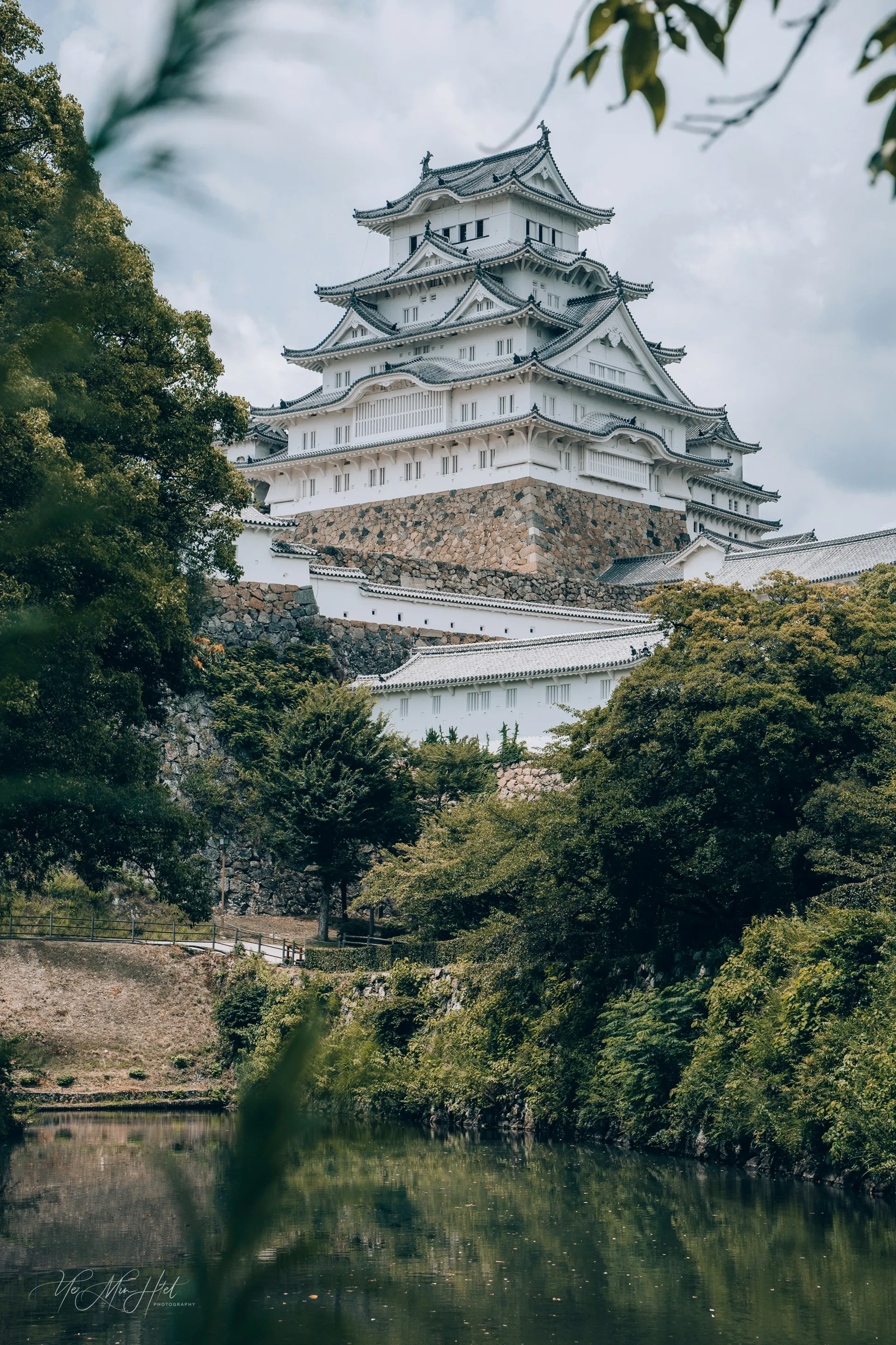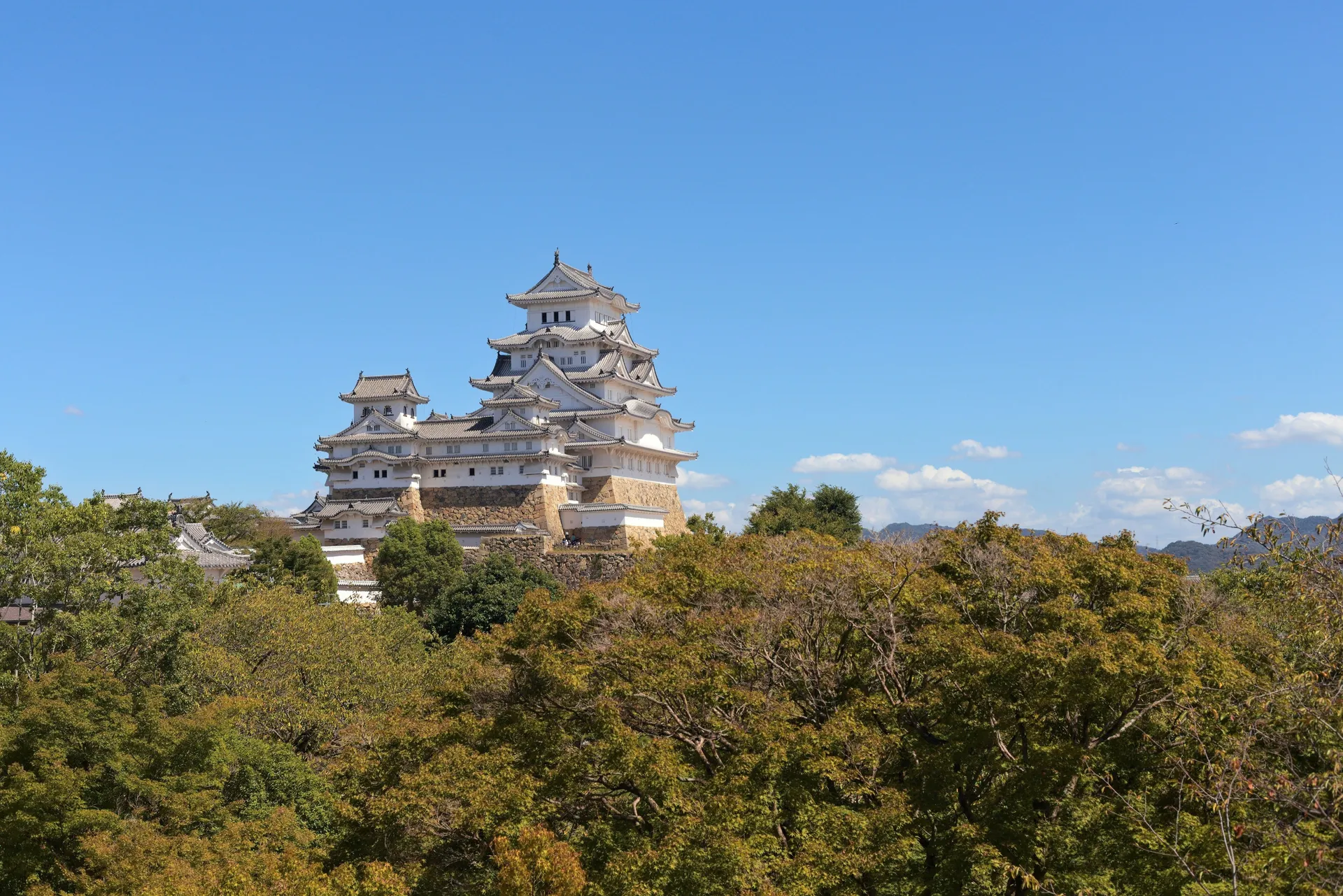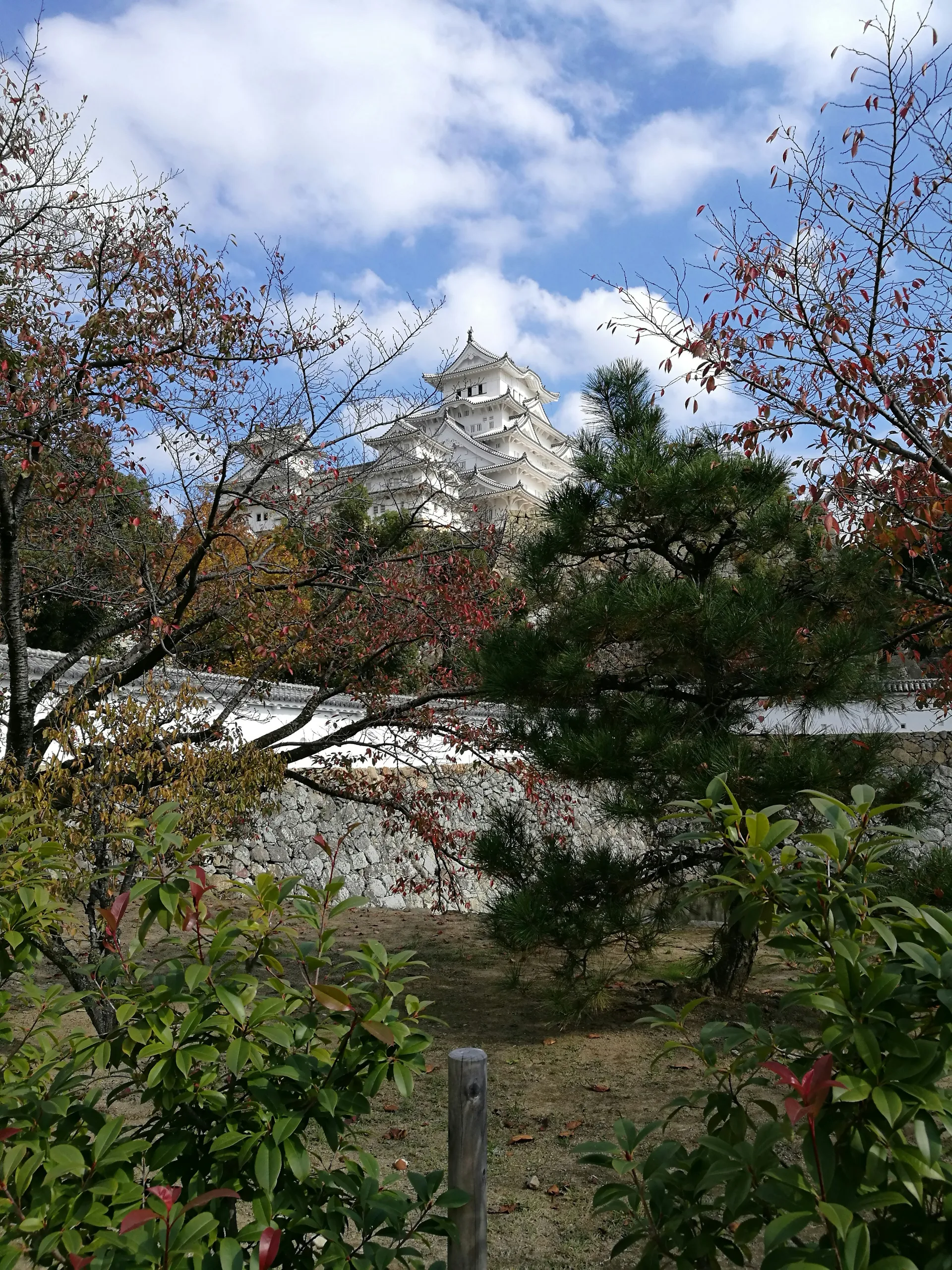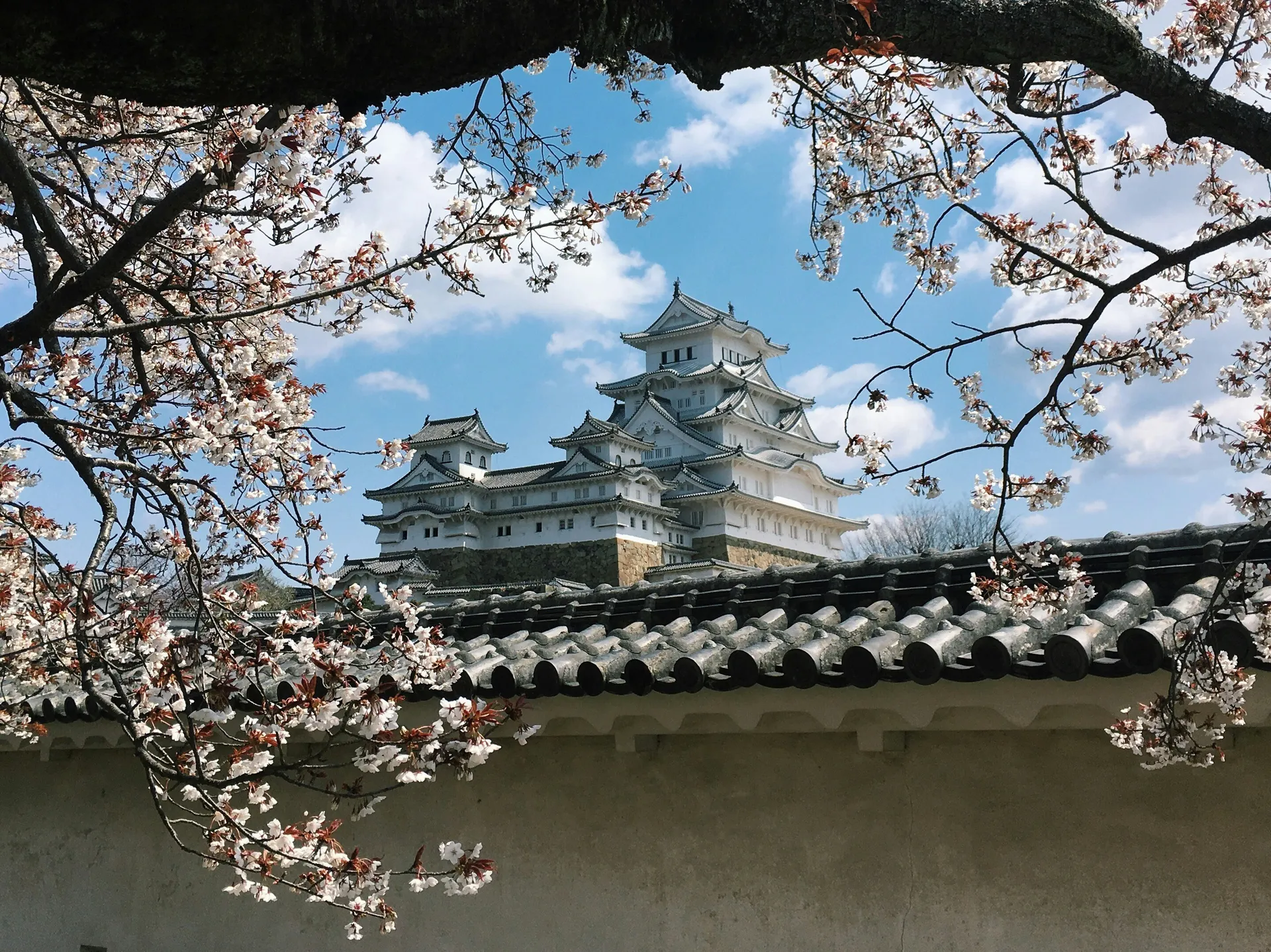
Rising above the Harima Plain like a vision of feudal Japan made manifest, Himeji Castle is the single most magnificent surviving example of Japanese castle architecture — and Himeji, the city that grew around it, has for centuries existed in its luminous shadow. Known as Hakuro-jo, the "White Heron Castle," for its brilliant white plastered walls and the elegant sweep of its rooflines that suggest a bird poised for flight, Himeji Castle survived the wars, earthquakes, and firebombings that destroyed virtually every other original castle in Japan. Its survival is so improbable, and its beauty so transcendent, that it feels less like a building than like an idea — the platonic ideal of a Japanese castle, rendered in wood, stone, and white lime plaster.
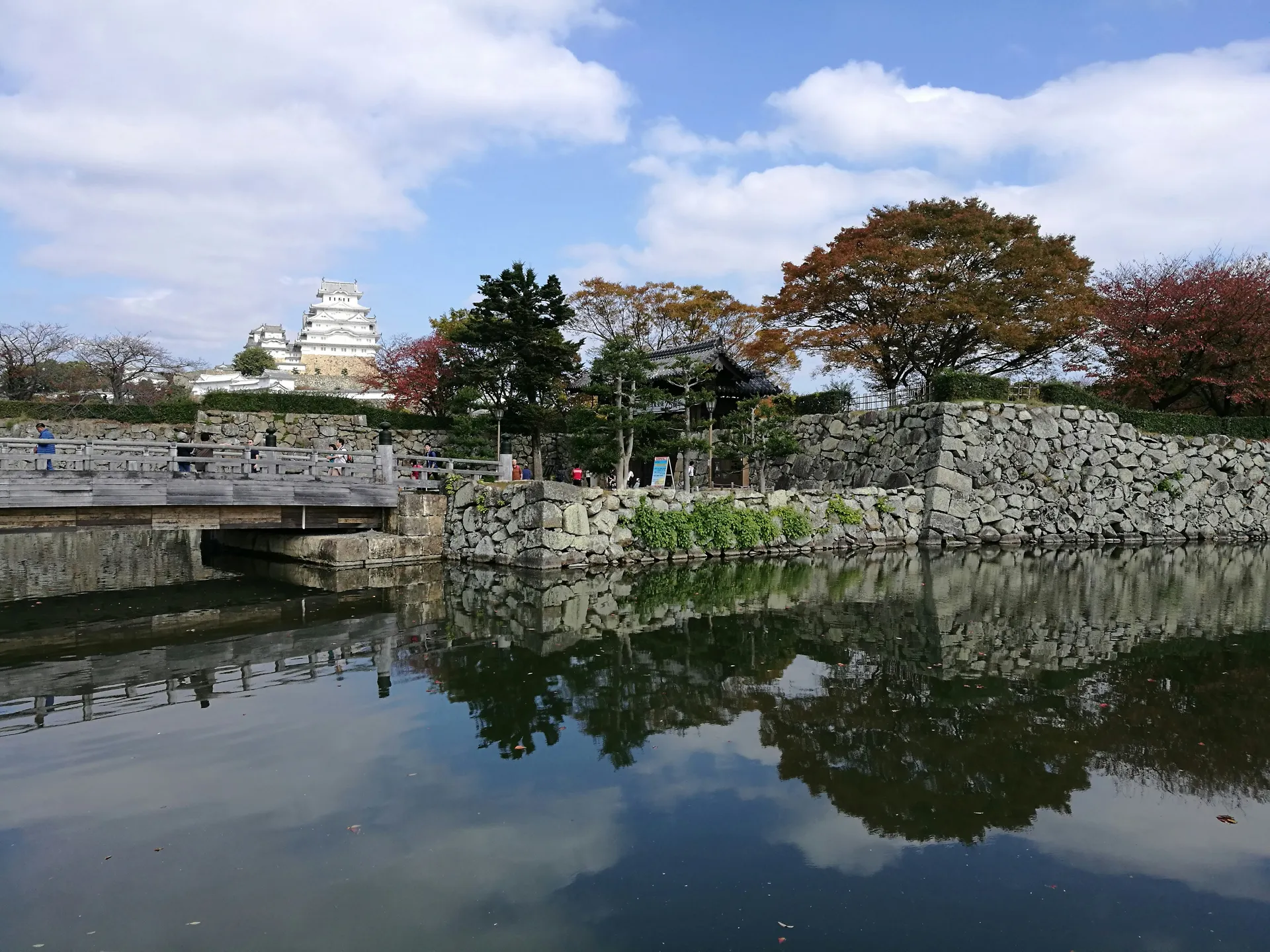
The castle's statistics are impressive — 83 buildings, a complex maze of defensive walls and gates designed to confuse attacking armies, and a main keep that rises six stories above its massive stone foundation — but numbers cannot convey the aesthetic impact of seeing Himeji Castle for the first time. From the main approach through the castle's outer grounds, the keep reveals itself gradually, growing larger and more detailed with each step. The defensive labyrinth of the castle grounds — a deliberate confusion of walls, dead ends, and narrow passages designed to slow and disorient invaders — adds a tactical dimension to the architectural appreciation. The castle was designated a UNESCO World Heritage Site in 1993 and a National Treasure of Japan, one of only five castles to hold this distinction.
The main keep, last reconstructed in 1609 by Ikeda Terumasa, is an engineering masterpiece that has stood for over four centuries without significant structural failure. Its six external stories (seven internal floors) are connected by steep wooden staircases that ascend through rooms of diminishing size, each offering views through defensive windows across the surrounding plains. The interior's bare wooden framework — massive pillars of hinoki and zelkova — reveals the structural honesty of Japanese timber construction, while the exterior's complex arrangement of gables, dormers, and undulating rooflines creates a silhouette of breathtaking sophistication. The recent restoration, completed in 2015 after five years of work, returned the plaster to its original brilliant white, and the castle now gleams against the sky with an intensity that stops visitors in their tracks.
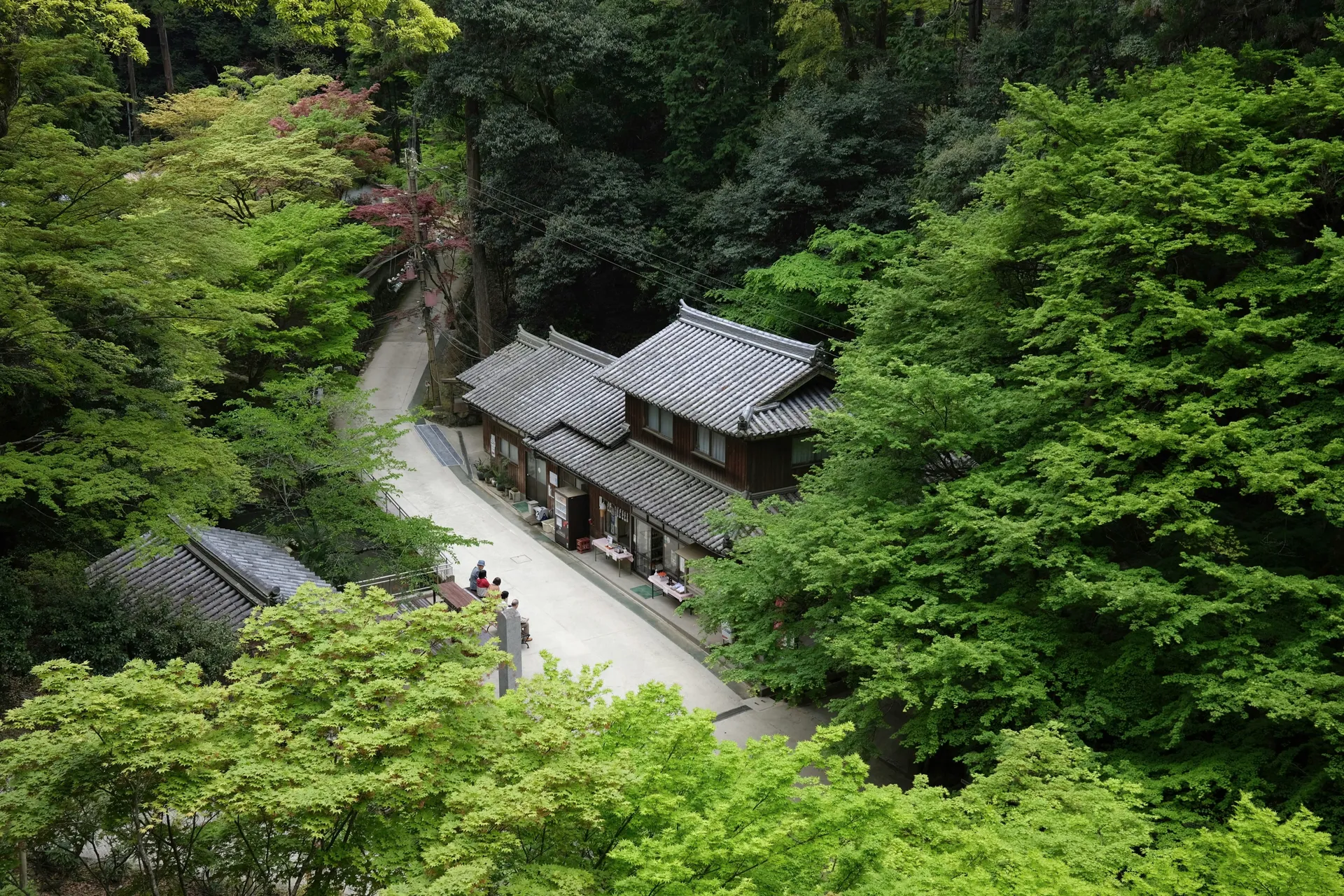
Beyond the castle, Himeji offers rewards that are often overlooked by visitors focused solely on the famous keep. Kokoen Garden, constructed in 1992 on the site of the former samurai quarter, is a sophisticated complex of nine individual gardens in different traditional styles — a strolling pond garden, a tea ceremony garden, a bamboo garden — that provides a peaceful counterpoint to the castle's martial grandeur. The Shoshazan Engyo-ji temple complex, accessible by ropeway from the city's northern edge, spreads across a forested mountaintop and was used as a filming location for "The Last Samurai." Its weathered wooden halls, set among ancient trees, offer a spiritual dimension that complements the castle's temporal power.
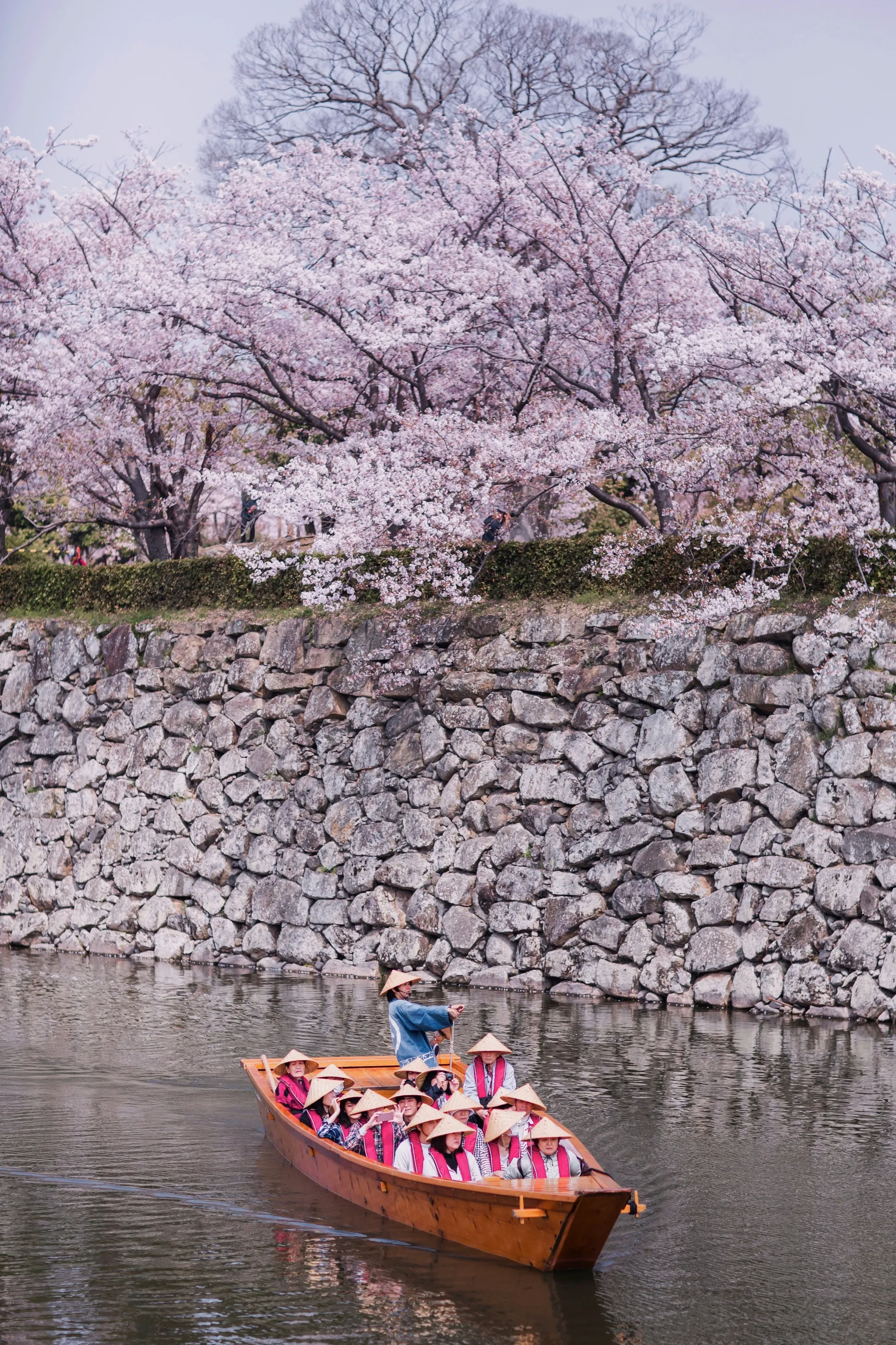
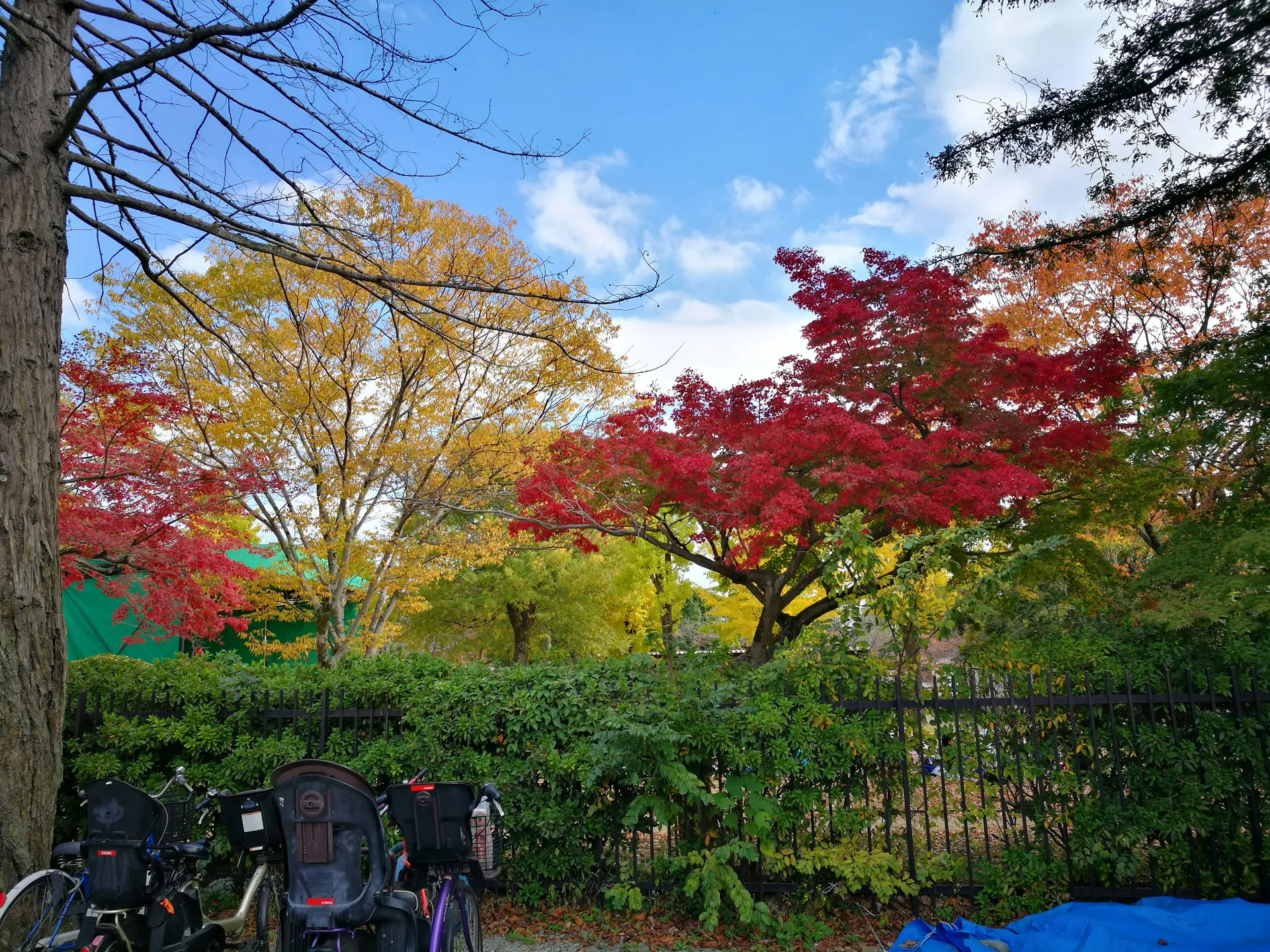
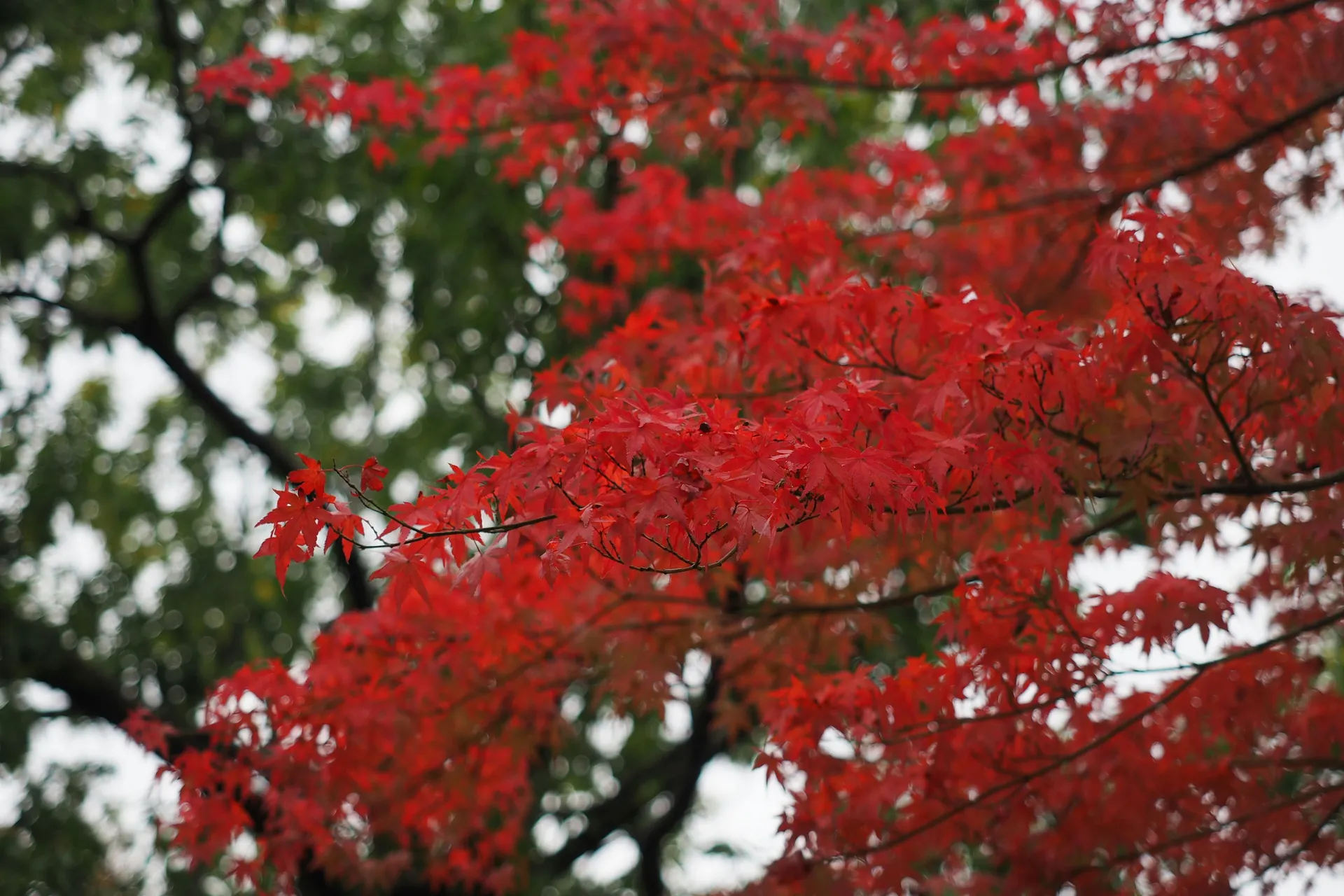
Himeji is easily reached from cruise ports at Kobe or Osaka, approximately one hour by road or Shinkansen. The castle is a ten-minute walk from JR Himeji Station along a broad boulevard that frames the keep perfectly. Spring cherry blossom season (late March-early April), when the castle grounds become a canopy of pink above the white walls, is the most popular visiting time, while autumn brings a more contemplative beauty. The castle's interior can become crowded during peak periods — early morning visits are recommended. Himeji Castle is one of those places where the weight of cultural significance and the immediate impact of visual beauty converge so completely that the experience transcends tourism and becomes something approaching pilgrimage.