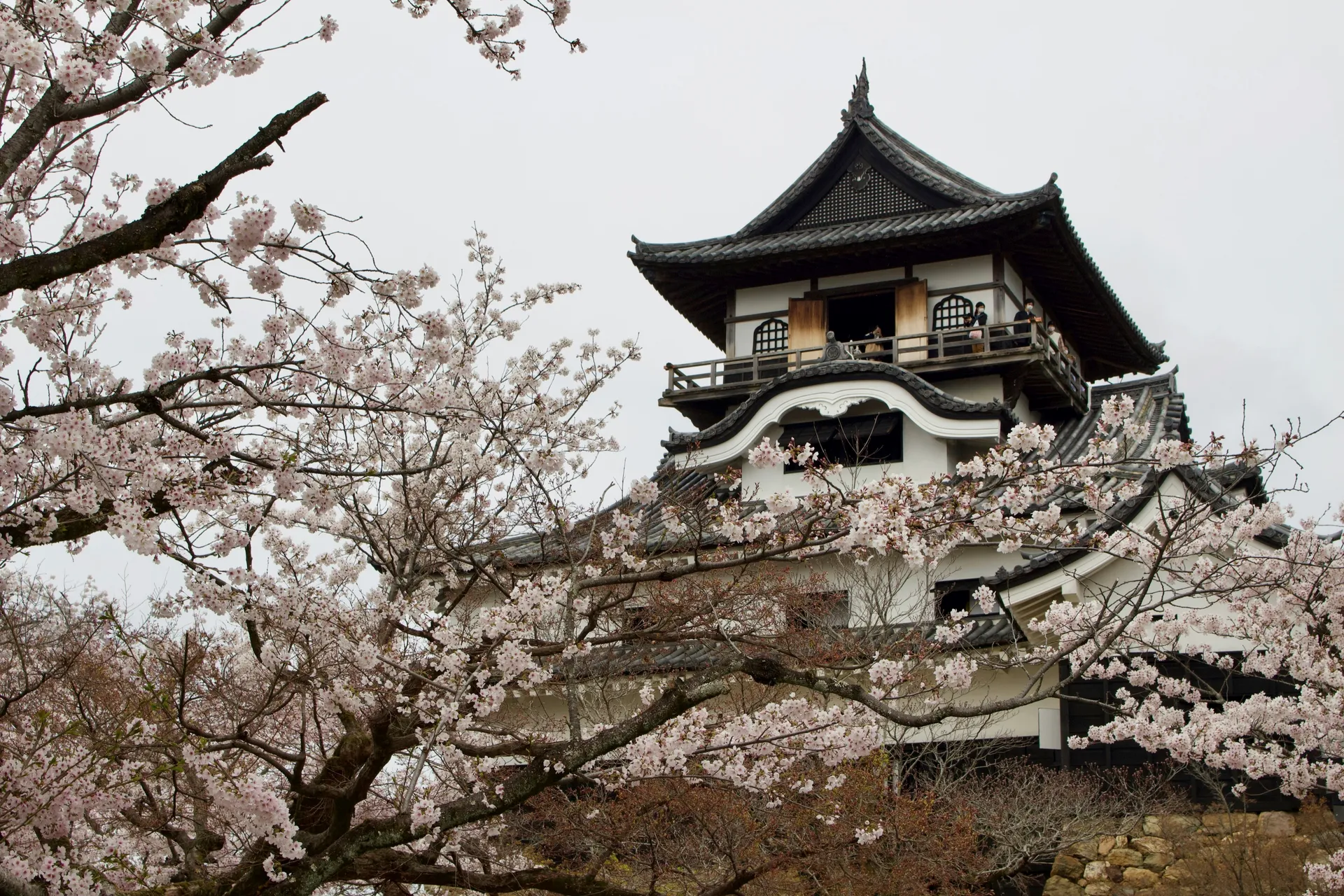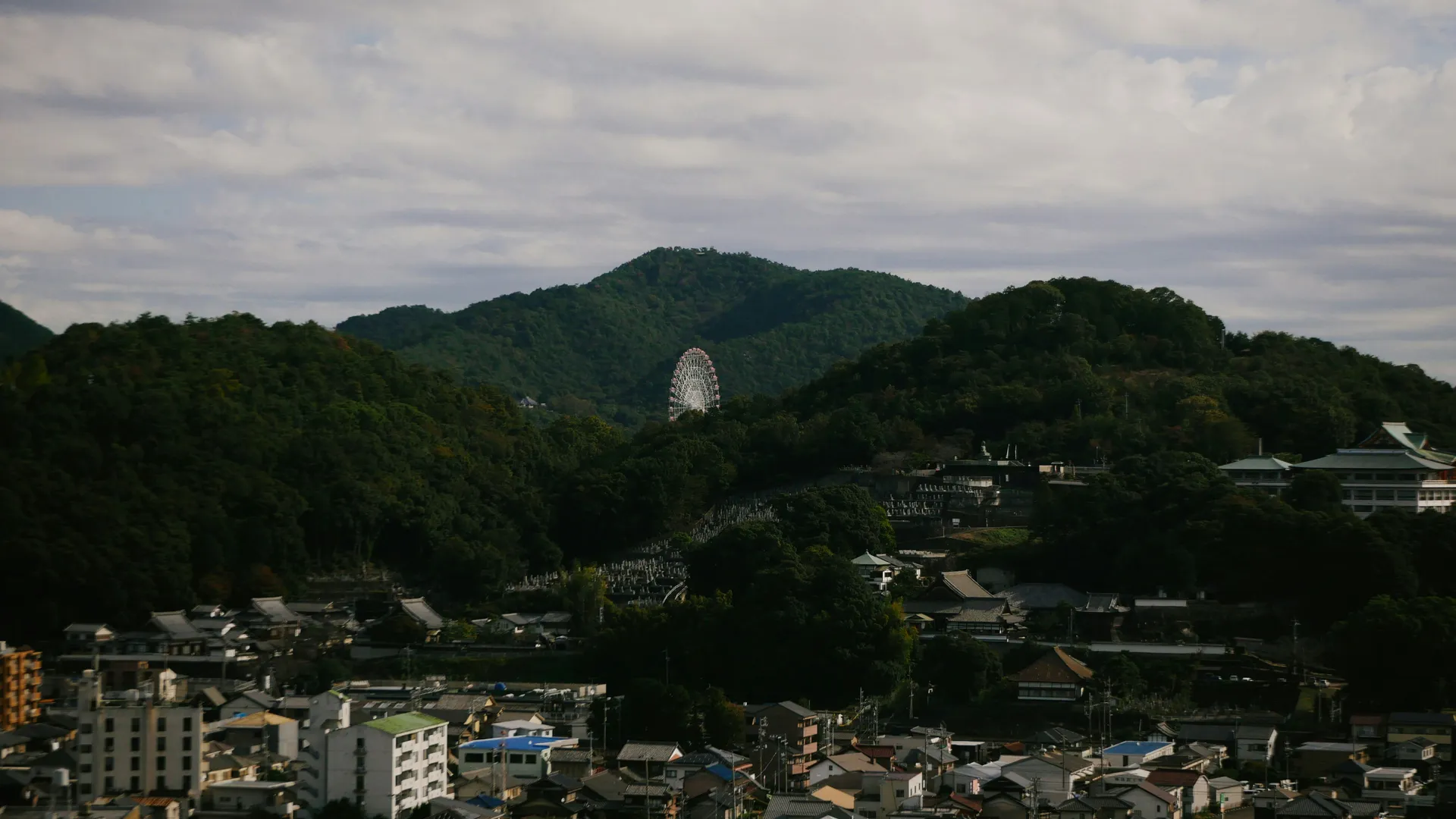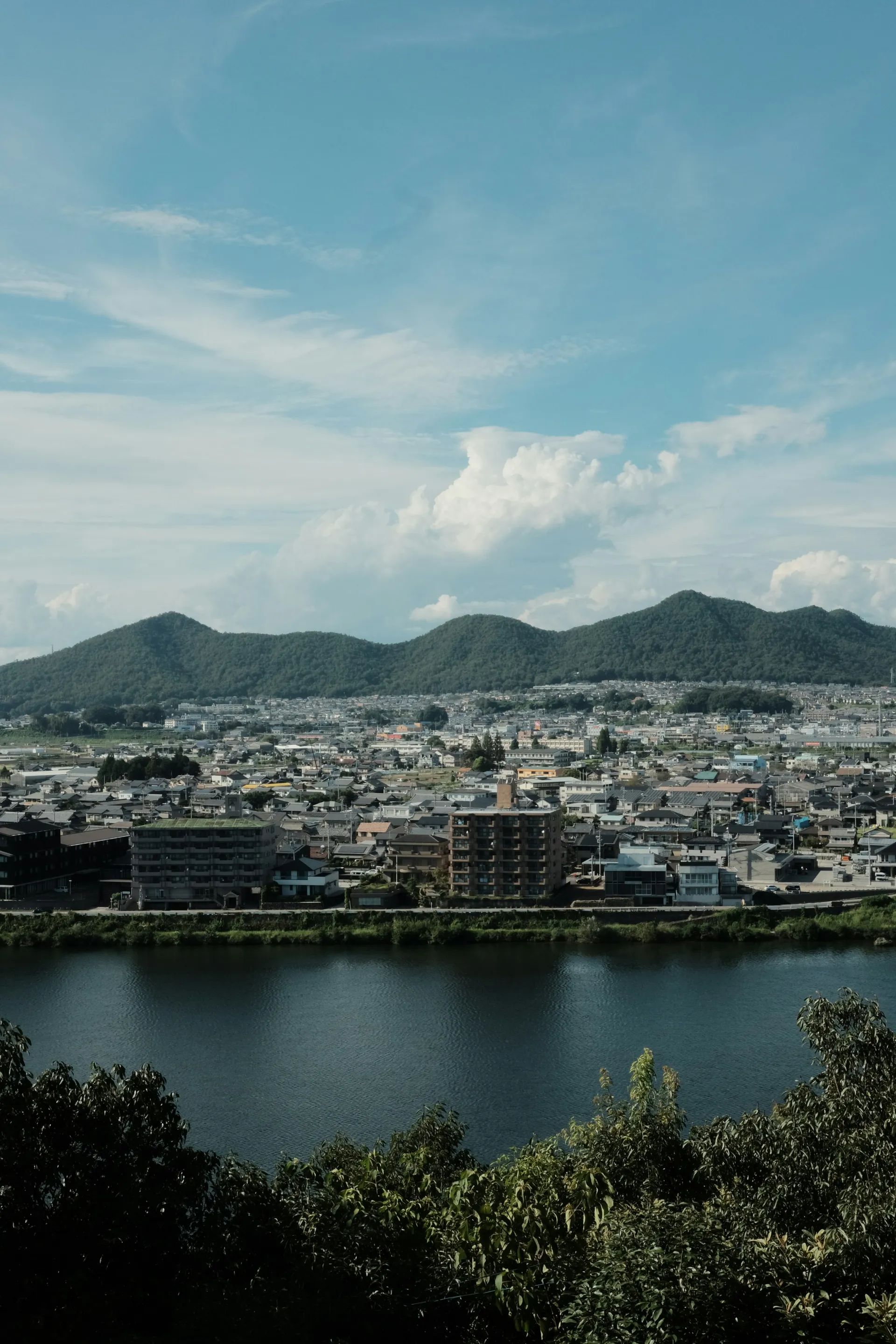
Perched above the Kiso River in northern Aichi Prefecture, Inuyama is one of those small Japanese cities that delivers an outsized cultural payload. Its castle — Inuyama-jō — is one of only twelve original castles remaining in Japan and one of just five designated as National Treasures. Built in 1537, three decades before the unification wars that would reshape Japan, the castle's wooden keep still stands on its bluff above the river, its white plaster walls and curving rooflines reflected in the water below. From the top floor, accessible via vertiginously steep wooden stairs, the panorama encompasses the Kiso River valley, the mountains of Gifu Prefecture, and on clear days, the distant skyline of Nagoya.
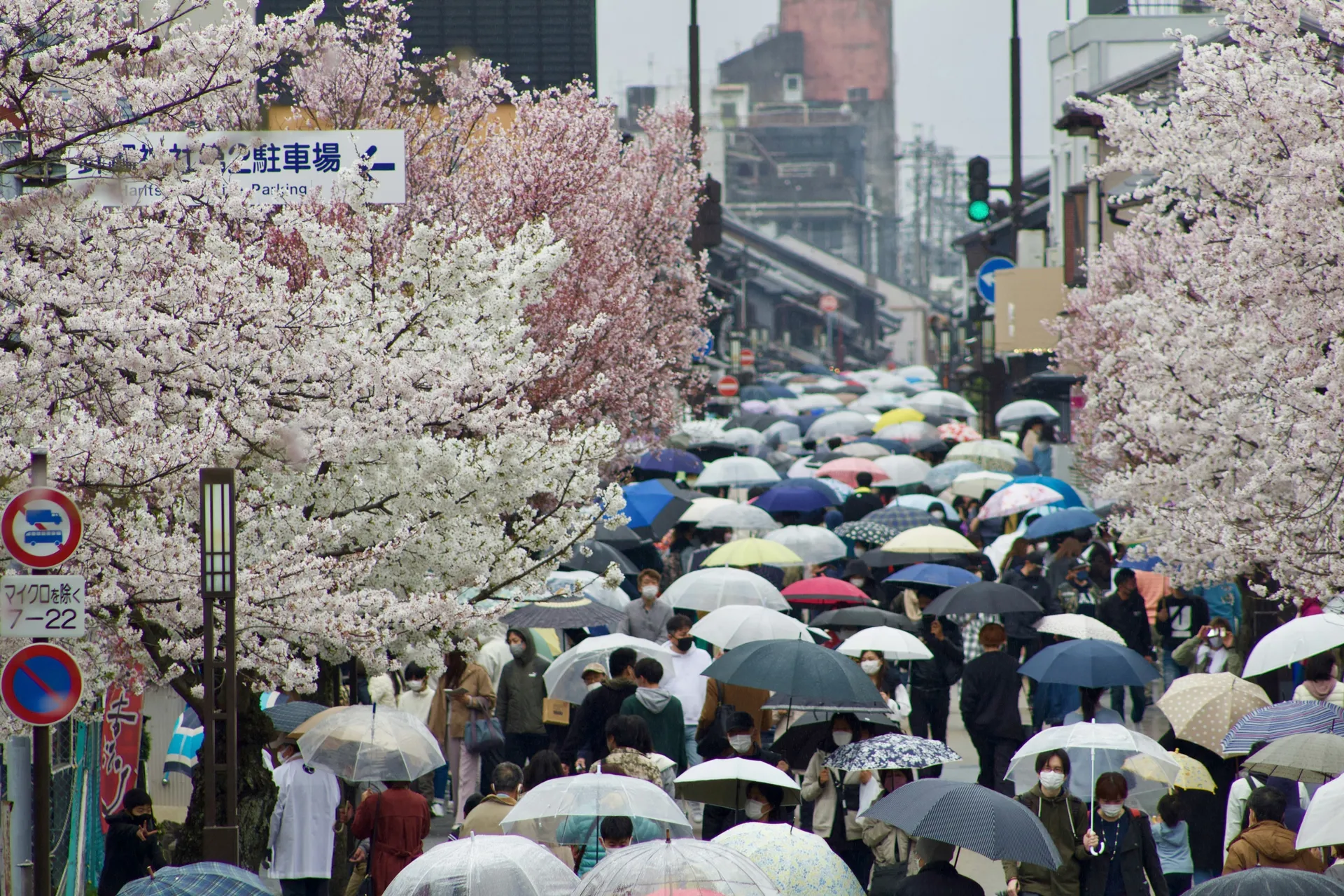
Inuyama's charm extends well beyond its castle. Inuyama Festival, held on the first weekend of April, is one of the great float festivals of central Japan. Thirteen towering yama floats, each three stories tall and adorned with mechanical karakuri puppets, are paraded through the narrow streets of the old town before being illuminated with 365 paper lanterns at nightfall — a spectacle so extraordinary that UNESCO inscribed it on the Intangible Cultural Heritage list in 2016. The castle town's preserved streets, lined with Edo-period machiya townhouses converted into cafés, craft shops, and small museums, offer the pleasures of a Takayama or Kurashiki without the crowds. The Urakuen Garden, attached to the Meitetsu Inuyama Hotel, contains the Jo-an teahouse — one of only three tea rooms in Japan designated as National Treasures, built in 1618 by Oda Uraku, brother of the great warlord Oda Nobunaga.
The culinary landscape of Inuyama reflects its position in the heartland of Nagoya food culture. Dengaku — tofu or taro skewered and grilled with sweet miso paste — is the town's signature dish, best enjoyed at one of the traditional restaurants near the castle approach. The castle town's main street has experienced a renaissance of artisanal food shops offering gohei mochi (pounded rice with walnut-miso glaze), local craft beer, and Instagram-worthy soft-serve ice cream in flavors from matcha to amazake. For a more substantial meal, nearby Nagoya's celebrated cuisine — miso katsu, hitsumabushi (grilled eel over rice), and tebasaki chicken wings — is just thirty minutes away by train.
The Kiso River itself provides one of Inuyama's most distinctive experiences. Ukai — cormorant fishing — has been practiced here for over 1,300 years, and from June to October, visitors can board traditional wooden boats to watch skilled fishermen manage teams of trained cormorants that dive for ayu sweetfish in the torchlit river. The Meiji Mura open-air museum, a twenty-minute bus ride from central Inuyama, preserves over sixty Meiji-era (1868–1912) buildings relocated from across Japan, including the entrance hall of Frank Lloyd Wright's Imperial Hotel — a masterpiece of early modernism rescued from demolition. The nearby Japan Monkey Park and the Little World museum of ethnography make Inuyama an ideal family destination.
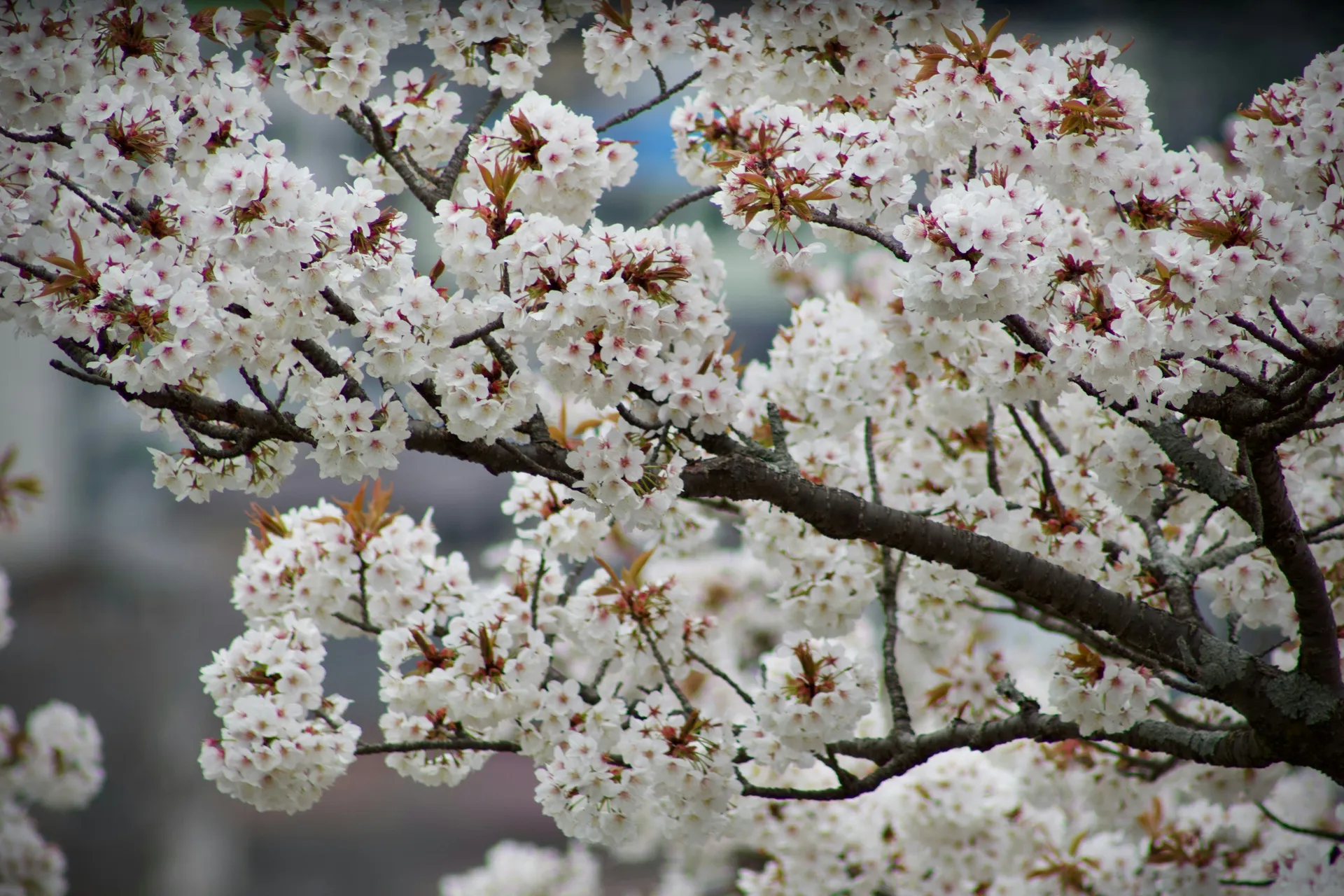
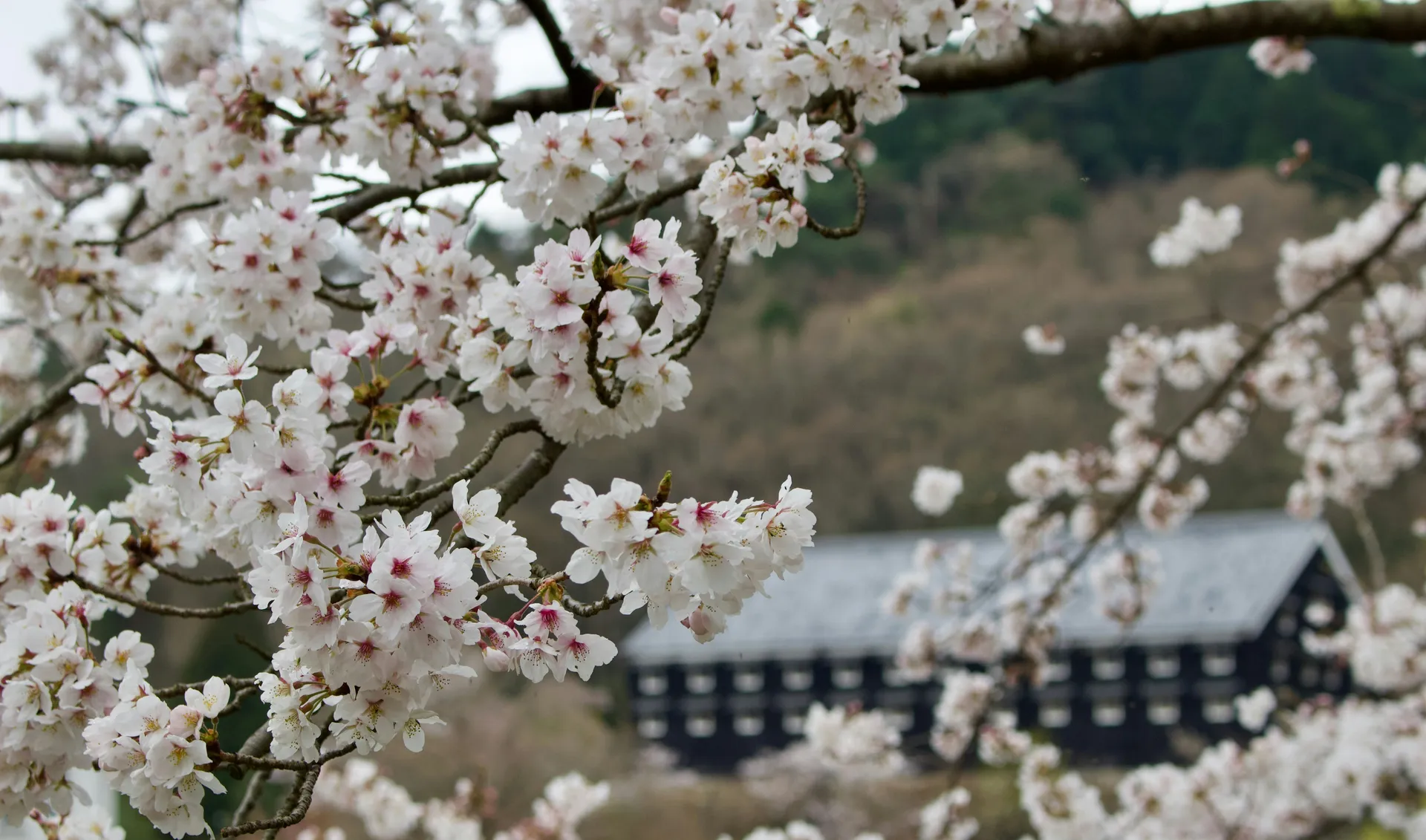
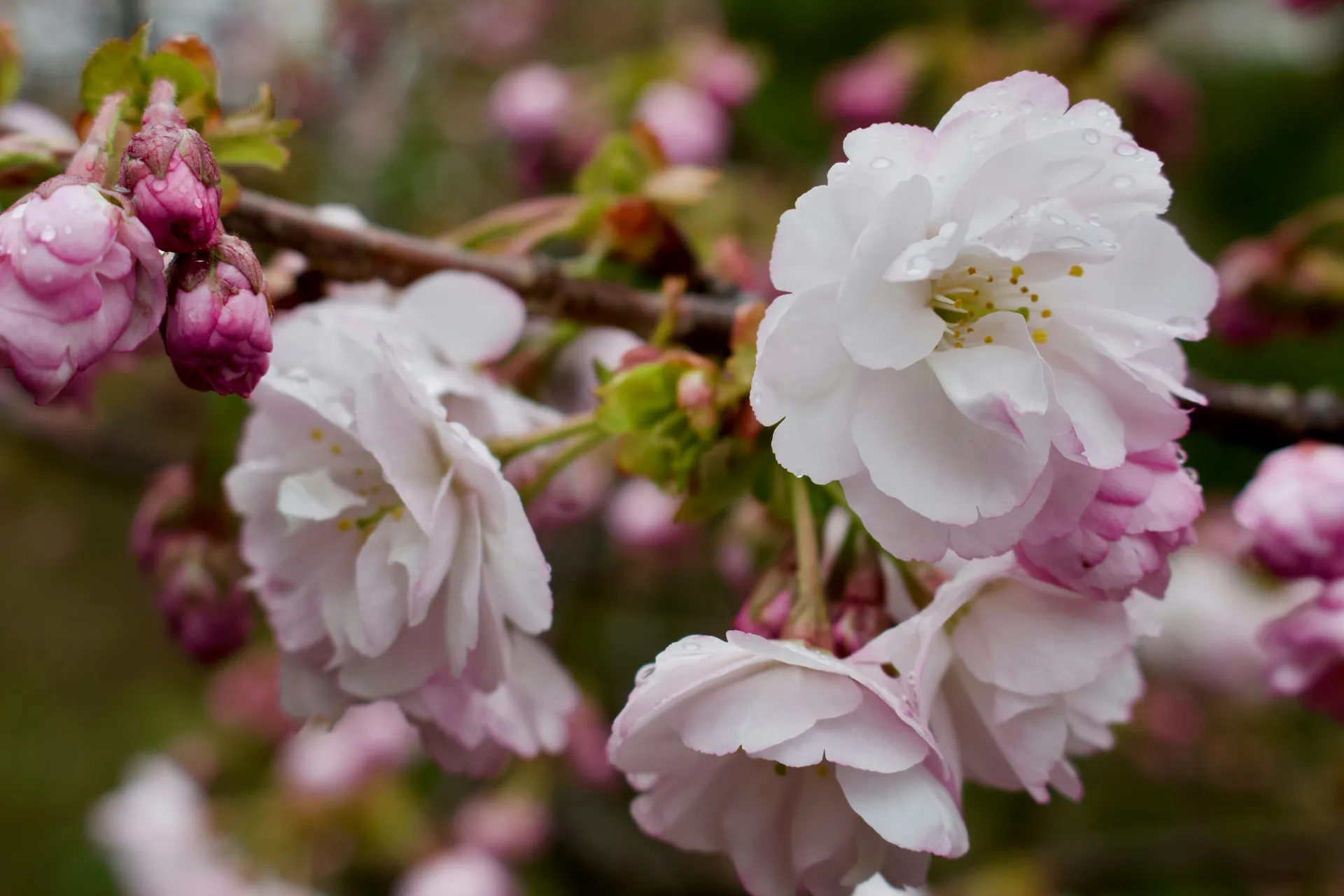
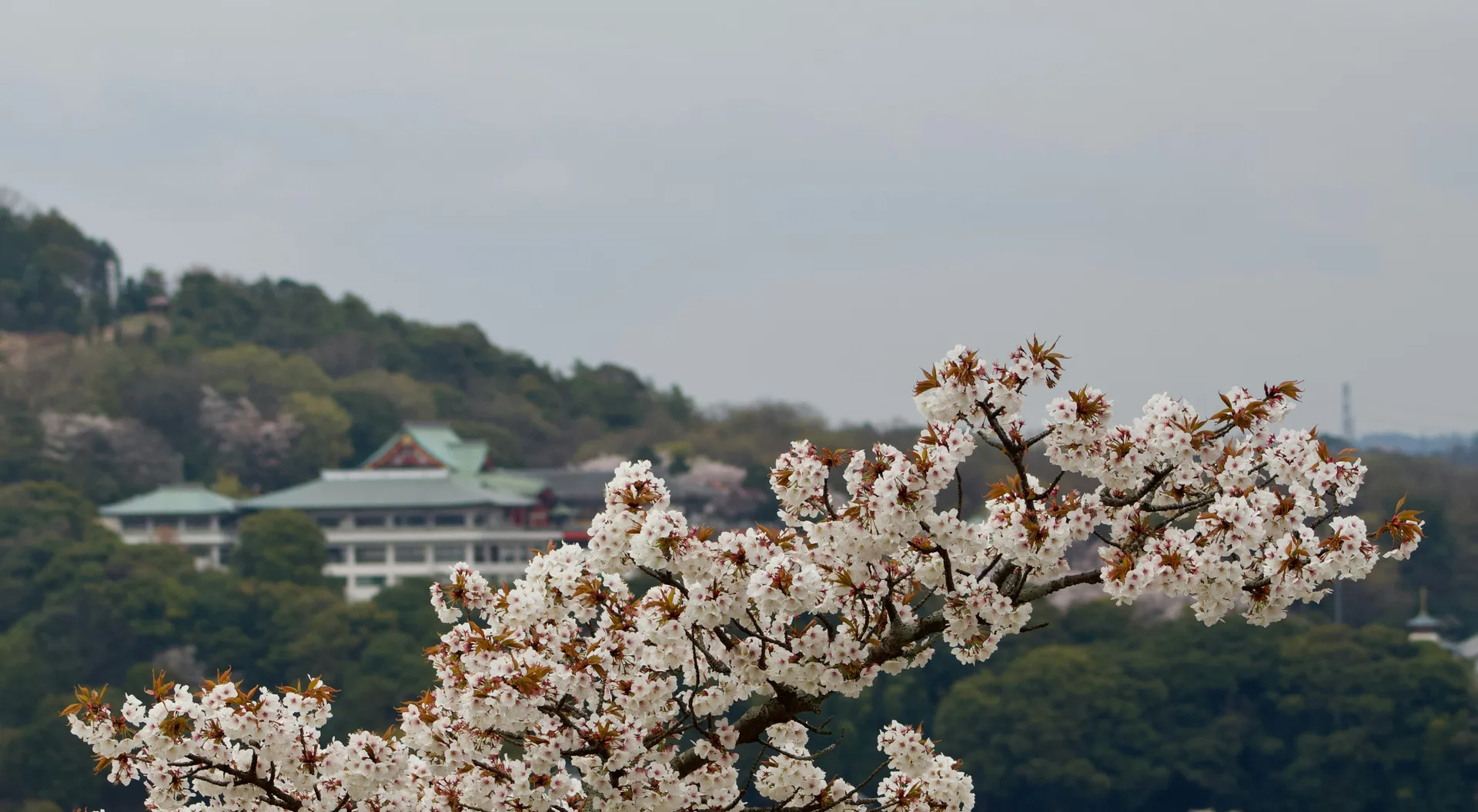
Inuyama is easily reached from Nagoya in thirty minutes via the Meitetsu Inuyama Line, making it a perfect day trip or overnight excursion. The castle town is compact and walkable. For river cruise passengers on the Kiso River, Inuyama serves as either embarkation point or highlight stop. Cherry blossom season in late March to early April is spectacular — the castle grounds are one of the region's finest hanami spots — while the Inuyama Festival in early April and the cormorant fishing season from June to October provide compelling reasons to visit in warmer months.