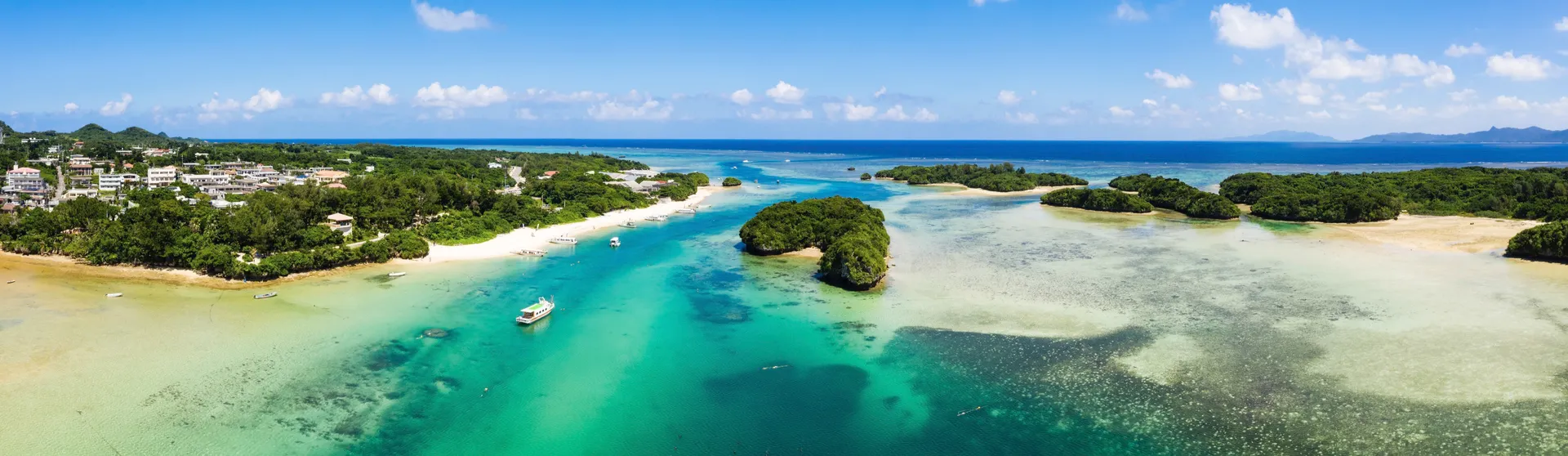
Ishigaki is the gateway to Japan's last frontier — the Yaeyama Islands, a subtropical archipelago closer to Taiwan than to Tokyo, where coral reefs, mangrove forests, and a pace of life more Polynesian than Japanese create an experience that challenges every assumption visitors bring about the Land of the Rising Sun.
The island's waters harbor Japan's finest coral reefs, with over three hundred species of coral creating underwater gardens of extraordinary diversity. The Shiraho Reef, on Ishigaki's eastern coast, is home to the world's largest colony of blue coral (Heliopora coerulea) — a species of such rarity that its concentration here has earned international conservation recognition. Snorkeling and diving from Ishigaki access reef systems that marine biologists rank alongside the best in the Coral Triangle.
The cultural heritage of the Yaeyama Islands reflects their distance from mainland Japanese authority. The local dialect — Yaeyama language — is barely comprehensible to mainland Japanese speakers. The music tradition, centered on the sanshin (three-stringed lute), carries Okinawan and Ryukyuan influences that connect these islands more closely to Southeast Asian musical traditions than to the koto and shamisen of Tokyo and Kyoto. The Yaeyama minsa weaving tradition — intricate cotton textiles with patterns that historically communicated marriage proposals — has been designated a traditional Japanese craft.
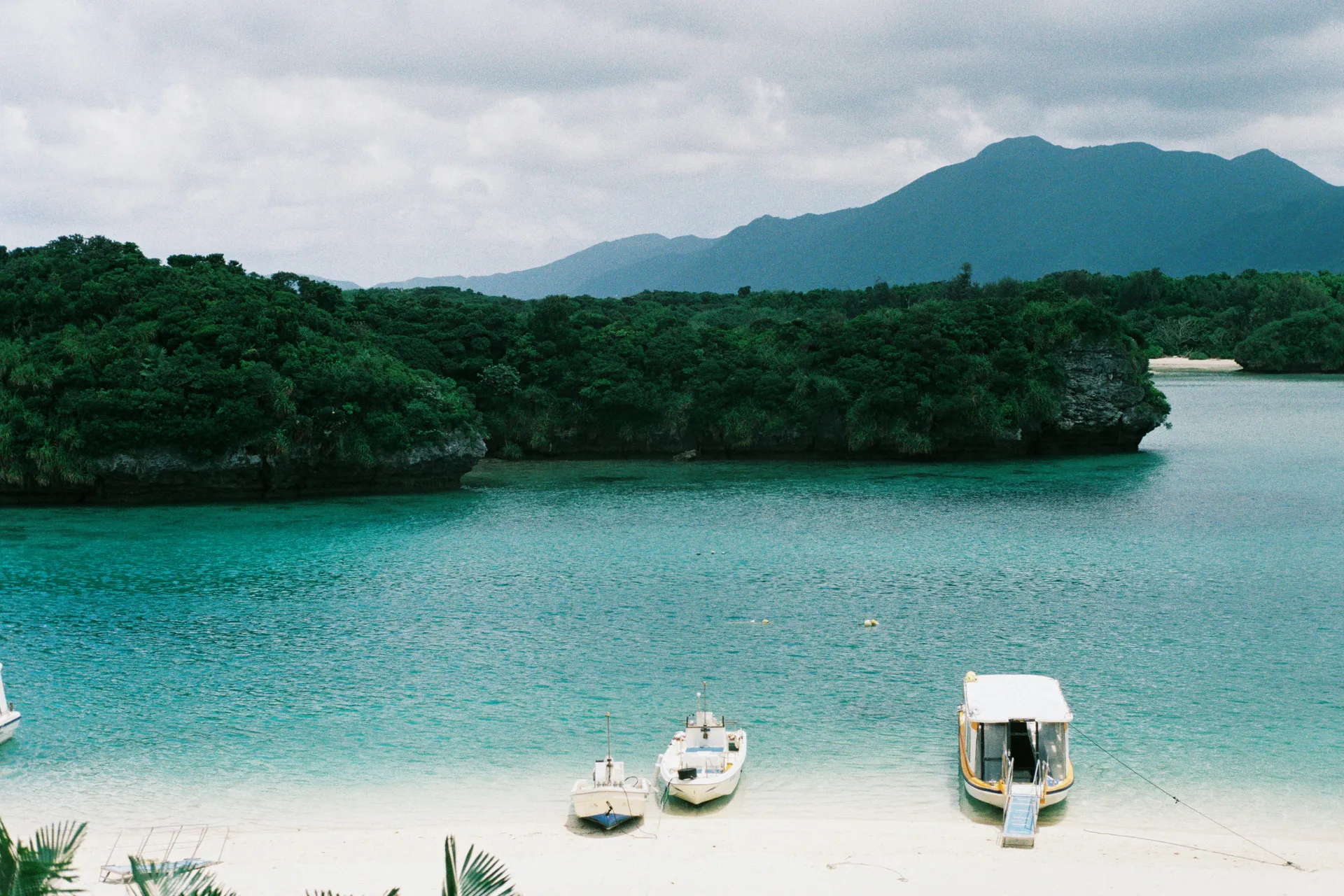
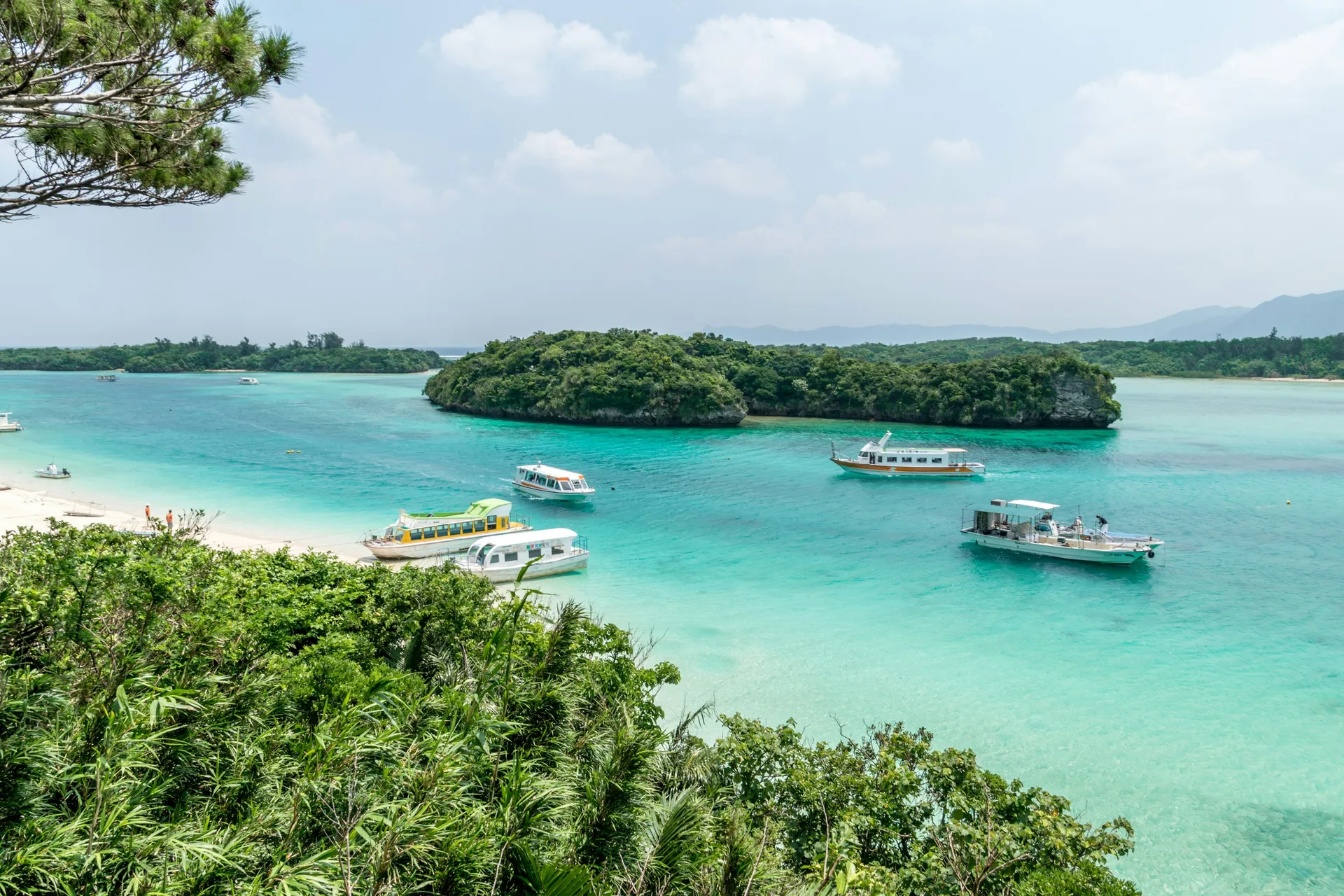
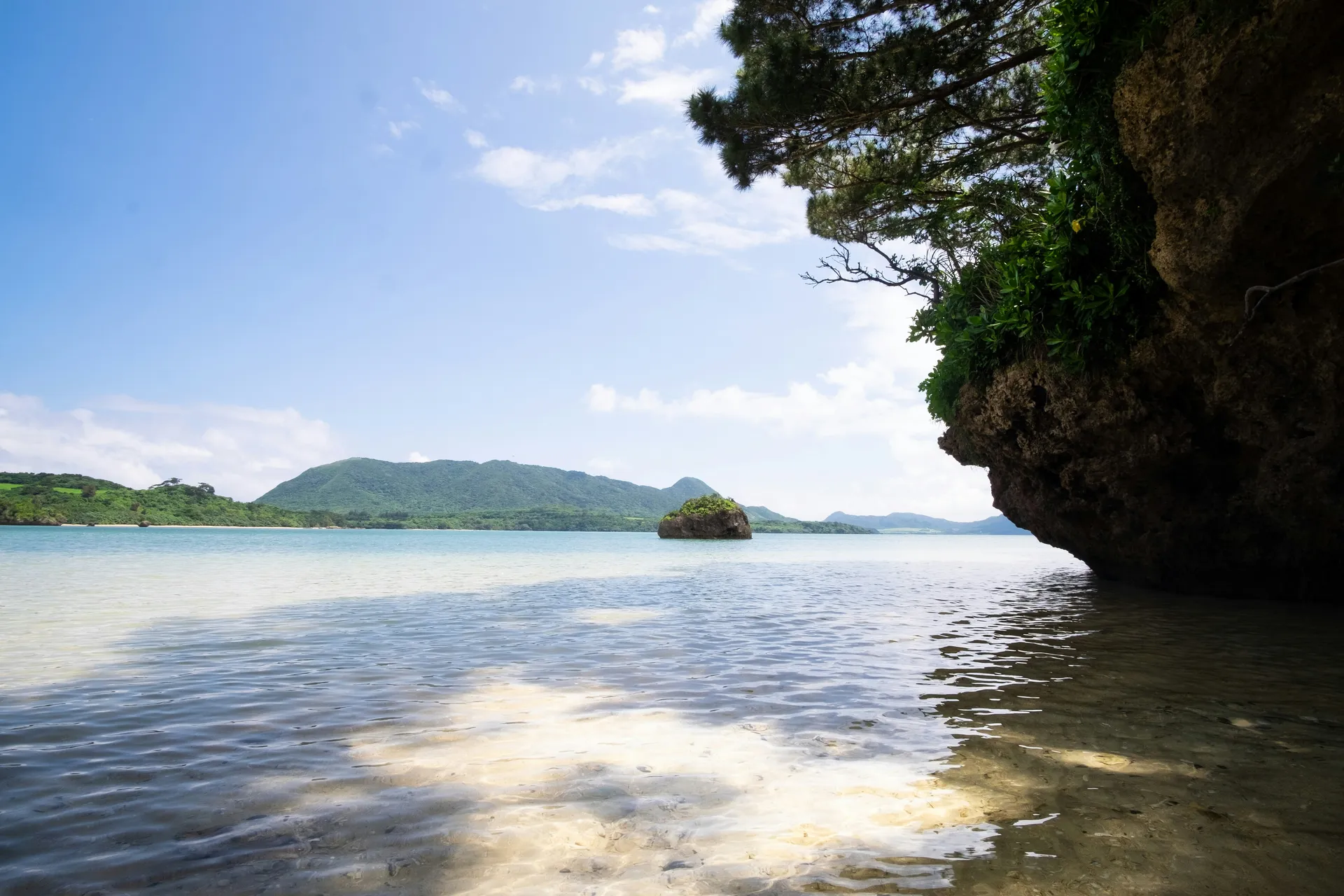
Costa Cruises, Holland America Line, MSC Cruises, Oceania Cruises, Princess Cruises, and Royal Caribbean include Ishigaki on East Asian and transpacific itineraries. The island's Kabira Bay, where emerald water fills a cove surrounded by jungle-covered hills, consistently ranks among Japan's most beautiful views and provides glass-bottom boat access to the coral gardens below.
March through October offers the warmest conditions, with June through September providing the best water clarity for snorkeling, though the June rainy season should be considered. Ishigaki is the Japan that travel brochures never show — tropical, unhurried, and possessed of a cultural identity that reminds visitors how much diversity exists within what the world casually regards as a homogeneous nation.