Ishinomaki occupies a bittersweet place in Japan's collective memory. This coastal city on Honshu's northeastern Sanriku coast was once one of the nation's most important fishing ports, its wharves crowded with boats returning from the rich Pacific grounds with holds full of bonito, saury, and oysters. Then, on March 11, 2011, the Great East Japan Earthquake and its resulting tsunami struck with devastating force, claiming nearly 3,500 lives in Ishinomaki alone — the single highest toll of any municipality affected by the disaster. The city's recovery, still ongoing, has become a symbol of Japanese resilience, and visitors today encounter a community that has transformed its grief into purpose, building memorials, preserving stories, and welcoming outsiders with a warmth that transcends language.
The city's cultural identity revolves around an unlikely hero: Shotaro Ishinomori, the manga artist whose prolific output — recognised by Guinness World Records as the most comics published by a single author — gave the world Cyborg 009 and Kamen Rider. The Mangattan Museum, housed in a striking spaceship-shaped building on a small island in the Kitakami River, celebrates his work with original manuscripts, life-sized character statues, and interactive exhibits that delight visitors of all ages. The pedestrian streets connecting the train station to the museum are lined with character statues, turning a simple walk through downtown into a treasure hunt that has revitalised the city centre.
Ishinomaki's culinary heritage is built on the extraordinary productivity of its waters. The Sanriku coast's complex rias topography — deeply indented bays fed by cold Oyashio currents — creates ideal conditions for oyster farming, and Ishinomaki's kaki (oysters) are prized throughout Japan for their creamy sweetness and mineral finish. Kinkazan Island, visible offshore, lends its name to one of the region's most celebrated sushi fish — the golden-eyed sea bream — while the autumn saury season transforms the city into a festival of sanma, grilled whole over charcoal and served with grated daikon and a squeeze of sudachi citrus. The rebuilt fish market at the port buzzes with the energy of the daily auction, and several sushi counters within the market serve morning sets of startling freshness.
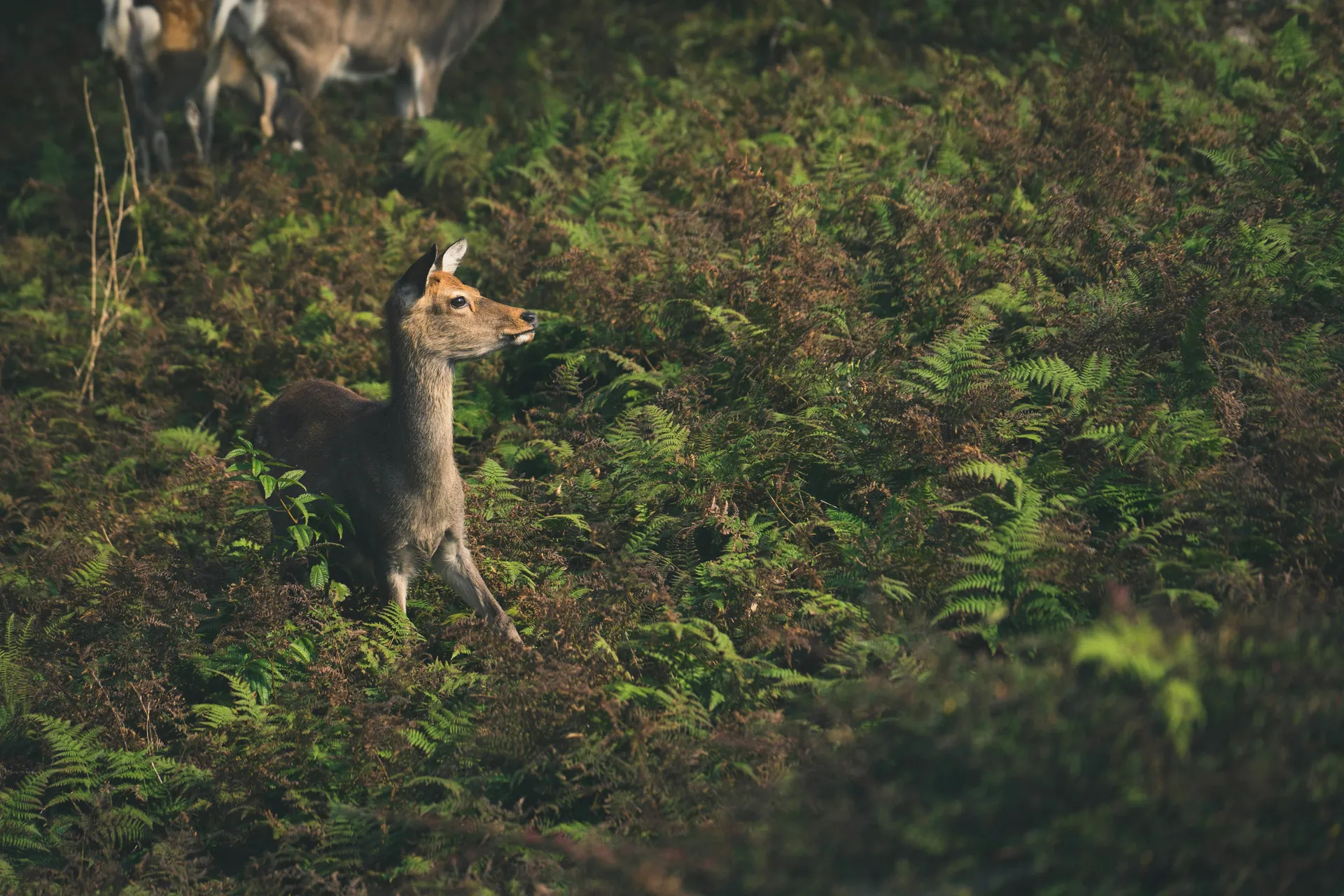
Beyond the city, the Sanriku coast unfolds in a succession of dramatic headlands, hidden coves, and pine-forested promontories that the poet Matsuo Bashō celebrated in his 17th-century travel journal Oku no Hosomichi. Kinkasan Island, accessible by ferry, is a sacred mountain where wild deer roam freely among the cryptomeria groves surrounding the Koganeyama Shrine, established in 749 during the Nara period. The San Juan Bautista Museum preserves a full-scale replica of the galleon that carried the samurai Hasekura Tsunenaga across the Pacific to Spain and Rome in 1613 — one of the most extraordinary diplomatic missions in Japanese history.
Ishinomaki receives cruise ships at its rebuilt port facilities, with most vessels docking alongside the pier. The best time to visit is from May through October, when the coastal weather is mild and the oyster and seafood seasons overlap most generously. The cherry blossom season in mid-April is particularly moving here, as the trees that survived the tsunami bloom alongside newly planted ones, creating a landscape that speaks simultaneously of loss and renewal — a metaphor the Japanese understand more deeply than anyone.

