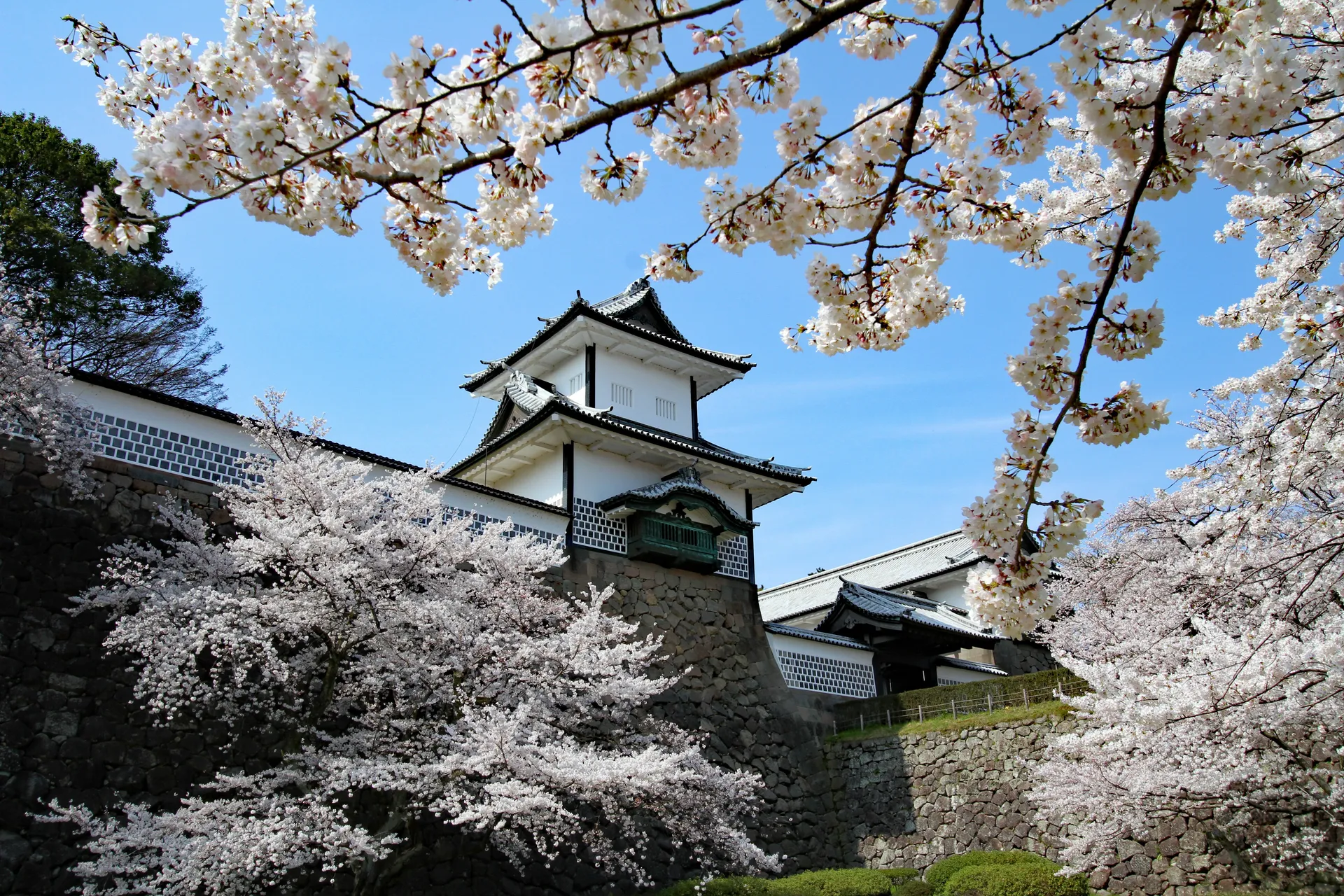
On the coast of the Sea of Japan, sheltered by the Japanese Alps from the cultural gravity of Tokyo and Osaka, Kanazawa spent four centuries cultivating a refined aesthetic under the patronage of the Maeda clan — the wealthiest feudal family outside the Tokugawa shoguns themselves. Their fortune, measured in rice, was staggering: one million koku, enough to feed a million people for a year. This wealth was channeled not into military ambition but into arts, crafts, and the creation of a city that rival Kyoto in cultural depth while remaining, in its finest quarters, more intimate, more preserved, and less overwhelmed by tourism.
Kenrokuen, the garden that has become Kanazawa's global calling card, is consistently ranked among the three most beautiful landscape gardens in Japan — alongside Okayama's Korakuen and Mito's Kairakuen. Spread across 11 hectares on the heights above the castle, Kenrokuen's name means "Garden of Six Sublimities," referring to the six attributes that Chinese landscape theory considers essential for perfection: spaciousness, seclusion, artifice, antiquity, water features, and panoramic views. The garden achieves all six with a grace that feels effortless despite centuries of meticulous cultivation. Each season transforms it — snow-laden pine branches supported by the characteristic yukitsuri ropes in winter, cherry blossoms in spring, irises in summer, and the incandescent maple foliage of autumn — creating a place that rewards repeated visits without ever diminishing in impact.
The samurai and geisha districts of Kanazawa have survived with a completeness that is exceptional in Japan. Nagamachi, the samurai quarter, preserves earthen walls, narrow lanes, and restored residences that evoke the disciplined elegance of warrior-class life. The Nomura family residence, with its miniature garden of exquisite refinement, demonstrates how beauty could be compressed into the most constrained of spaces. Higashi Chaya, the eastern geisha district, is perhaps even more atmospheric — its wooden lattice-fronted tea houses line cobblestone streets that look unchanged from the Edo period. Some of these tea houses still operate, and experiencing a private performance of traditional dance and music, accompanied by matcha and wagashi sweets, is one of Japan's most cultivated cultural encounters.
Kanazawa's craft tradition is among the richest in Japan, a direct legacy of the Maeda clan's centuries of patronage. The city produces over 99 percent of Japan's gold leaf — the delicate sheets used in everything from temple decoration to cosmetics — and the Gold Leaf Museum allows visitors to try their hand at applying this impossibly thin material. Kutani ware, the region's distinctive overglaze porcelain painted in bold colors, has been produced since the seventeenth century. Kanazawa's lacquerware, silk dyeing (Kaga yuzen), and Kaga embroidery represent craft traditions that continue at the highest level, with workshops and studios welcoming visitors throughout the city. The 21st Century Museum of Contemporary Art, a circular glass structure by SANAA, provides a striking counterpoint, housing international contemporary art in a space of radical openness.
Kanazawa's port at Kanazawa-ko can accommodate cruise ships, with the city center approximately 20 minutes away by shuttle. The city is compact enough to explore on foot, with most attractions within walking distance of each other. The Sea of Japan climate brings significant snowfall in winter — which creates Kenrokuen's most iconic images — while autumn foliage (November) and spring cherry blossoms (early April) are equally celebrated. The Omicho Market, operating since the Edo period, provides the city's culinary anchor: fresh crab, sweet shrimp, and the prized nodoguro (blackthroat seaperch) served as sashimi or grilled, alongside the refined cuisine of the city's many traditional restaurants. Kanazawa is the Japan of craftsmanship, contemplation, and quiet mastery.

