On the northwestern coast of Kyushu, where Japan faces the Korean Peninsula across the Genkai Sea, the castle town of Karatsu has cultivated a ceramic tradition so revered that its name—Karatsu-yaki—has become a synonym for pottery itself in parts of Japan. The saying "Ichi Raku, Ni Hagi, San Karatsu" (first Raku, second Hagi, third Karatsu) places this small city’s wares among the three most prized styles in Japanese tea ceremony, a ranking that reflects not technical perfection but the wabi-sabi aesthetic of rustic beauty and deliberate imperfection that Karatsu potters have pursued for over four centuries.
Karatsu’s ceramic heritage traces to the late 16th century, when Korean potters—brought to Kyushu during Toyotomi Hideyoshi’s invasions of Korea—established kilns that fused Korean techniques with Japanese aesthetic sensibilities. The resulting Karatsu-yaki tradition encompasses multiple styles: E-Garatsu (painted Karatsu) with its spontaneous brushwork depicting grasses and flowers, Chosen Karatsu with its dramatic two-tone glazes, and the prized Madara Karatsu, whose mottled, opalescent surface is achieved through a wood-ash glaze of unpredictable beauty. The Nakazato Tarouemon kiln, operating continuously for 14 generations, is designated a Living National Treasure, and visits to its workshop reveal the unchanged techniques of wedging, throwing, and wood-firing that produce pottery of quietly extraordinary character.
Karatsu Castle (Maizuru-jō), perched on a headland overlooking the sea, provides the town’s visual centerpiece. Built in 1608, the castle’s reconstructed tower offers panoramic views of the Niji-no-Matsubara (Rainbow Pine Grove)—a 4.5-kilometer crescent of a million black pines planted along the beach in the 17th century as a windbreak, now designated a Special Place of Scenic Beauty. Walking or cycling through this cathedral of twisted pine trunks, with the sea glinting between the branches, is one of Kyushu’s most meditative experiences.
Karatsu’s culinary identity revolves around the Genkai Sea’s rich fishing grounds. Yobuko, a fishing port within the city limits, is famous throughout Japan for its ika (squid)—served as ika-no-ikizukuri (live squid sashimi) so fresh that the translucent flesh still moves on the plate. The morning market at Yobuko, operating since the Meiji era, sells the night’s catch alongside dried seafood, pickled vegetables, and the homemade mochi that fuel the market’s early-rising clientele. Karatsu’s proximity to the Saga Plain adds wagyu beef and premium Saga rice to the culinary repertoire, while the local sake breweries produce refined, food-friendly brews.
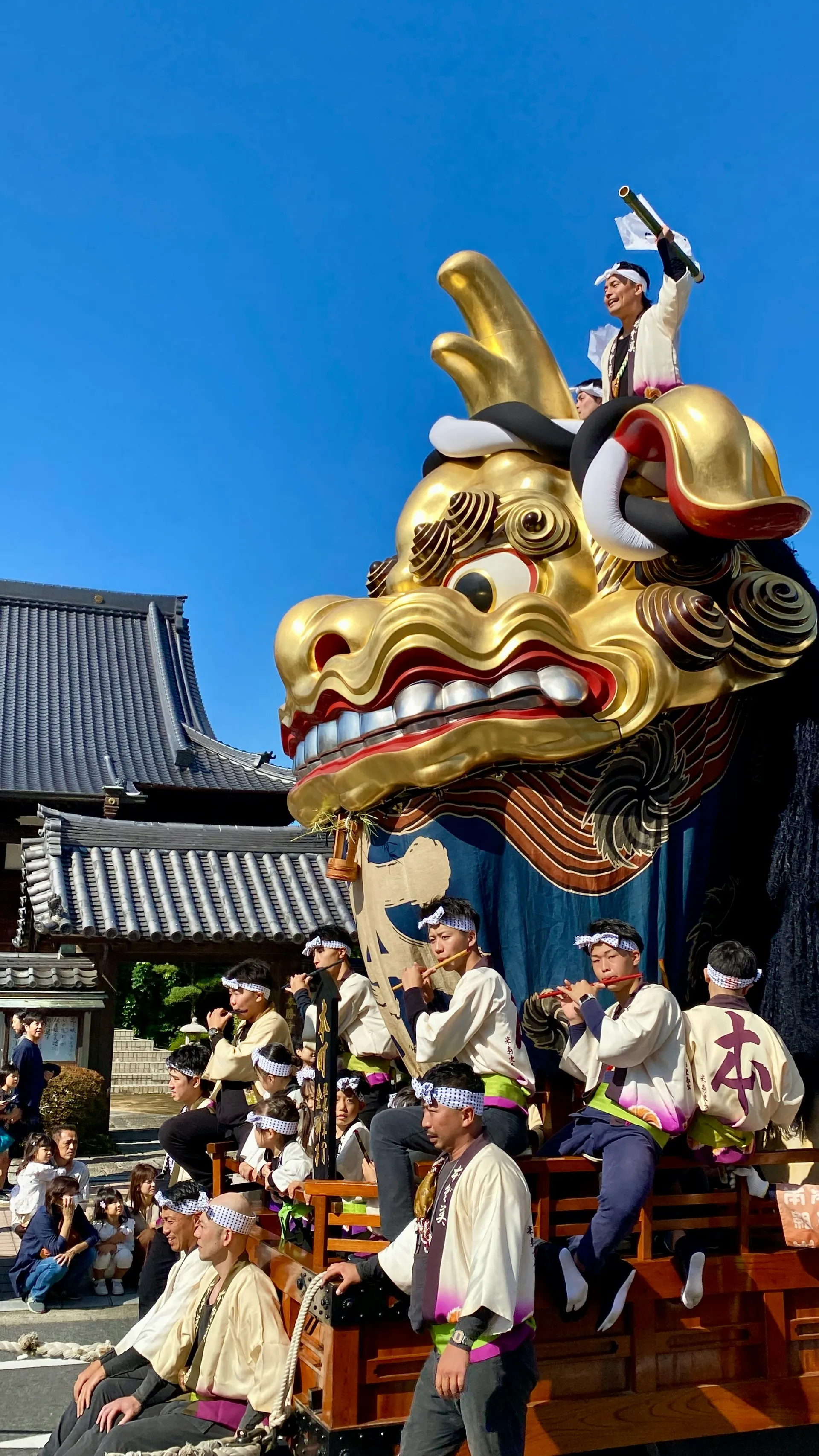
Windstar Cruises brings its intimate sailing vessels to Karatsu, and the pairing of small-ship ambiance with a town that values craft, quietude, and aesthetic refinement could not be more harmonious. The port’s position on Kyushu’s northwestern coast places it within easy reach of Fukuoka’s urban energy and Nagasaki’s historical weight, but Karatsu’s appeal lies in its unhurried, artisanal character—a town where the most valuable objects are deliberately imperfect, and the greatest luxury is the time to appreciate them. Cherry blossom season (late March–early April) and the Karatsu Kunchi festival (November 2–4) provide seasonal highlights, while the autumn months offer comfortable temperatures for kiln visits and coastal walks.