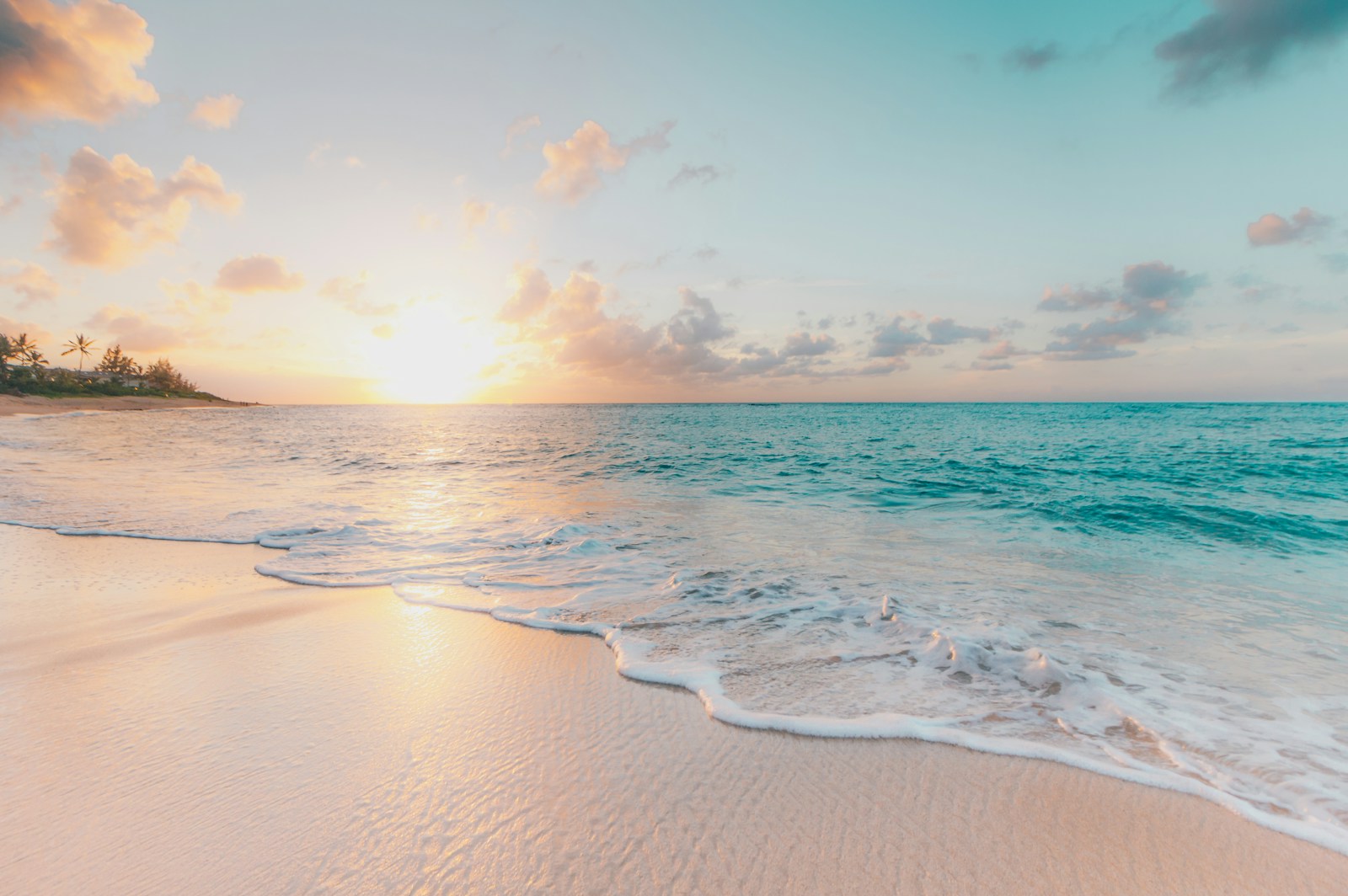
On the remote western coast of the Noto Peninsula, where the Sea of Japan crashes against rocky headlands that jut from the densely forested hillsides of Ishikawa Prefecture, the tiny fishing hamlet of Kehayaza exists in a state of splendid isolation that has preserved a way of life rapidly vanishing from modern Japan. This is a community where the rhythms of the sea still dictate the daily schedule, where fishing nets are mended by hand on the harbor wall, and where the surrounding forests yield the wild mountain vegetables and mushrooms that define the cuisine of Japan's most culinarily sophisticated rural region.
The character of Kehayaza is inseparable from the Noto Peninsula's designation as a UNESCO-recognized Globally Important Agricultural Heritage System. The peninsula's satoyama landscape—the traditional Japanese interface between mountain wilderness and cultivated land—survives here in a form that has vanished from most of the country. Terraced rice paddies climb the hillsides above the village, their stone walls maintained by farming families whose ancestors carved them from the forested slopes centuries ago. In spring, the paddies flood to create mirrors that reflect the surrounding mountains; in autumn, the harvested fields turn gold beneath a canopy of crimson Japanese maple.
The culinary traditions of the Noto coast find concentrated expression in the seasonal catch and foraged ingredients available to communities like Kehayaza. Winter brings the prized snow crab (zuwaigani) and yellowtail (buri), prepared as sashimi of transcendent freshness or simmered in the hearty nabe hotpots that sustain fishermen through the cold months. The local production of ishiru—a fermented fish sauce made from squid or sardine innards—gives Noto cooking a depth of umami that connects it to the ancient food traditions of Southeast Asia. Foraged mountain vegetables (sansai) including fiddlehead ferns, bamboo shoots, and wild wasabi appear on spring menus with an intensity of flavor that cultivated versions cannot replicate.
The Noto Peninsula surrounding Kehayaza offers a journey through some of Japan's most unspoiled coastal and rural landscapes. The Senmaida rice terraces at Shiroyone, where over a thousand tiny paddies cascade down a cliff face to the sea, are among the most photographed agricultural landscapes in Japan—especially during the winter illumination when thousands of LED lights transform the terraces into a constellation descending to the water. Wajima, the peninsula's largest town, is renowned for its morning market and its lacquerware tradition, with artisans producing urushi pieces of museum quality using techniques perfected over centuries. The Suzu salt farms at the peninsula's tip preserve the ancient practice of agehama salt-making, concentrating seawater through sand filtration and wood-fired evaporation.
Kehayaza is reached by car from Kanazawa (approximately two to three hours) via the Noto Satoyama Highway. Public transportation to the remote western coast is limited, making a rental car essential. The most rewarding visiting months are April through November, with spring bringing cherry blossoms and mountain vegetables, summer offering warm seas and festival celebrations, and autumn producing spectacular foliage and the mushroom harvest. Winter, while cold and stormy, brings the finest seafood and the dramatic wave action that the Japanese call nami no hana—wave flowers—as ocean spray freezes into sculptural forms along the coast.

