Kobe is a city that has risen twice from catastrophe and each time emerged more refined, more cosmopolitan, and more certain of its identity. Wedged between the Rokko mountain range and the waters of Osaka Bay, this port city of 1.5 million has been Japan's primary gateway to the Western world since it was forced open to foreign trade in 1868—a history that gave Kobe its distinctive character as Japan's most international city, a place where European bakeries, Chinese temples, Muslim mosques, and Shinto shrines coexist within a few walkable blocks. The devastating Great Hanshin Earthquake of 1995, which killed over 6,000 people and leveled entire neighborhoods, tested the city's resilience to its core. The rebuilt Kobe that stands today is a testament to Japanese engineering and community spirit—modern, elegant, and infused with a confidence born of survival.
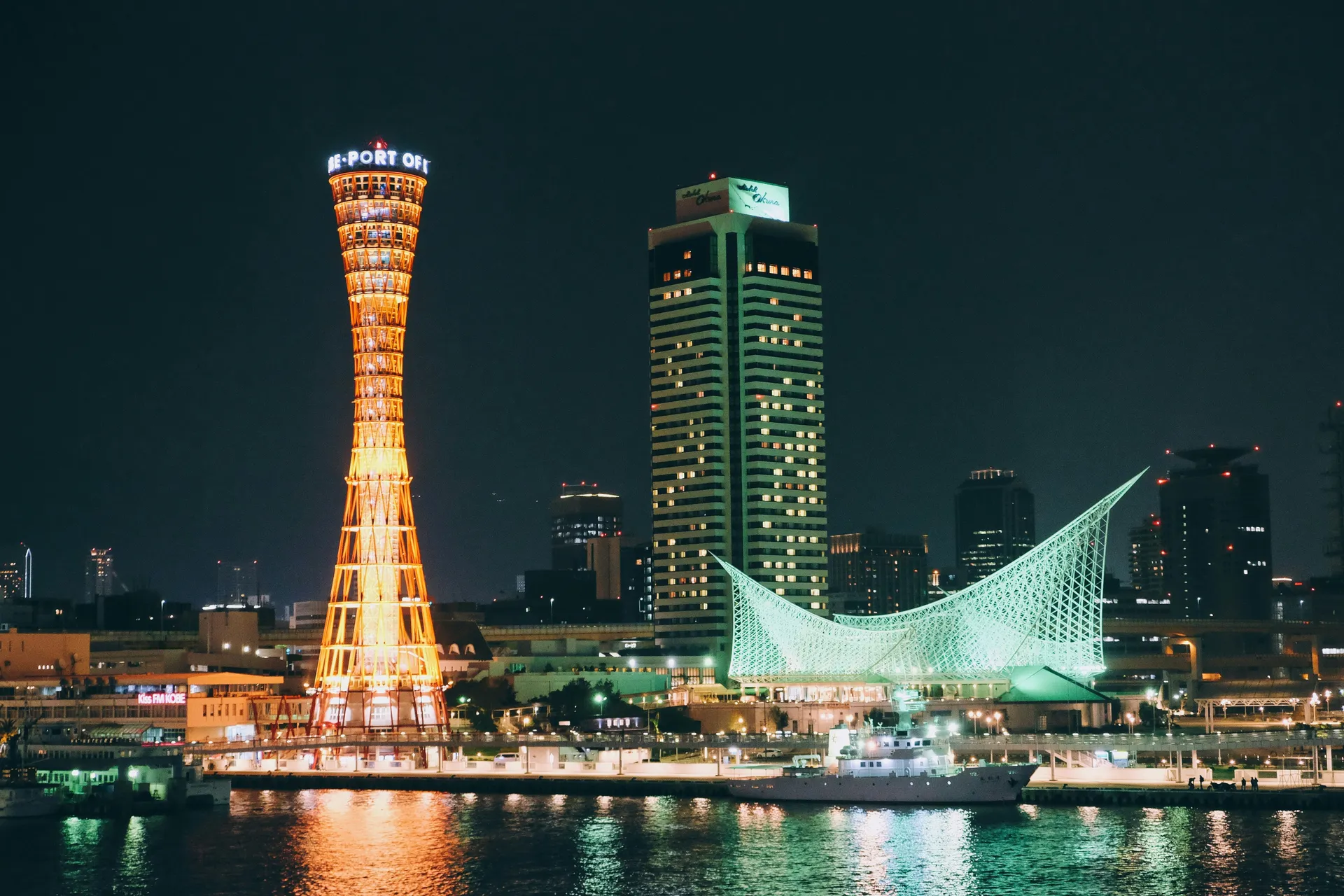
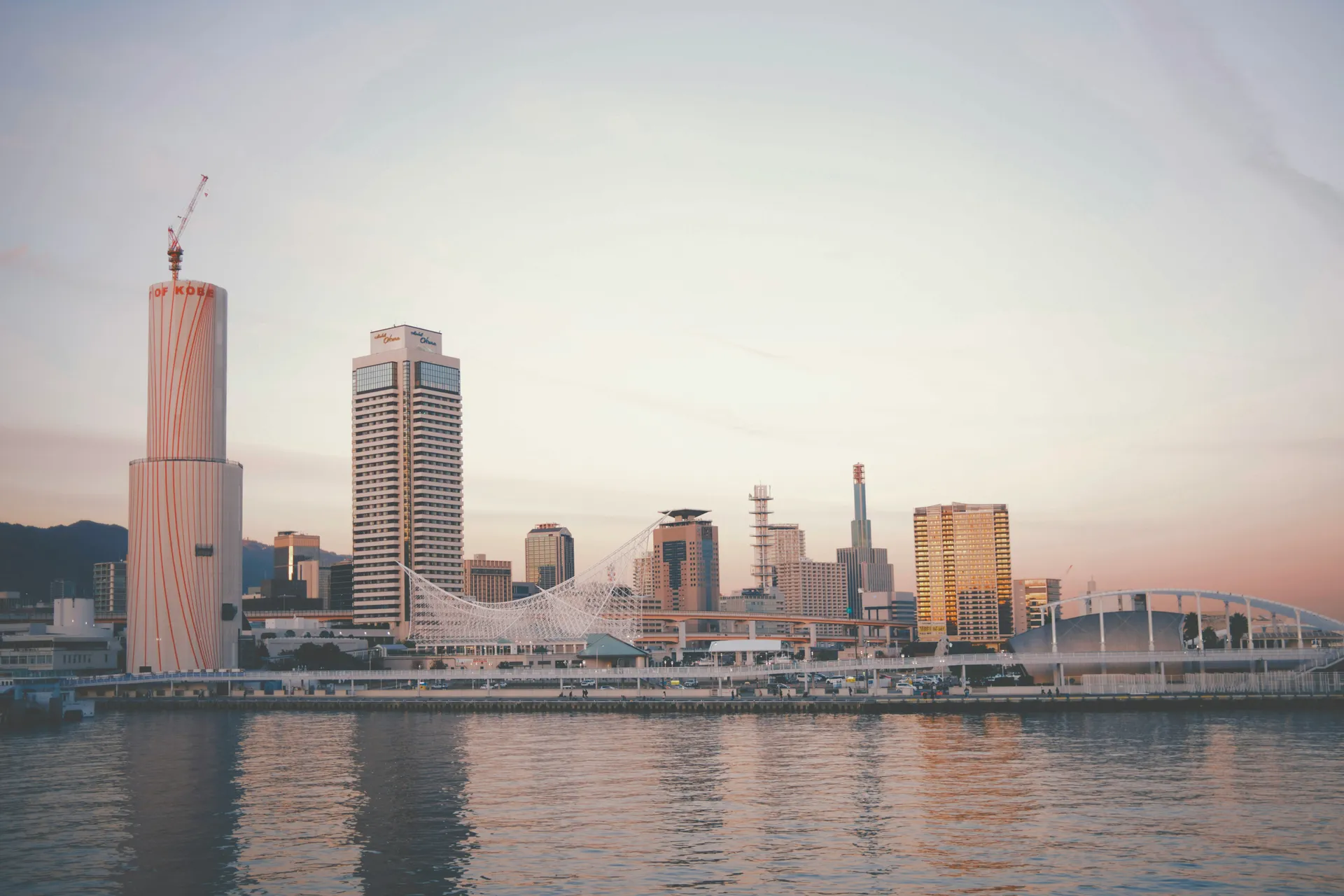
The city's cosmopolitan heritage is best explored on foot through its distinct neighborhoods. Kitano-cho, the hillside district where foreign merchants built Victorian and colonial homes during the Meiji era, preserves a collection of ijinkan (foreign residences) that now serve as museums, each furnished in the style of its original occupants—British, French, German, Chinese, and American. The views from Kitano back down over the city to the harbor are spectacular. Kobe's Chinatown (Nankinmachi), one of the three great Chinatowns of Japan, occupies a compact grid of ornate gates and bustling food stalls. Meriken Park on the waterfront features the Earthquake Memorial, which preserves a section of collapsed pier exactly as it fell in 1995—a haunting counterpoint to the gleaming Port Tower and Maritime Museum nearby.
Kobe beef is, of course, the city's most famous culinary export—and experiencing it in its city of origin is an event of almost reverential intensity. Authentic Kobe beef comes exclusively from Tajima cattle raised in Hyogo Prefecture, certified under strict protocols that govern everything from the animals' genetics to their diet. The marbling—those intricate webs of intramuscular fat—produces a tenderness and flavor that justify the extraordinary prices. Teppanyaki restaurants, where the beef is seared on an iron griddle before your eyes by white-gloved chefs, offer the most theatrical preparation. But Kobe's food culture extends far beyond its famous beef: the city is renowned for its Western-style bakeries (a legacy of the foreign settlement), its sake breweries in the Nada district (which produces a third of Japan's sake, using water from the Rokko Mountains), and its Chinese street food in Nankinmachi—nikuman (steamed pork buns) and shoronpo (soup dumplings) consumed standing up amid the bustle.
The Rokko mountains rising directly behind the city offer a suite of attractions that few cruise port cities can match. The Shin-Kobe Ropeway ascends from near the city's bullet train station to the Nunobiki Herb Gardens, a terraced botanical garden with panoramic bay views. Arima Onsen, one of Japan's oldest and most prestigious hot spring towns, nestles in a valley on the mountains' far side—its kinsen (gold water, iron-rich) and ginsen (silver water, carbonated) baths have attracted bathers since the eighth century. The summit of Mount Rokko itself offers a night view designated one of Japan's three finest, with the city lights cascading from mountain to sea in a glittering carpet. For day-trippers, the ancient capital of Kyoto is just 30 minutes by bullet train, and Osaka—Japan's gastronomic capital—is even closer.
Costa Cruises, Holland America Line, Princess Cruises, and Silversea all call at Kobe, with ships docking at the Kobe Port Terminal, conveniently located in the city center within walking distance of Meriken Park, Nankinmachi, and the shopping districts. The port's central position and excellent rail connections make Kobe an ideal embarkation point for wider Kansai exploration. Cherry blossom season (late March–early April) and autumn foliage (mid-November–early December) are the most popular visiting periods, but Kobe's mild maritime climate makes it pleasant year-round. Typhoon season (August–October) can bring disruptions, though Kobe's sheltered bay position mitigates the worst effects. Kobe is a city that proves something important about Japan: that resilience and refinement are not opposing qualities but complementary ones, each strengthened by the other.