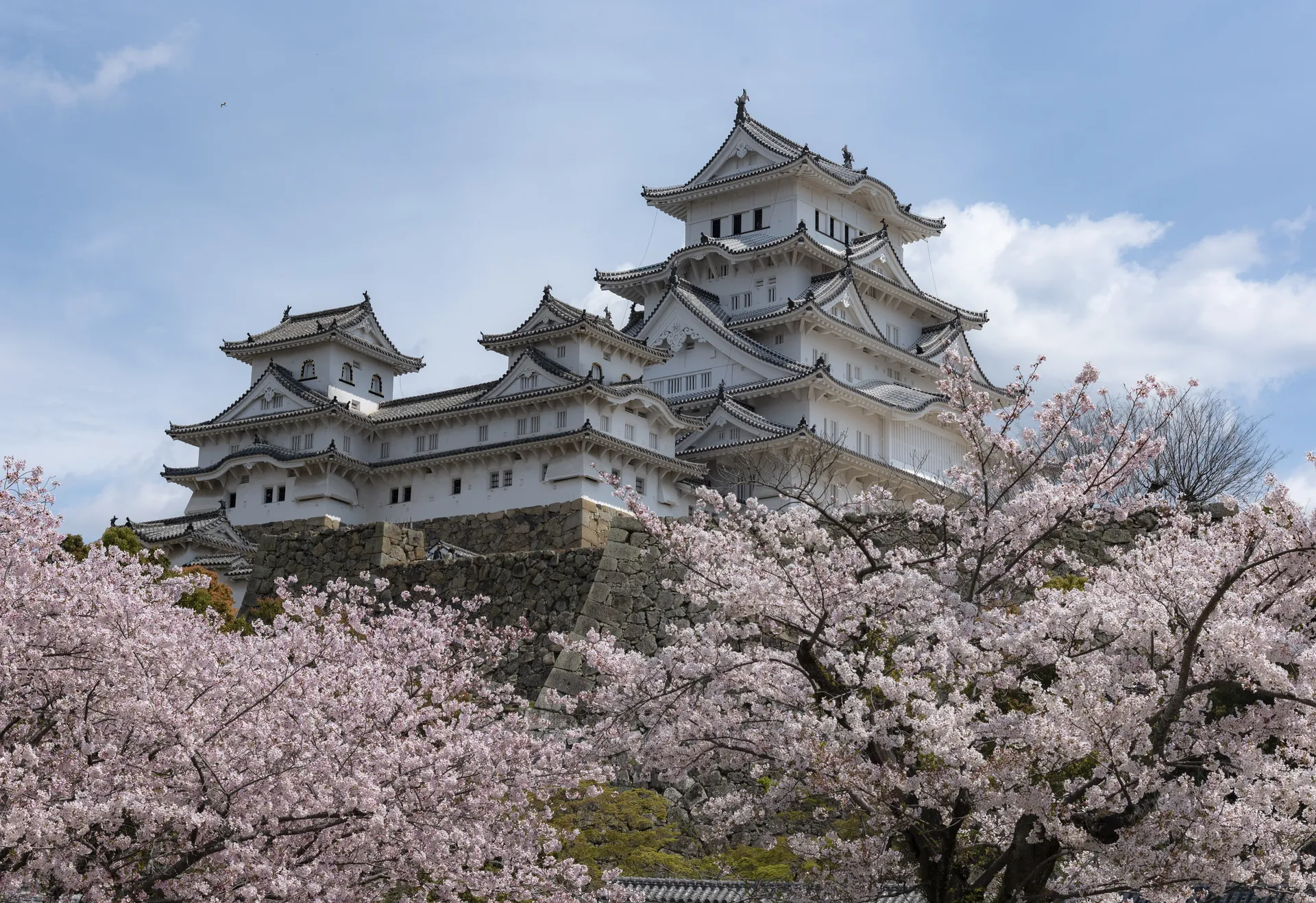
Nestled along the sun-drenched Pacific coast of Shikoku, Kochi carries the weight of four centuries with uncommon grace. The city's crowning monument, Kochi Castle, stands as one of only twelve original Japanese castles to have survived the fires, earthquakes, and upheavals of the post-feudal era — its elegant tenshu keep, completed in 1611 under the rule of Lord Yamanouchi Kazutoyo, remains one of just four in the nation to retain both its original tower and residential palace. It was here, too, that Sakamoto Ryōma was born in 1836, the visionary samurai whose revolutionary ideals helped dismantle the Tokugawa shogunate and usher Japan into the modern age.
Beyond the castle walls, Kochi unfolds as a city of unhurried sophistication and salt-tinged vitality. The Hirome Market, a raucous indoor food hall beloved by locals since 1998, pulses with the energy of communal long tables where strangers become dining companions over shared plates and cold Kirin. Along the Kagami River, willow-lined promenades invite contemplative morning walks, while the nearby Katsurahama Beach — with its dramatic volcanic cliffs and bronze statue of Ryōma gazing toward the Pacific — offers a landscape of almost theatrical beauty. The city retains a provincial warmth increasingly rare in Japan's more touristed destinations, a quality that rewards travellers who arrive with curiosity rather than a checklist.
Kochi's culinary identity is inseparable from the sea. The prefecture's signature dish, katsuo no tataki — skipjack tuna seared over blazing rice straw, sliced thick, and served with garlic, myoga ginger, and ponzu — is not merely a meal but a ritual, best witnessed at the Hirome Market where the flames leap dramatically before appreciative crowds. Seek out sawachi ryōri, the elaborate communal platters presented on oversized dishes that showcase the region's bounty: sashimi of shimanto river ayu, vinegared yuzu-dressed vegetables, and delicate sushi arranged with painterly precision. The prefecture is also Japan's foremost yuzu-growing region, and the fragrant citrus perfumes everything from craft gin to ice cream. Pair these flavours with a glass of Tosa sake — Kochi consistently ranks among Japan's highest per-capita sake consumers, and local breweries like Suigei and Tosatsuru produce dry, crisp junmai styles that cut beautifully through the region's bold seafood preparations.
While Kochi itself merits unhurried exploration, its position along Japan's cruise corridors places several remarkable destinations within reach. The volcanic grandeur of Fuji Hakone Izu National Park, where Mount Fuji presides over forests of cryptomeria and steaming onsen valleys, represents the iconic Japan of woodblock prints made tangible. Further north, the Towada-Hachimantai region reveals a wilder landscape of ancient caldera lakes and virgin beech forests, while nearby Hirosaki enchants visitors each spring with its legendary castle park — two thousand cherry trees reflected in the castle moat creating scenes of almost unbearable loveliness. The castle town of Aomori offers the explosive colour of its summer Nebuta Festival, and the hot spring retreat of Hanamaki, once home to the poet Kenji Miyazawa, provides a contemplative counterpoint to Shikoku's coastal energy.
Kochi's deepwater port welcomes several of the world's most distinguished cruise lines, each offering a distinct perspective on Japan's maritime treasures. Celebrity Cruises brings its contemporary luxury aesthetic to these waters, with ships that pair refined dining with immersive cultural programming. Holland America Line, with its deep heritage of Pacific crossings, provides the kind of gracious, unhurried voyage that suits Shikoku's contemplative spirit. Princess Cruises, long a pioneer of Japanese itineraries, offers seamless shore excursion logistics that make exploring Kochi Castle and Katsurahama Beach effortless. And for those drawn to a more intimate sailing experience, Star Clippers' tall ships approach the coast under billowing canvas — arriving in Kochi harbour aboard a square-rigged vessel, with Shikoku's forested mountains rising from the morning mist, is the kind of moment that transforms a holiday into a memory carried for life.

