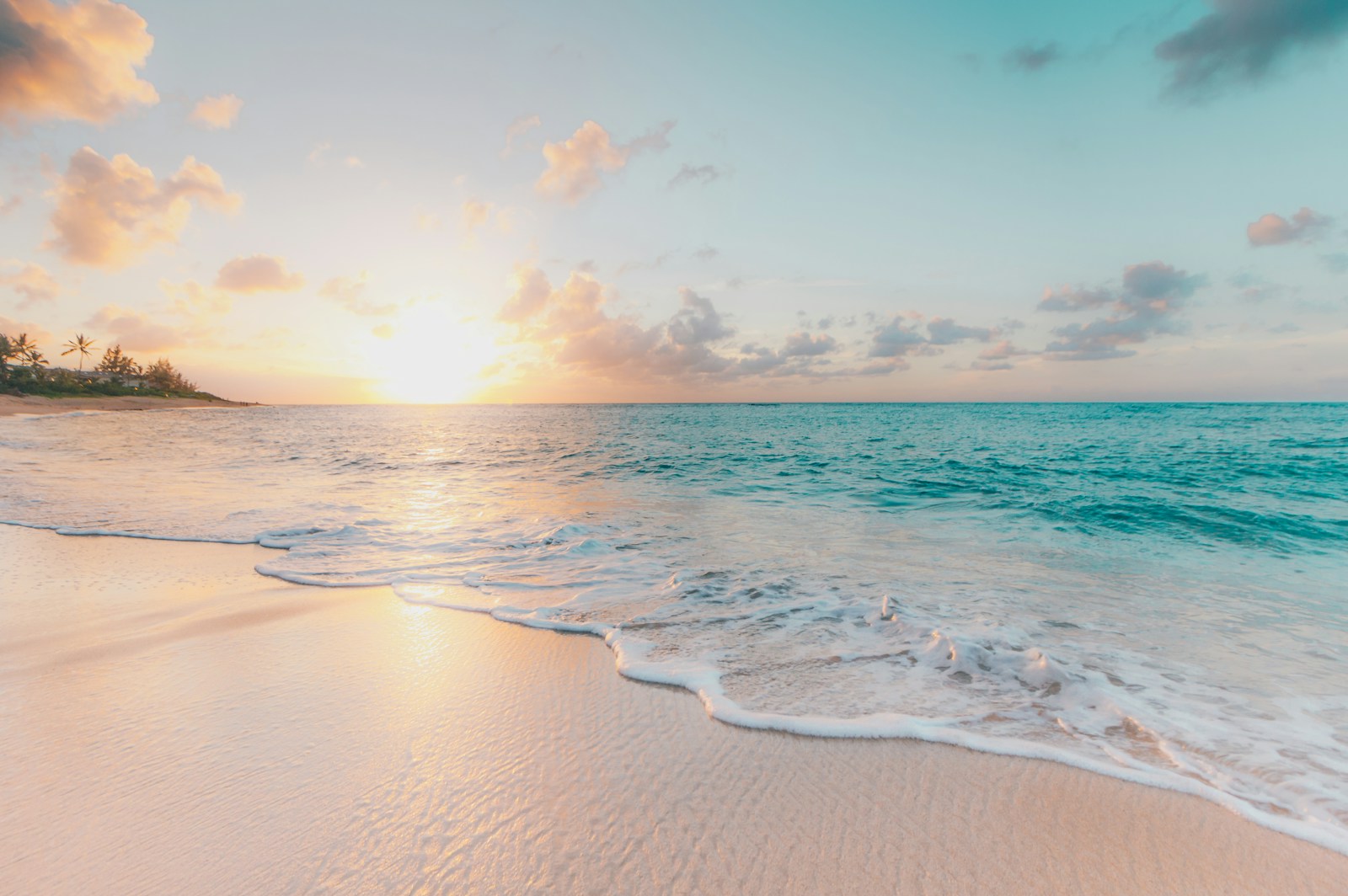
In the warm waters between Okinawa and the Yaeyama Islands, Kumeshima—known also by its formal Japanese designation as Kumejima—emerges from the East China Sea as a UNESCO Biosphere Reserve of remarkable natural and cultural richness. While this island shares its identity with the port listed separately as Kumejima, vessels approaching from different routes may dock at alternative points around the island's coastline, and the experience of arrival by sea reveals perspectives on the island's volcanic topography that land-based travelers never encounter. The island's twin volcanic peaks, draped in subtropical forest, frame a landscape of sugarcane fields, turtle-nesting beaches, and the turquoise waters of the Hatenohama sandbar.
The island's deep-sea water industry has created an unexpected dimension to Kumeshima's economy and cuisine. Water pumped from depths exceeding 600 meters—cold, mineral-rich, and pristine—is used for everything from cosmetics production to the cultivation of sea grapes (umibudo) in temperature-controlled farms. These emerald-green clusters of tiny spheres, which burst on the tongue with a fresh oceanic salinity, are one of Okinawa's most distinctive delicacies, and Kumeshima's deep-sea-water-cultivated variety is considered the finest available. The island's brown sugar, produced from locally grown sugarcane using traditional methods, provides the base for a confectionery tradition that includes the legendary Kumejima cookies.
The textile heritage of Kumeshima reaches back five centuries to the era of the Ryukyu Kingdom's maritime trading network. The island's tsumugi silk, dyed with natural extracts from the island's plants and its distinctive iron-rich mud, produces fabric of such distinctive character that it received designation as a Japanese Important Intangible Cultural Property. The production process—from silkworm rearing through dyeing, spinning, and weaving—is one of the most labor-intensive in the textile world, with a single bolt of fabric requiring months of dedicated craftsmanship. The tsumugi workshops welcome visitors to observe and sometimes participate in the dyeing process, offering a tactile connection to a living artistic tradition.
The coral reef systems surrounding Kumeshima support marine life of extraordinary diversity and accessibility. The shallow lagoon on the island's eastern side, where the Hatenohama sandbar extends for seven kilometers into the open sea, offers snorkeling in waters of almost supernatural clarity. Sea turtles are frequently encountered in the lagoon, and the deeper waters beyond the reef edge attract manta rays during certain seasons. The island's small but passionate diving community operates boats to outer reef sites where hammerhead sharks school in winter and whale-watching excursions depart to observe humpback whales from January through March.
Kumeshima is reached by thirty-five-minute flights from Naha or three-and-a-half-hour ferry crossings. The island's compact size makes exploration by rental car straightforward, with the full coastline circuit achievable in under two hours. The warmest months from May through October offer optimal marine conditions, while winter brings whale watching and the quieter atmosphere that allows deeper engagement with the island's cultural heritage. Accommodation includes comfortable resort hotels, traditional minshuku guesthouses, and the occasional luxury property, with advance booking recommended during the summer holiday periods.

