Far from the main island of Okinawa, in the East China Sea approximately one hundred kilometres north of Naha, Iheya Island is one of the most remote inhabited islands in the Okinawan archipelago — a place where the pace of Ryukyuan island life continues largely unaffected by the military bases and tourism that have transformed the main island. Maedomari, the island's primary port and largest settlement, serves as the gateway to an island that has preserved its traditional culture, pristine beaches, and the spiritual traditions of the Ryukyu Kingdom with remarkable integrity.
Iheya holds a special place in Okinawan history as the ancestral homeland of the Ryukyu royal family. King Shō En, who founded the Second Shō Dynasty that ruled the Ryukyu Kingdom from 1469 to 1879, was born on Iheya, and the island retains sites associated with the dynasty's origin story. The Kumaya cave, a natural limestone formation, is revered as the birthplace of Ryukyuan civilization, and sacred utaki (grove) sites across the island remain active places of prayer and ceremony, tended by local priestesses who maintain spiritual traditions stretching back centuries.
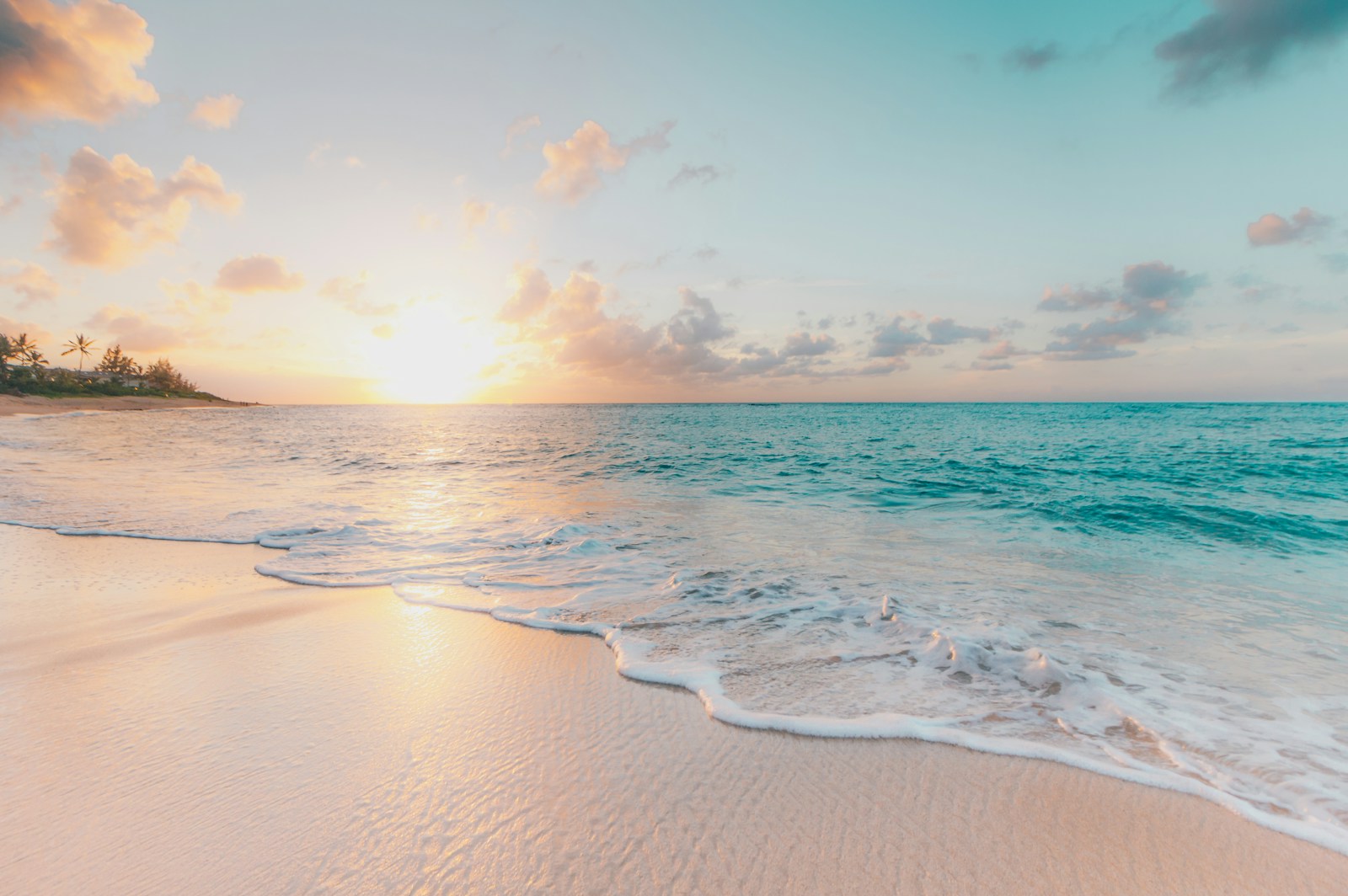
The island's natural beauty is understated but compelling. White sand beaches — including Yonaha Maehama, consistently ranked among Okinawa's finest — ring the coastline, their shallow, turquoise waters ideal for swimming, snorkelling, and kayaking. The fringing coral reef supports a healthy marine ecosystem, with sea turtles a common sight in the warm, clear waters. The island's interior, a mixture of subtropical forest, sugarcane fields, and small-scale farming, provides walking and cycling routes through a landscape of gentle, pastoral beauty. The near-total absence of nightlife, chain stores, and tourist infrastructure is Iheya's greatest luxury.
Okinawan cuisine on Iheya reflects the island's agricultural and maritime resources. Goya champuru — the iconic Okinawan stir-fry of bitter melon, tofu, pork, and egg — appears at every table, alongside sashimi from the morning catch, umibudo (sea grapes — a type of seaweed with tiny, caviar-like bubbles), and the purple sweet potatoes that are a staple of the Okinawan diet credited in part for the archipelago's famous longevity. Awamori, the indigenous Okinawan spirit distilled from long-grain indica rice, is consumed at gatherings with the enthusiastic conviviality that characterizes Okinawan social life.
Iheya is reached by ferry from Unten Port in northern Okinawa (approximately eighty minutes). There are no flights. Accommodation consists of small minshuku (family inns) and a handful of guesthouses. Expedition cruise ships occasionally anchor offshore. The best visiting season is April through October, with the subtropical climate providing warm water temperatures well into autumn. Iheya offers something that is increasingly precious in modern Japan: an island where the traditional Ryukyuan way of life — its music, its spirituality, its generous hospitality — continues not as a performance for tourists but as the natural expression of a living culture.

