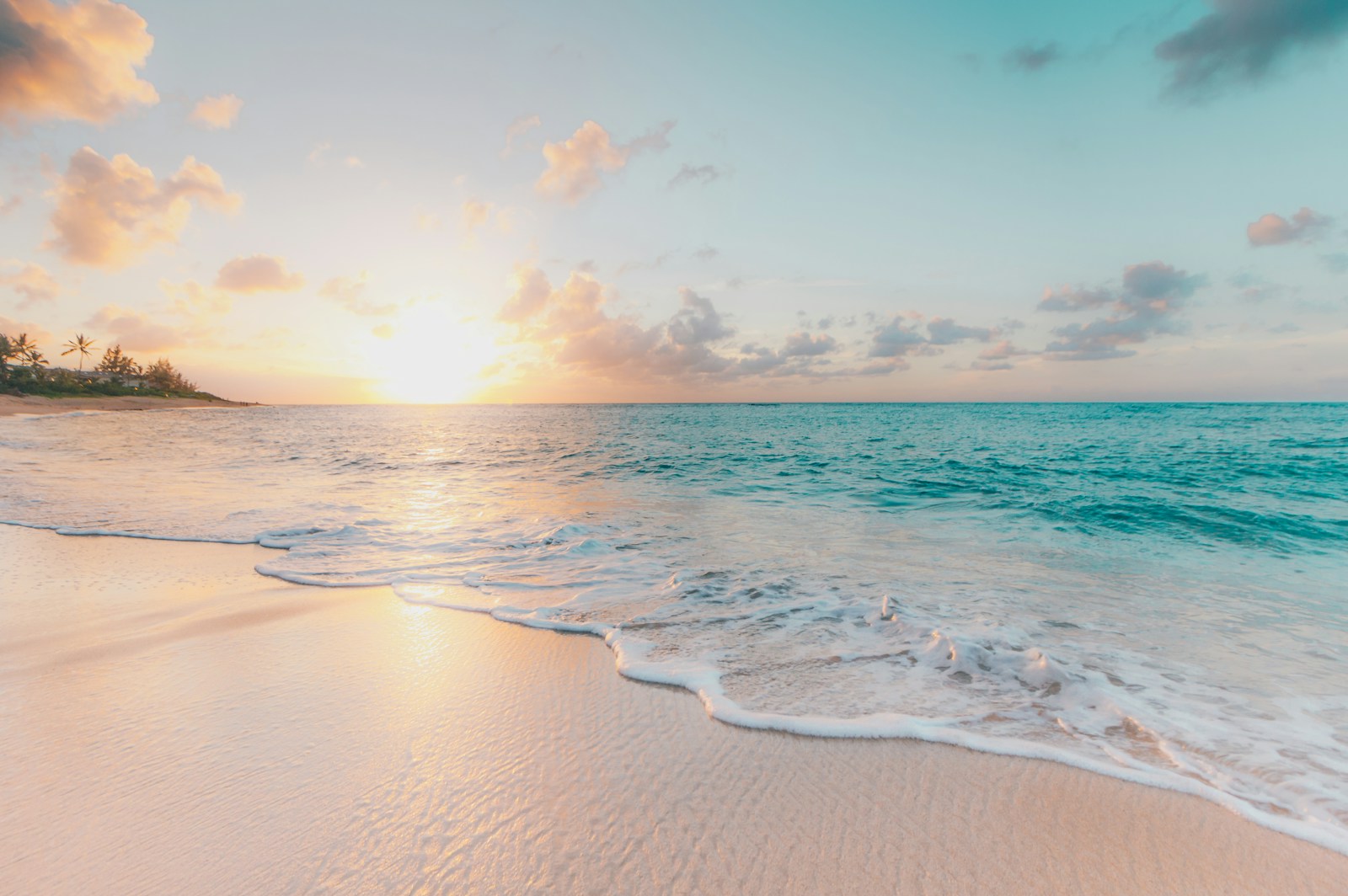
Since the seventeenth century, when the haiku master Matsuo Bashō arrived at this bay and was reportedly so overwhelmed by its beauty that he could compose nothing more than an exclamation, Matsushima has been celebrated as one of Japan's three most scenic views—the Nihon Sankei. The bay contains over 260 small islands, each crowned with twisted Japanese black pines that have been sculpted by centuries of salt wind into forms of natural bonsai. The effect is of a Japanese ink painting rendered in three dimensions: pine-topped islands floating on still water, their reflections creating perfect symmetries that dissolve with each passing boat wake and reform moments later.
The character of Matsushima extends well beyond its famous bay view. The area has been a center of Buddhist worship since the ninth century, and the temples that line its shores rank among the finest in the Tōhoku region. Zuiganji, designated a National Treasure, was restored to magnificence by the warlord Date Masamune in the early seventeenth century, its elaborately carved wooden interiors and gold-leaf screens representing the pinnacle of Momoyama-period craftsmanship. Adjacent Entsūin houses a hidden Christian chapel—a secret rosary carved into its wooden panels—that speaks to the dangerous practice of forbidden faith in feudal Japan. The Godaidō hall, perched on a tiny island connected to the shore by a vermillion bridge, may be the most photographed structure in all of Tōhoku.
Matsushima's culinary reputation rests firmly on the oysters that are cultivated in the nutrient-rich waters of the bay. The cold Oyashio Current that sweeps down from the north creates conditions ideal for Pacific oyster cultivation, producing bivalves of exceptional size and flavor that are harvested from October through March. During the winter oyster season, the town transforms into a pilgrimage site for Japanese gastronomes who come to eat grilled oysters at the waterfront stalls, slurp them raw with a squeeze of yuzu, and savor them in oyster rice, oyster hotpot, and the memorable oyster-topped okonomiyaki that is a local invention. Beyond oysters, the regional cuisine features zunda mochi (rice cakes with sweet edamame paste), gyūtan (grilled beef tongue), and the fresh sashimi that arrives daily from the Shiogama fish market.
The broader Matsushima area suffered significant damage during the 2011 Tōhoku earthquake and tsunami, but the islands themselves served as a natural breakwater that moderated the wave's impact on the town—a protective function that locals credit to the landscape's spiritual significance. The reconstruction has been thorough, and the town has emerged with improved infrastructure while maintaining its historic character. Day trips from Matsushima reach the seafood wholesale market in nearby Shiogama, the castle town of Sendai—where the legacy of Date Masamune pervades every corner—and the Naruko Gorge, whose autumn foliage display is considered one of the most spectacular in Japan.
Matsushima is reached by train from Sendai in approximately forty minutes, or by sightseeing boat from Shiogama. Cruise ships calling at Sendai Port offer Matsushima as a popular shore excursion. The bay cruise boats operate year-round, with the most popular route taking approximately fifty minutes to wind through the islands. The oyster season from October through March draws food enthusiasts, while cherry blossom season in mid-April transforms the temple grounds and the bay's waterfront into a canopy of pink. Summer brings warm temperatures suitable for swimming, and the Matsushima lantern festival in August creates a magical atmosphere of floating lights on the bay.

