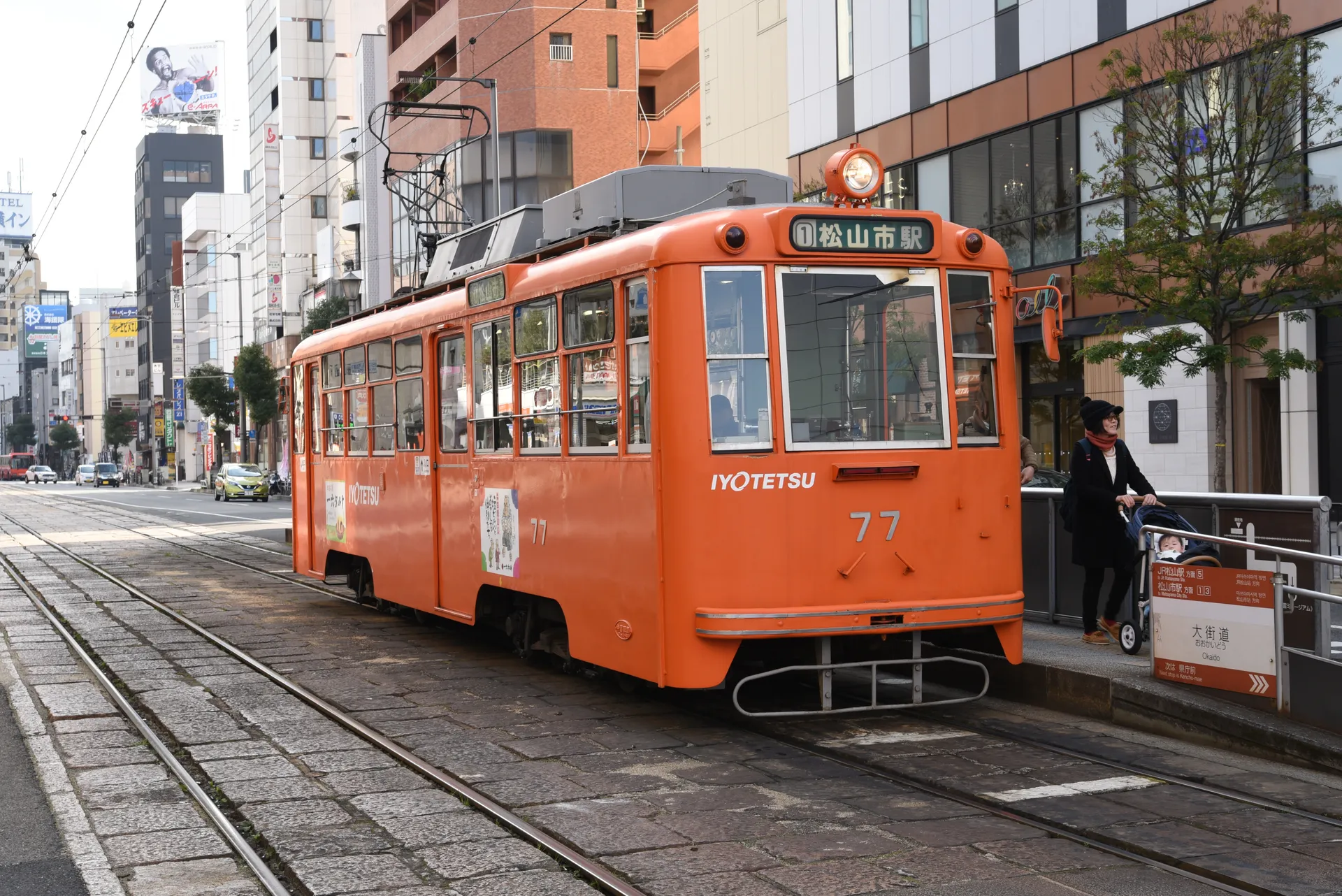
Few cities in Japan balance ancient tradition and modern ease quite like Matsuyama, the largest city on the island of Shikoku and a place where the rituals of bathing, poetry, and contemplation have been refined over millennia. Dogo Onsen, the city's crowning jewel, is believed to be the oldest hot spring in Japan — its origins stretching back some three thousand years, with references appearing in the Kojiki, the nation's earliest historical record. The ornate wooden bathhouse, built in 1894, inspired the fantastical setting of Miyazaki's Spirited Away, and stepping through its entrance is to enter a world where time moves according to the rhythms of rising steam and flowing water.
Matsuyama Castle presides over the city from atop Mount Katsuyama, one of only twelve original castles remaining in Japan. Reached by ropeway or a pleasant hillside walk through groves of cherry trees — which erupt in breathtaking pink clouds each April — the fortress rewards the climb with sweeping views over terracotta rooftops to the shimmering Seto Inland Sea. Inside, the collection spans samurai armour, calligraphy, and weaponry, but the castle's greatest exhibit is the panorama itself, stretching across islands and waterways that have served as Japan's maritime highway for centuries.
The city is intimately connected to Japanese literature. Matsuyama was the birthplace of Masaoka Shiki, the poet who revolutionized haiku in the late nineteenth century, and of the novel Botchan by Natsume Soseki, whose irreverent narrator gave the city an enduring literary identity. Haiku postboxes dot the streets, and an annual haiku festival draws poets from across the globe. Culinary pleasures are equally refined: Matsuyama tarts — delicate sponge rolls filled with red bean paste — have been a local specialty since the seventeenth century, while botchan dango, tri-coloured rice dumplings, make the perfect companion to a cup of matcha at a teahouse overlooking the castle moat.
Shikoku itself is a revelation for travellers willing to venture beyond Japan's well-trodden circuits. The Shimanami Kaido, a sixty-kilometre cycling route connecting Shikoku to Honshu via a chain of bridges spanning the Seto Inland Sea, begins just north of Matsuyama and ranks among the world's most spectacular bike rides. Closer to the city, Ishite-ji Temple — the fifty-first station on the famous eighty-eight temple Shikoku Pilgrimage — dazzles with its elaborate carvings and atmospheric cave passages.
Matsuyama's cruise port at Matsuyama Outer Harbour is well connected to the city centre by shuttle bus. The mild climate of the Seto Inland Sea makes the port pleasant year-round, though spring cherry blossoms in March and April and the warm autumn light of October and November are especially magical. Compact and walkable, Matsuyama offers the rare luxury of experiencing an unhurried, deeply cultured Japanese city without the overwhelming scale of Tokyo or Osaka.

