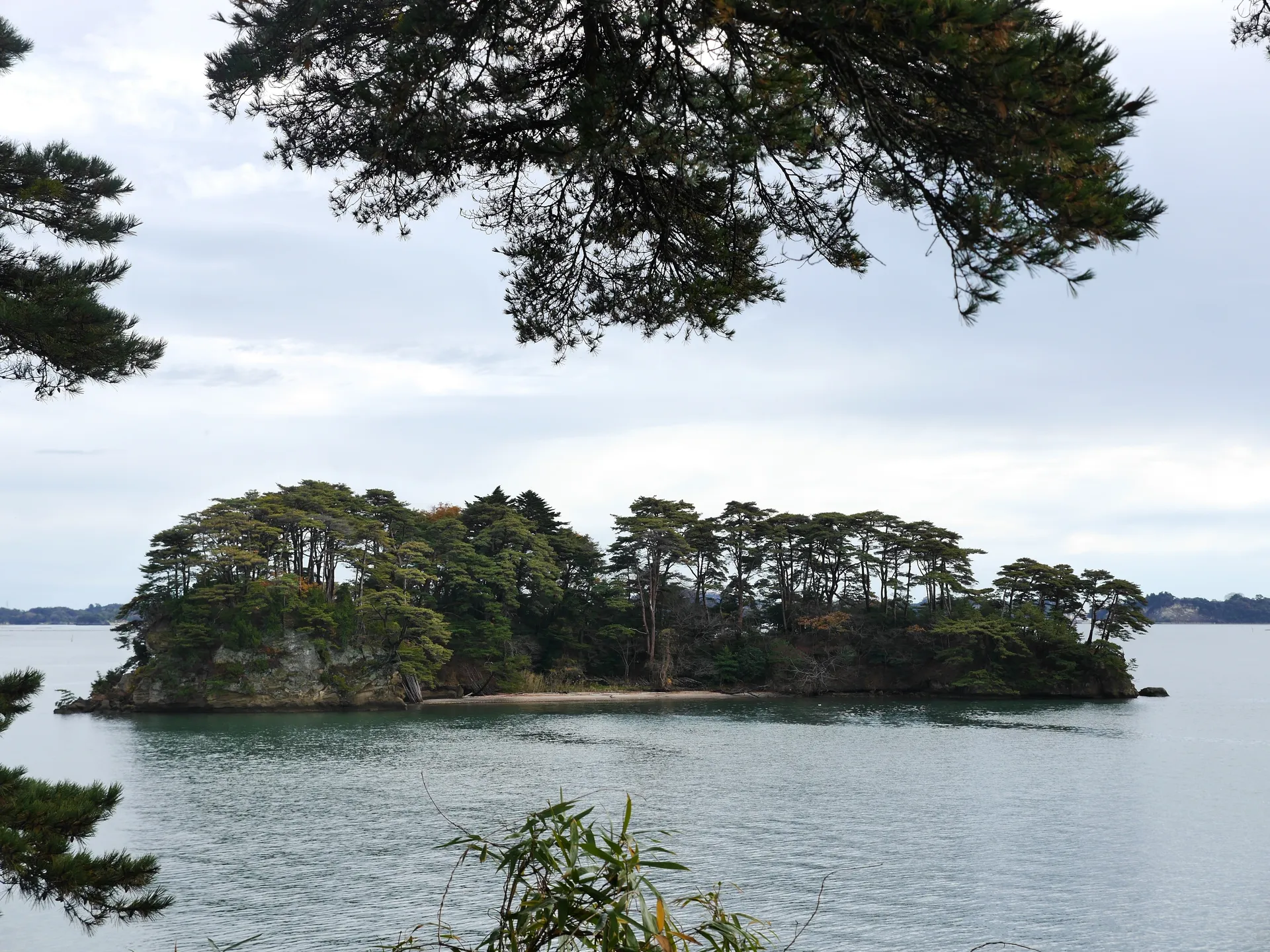
Miyako sits on the Pacific coast of Japan's Iwate Prefecture in the Tōhoku region—an area of dramatic ria coastline where deeply indented bays create some of the most spectacular maritime scenery in all of Japan. This small city of 50,000, better known domestically than internationally, serves as a gateway to the Sanriku Coast, a 600-kilometer stretch of scalloped coastline that ranks among the country's most beautiful and least visited natural treasures.
The city's most famous natural landmark is Jōdogahama—literally "Pure Land Beach"—a cove of white volcanic rock formations, emerald pines, and crystalline turquoise water that has been celebrated in Japanese literature and art for centuries. The name, comparing the beach to the Buddhist paradise, reflects the ethereal quality of the scene, particularly in early morning light when mist softens the rock formations and the water achieves an almost supernatural clarity. Sightseeing boats navigate between the rock formations, and the adjacent walking trails provide elevated perspectives across the cove.
The 2011 Tōhoku earthquake and tsunami profoundly impacted Miyako, and the city's recovery and resilience have become central to its contemporary identity. The Taro District, north of the city center, was one of the areas hardest hit, and the preserved ruins of a hotel destroyed by the wave serve as a memorial and educational site. The city's response—combining massive seawall construction with community resilience programs and disaster education—has been recognized internationally as a model for coastal disaster preparedness. Visitors approaching Miyako by sea gain particular appreciation for the protective geography of its ria coastline, where deep, narrow bays absorbed some of the tsunami's energy.
The Sanriku coast's culinary offerings center on what may be Japan's finest seafood. The cold Oyashio Current that sweeps along this coast creates conditions of extraordinary marine productivity, and the region's wakame seaweed, uni (sea urchin), Pacific saury (sanma), abalone, and oysters are prized throughout Japan. Miyako's morning fish market provides an authentic introduction to this bounty, with vendors offering impossibly fresh sashimi, grilled seafood, and the region's distinctive fish ramen.
Cruise ships anchor in Miyako Bay with tender service to the port, or dock at available berth facilities. The city serves as a base for excursions along the Sanriku Coast, including the dramatic cliff formations of Kitayamazaki (200-meter sea cliffs) and the marine caves accessible by small boat from Jōdogahama. The Sanriku Railway, partially rebuilt after the 2011 disaster, offers coastal scenic rail journeys that are among the most beautiful train rides in Japan. Spring (April-May) brings cherry blossoms to the coastal slopes, summer (June-August) offers warm weather for beach visits and boat excursions, and autumn (September-November) adds warm-toned foliage to the already dramatic coastal scenery.

