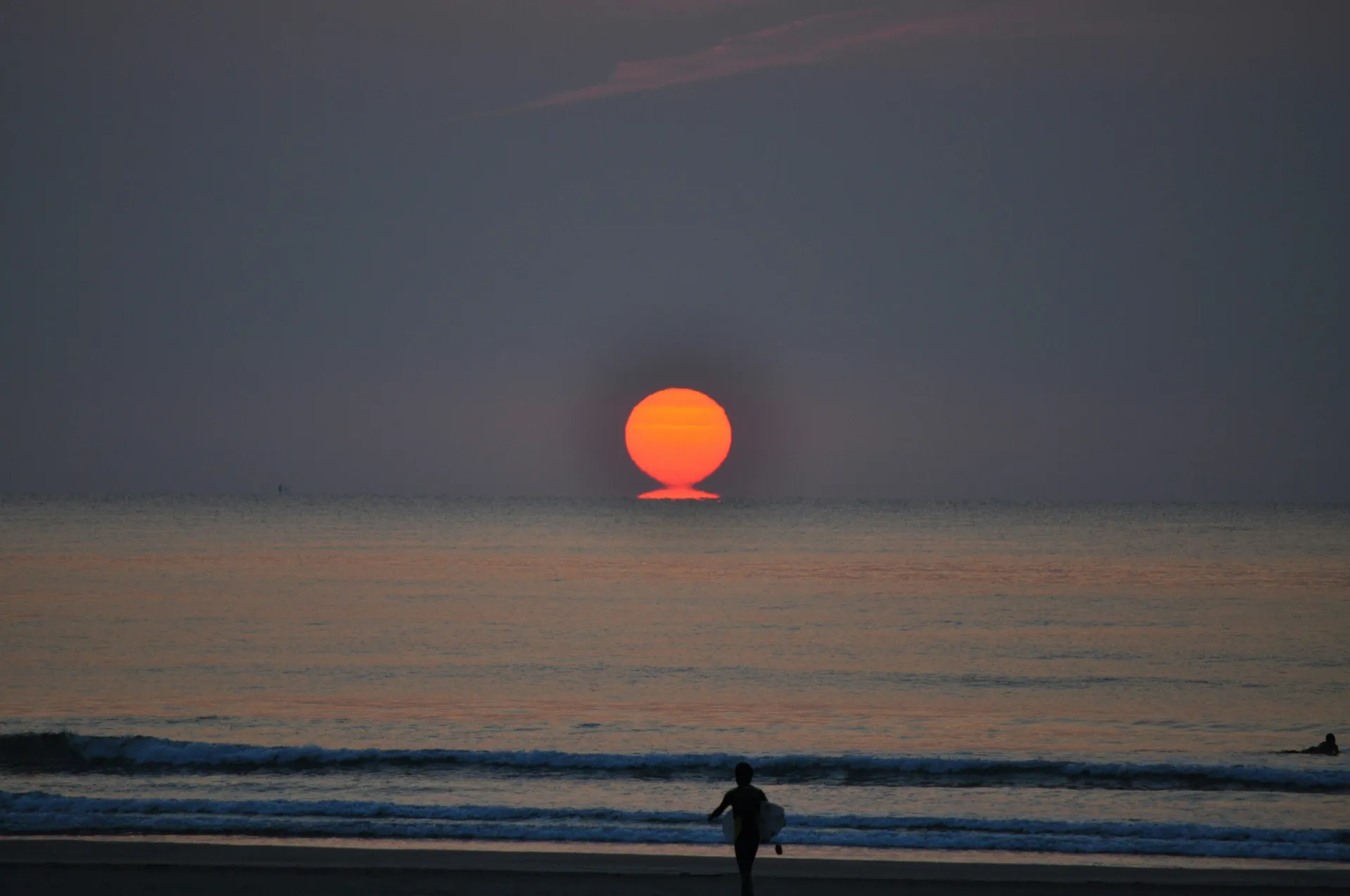
On the southeastern coast of Kyushu, where the warm Kuroshio Current bathes palm-lined shores in subtropical warmth, Miyazaki presents a side of Japan that confounds every expectation formed by the temples of Kyoto or the neon of Tokyo. This is Japan's sun coast — a region of surf beaches, ancient Shinto mythology, and a landscape where tropical vegetation meets volcanic geology in combinations found nowhere else in the archipelago. Miyazaki Prefecture claims to be the birthplace of Japanese civilization itself: according to the Kojiki, Japan's oldest chronicle, it was from the cape of Hyuga — now within Miyazaki — that the legendary first emperor Jimmu embarked on his conquest of the Yamato Plain, establishing the imperial line that continues to this day.
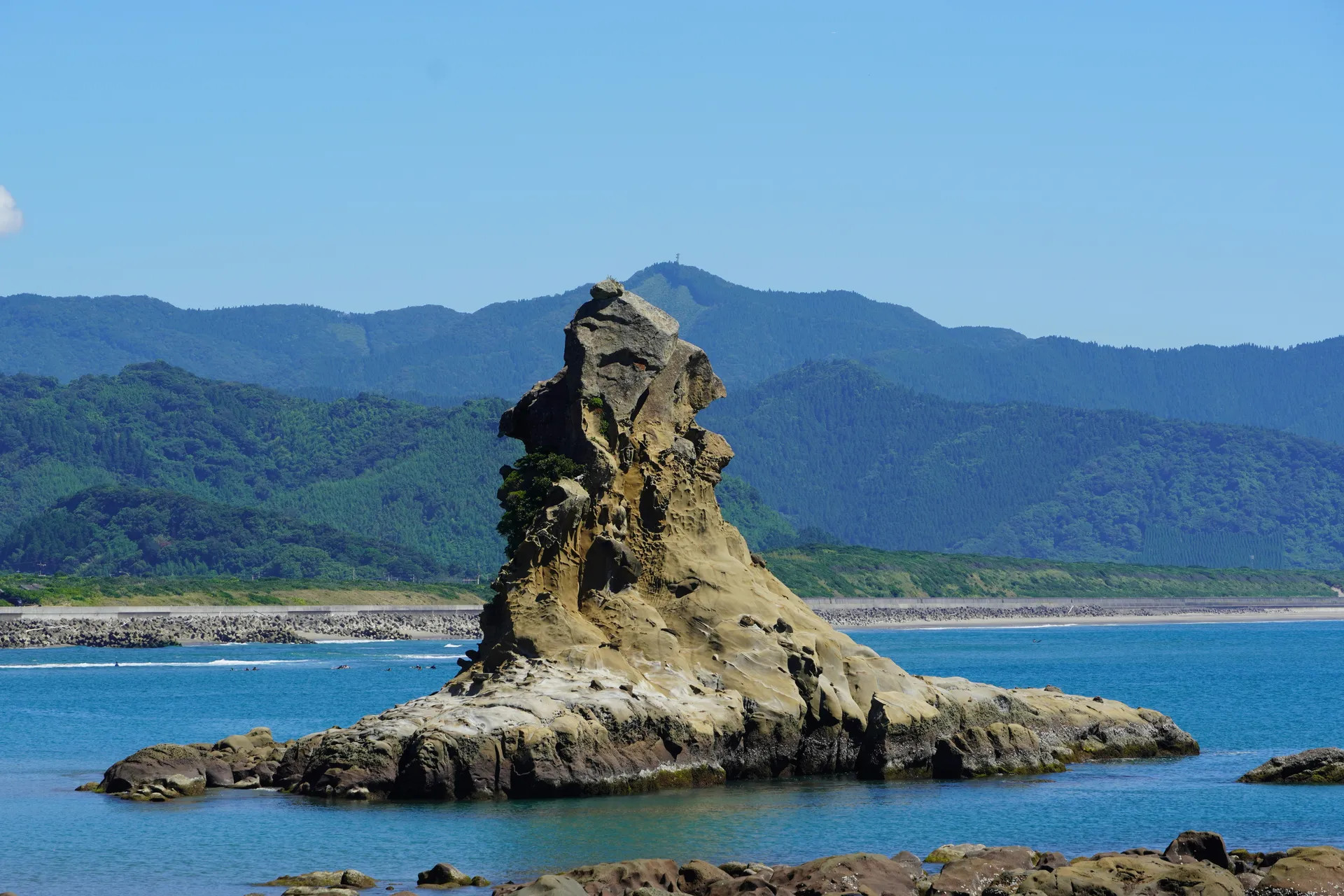
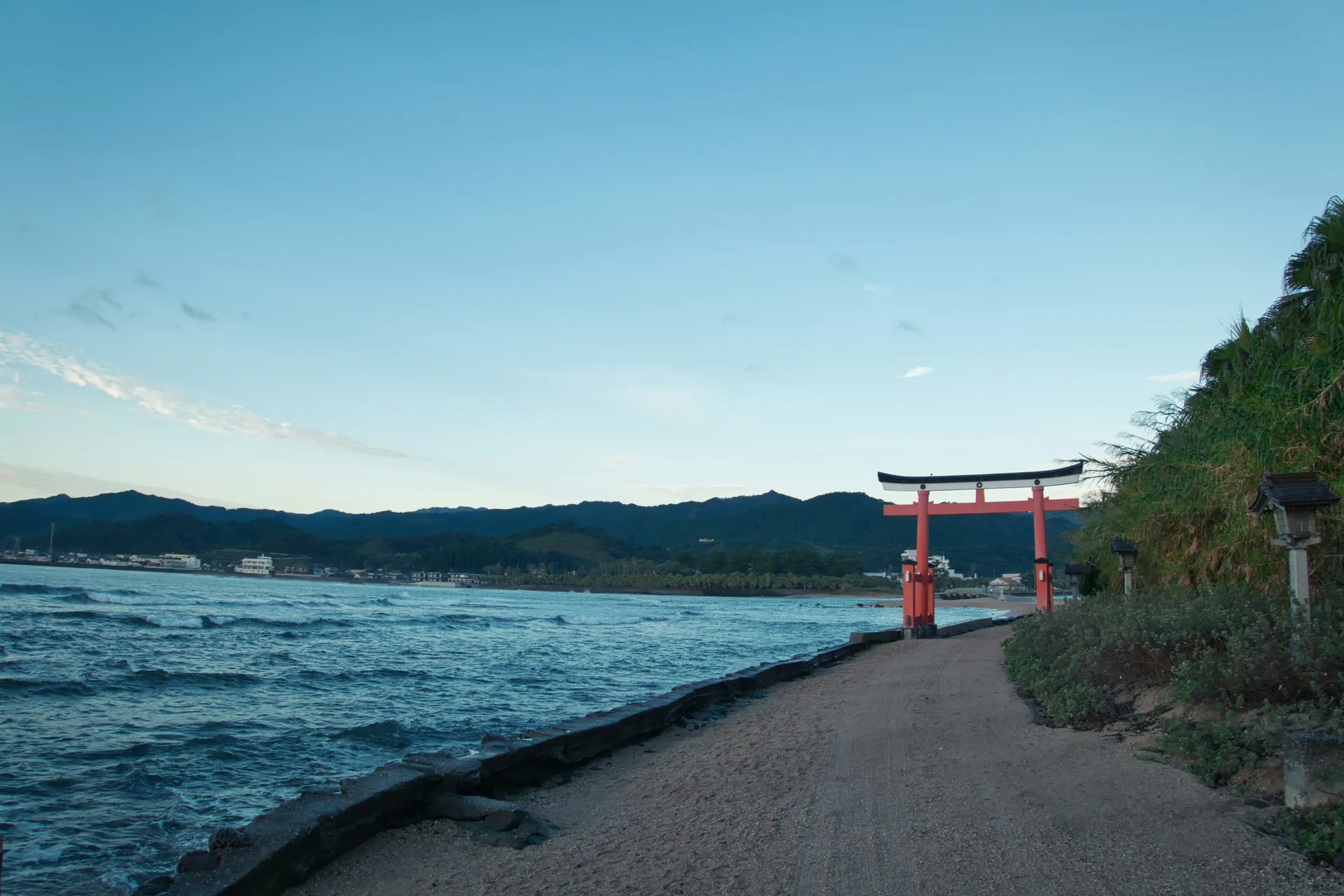
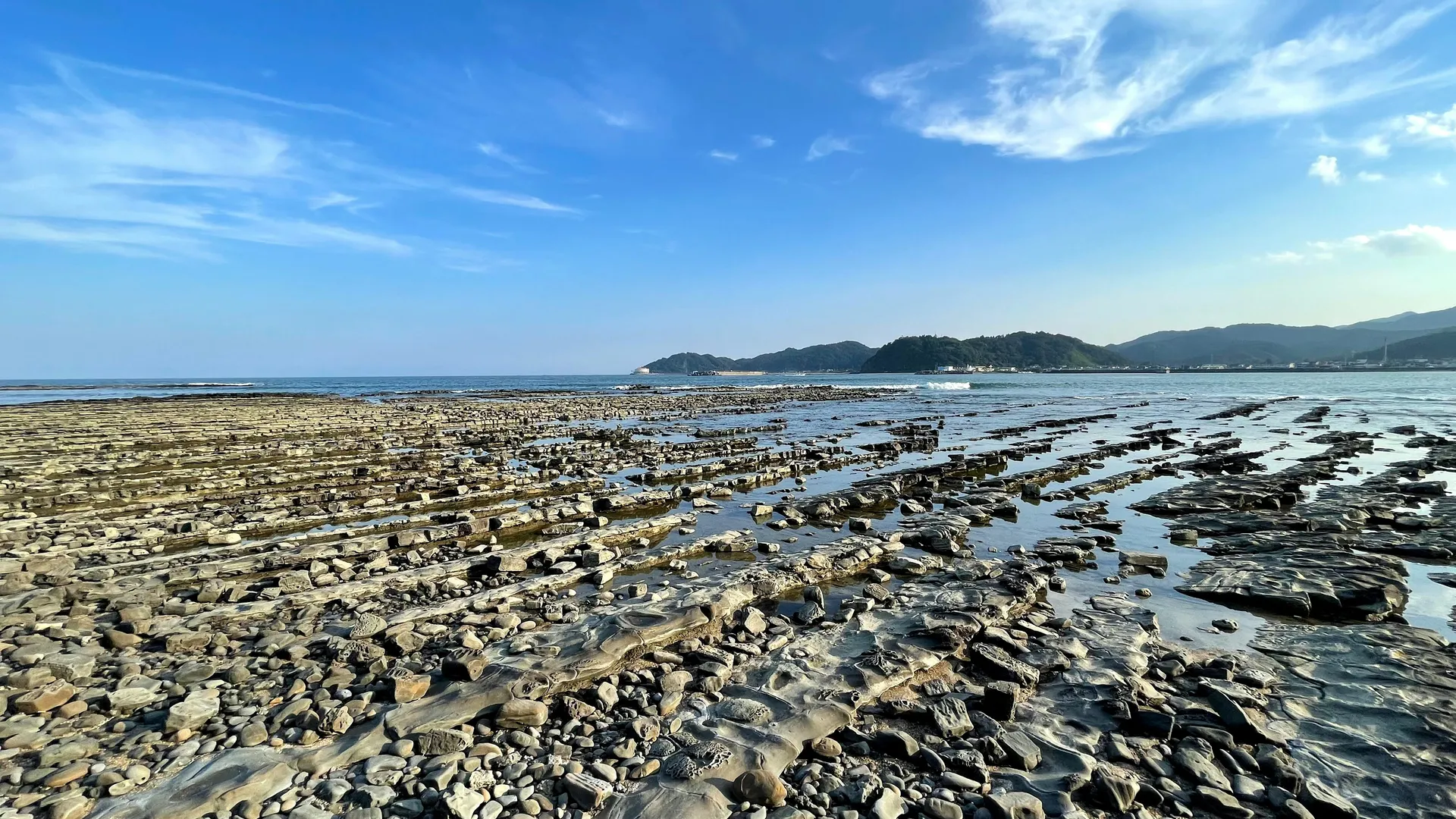
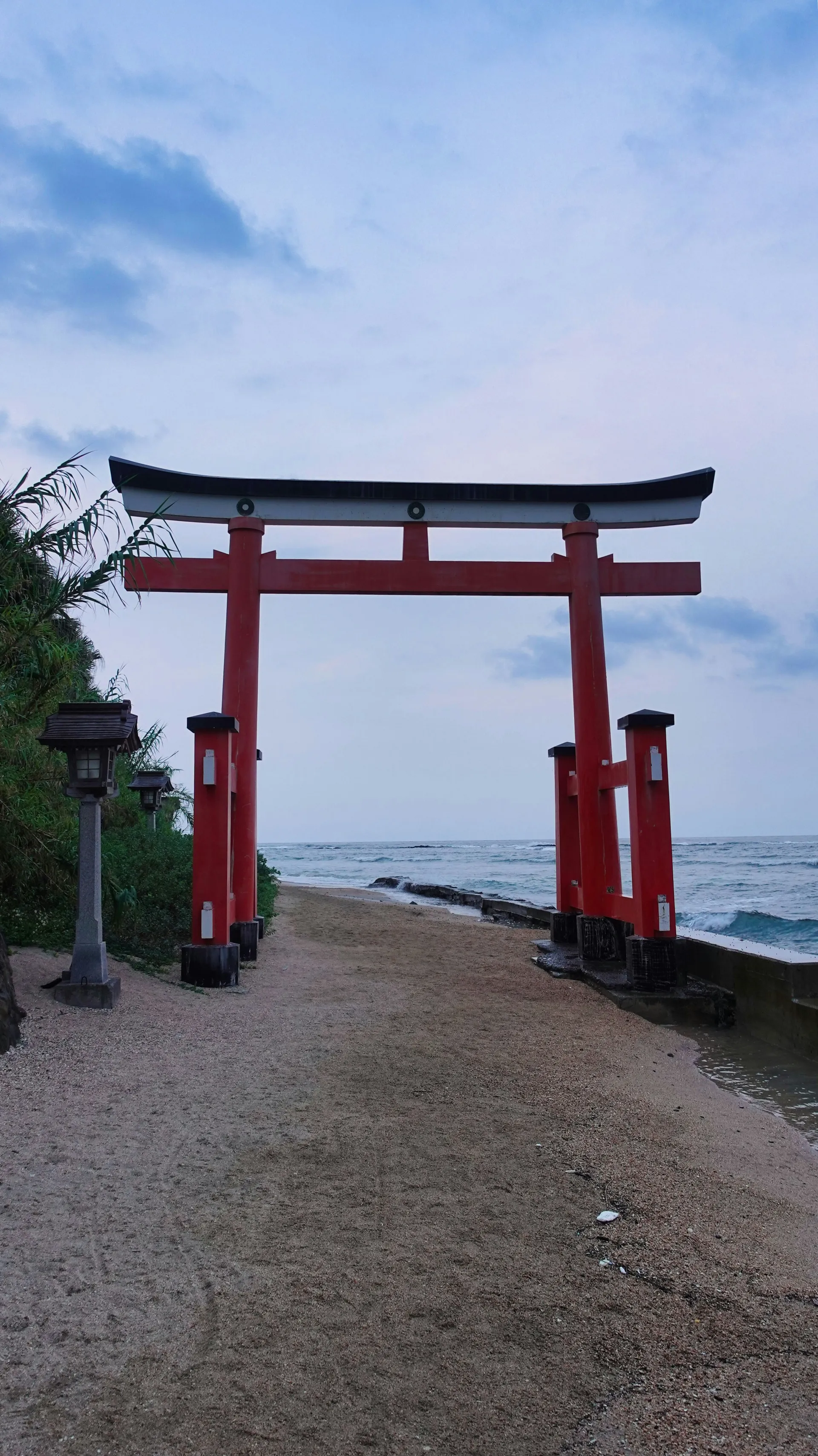
The Aoshima Shrine, set on a tiny island connected to the mainland by a pedestrian bridge, encapsulates Miyazaki's unique character. The island is surrounded by formations known as the "Devil's Washboard" — wave-cut platforms of sandstone and mudstone that extend from the shore in geometric patterns so regular they appear artificial. The shrine itself, dedicated to the deity of marriage and safe seafaring, sits within a miniature jungle of betel palms and subtropical plants that feels transplanted from Southeast Asia. The combination of Shinto sacred architecture, geological wonder, and tropical botany in a single small space represents a concentration of Japanese natural and cultural heritage that few mainland sites can match.
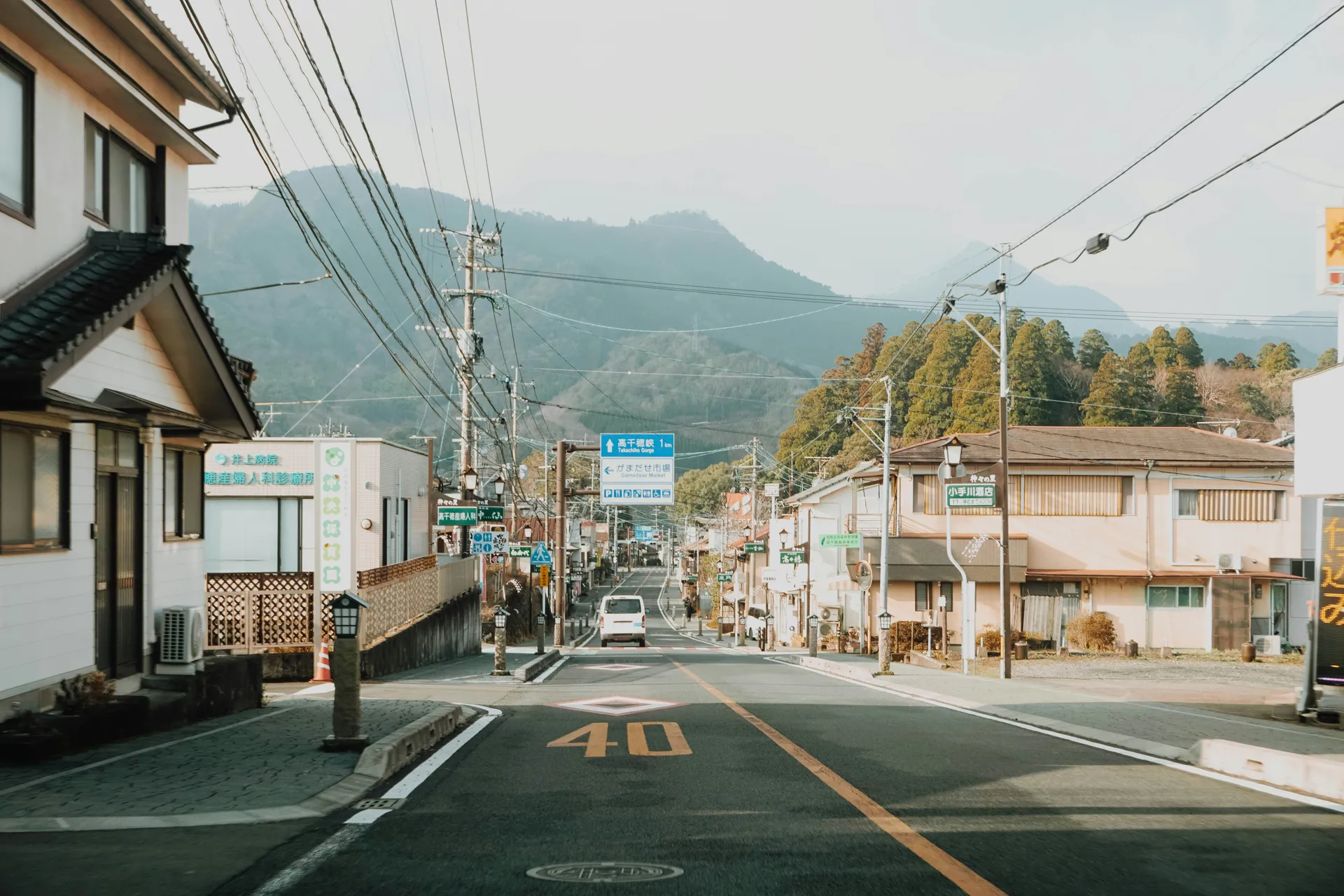
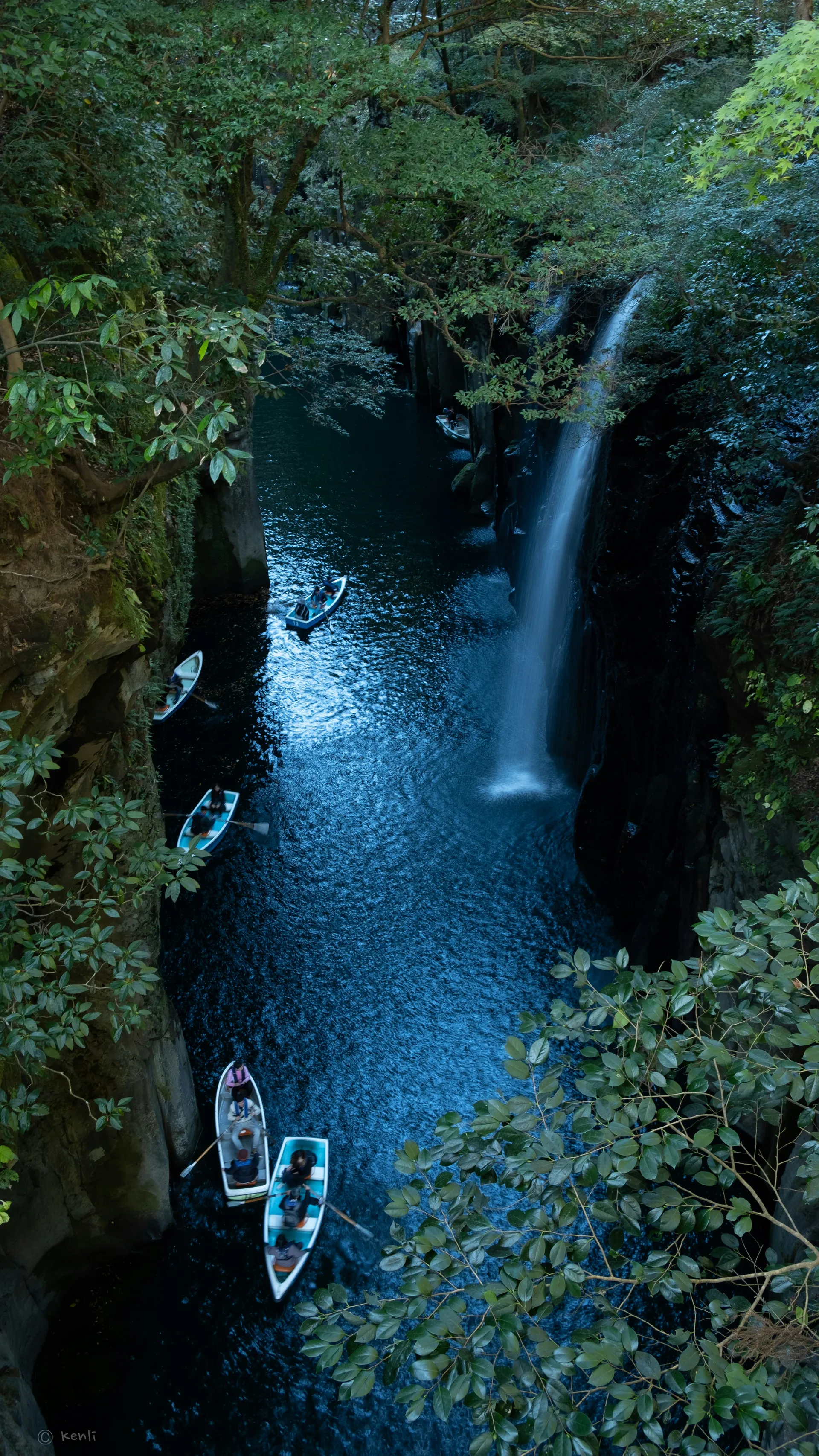
The Takachiho Gorge, accessible as a day excursion from Miyazaki, presents one of Japan's most spectacular natural landmarks. This volcanic ravine, carved by the Gokase River through columnar basalt formations, drops up to one hundred meters between walls of hexagonal stone columns that catch the sunlight and the mist from the Manai Waterfall in constantly shifting plays of light and shadow. Rental boats allow visitors to paddle directly beneath the waterfall in a gorge so narrow and dramatic that it seems designed for a Studio Ghibli film. Takachiho's nighttime kagura performances — Shinto dance rituals depicting the mythology of the gods — rank among Japan's most extraordinary living cultural traditions.
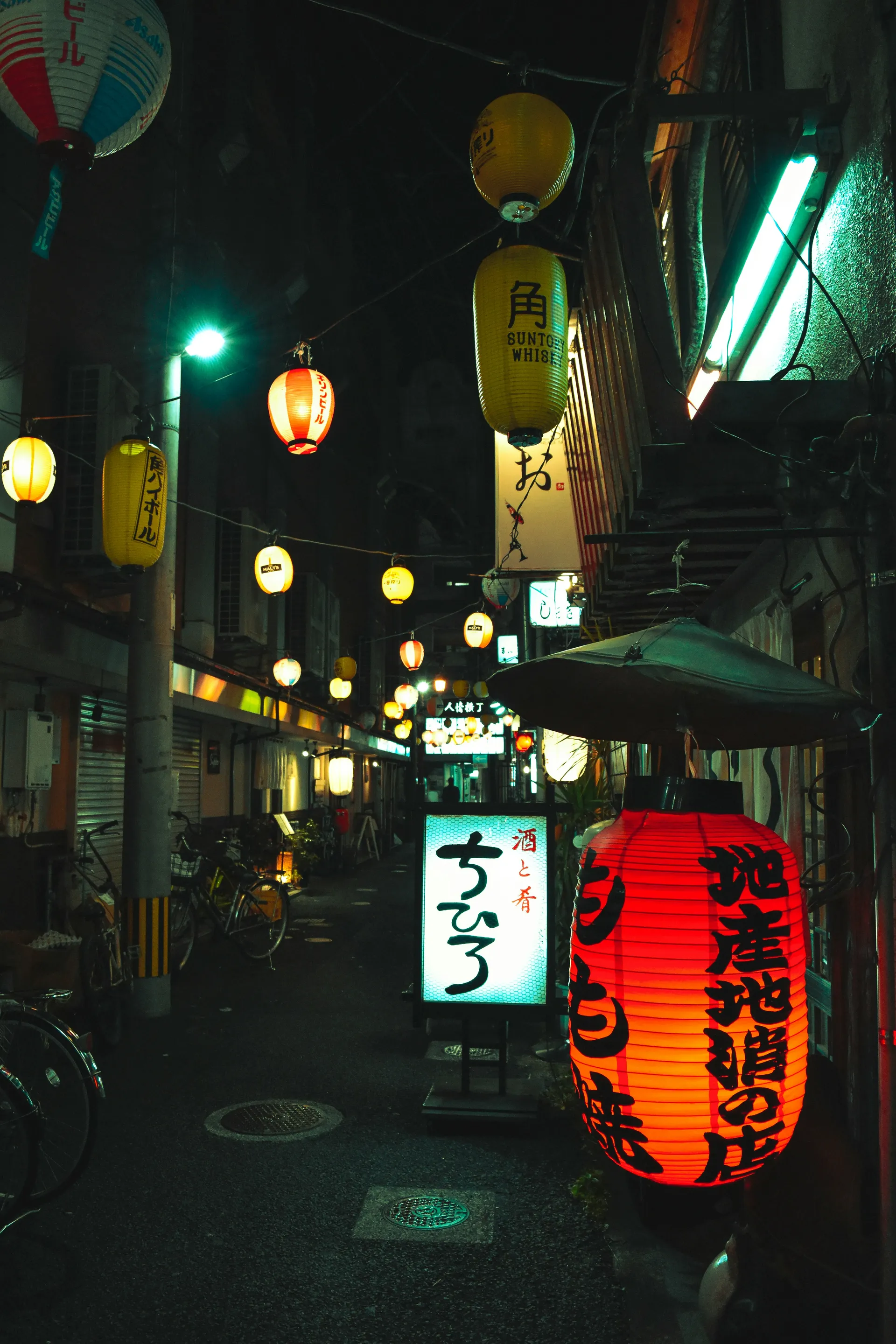
Miyazaki's food culture reflects its position at the intersection of mountain and sea. Chicken nanban — fried chicken with tartar sauce — was invented here and remains the city's signature dish, while jidori chicken (free-range local poultry) is served charcoal-grilled in izakayas throughout the city. The mangoes of Miyazaki, marketed under the "Taiyo no Tamago" (Egg of the Sun) brand, are among the most expensive fruits in Japan, their crimson skin and honey-sweet flesh commanding prices that reflect both their quality and their status as luxury gifts. The local shochu, distilled from sweet potatoes, flows freely in the city's welcoming drinking establishments.
Princess Cruises and Seabourn include Miyazaki in their Japanese coastal itineraries, with vessels using the port facilities that serve both cruise and commercial shipping. The subtropical climate makes Miyazaki comfortable year-round, though the spring and autumn months offer the most pleasant temperatures for gorge excursions and shrine visits. Miyazaki provides a fundamentally different perspective on Japan — less refined than Kyoto, less frenetic than Tokyo, but possessed of a mythological depth and natural beauty that connect visitors to the most ancient layers of Japanese civilization.