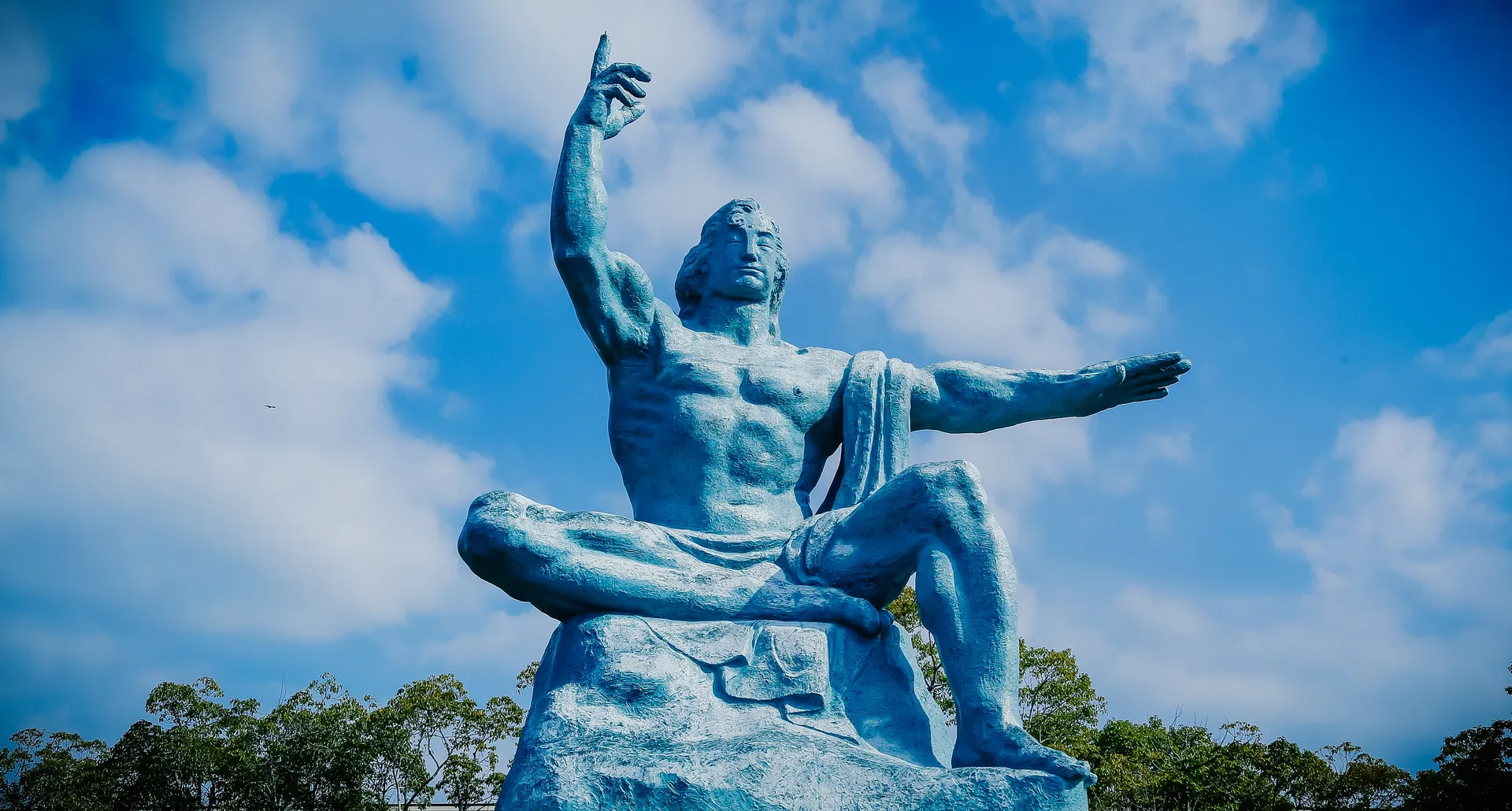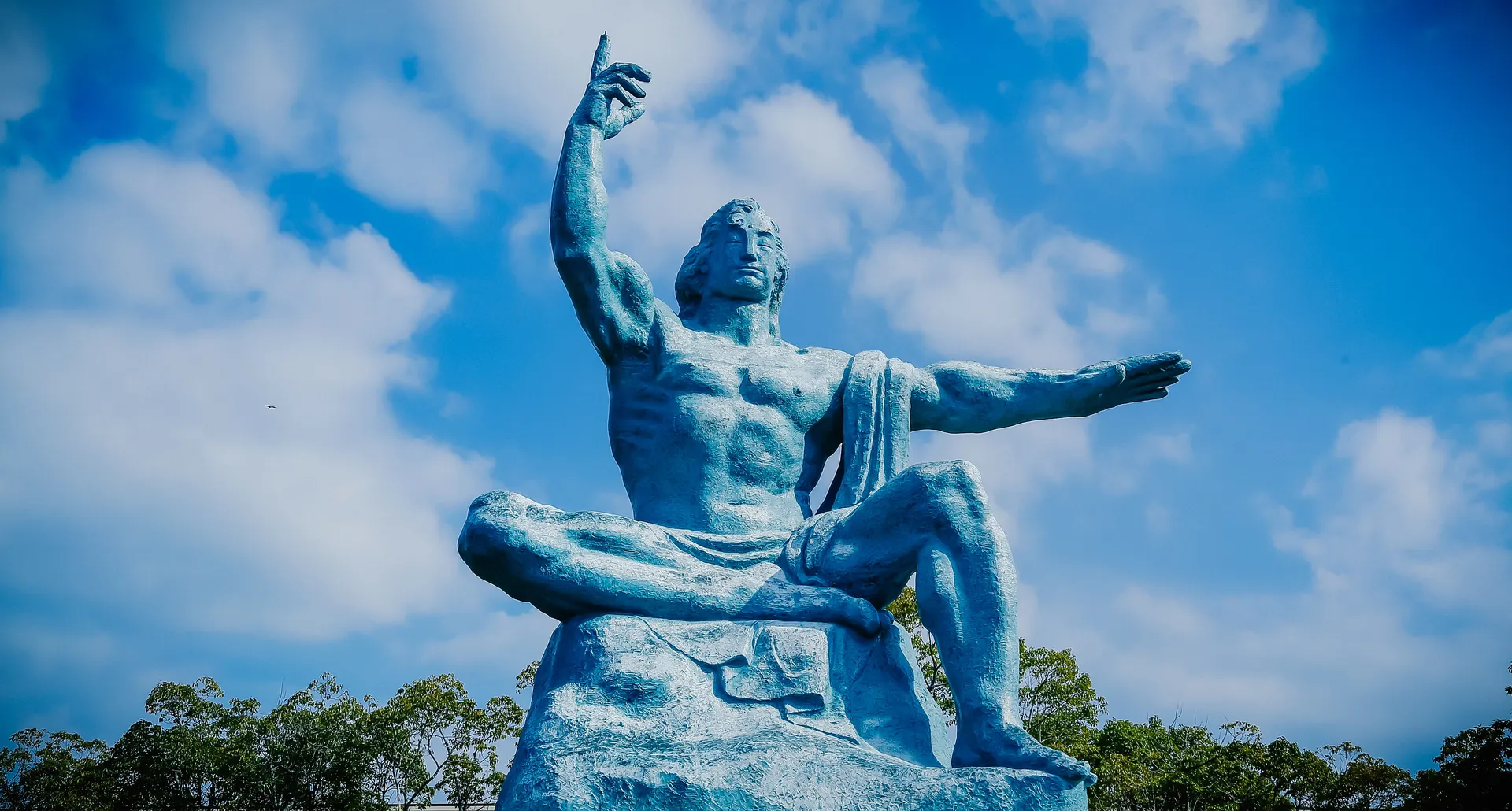
Few ports in Japan carry the weight of history quite like Nagasaki, a city whose story stretches back to 1571, when Portuguese traders established it as a gateway between East and West. For more than two centuries during Japan's sakoku period of national isolation, Nagasaki's tiny fan-shaped island of Dejima remained the sole point of contact between Japan and the European world — a remarkable distinction that shaped the city's architecture, cuisine, and cosmopolitan spirit in ways still palpable today. The atomic bombing of August 9, 1945, devastated much of the city, yet Nagasaki rebuilt itself with a quiet resilience that visitors find deeply moving, its Peace Park and Atomic Bomb Museum standing as eloquent testaments to both tragedy and the enduring human capacity for renewal.
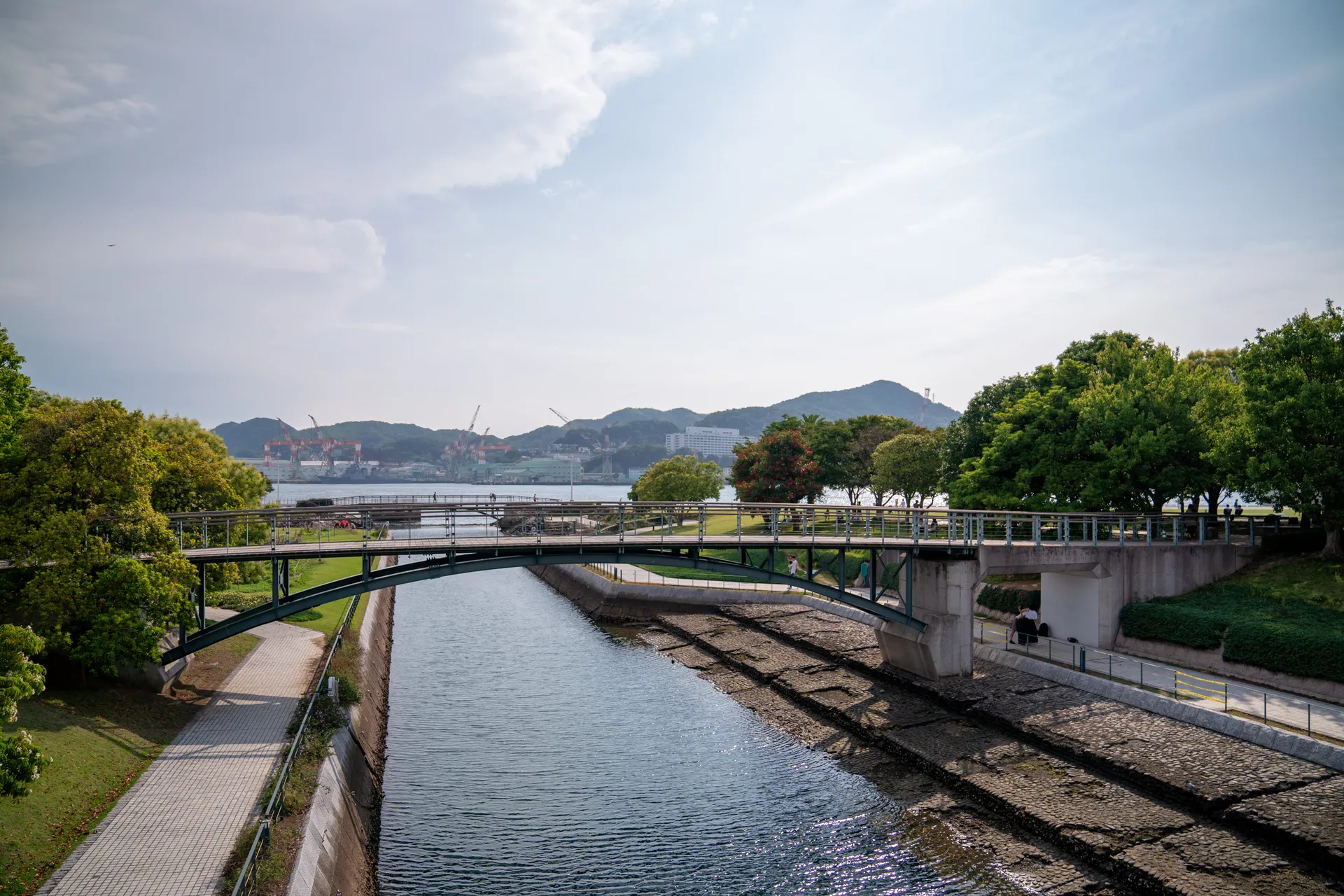
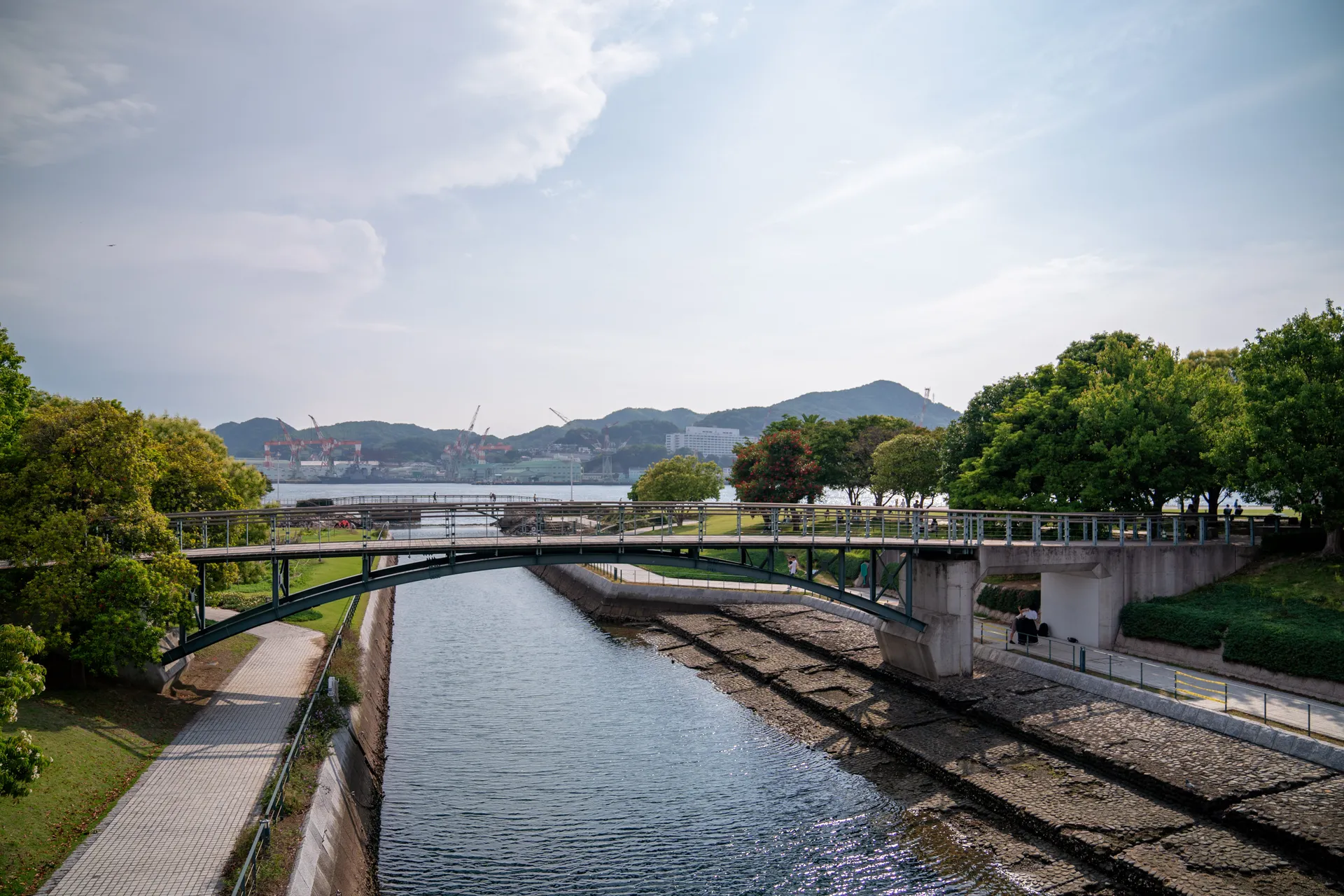
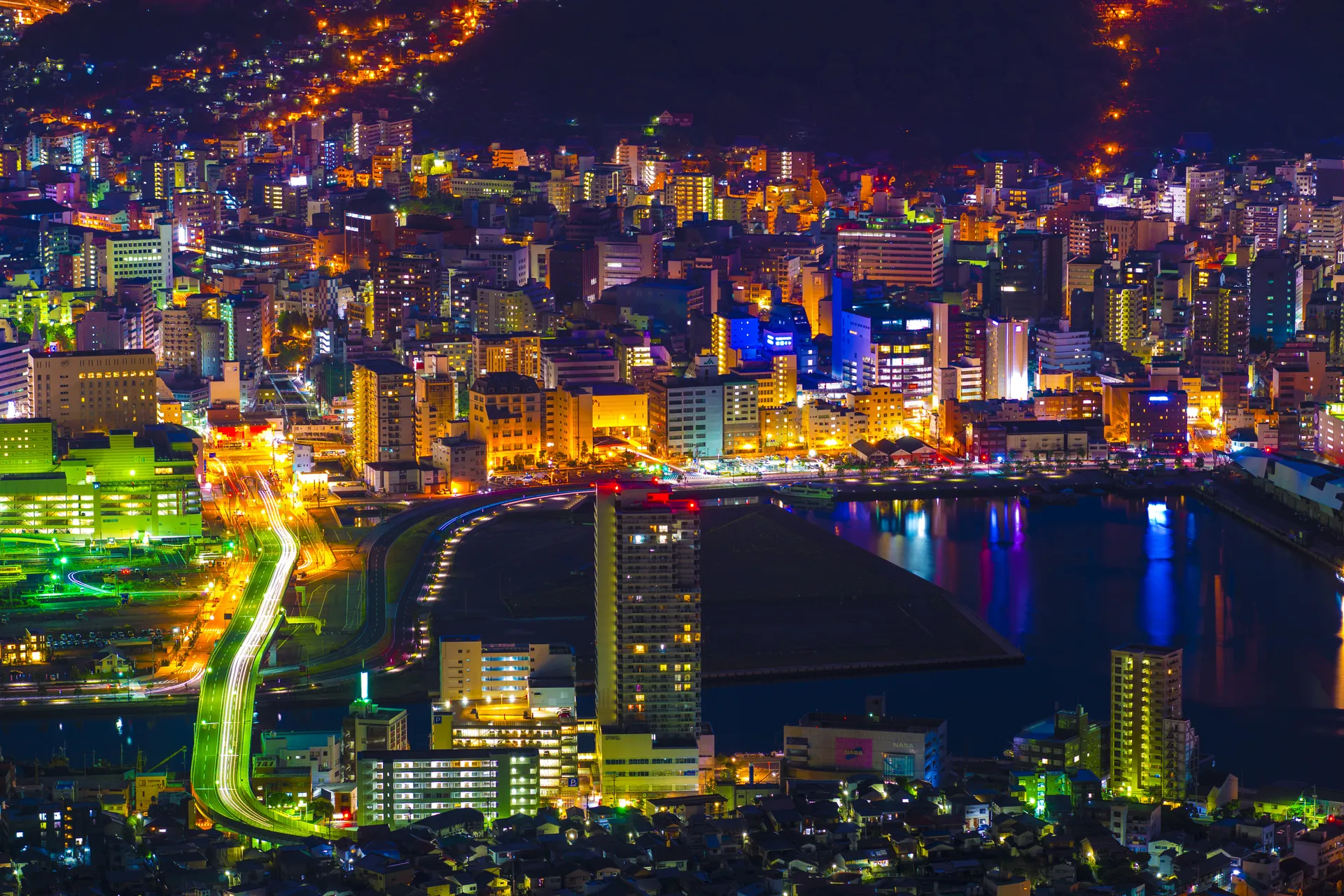
Draped across a series of steep, verdant hillsides that tumble toward a long, sheltered harbour, Nagasaki possesses a topography more reminiscent of Lisbon or Valparaíso than a typical Japanese city. Winding lanes climb past weathered stone churches and centuries-old Chinese temples, while the Glover Garden district — home to the oldest surviving Western-style residences in Japan — offers sweeping panoramas across the harbour where cruise ships rest at anchor. At dusk, the city reveals its most theatrical quality: thousands of lights cascading down the surrounding slopes like a constellation brought to earth, a spectacle best appreciated from the ropeway summit of Mount Inasa, consistently ranked among Japan's three finest night views. The atmosphere is one of gentle sophistication, a city comfortable in its layered identity, neither rushing toward modernity nor clinging to the past.
Nagasaki's culinary landscape reflects its singular history of cultural exchange with an inventiveness found nowhere else in Japan. Champon — a hearty noodle soup brimming with pork, seafood, and vegetables in a rich, milky broth — was born here in the late nineteenth century, created by a Chinese restaurateur to nourish fellow immigrants, and remains the city's signature comfort dish. Equally beloved is sara udon, its crispy thin-noodle cousin served beneath a glossy, stir-fried topping, and the pillowy castella sponge cake, a confection descended directly from sixteenth-century Portuguese missionaries that Nagasaki's storied bakeries — Fukusaya foremost among them — have elevated to an art form. For those seeking something more refined, the city's shippoku ryori presents a unique multicourse feast blending Japanese, Chinese, and Dutch culinary traditions on a single lacquered table, an experience as historically resonant as it is delicious.
Beyond the harbour, the wider canvas of Japan unfolds with remarkable variety for those extending their voyage. The volcanic landscapes of Kyushu itself reward exploration — from the steaming onsen towns of Beppu and Unzen to the dramatic caldera of Mount Aso — while further afield, the cultural treasures of northern Honshu and Tohoku beckon. The ancient samurai quarter of Hirosaki, presided over by its original Edo-period castle, offers one of Japan's most celebrated cherry blossom experiences each spring. The pristine volcanic lake of Towada, ringed by primeval beech forests in Aomori Prefecture, achieves a chromatic intensity in autumn that rivals any landscape on earth, while the therapeutic hot springs of Hanamaki — beloved retreat of poet Kenji Miyazawa — provide a contemplative counterpoint to Nagasaki's urban energy. Even the iconic silhouette of Mount Fuji, framed within the Fuji Hakone Izu National Park, lies within reach of extended itineraries that trace Japan's Pacific coastline.
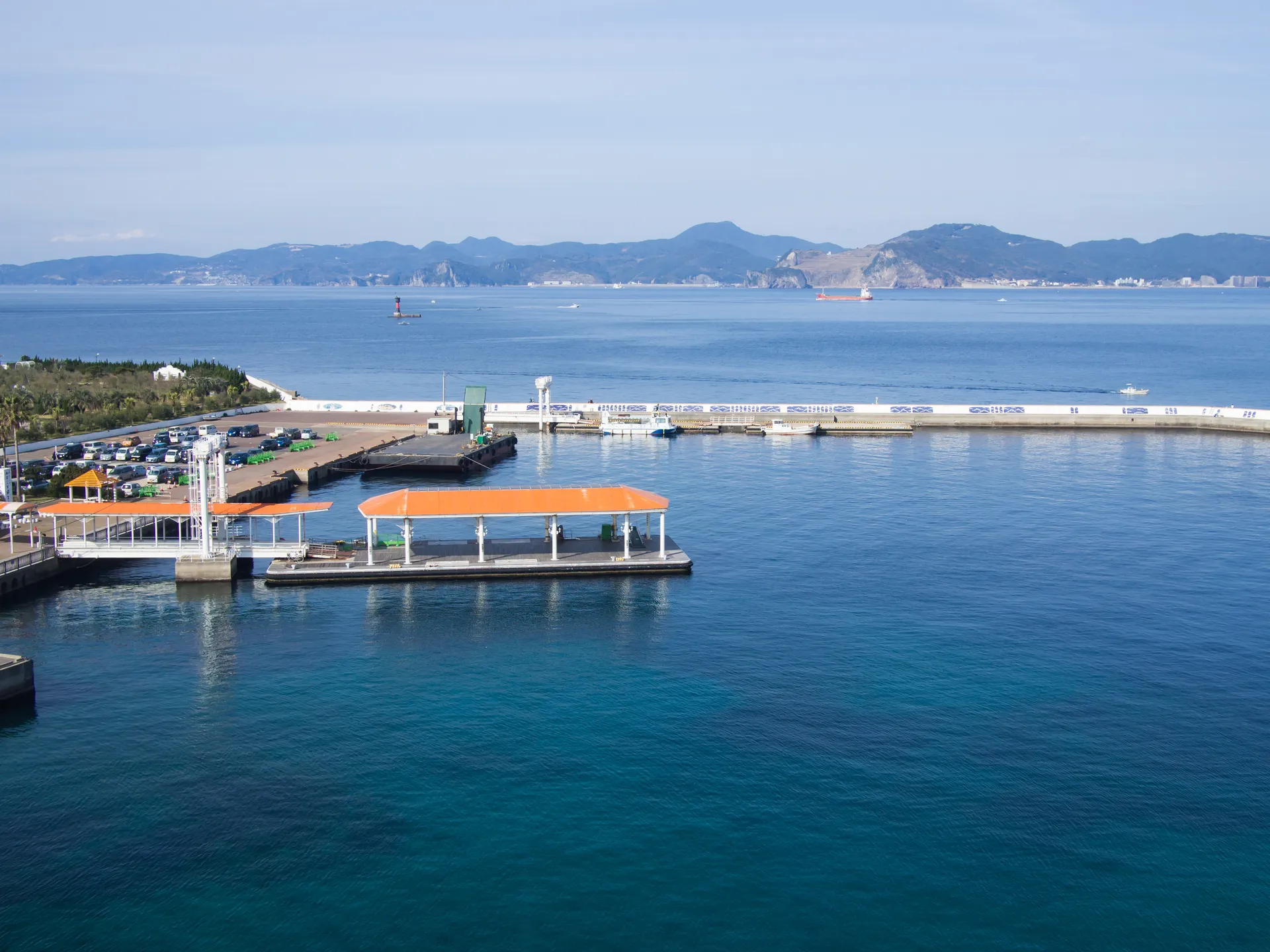
Nagasaki's deep-water harbour and well-appointed cruise terminal make it a natural port of call for vessels navigating the East China Sea and the broader waters of the western Pacific. An impressive roster of international cruise lines includes Celebrity Cruises, Costa Cruises, Holland America Line, Oceania Cruises, Princess Cruises, Regent Seven Seas Cruises, Royal Caribbean, Viking, and Windstar Cruises — each offering itineraries that pair Nagasaki with destinations across Japan, South Korea, and Taiwan. Whether arriving aboard an intimate Windstar sailing yacht or a grand Royal Caribbean vessel, passengers step ashore into a city whose compact geography and exceptional public transport make independent exploration remarkably effortless. Most ships berth within easy reach of the city centre, granting even half-day visitors sufficient time to absorb the haunting beauty of the Peace Park, savour a bowl of champon at a harbourside stall, and ascend Mount Inasa before the evening sailing.