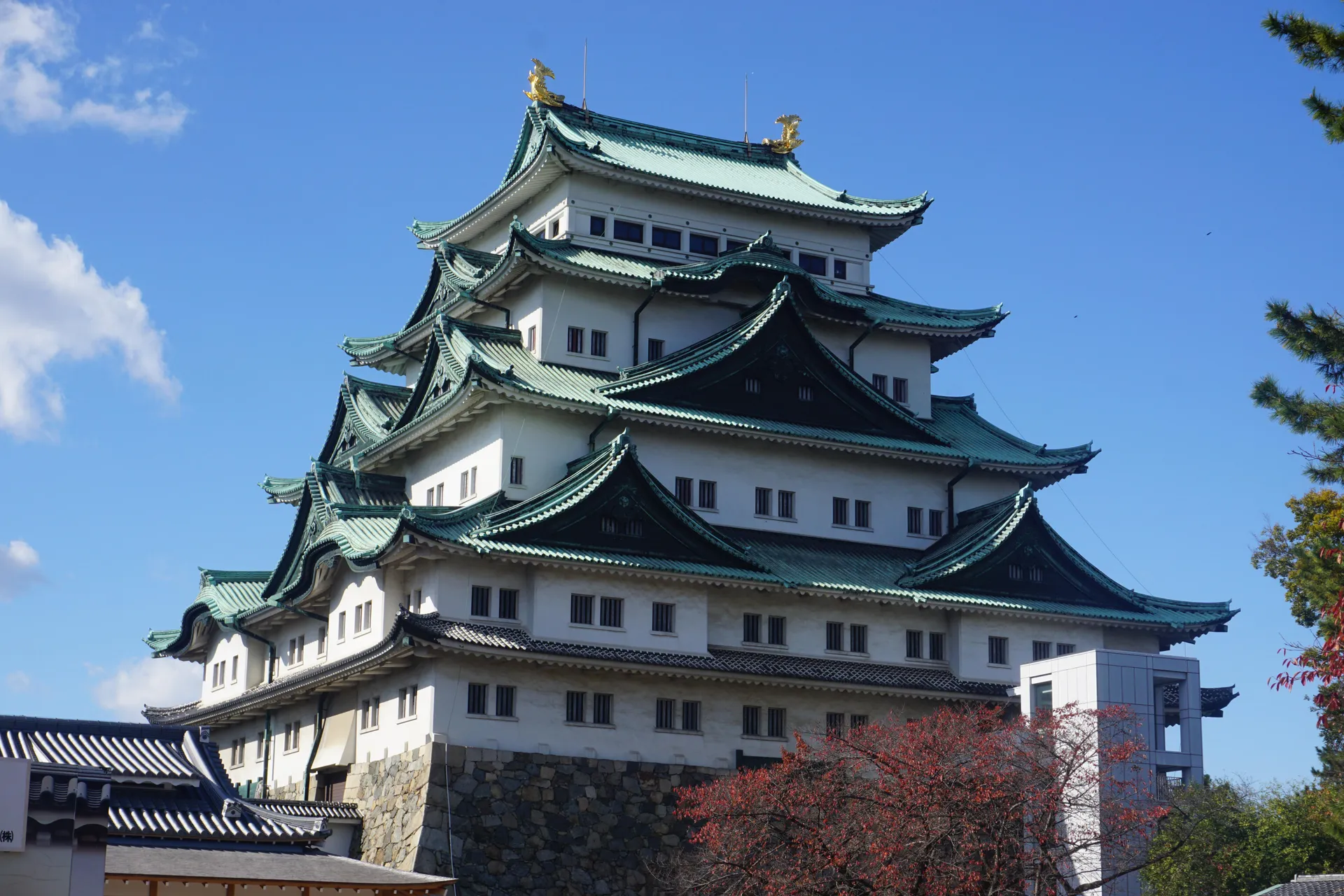
In the heart of Japan's industrial powerhouse, where the Nobi Plain meets Ise Bay in the center of Honshu, Nagoya defies the dismissal it often receives from travelers rushing between Tokyo and Kyoto. This is the city that gave the world Toyota, pachinko, and some of Japan's most distinctive regional cuisine, but beneath the corporate efficiency lies a castle town of genuine cultural depth—a place where samurai heritage, artisan traditions, and an independent culinary identity create a Japanese urban experience refreshingly free of tourist pretension.
Nagoya's character blends industrial ambition with an understated cultural confidence. Nagoya Castle, originally built by Tokugawa Ieyasu in 1612 as the seat of the Owari domain, defines the city's historical identity—its golden shachihoko (mythical dolphin-tiger) roof ornaments have become Nagoya's symbol. The ongoing reconstruction of the Honmaru Palace in traditional hinoki cypress, using techniques and tools faithful to the original, represents one of the most ambitious heritage restoration projects in modern Japan. The Osu district, a covered shopping arcade surrounding the Osu Kannon temple, pulses with an eclectic energy—vintage clothing, electronics, maid cafés, and traditional craft shops creating a neighborhood that captures Nagoya's comfortable embrace of both tradition and modernity.
Nagoya's food culture is one of Japan's most distinctive and least known internationally. The city has developed a culinary identity so unique it has its own name: Nagoya meshi. Miso katsu—tonkatsu drenched in a rich, dark hatcho miso sauce made from soybeans fermented for two to three years—is the city's signature dish, its depth of flavor unlike any katsu served elsewhere. Hitsumabushi, grilled eel served three ways in a single meal (plain, with condiments, then as ochazuke with dashi broth poured over), transforms unagi into a progressive dining experience. Tebasaki (crispy fried chicken wings glazed with sweet-savory sauce), kishimen (flat udon noodles), and ankake spaghetti (a Nagoya-invented pasta with a thick, peppery meat sauce) round out a culinary tradition that proudly marches to its own beat.
Beyond the city center, Nagoya's cultural offerings include the Tokugawa Art Museum, housing treasures from the Owari Tokugawa family including the world's oldest surviving illustrated narrative—the twelfth-century Tale of Genji scrolls (displayed briefly each November). The Toyota Commemorative Museum of Industry and Technology traces the evolution from wooden loom manufacture to automotive excellence with engaging exhibits that make industrial history genuinely fascinating. Atsuta Shrine, one of Shinto's most sacred sites, guards the legendary Kusanagi no Tsurugi sword—one of Japan's three Imperial Regalia—in a forest of ancient camphor trees that provides unexpected tranquility in the urban landscape.
Princess Cruises and Regent Seven Seas Cruises call at Nagoya, and the port's central Honshu location provides a gateway to destinations that include both Kyoto and the Japanese Alps. The port facilities are efficient and well-organized, with city center connections readily available. For travelers who have visited Tokyo and Kyoto and think they know Japan—Nagoya exists to prove them delightfully wrong, offering a city where samurai castles, industrial innovation, and a fiercely independent food culture converge in one of the country's most rewarding urban surprises.

