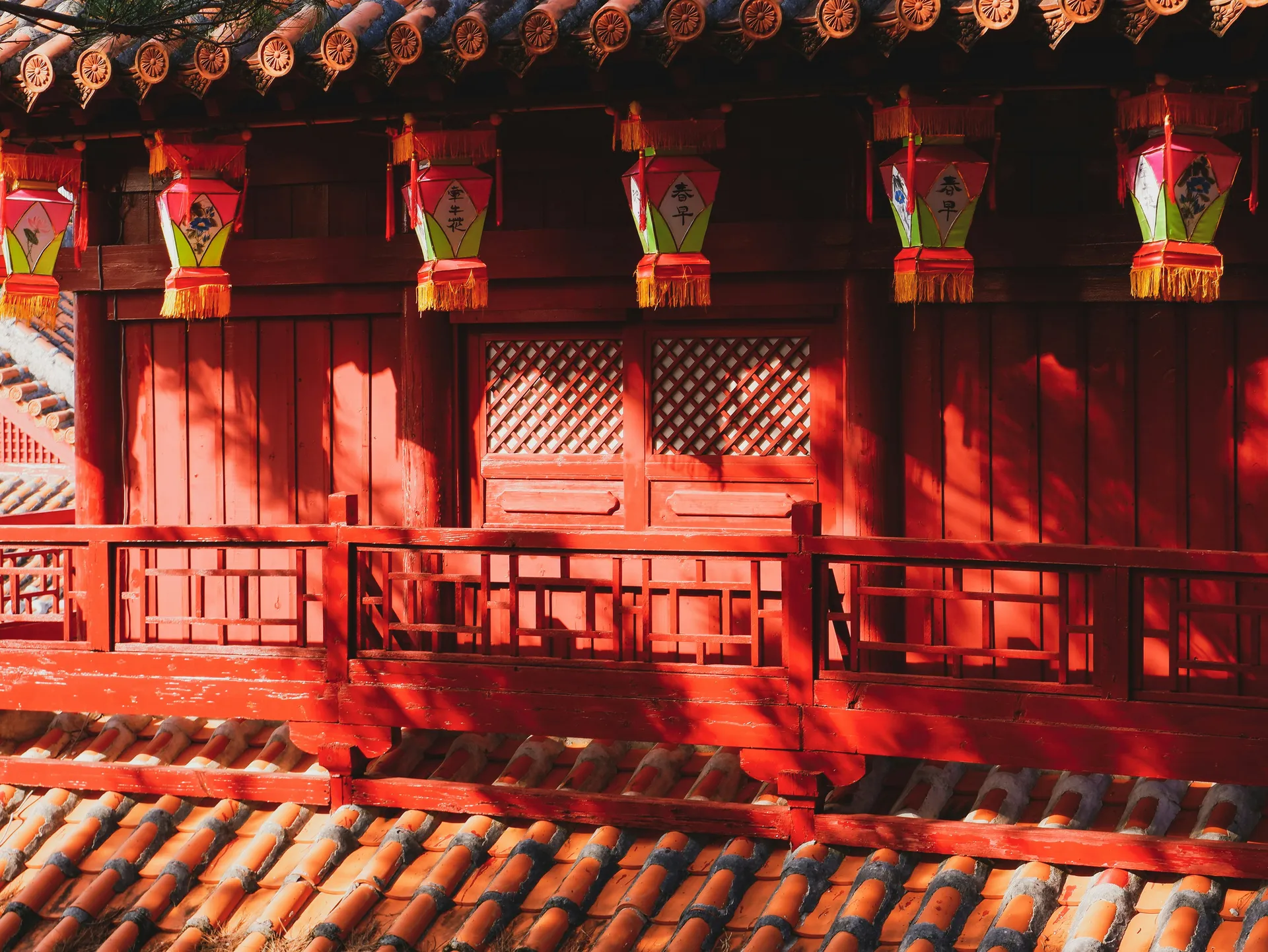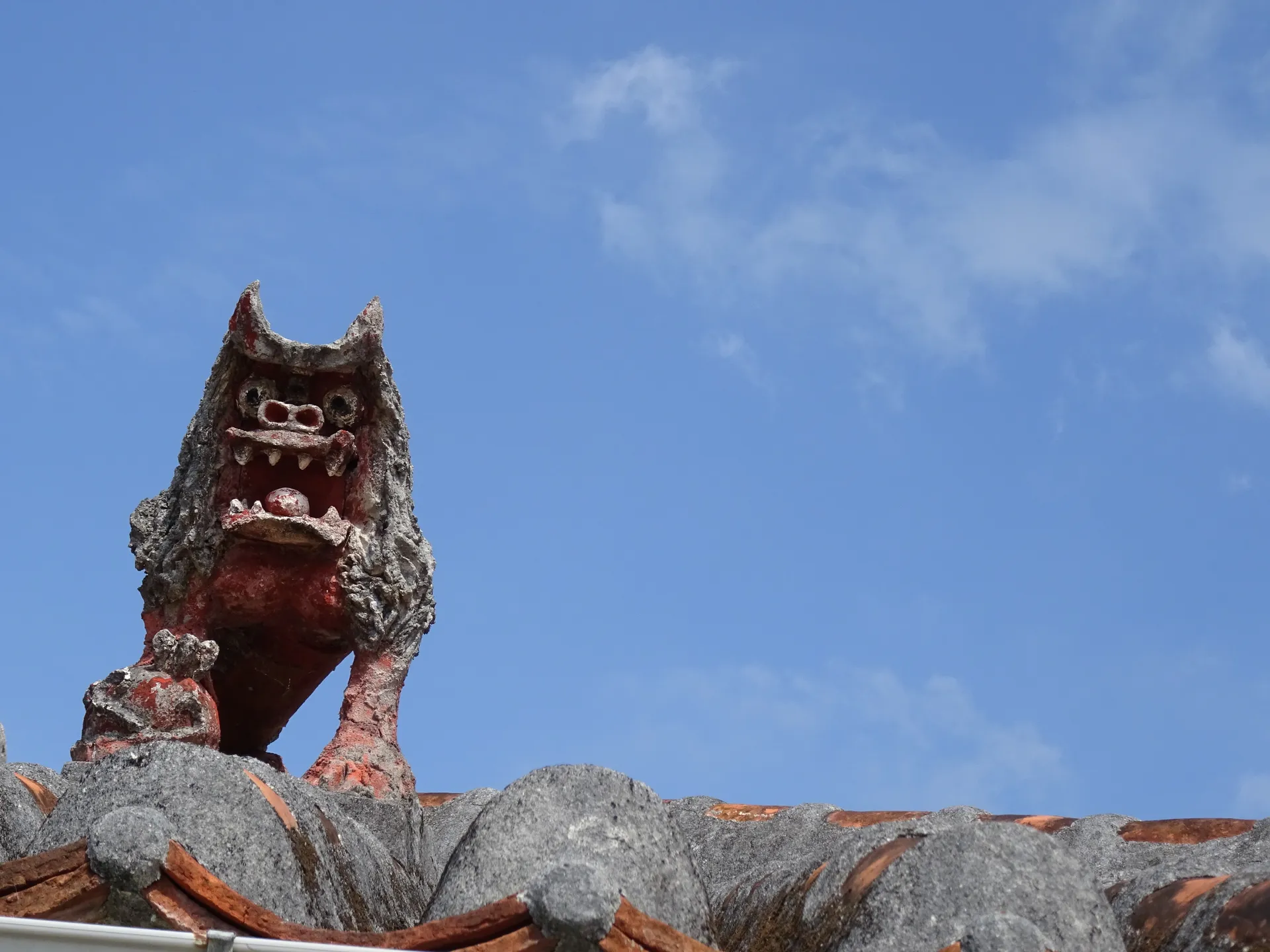
Okinawa occupies a singular place in the Japanese imagination—part tropical paradise, part living repository of the Ryukyu Kingdom, a civilization that flourished independently for nearly five centuries before its annexation by Japan in 1879. The Ryukyuans were master seafarers and diplomats, maintaining trade relations with China, Korea, and Southeast Asia while developing a culture distinct from mainland Japan in language, music, and martial arts. The ruins of Shuri Castle, a UNESCO World Heritage Site perched above Naha, still evoke the grandeur of a court that once rivaled any in East Asia, even after its devastating destruction in World War II and subsequent reconstructions.
Modern Okinawa pulses with an energy entirely its own. Naha's Kokusai Street—International Street—is a mile-long corridor of shops, izakayas, and live music venues where the twang of the sanshin (a three-stringed Okinawan instrument) drifts from doorways at all hours. Yet step one block off the main drag and you'll find quiet neighborhoods where elderly residents practice the daily rituals credited with making Okinawa one of the world's Blue Zones, places where people routinely live past 100. The concept of ikigai—a reason for living—permeates everything here, from the grandmother tending her garden to the master potter in Tsuboya's ceramic village.
Okinawan cuisine diverges dramatically from mainland Japanese food, reflecting centuries of Chinese and Southeast Asian influence. Rafute, pork belly braised for hours in awamori (Okinawa's indigenous distilled spirit), soy sauce, and brown sugar, melts at the merest touch. Goya champuru—a stir-fry of bitter melon, tofu, egg, and pork—is the quintessential home-cooked dish, packed with the nutrients that allegedly fuel the island's legendary longevity. Soba here means something entirely different: thick wheat noodles in a pork-and-bonito broth, topped with tender spareribs. And then there is taco rice, a gloriously unironic fusion born from the American military presence—seasoned ground beef, lettuce, cheese, and salsa over steaming rice.
Beyond Naha, Okinawa's main island and its surrounding archipelago harbor some of Japan's most extraordinary natural landscapes. The Kerama Islands, just thirty minutes by high-speed ferry, boast waters so transparent they've earned the designation "Kerama Blue," with sea turtles gliding over coral reefs visible from the surface. Cape Manzamo's cliff formations frame the East China Sea in dramatic natural arches. The northern Yanbaru forest, a UNESCO Natural Heritage Site, shelters endemic species including the Okinawa rail, a flightless bird discovered only in 1981. For history, the Okinawa Peace Memorial Park offers a profoundly moving tribute to the Battle of Okinawa, one of the Pacific War's most devastating engagements.
Holland America Line includes Okinawa on select Asia itineraries, offering passengers a rare opportunity to experience Japan's subtropical frontier. Ships call at Naha Port, conveniently located near the city center and connected to Kokusai Street by monorail. The optimal visiting window runs from March through May, when cherry blossoms (which bloom here a full month before Tokyo) paint the island pink, and temperatures are warm without the oppressive humidity of summer. Typhoon season runs June through October, making spring and autumn the most reliable periods for calm-sea cruising. In Okinawa, Japan reveals a face it rarely shows the world—warmer, wilder, and infinitely more complex than the mainland alone could ever suggest.