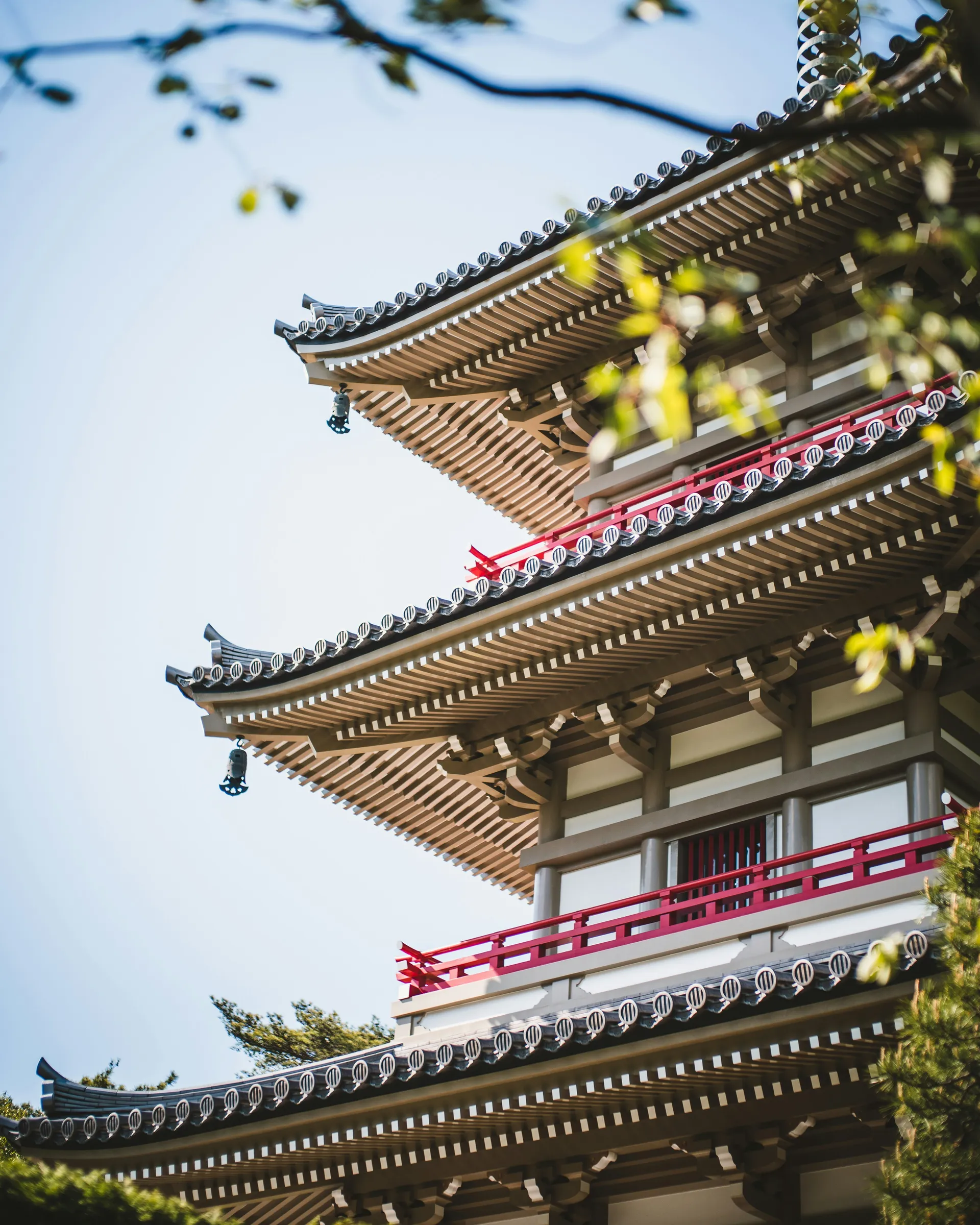
Founded in 1601 by Date Masamune, the brilliant and flamboyant "One-Eyed Dragon" of Japanese feudal history, Sendai has grown from a castle town into the largest city in the Tohoku region — a metropolis of over one million people that somehow retains the verdant, unhurried character that earned it the enduring nickname "City of Trees." Masamune was no ordinary warlord: he dispatched a diplomatic mission to the Vatican in 1613, making Sendai one of the first Japanese cities to engage directly with Europe, and his aesthetic sensibility stamped the city with a taste for sophistication that persists to this day.
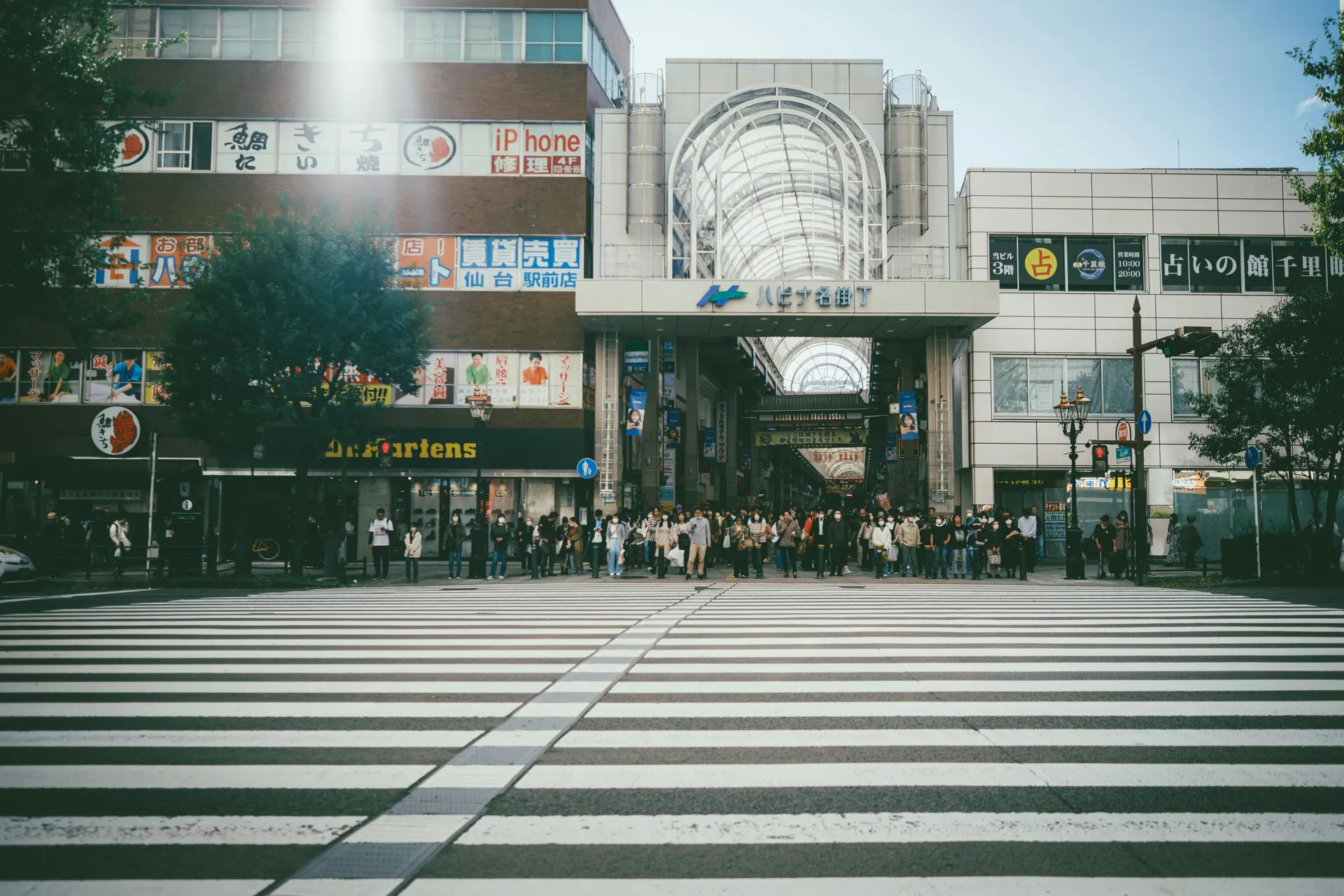
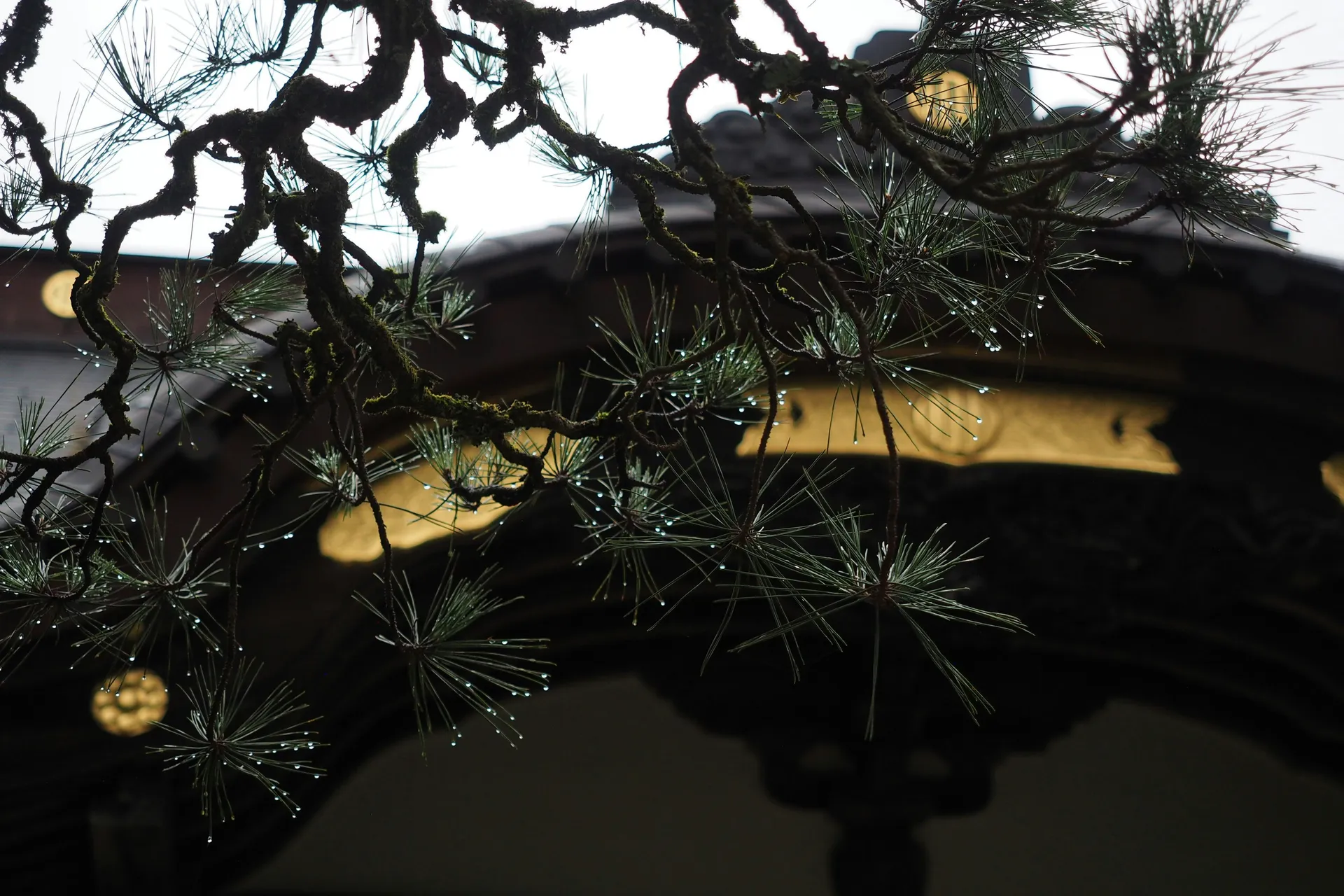
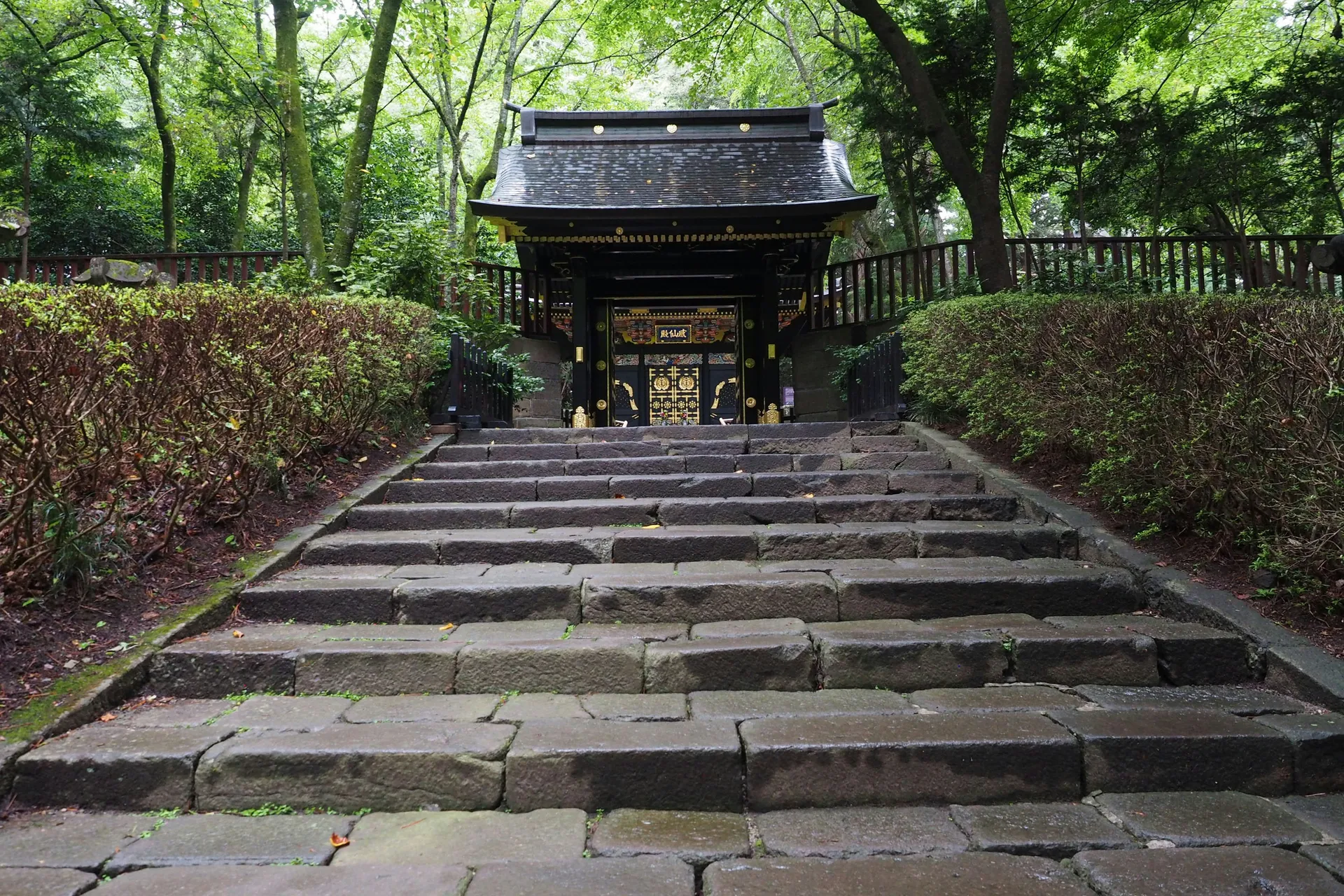
Modern Sendai unfolds along broad, zelkova-lined boulevards that create a cathedral-like canopy of green from spring through autumn. The ruins of Aoba Castle, Masamune's hilltop fortress, offer commanding views over the city and the Pacific beyond, while the adjacent Zuihoden mausoleum — Masamune's final resting place — showcases the ornate Momoyama-period architecture that was his signature style, every surface decorated with gold leaf, lacquer, and intricate carvings of dragons and peonies. The city's cultural districts balance traditional and contemporary with characteristic Tohoku directness: the Mediatheque, Toyo Ito's celebrated glass-and-steel library, stands as one of Japan's most important works of contemporary architecture, while the shopping arcades of Ichiban-cho pulse with the energy of a regional capital.
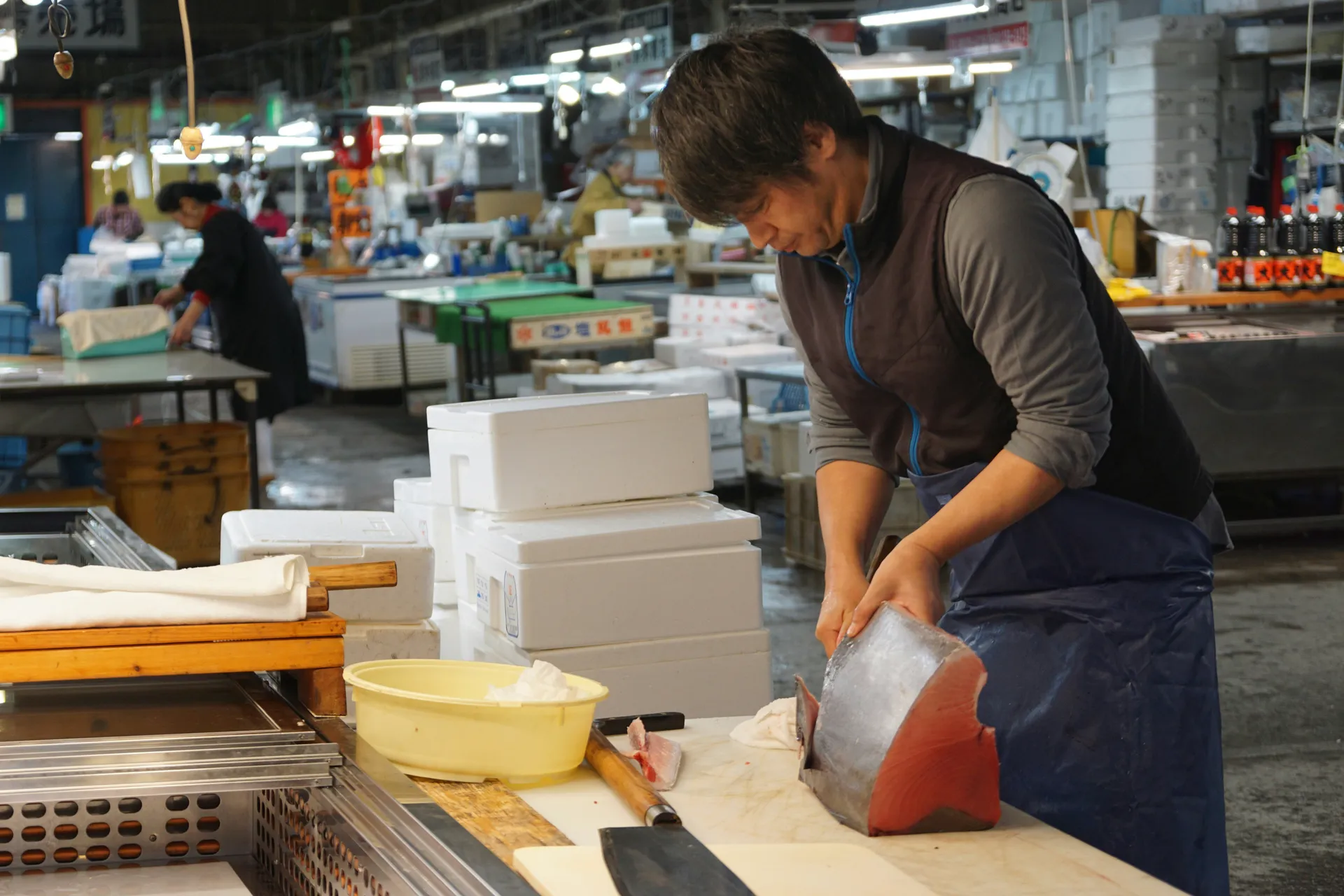
Sendai is indisputably the beef tongue capital of Japan. Gyutan — thick-cut ox tongue, seasoned with salt and charcoal-grilled to a tender, smoky perfection — was first developed here in the post-war years and has become the city's most iconic culinary contribution. Restaurants specializing in gyutan line the streets near Sendai Station, each offering their own interpretation of this deceptively simple dish. Beyond beef tongue, Sendai is famous for zunda mochi — sweet rice cakes covered in a vibrant green paste of crushed edamame — and for the exceptional seafood delivered daily from the nearby port of Shiogama, one of Japan's most important fishing harbors. The city's kissaten (traditional coffee houses) and craft cocktail bars reveal a sophistication that surprises visitors expecting provincial simplicity.
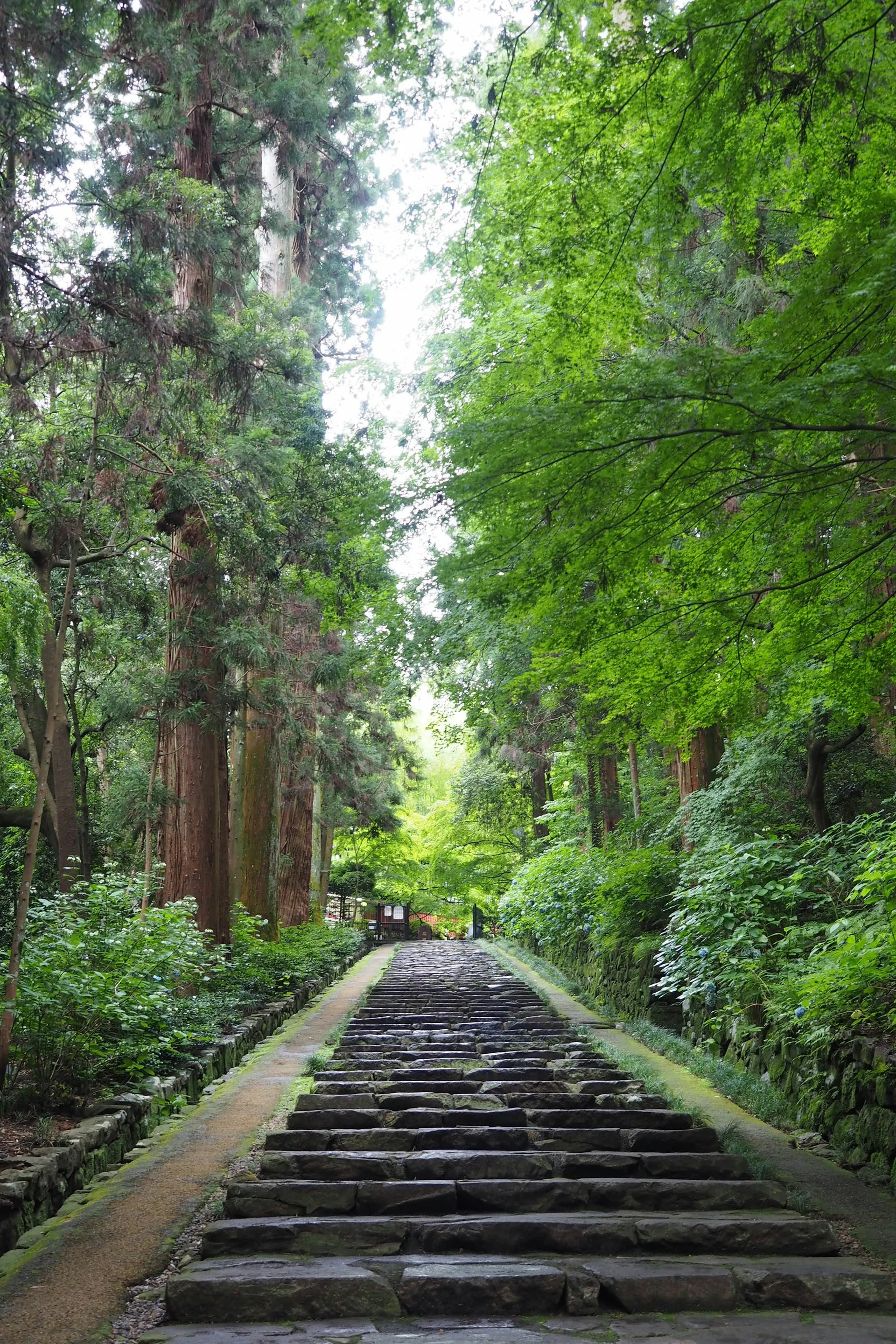
The Sendai region extends the city's appeal in every direction. Matsushima Bay, a twenty-minute train ride away, is celebrated as one of Japan's Three Most Scenic Views — 260 pine-covered islands scattered across a calm bay that inspired the poet Matsuo Basho to speechless admiration. Yamadera, the mountain temple properly known as Risshakuji, clings to a vertiginous cliff face an hour inland, its 1,000 stone steps rewarding climbers with views that stretch across the Tohoku highlands. The Akiu Onsen hot spring resort, tucked into a forested valley just forty minutes from the city center, has been welcoming visitors since the sixth century and offers the ultimate Japanese bathing experience.
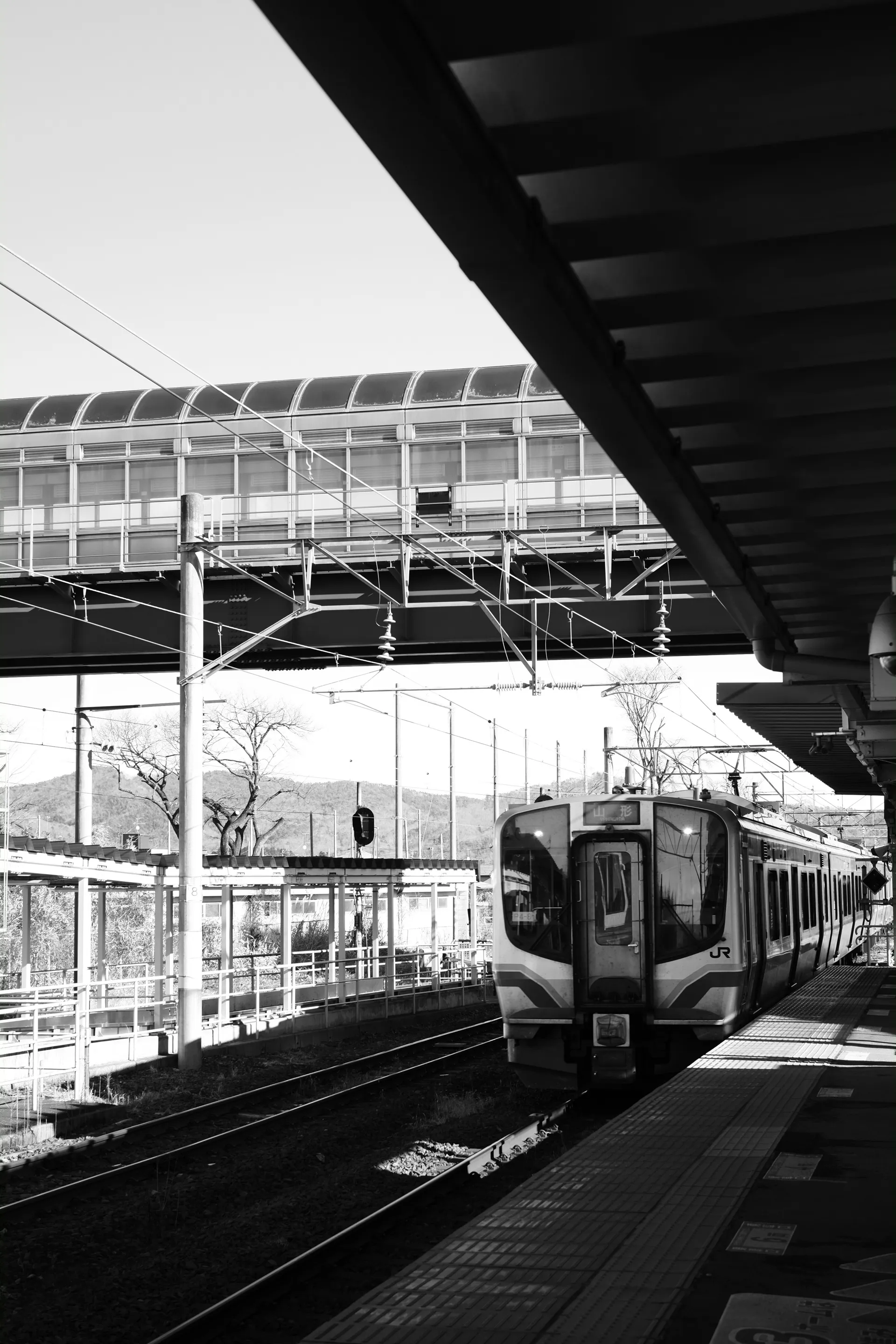
Sendai is accessible as a port call via Sendai-Shiogama Port, located approximately 18 kilometers from the city center with regular shuttle connections. The city's efficient subway and loop bus system make independent exploration straightforward. The Tanabata Festival in early August transforms the shopping arcades into tunnels of elaborate paper decorations and is one of Japan's three great festivals. Autumn foliage from late October through November is spectacular throughout the region, particularly at Yamadera and in the gorges around Akiu. Sendai rewards visitors who look beyond Tokyo and Kyoto — this is Tohoku's cultural heart, generous and genuine.