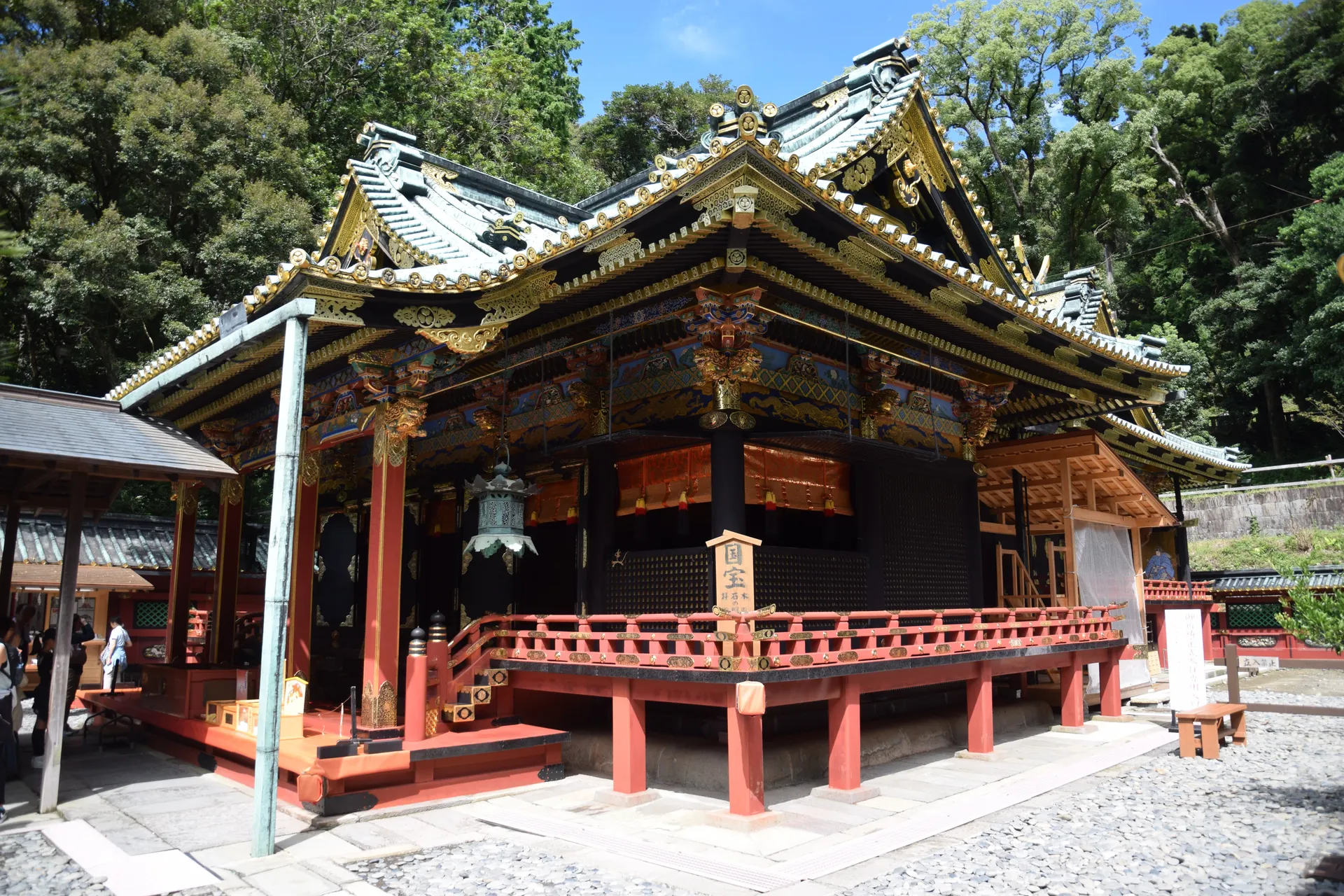
Long before luxury liners began gliding into Suruga Bay, Shimizu thrived as one of Tokugawa-era Japan's most vital maritime trading posts, its harbor bustling with tea merchants dispatching prized Shizuoka leaves to the world following the opening of Japan's ports in the 1850s. The district's seafaring legacy runs deeper still — it was here that the legendary folk hero Jirocho of Shimizu, a nineteenth-century gambler turned civic leader, transformed the port's fortunes and became immortalized in kabuki theatre and popular lore. Today, that mercantile energy persists in a quieter register, woven into the fabric of a city where tradition and the sublime coexist with uncommon grace.
Shimizu reveals itself slowly, the way all truly captivating places do. From the waterfront boardwalk of Dream Plaza, the eye is drawn irresistibly upward to the ethereal silhouette of Mount Fuji, its snow-crowned summit hovering above Suruga Bay like a woodblock print come to life. The Miho no Matsubara pine grove — a UNESCO World Heritage component site — stretches along a crescent of dark volcanic sand, its ancient trees framing the sacred mountain exactly as Utagawa Hiroshige captured them in his celebrated ukiyo-e series. Wander through the S-Pulse Dream Ferry terminal at golden hour, when fishing boats return to harbor trailing ribbons of light across the water, and you begin to understand why Japanese poets have been drawn to this coastline for a thousand years.
The culinary rewards here are immediate and deeply local. Shimizu is the undisputed capital of sakura ebi — translucent cherry blossom shrimp harvested exclusively from Suruga Bay's deep waters, flash-fried into ethereal kakiage tempura or served raw in shimmering, jewel-toned sashimi bowls. At the raucous Kashi no Ichi fish market, fishermen's wives serve maguro donburi heaped with glistening cuts of bluefin tuna landed that morning, alongside bowls of shirasu — delicate whitebait so fresh they still carry the brine of the Pacific. Pair these with a cup of Shizuoka's first-flush sencha, grown on the terraced hillsides visible from the port, and you have composed a meal that no Michelin-starred restaurant could improve upon — because its perfection lies in its proximity to source.
Beyond the city, the landscapes deepen into something approaching the mythic. Fuji Hakone Izu National Park unfolds to the east in a magnificent procession of volcanic peaks, hot spring villages, and cerulean crater lakes — the open-air onsen at Hakone offering views of Fuji that verge on the hallucinatory. Further north, for those with time to venture into the Tohoku heartland, the mirror-still waters of Lake Towada reflect ancient beech forests in colours so saturated they seem digitally enhanced, while Hirosaki's castle grounds — home to twenty-six hundred cherry trees — stage what many consider Japan's most magnificent hanami spectacle each April. The castle town of Aomori offers its exuberant Nebuta Matsuri lantern festival, and the thermal waters of Hanamaki, once beloved by poet Kenji Miyazawa, promise restorative soaks in riverside rotenburo where steam mingles with mountain air.
Shimizu's deepening presence on marquee cruise itineraries speaks to its singular appeal as Japan's Mount Fuji gateway port. Holland America Line and Princess Cruises regularly position calls here within their grand Asia voyages, allowing guests extended hours to pursue the volcano's lower trails or visit the Nihondaira plateau. Silversea's intimate expedition-style vessels and Viking's culturally immersive sailings both leverage the port's compact scale, offering privileged access to tea plantation tours and private shrine visits that larger operations cannot replicate. Windstar Cruises, with its boutique fleet, threads Shimizu into refined Japanese coastal itineraries where the emphasis falls on authenticity over spectacle — precisely the quality this remarkable port delivers with quiet, unwavering confidence.

