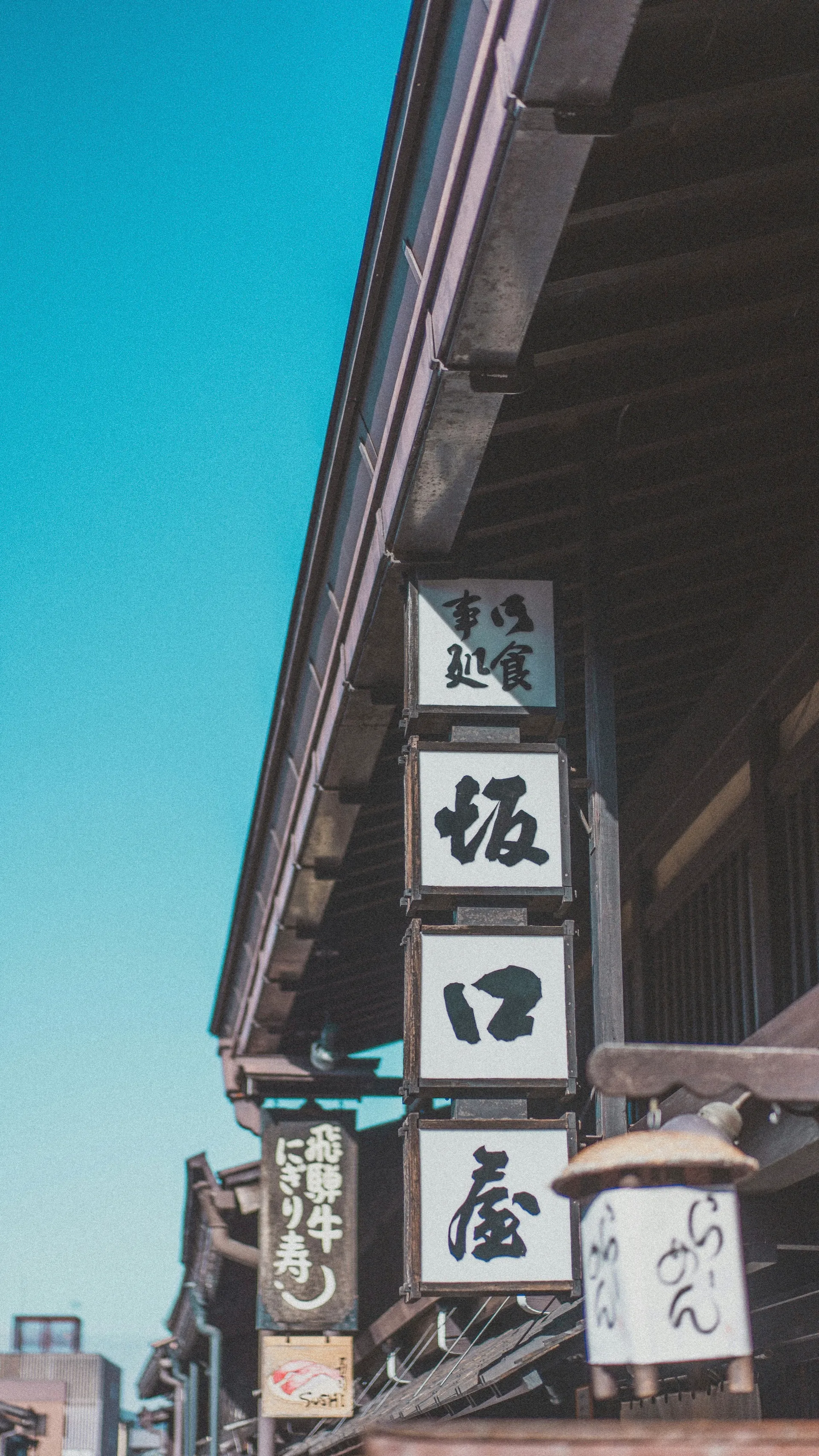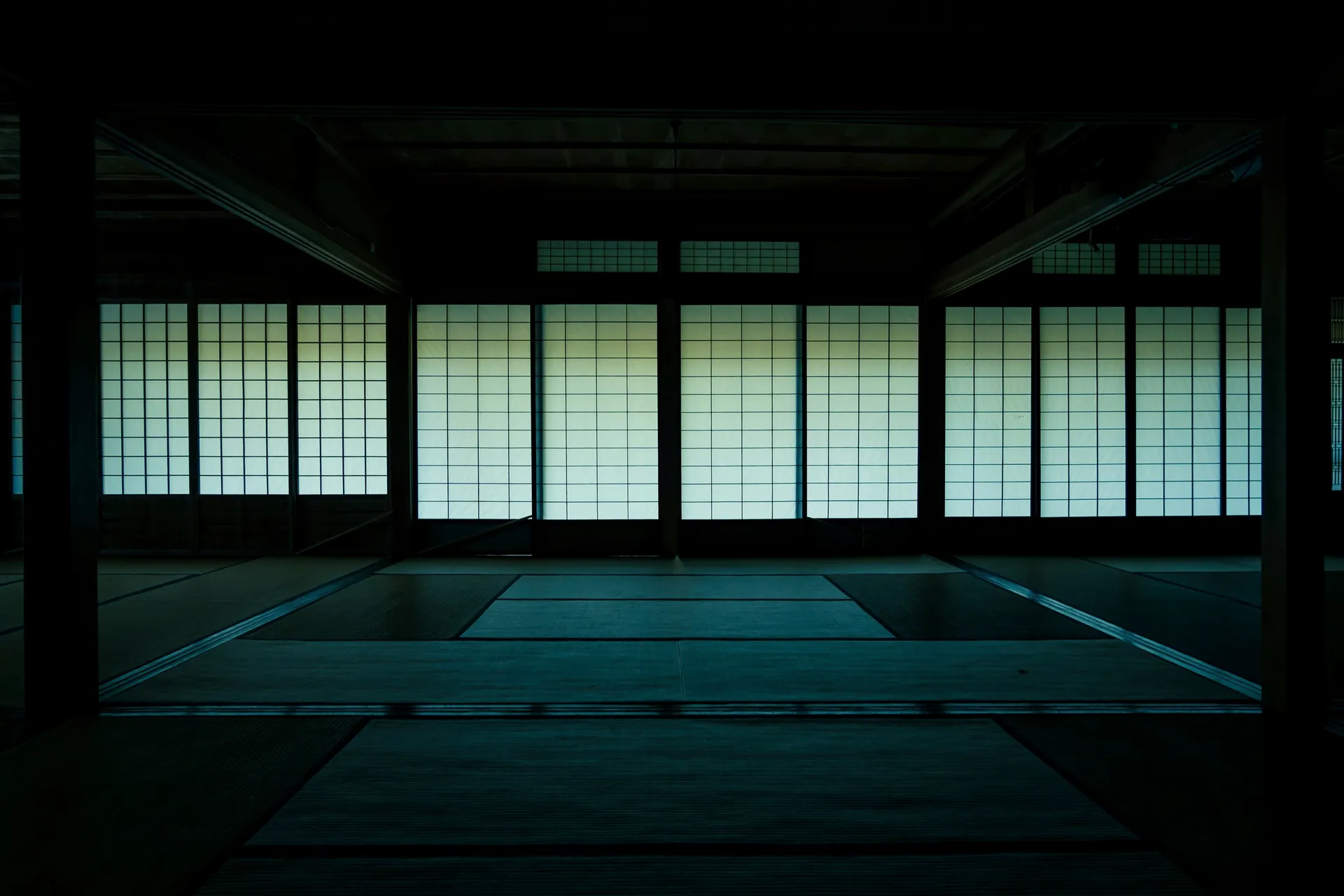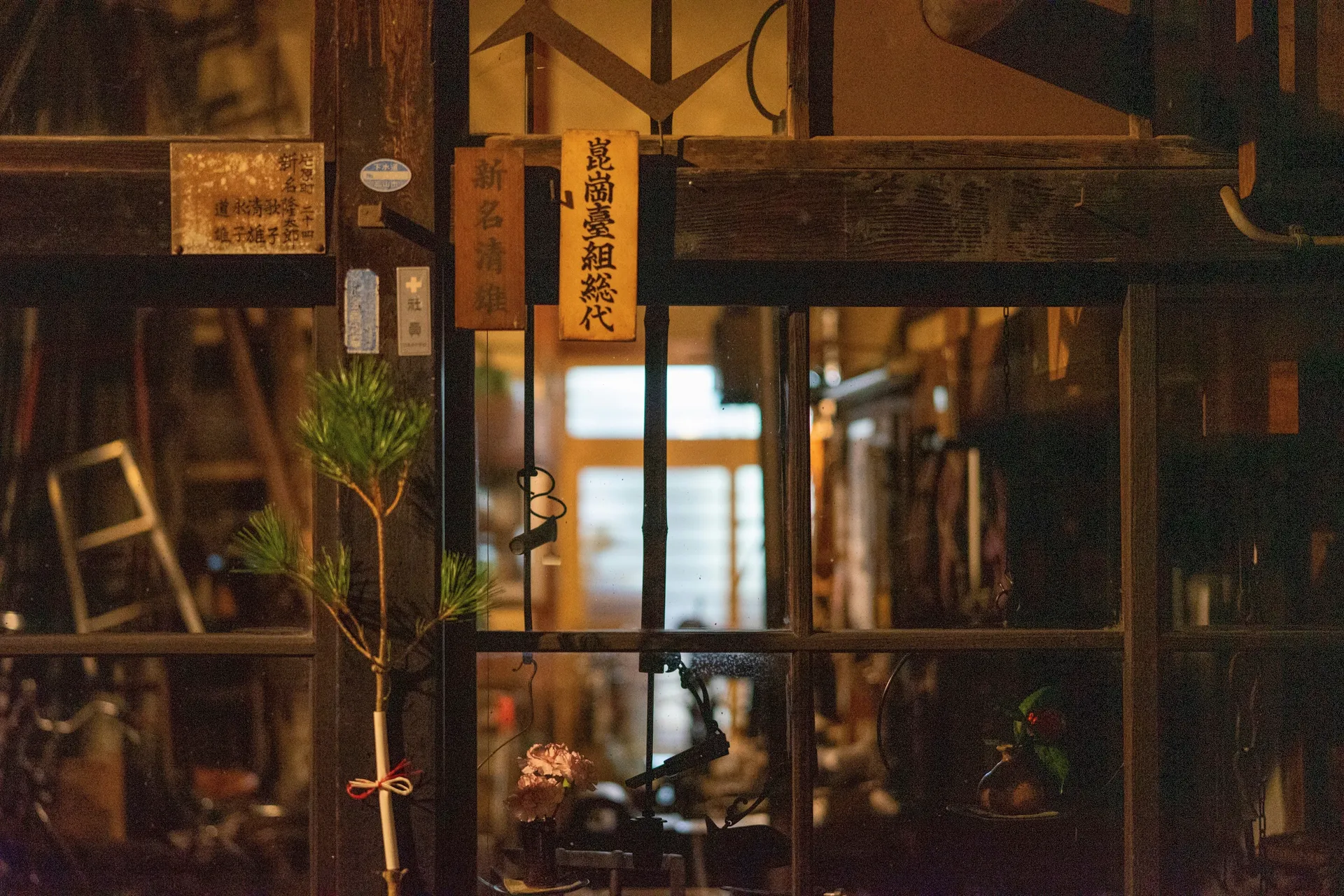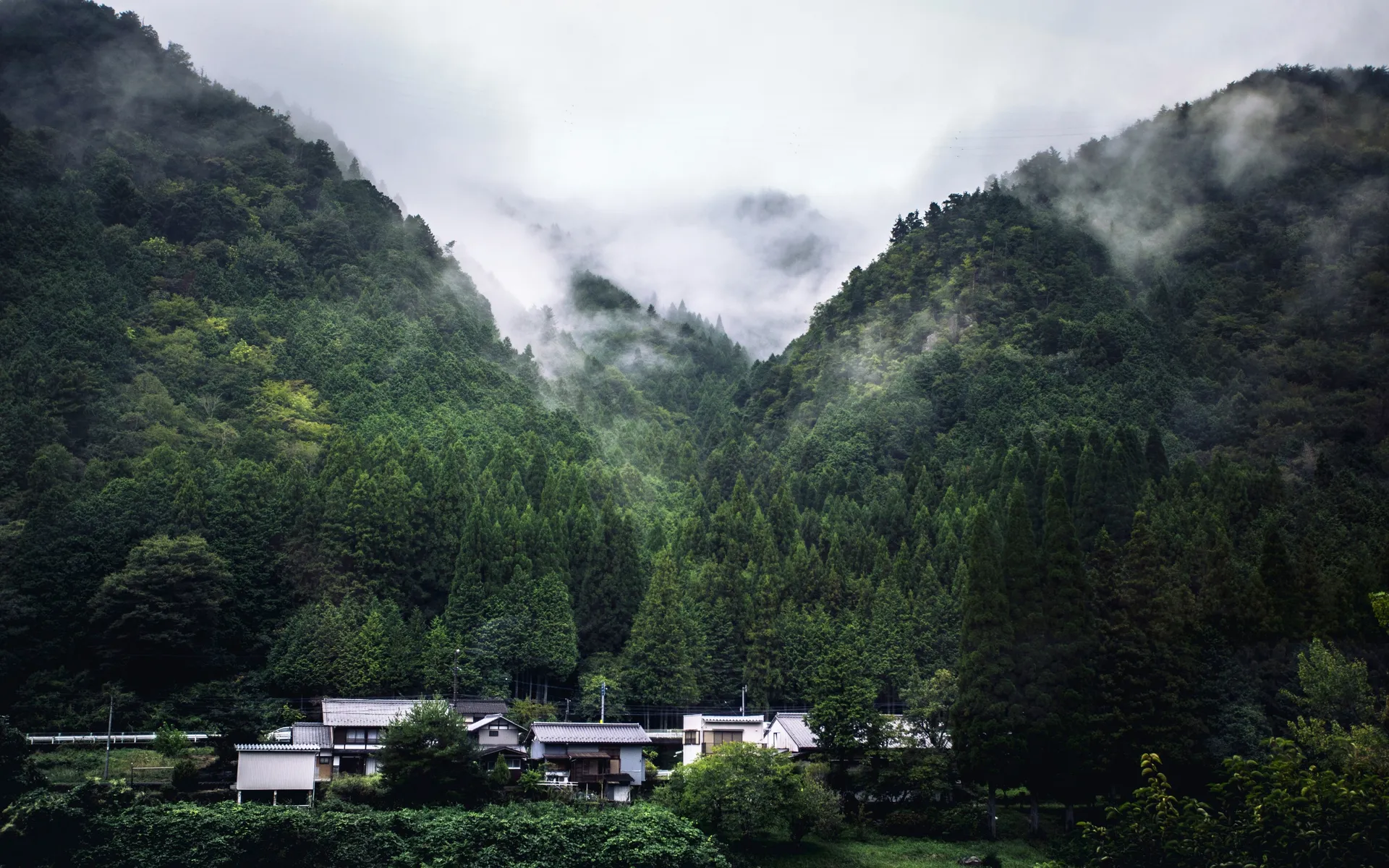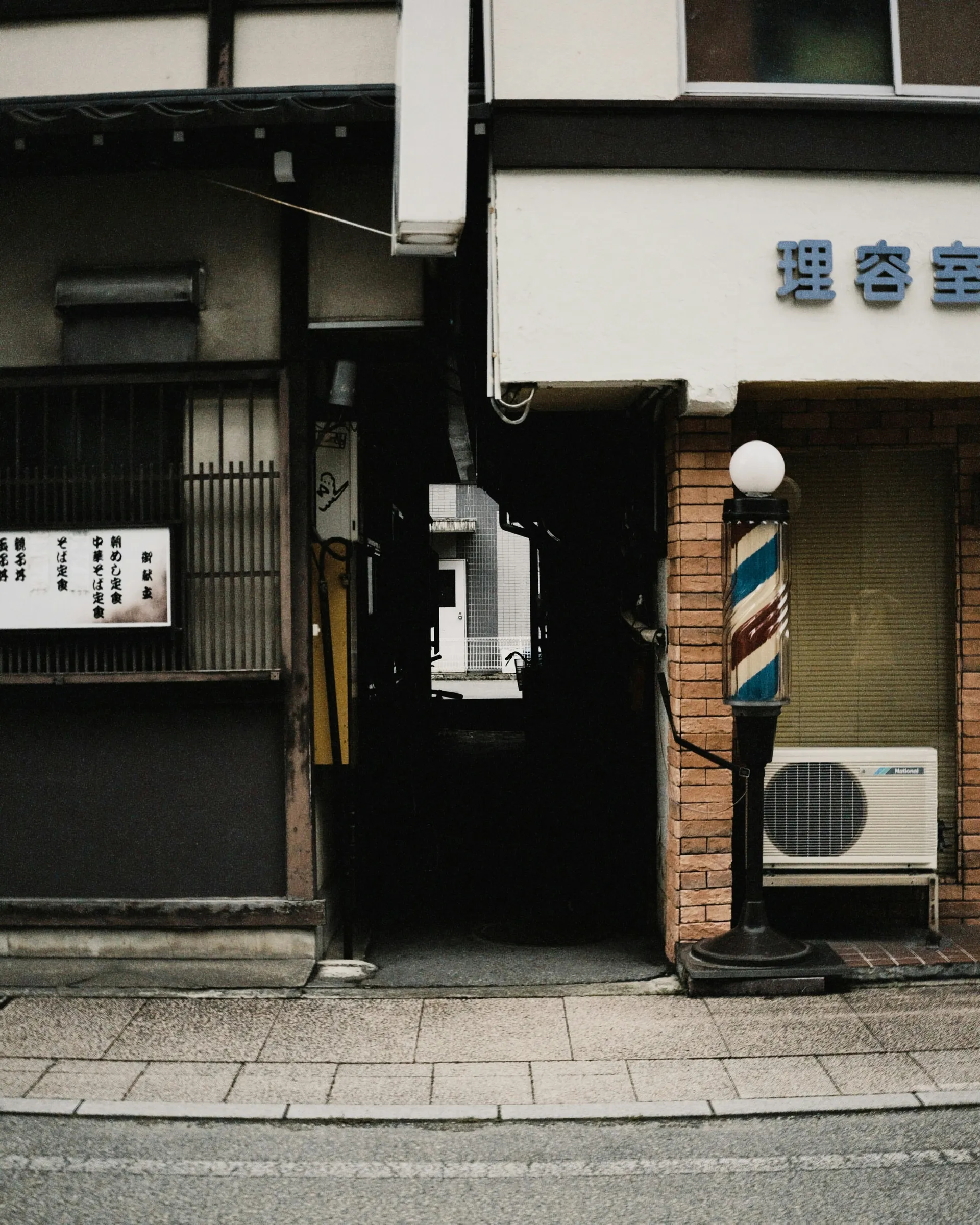
Nestled in the heart of the Japanese Alps, Takayama is a city that has perfected the art of preserving the past without embalming it. While Kyoto commands global attention for its temples, this mountain town in Gifu Prefecture offers something arguably rarer — an authentic glimpse into Edo-period merchant life, where wooden townhouses line narrow streets and morning markets unfold as they have for centuries. For cruise passengers arriving via overland excursion from coastal ports, Takayama represents the cultural soul of inland Japan.
The Sanmachi Suji district forms Takayama's atmospheric core, three parallel streets of beautifully preserved merchant houses dating to the seventeenth and eighteenth centuries. Dark timber facades, latticed windows, and curved ceramic roof tiles create a streetscape that feels miraculously untouched by modernity. Many of these former residences now operate as sake breweries — identified by the traditional sugitama cedar balls hanging above their doorways — craft shops, and small museums. Walking here in the early morning, before tour groups arrive, offers a meditative experience that rivals any temple visit.
Takayama's culinary identity is inseparable from its mountain geography. Hida beef, raised in the surrounding alpine pastures, rivals Kobe beef in marbling and tenderness yet remains less internationally celebrated — a fact that locals seem content to maintain. Served as sushi atop vinegared rice, grilled on skewers at street stalls, or presented as luxurious shabu-shabu, this beef alone justifies the journey. The morning markets at Miyagawa River and in front of Takayama Jinya offer seasonal mountain vegetables, miso paste aged in wooden barrels, and mitarashi dango — grilled rice dumplings glazed with sweet soy sauce that perfectly complement the crisp mountain air.
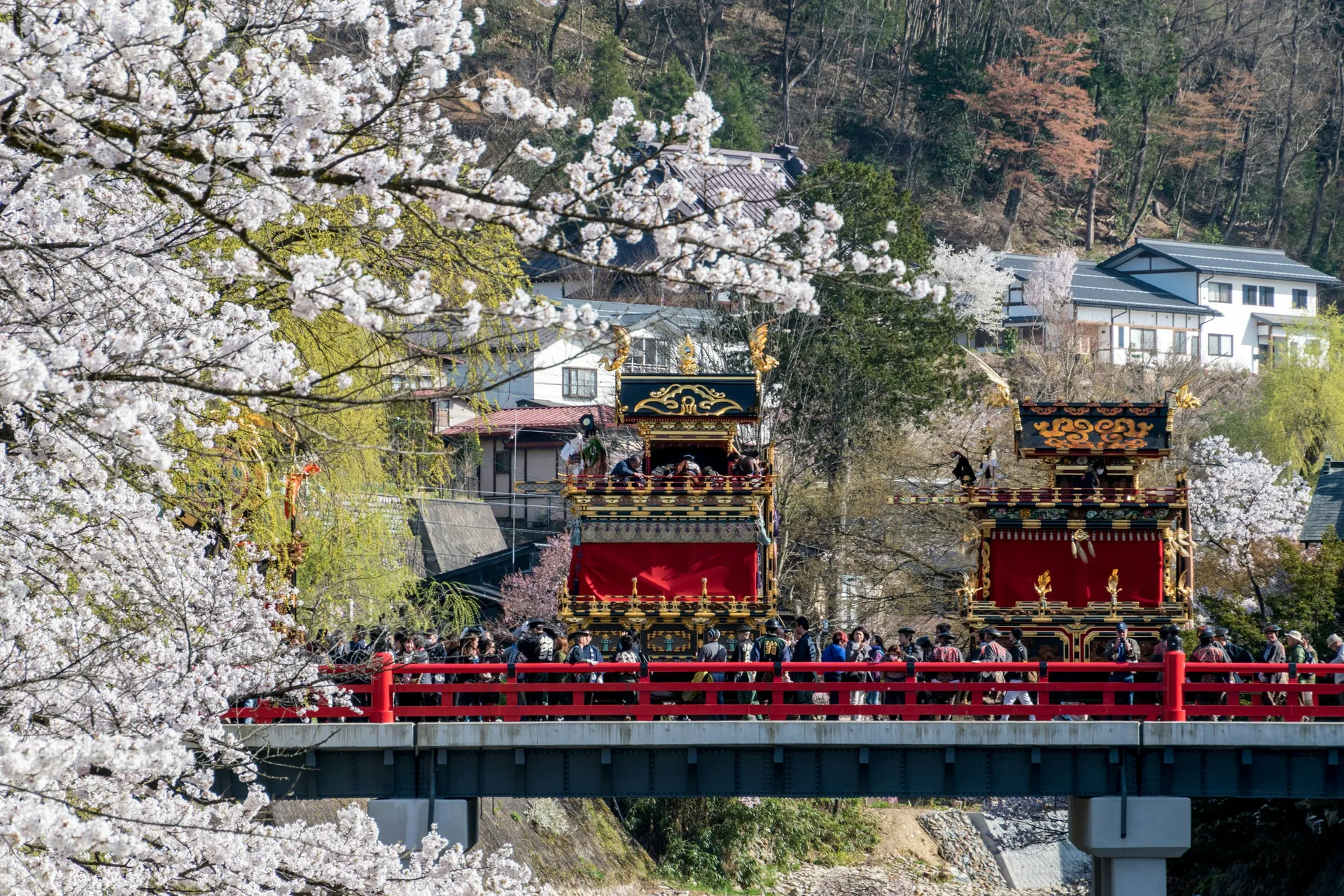
The city's crown jewel is Takayama Jinya, the only surviving Edo-period government outpost in Japan. This sprawling complex of administrative offices, interrogation rooms, and rice storehouses provides a remarkably detailed window into how regional governance functioned under the Tokugawa shogunate. Nearby, the Takayama Festival Floats Exhibition Hall displays the ornate yatai floats used in the biannual Takayama Festival, considered one of Japan's three most beautiful festivals. The craftsmanship of these floats — featuring intricate karakuri mechanical puppets and gold leaf detailing — reflects the extraordinary skill of Hida carpenters, artisans so renowned that they were conscripted to build temples in Nara and Kyoto.
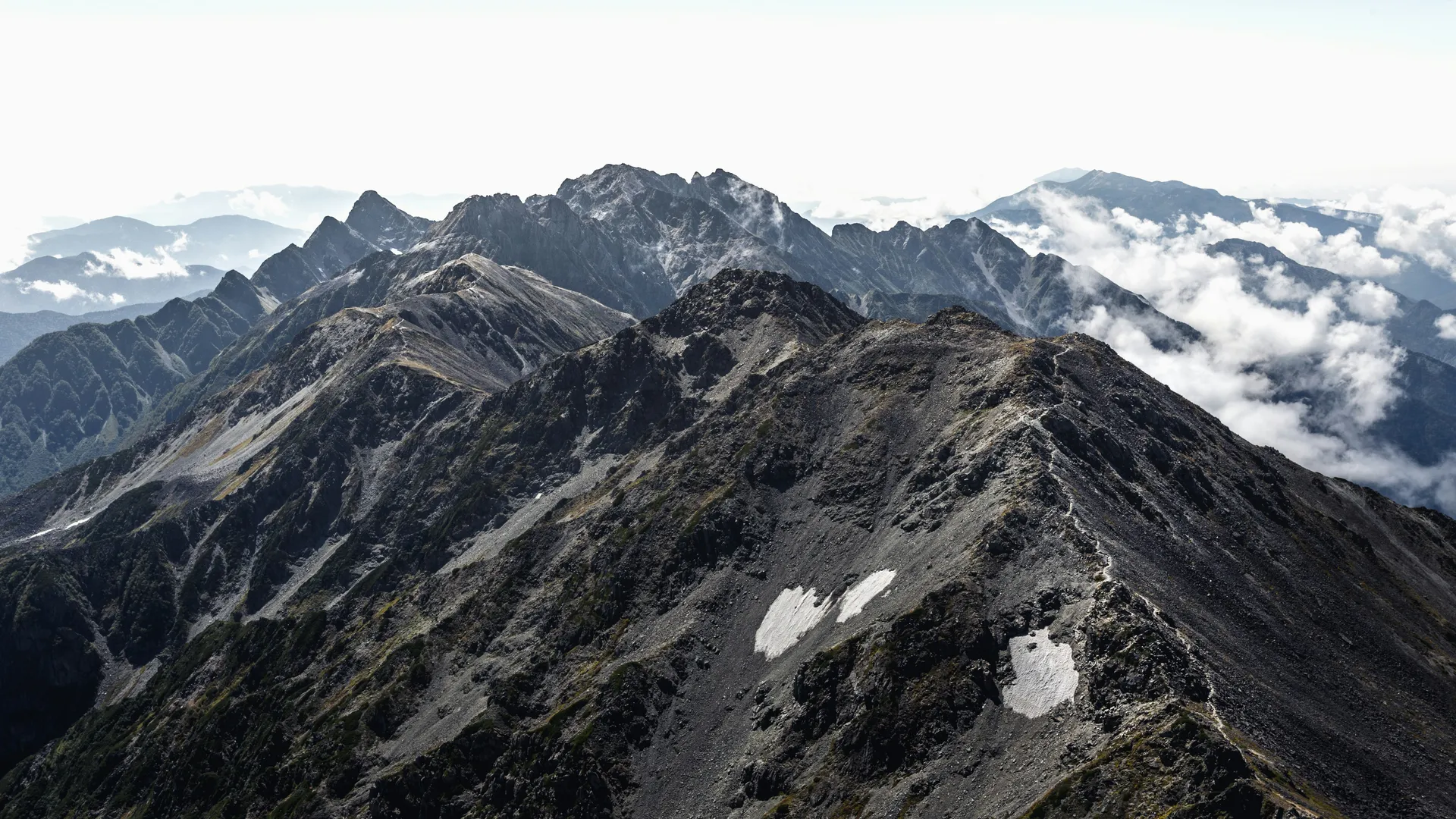
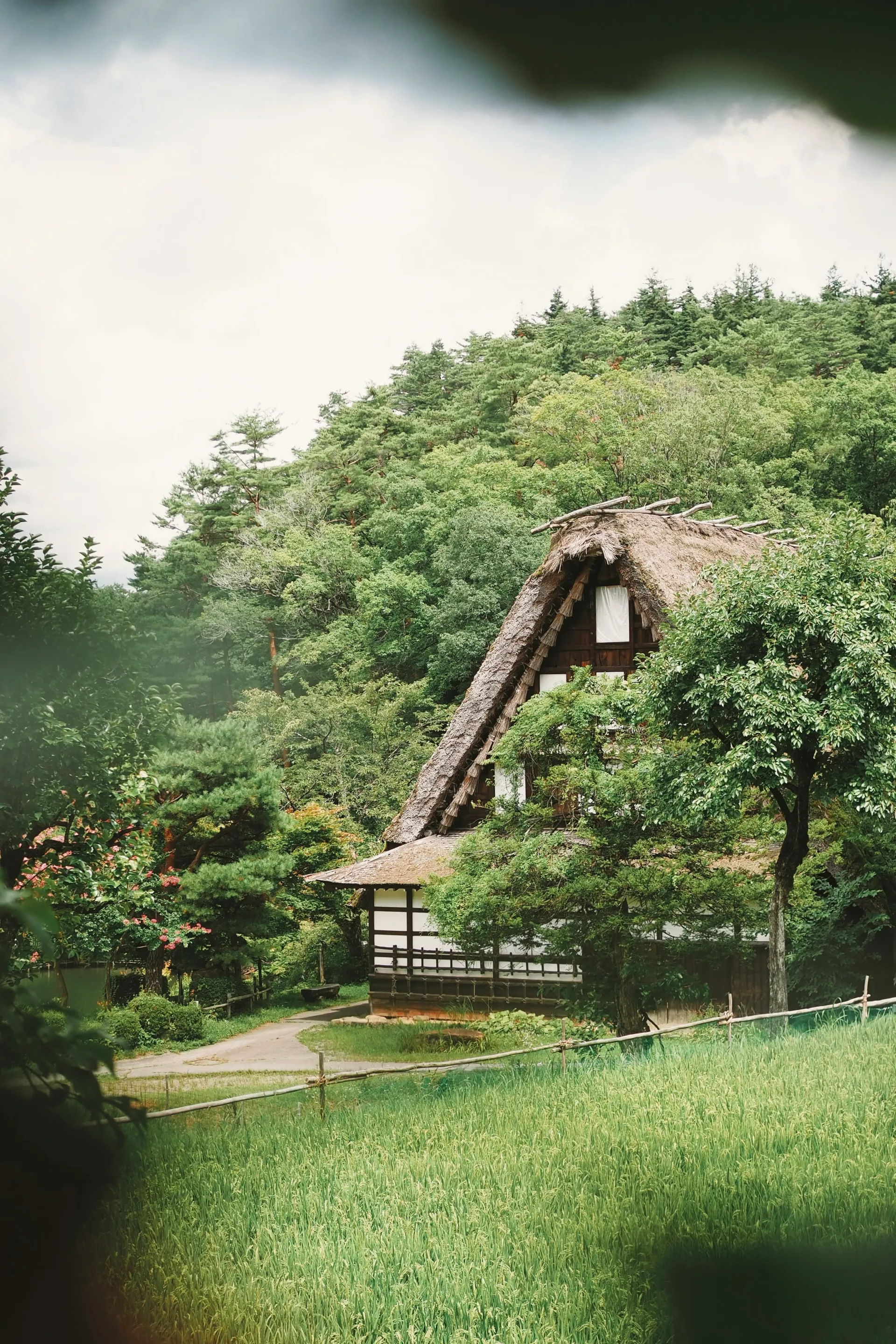
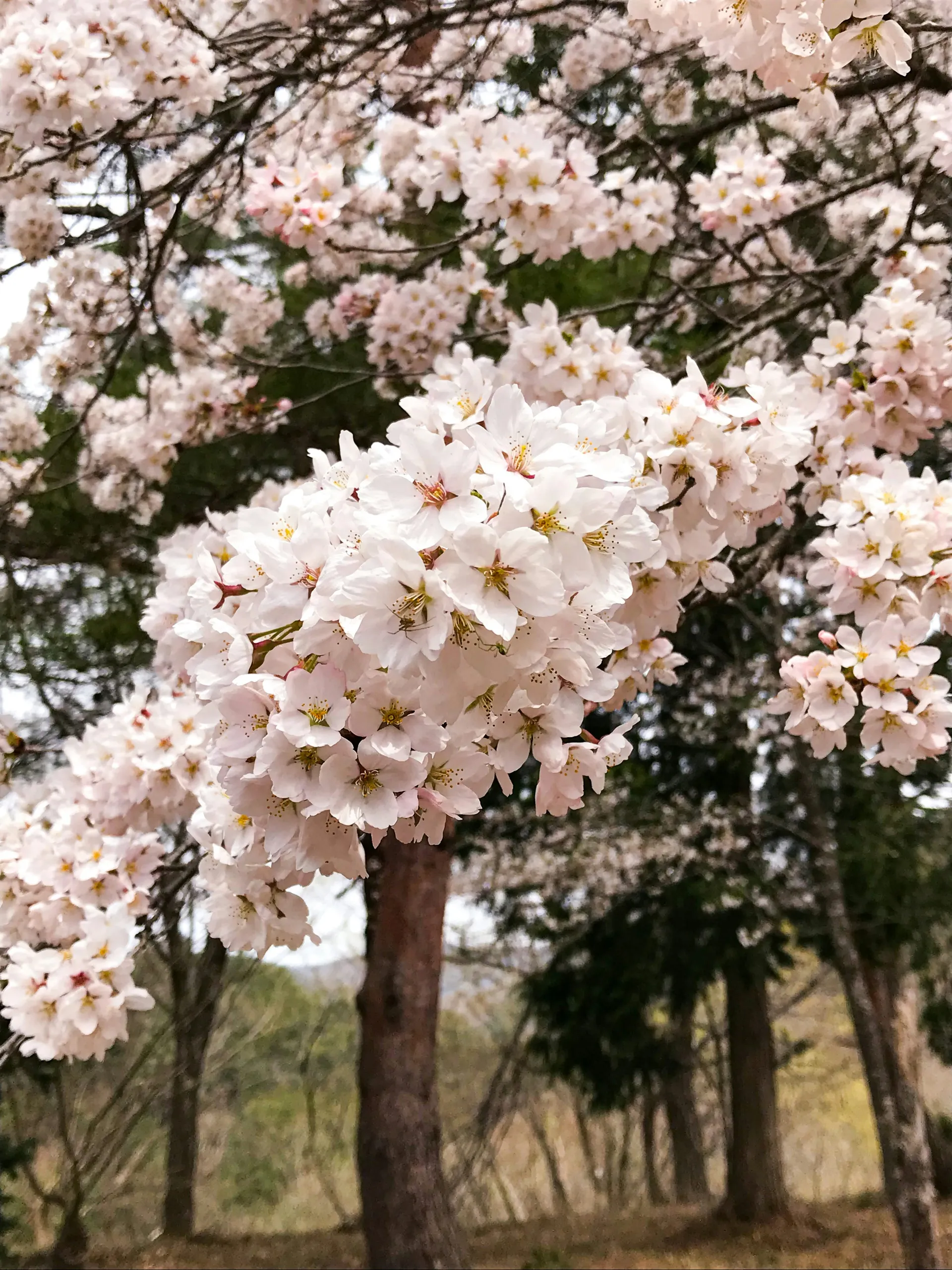
Takayama is typically accessed as a shore excursion from Kanazawa or Nagoya-area ports, with the journey through the Japanese Alps providing spectacular scenery in its own right. The town is compact and wonderfully walkable, with most attractions concentrated within a fifteen-minute radius. Spring (April-May) brings cherry blossoms and the Spring Festival, while autumn (October-November) drapes the surrounding mountains in fiery maple and ginkgo. Winter transforms the town into a snow-dusted wonderland, with the nearby UNESCO World Heritage villages of Shirakawa-go offering thatched-roof farmhouses blanketed in white.