Japan reveals itself in layers of refinement that accumulate like lacquer on a precious object—each stratum adding depth, each surface concealing further beauty beneath. Toyama participates in this national aesthetic with its own distinctive voice, offering visitors a portal into a culture where the boundary between art and daily life has been deliberately dissolved over millennia, and where even the most mundane activities are elevated by an attention to detail that borders on devotion.
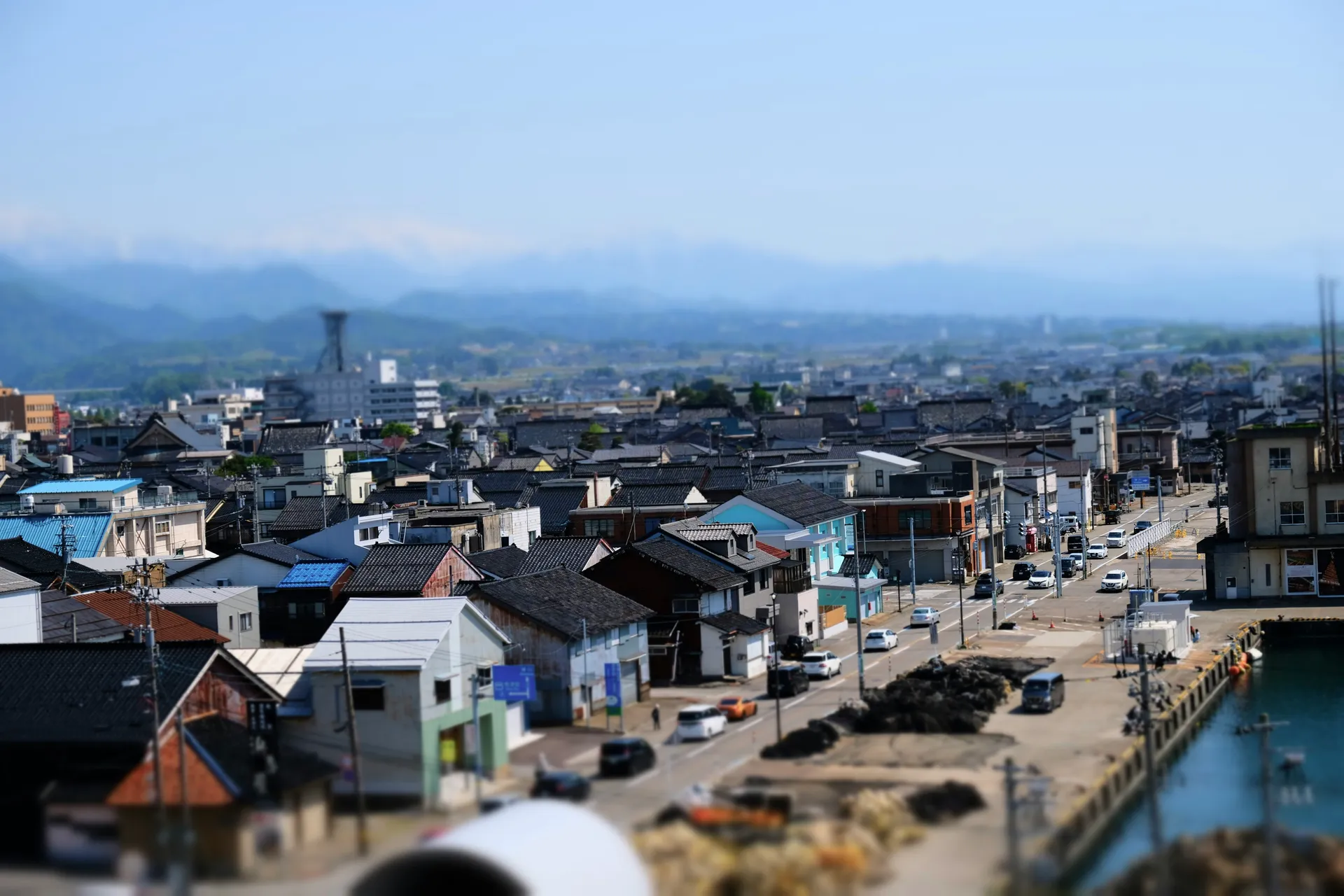
Toyama is a coastal city on Japan’s main island, Honshu. In the center, Toyama Castle Park has a restored castle dating to the 1500s, plus small museums of history and art. The nearby Toyama Glass Art Museum displays striking contemporary works. Rakusui-tei is an art museum in a traditional home with a formal garden.
The maritime approach to Toyama deserves particular mention, as it provides a perspective unavailable to those who arrive by land. The gradual revelation of the coastline—first a suggestion on the horizon, then an increasingly detailed panorama of natural and human-made features—creates a sense of anticipation that air travel, for all its efficiency, cannot replicate. This is how travelers have arrived for centuries, and the emotional resonance of seeing a new port materialize from the sea remains one of cruising's most distinctive pleasures. The harbor itself tells a story: the configuration of the waterfront, the vessels at anchor, the activity on the quays—all provide an immediate reading of the community's relationship with the sea that informs everything that follows ashore.
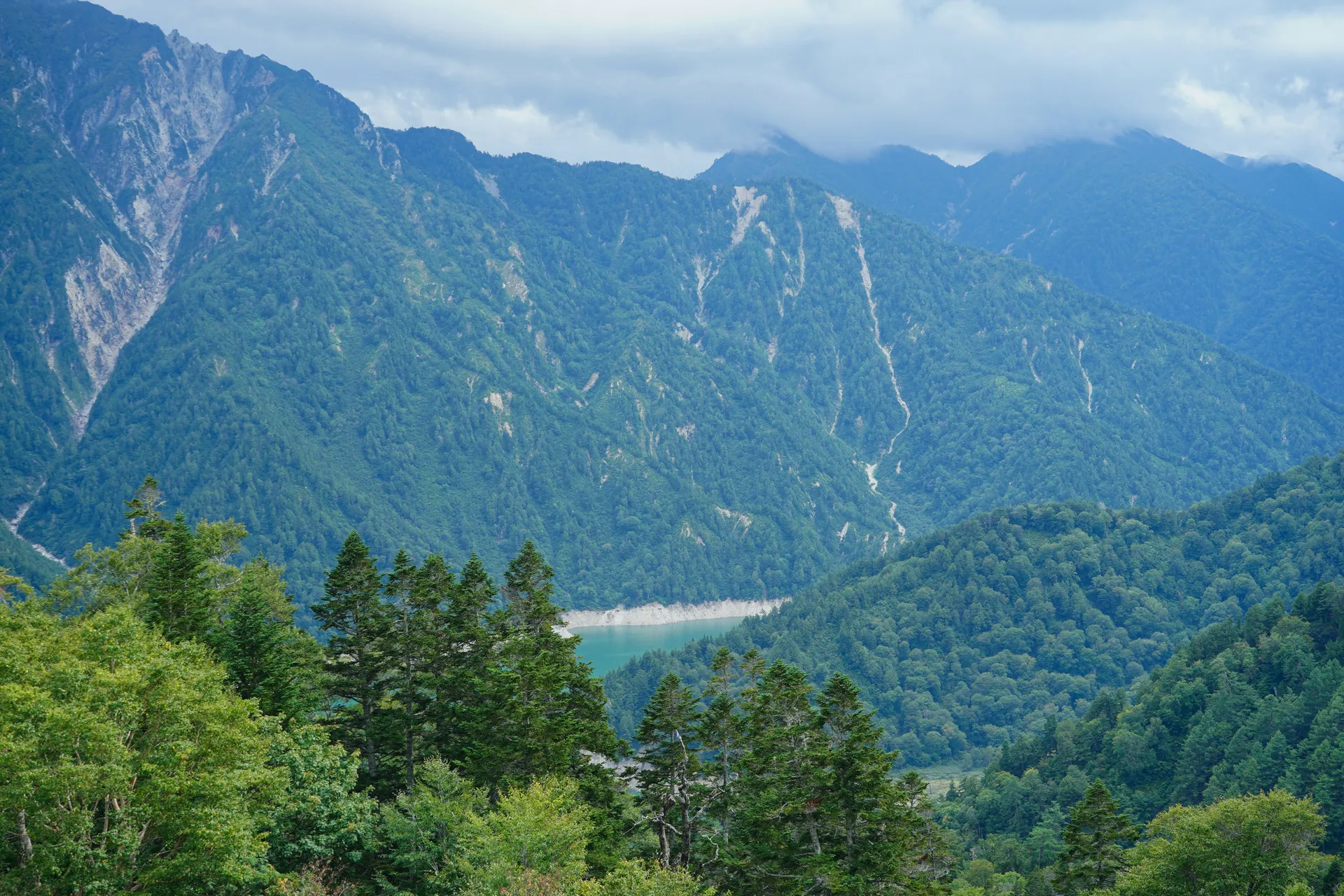
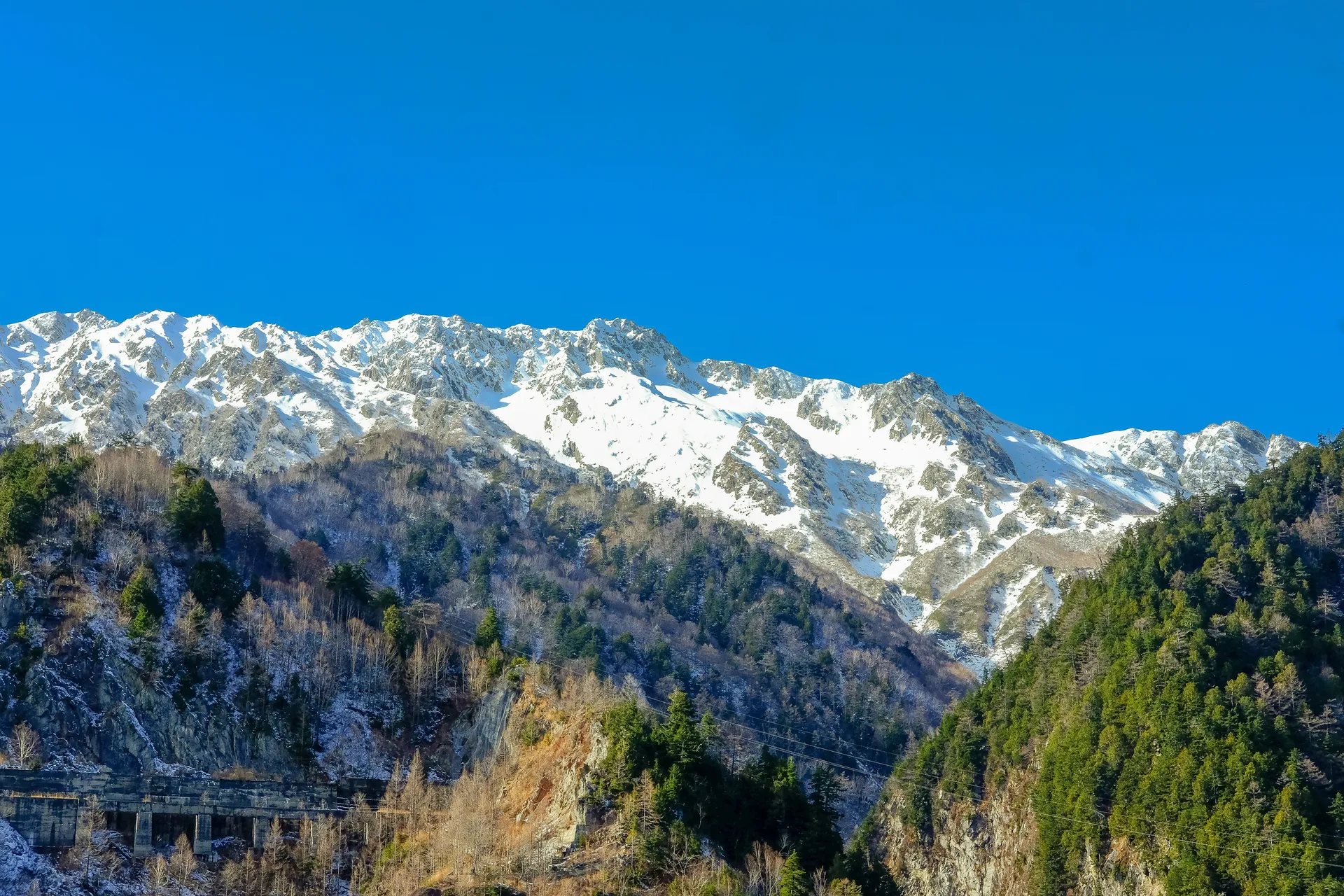
The first impression of Toyama is one of considered harmony—the built environment and natural landscape existing in a dialogue refined over centuries. Streets are immaculate, gardens are sculptural meditations on the relationship between humanity and nature, and even the smallest commercial establishments display an aesthetic consciousness that elsewhere would be reserved for galleries. The seasonal calendar exerts a powerful influence here: cherry blossoms in spring, verdant intensity in summer, fiery maples in autumn, and a crystalline clarity in winter each transform the same streets into something entirely new.
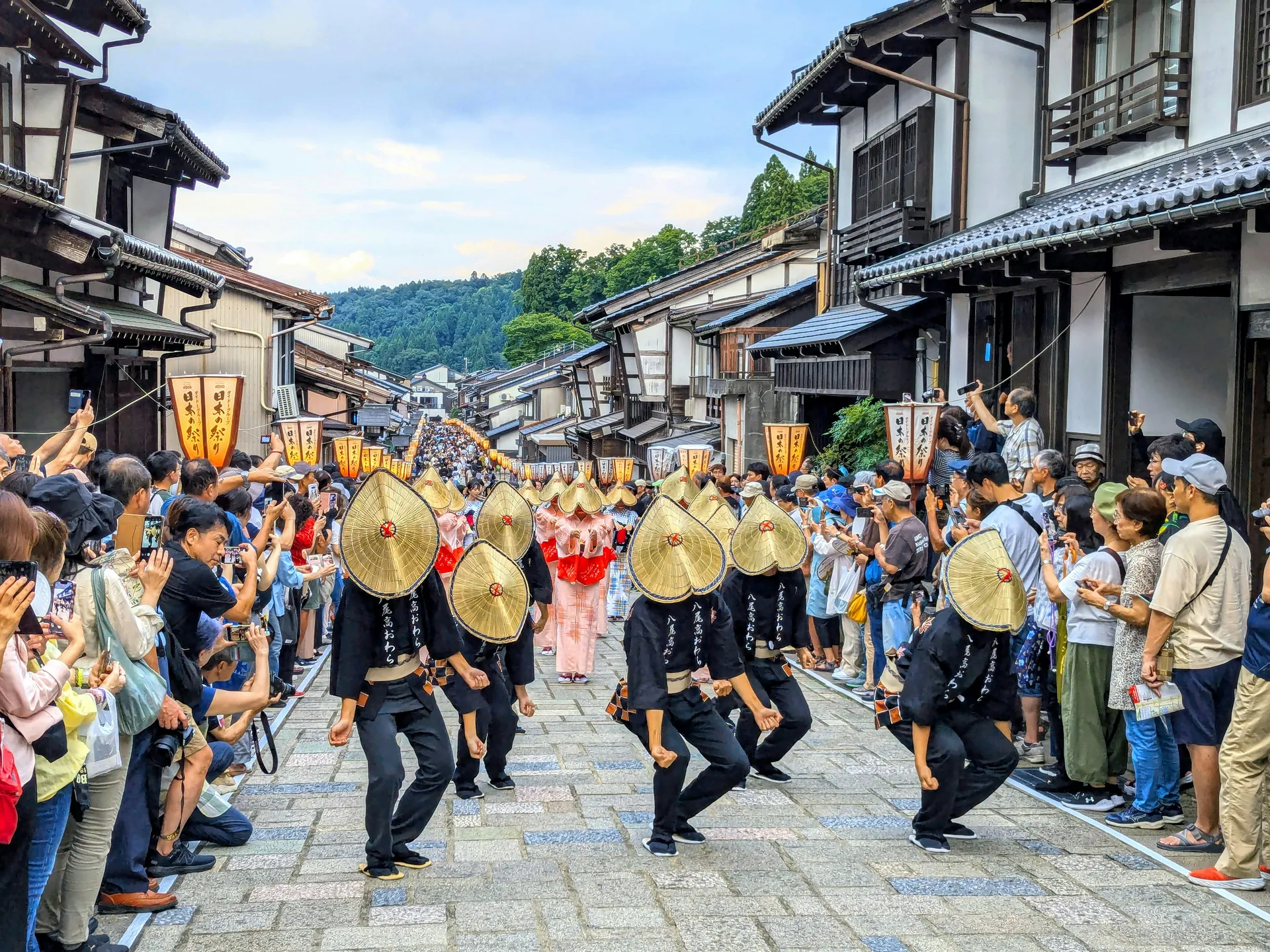
The quality of human interaction at Toyama adds an intangible but essential layer to the visitor experience. Local residents bring to their encounters with travelers a blend of pride and genuine interest that transforms routine exchanges into moments of real connection. Whether you are receiving directions from a shopkeeper whose family has occupied the same premises for generations, sharing a table with locals at a waterfront establishment, or watching artisans practice crafts that represent centuries of accumulated skill, these interactions constitute the invisible infrastructure of meaningful travel—the element that separates a visit from an experience, and an experience from a memory that accompanies you home.
Japanese cuisine transcends the notion of mere sustenance and enters the realm of philosophy, and Toyama provides an education in this elevated approach to the table. Whether you are exploring a bustling morning market where fish glistens with oceanic freshness, sitting at a counter watching a master sushi chef perform acts of quiet precision, or discovering a family-run izakaya where regional specialties have been perfected across generations, every meal carries the potential for revelation. Wagashi confections in a tearoom, a bowl of ramen whose broth has simmered for hours, the ritual of a traditional tea ceremony—the culinary landscape here is vast, varied, and uniformly dedicated to excellence.
Nearby destinations including Fuji Hakone Izu National Park, Towada and Hirosaki, Aomori provide rewarding extensions for those whose itineraries allow further exploration. Beyond the port, the surrounding region offers experiences that deepen one's appreciation for Japan's remarkable diversity. Hot spring towns provide the quintessential Japanese relaxation experience—bathing in mineral-rich waters while contemplating forested mountainsides. Sake breweries welcome visitors for tastings that illuminate the craft behind Japan's national drink. Ceramic workshops, bamboo groves, and Shinto shrines in forest settings provide encounters with traditions that have endured for centuries while remaining vibrantly alive.
Princess Cruises features this destination on its carefully curated itineraries, bringing discerning travelers to experience its singular character. The ideal period for visiting is October through April, when cooler temperatures and lower humidity create ideal conditions. Travelers should bring a willingness to remove their shoes frequently, an openness to culinary experiences that may challenge Western assumptions, and the understanding that in Japan, the deepest pleasures often lie in details so subtle they require a certain quieting of the mind to perceive.