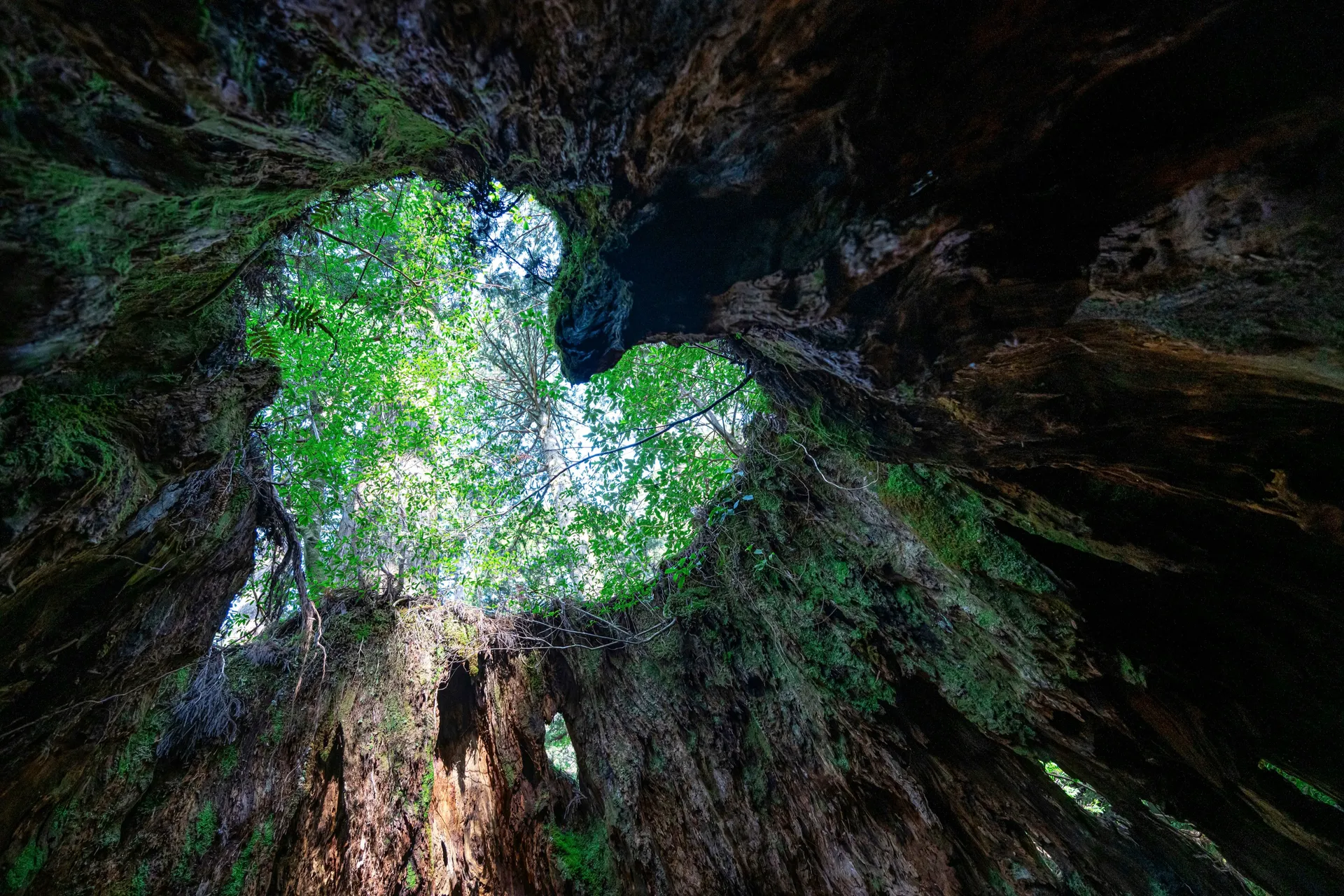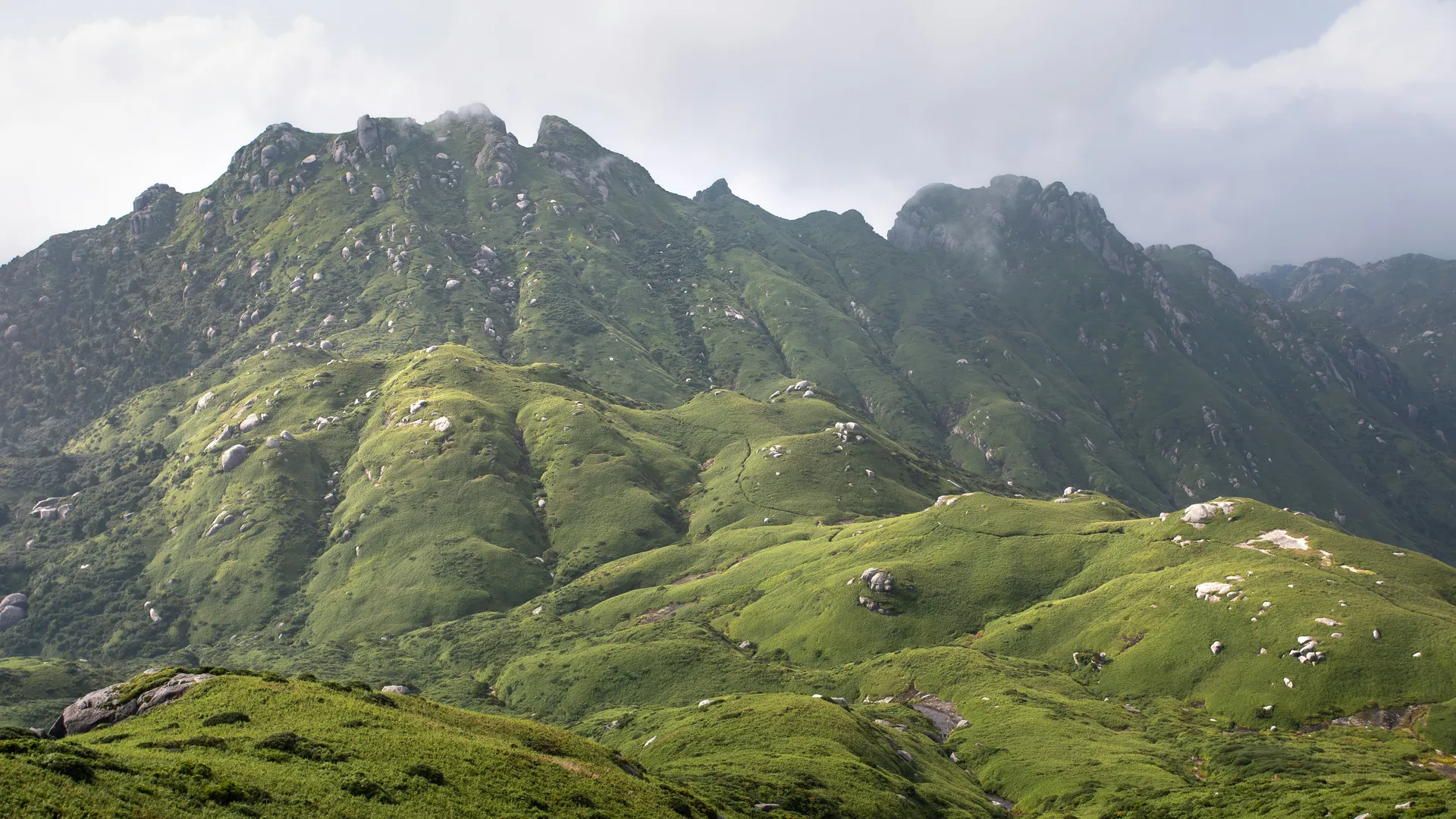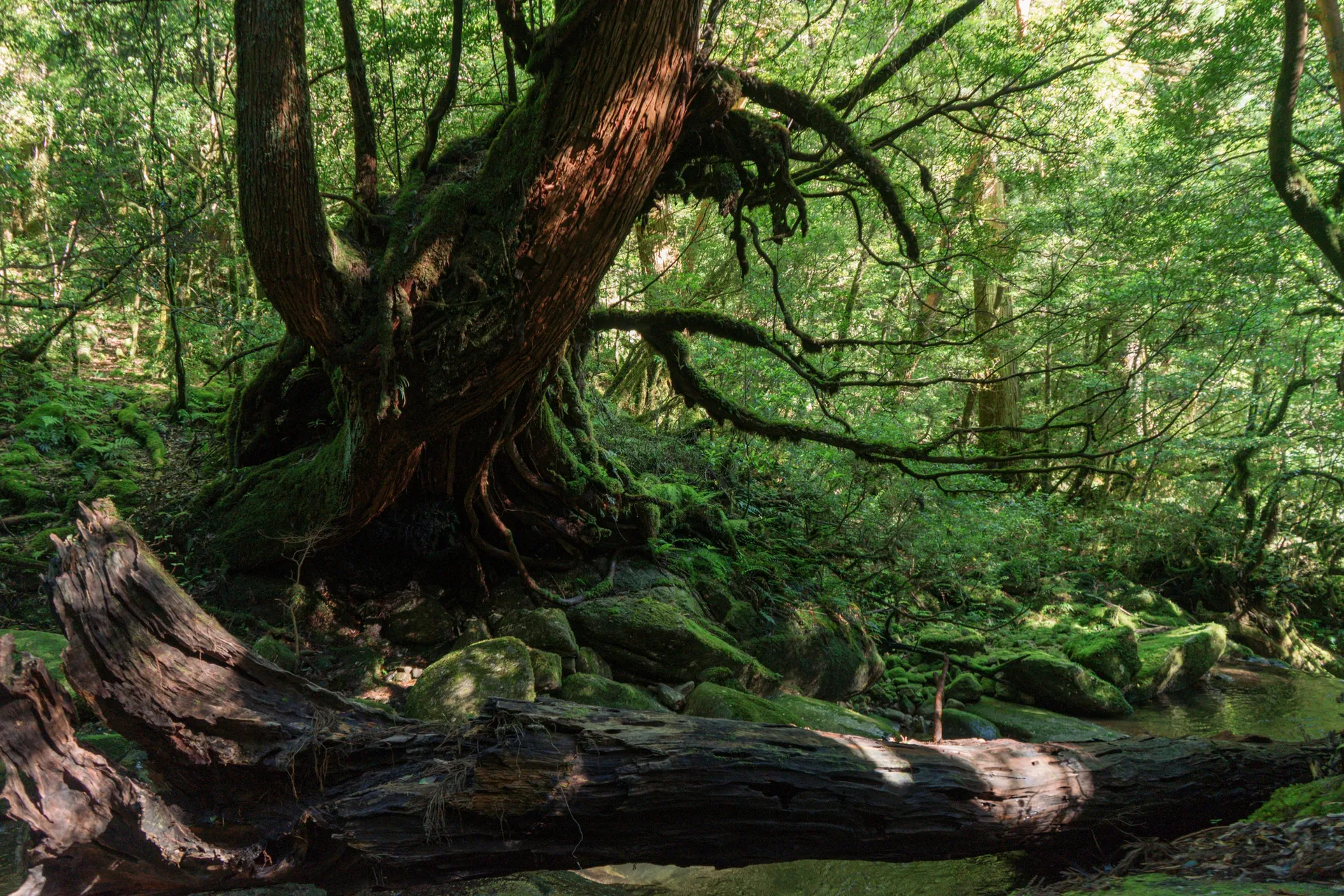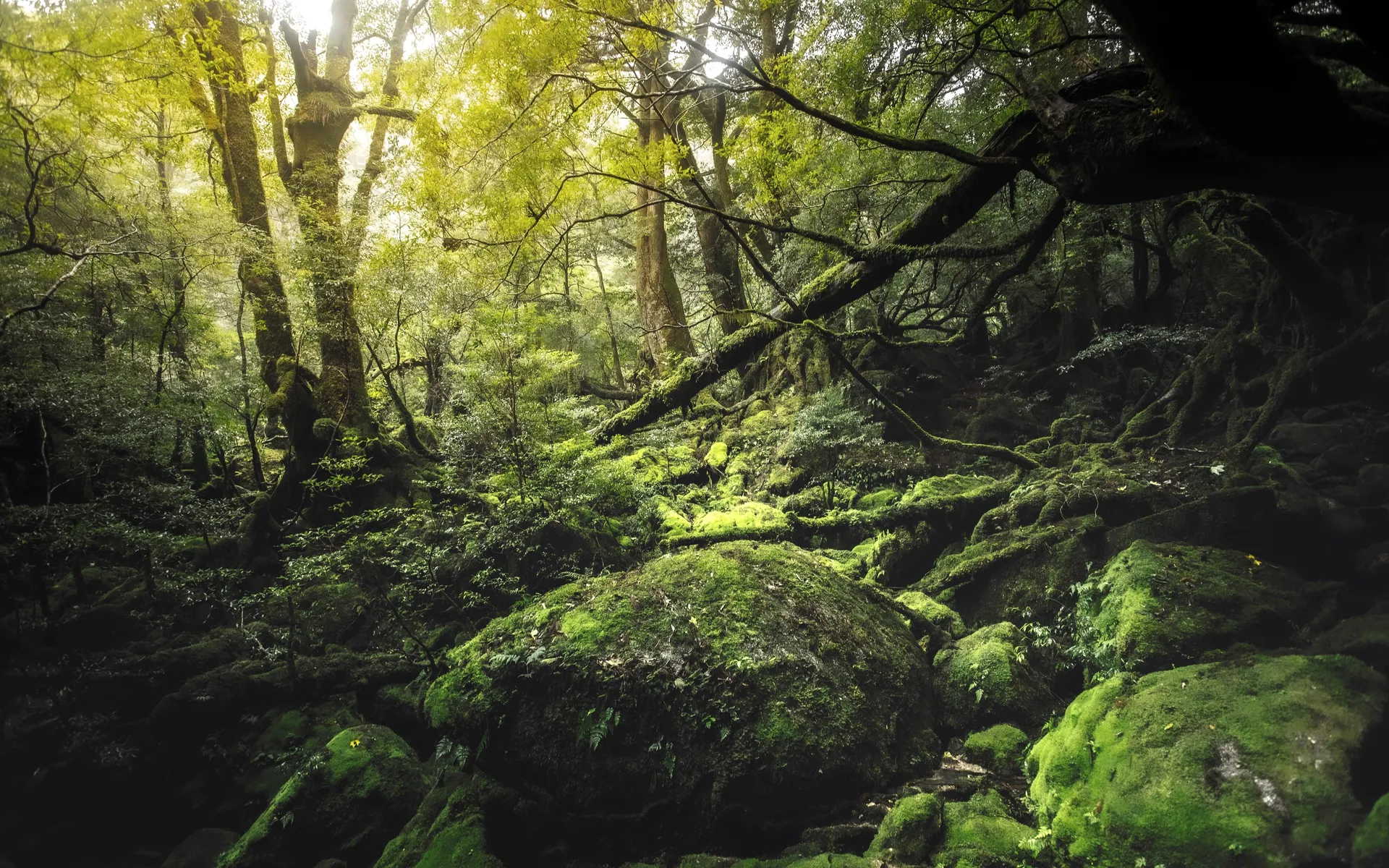
Yakushima floats in the warm Kuroshio Current south of Kyushu like a fragment of prehistoric Earth that somehow escaped the march of modernity. This roughly circular island—just thirty kilometers across—rises from subtropical beaches to a craggy, mist-shrouded interior where ancient cedar trees, some over three thousand years old, stand in primeval forests so dense and dripping with moss that they inspired the fantastical landscapes of Hayao Miyazaki's animated masterpiece Princess Mononoke. In 1993, Yakushima became Japan's first UNESCO World Heritage Site, recognized for forests that have survived virtually unchanged since the last ice age.
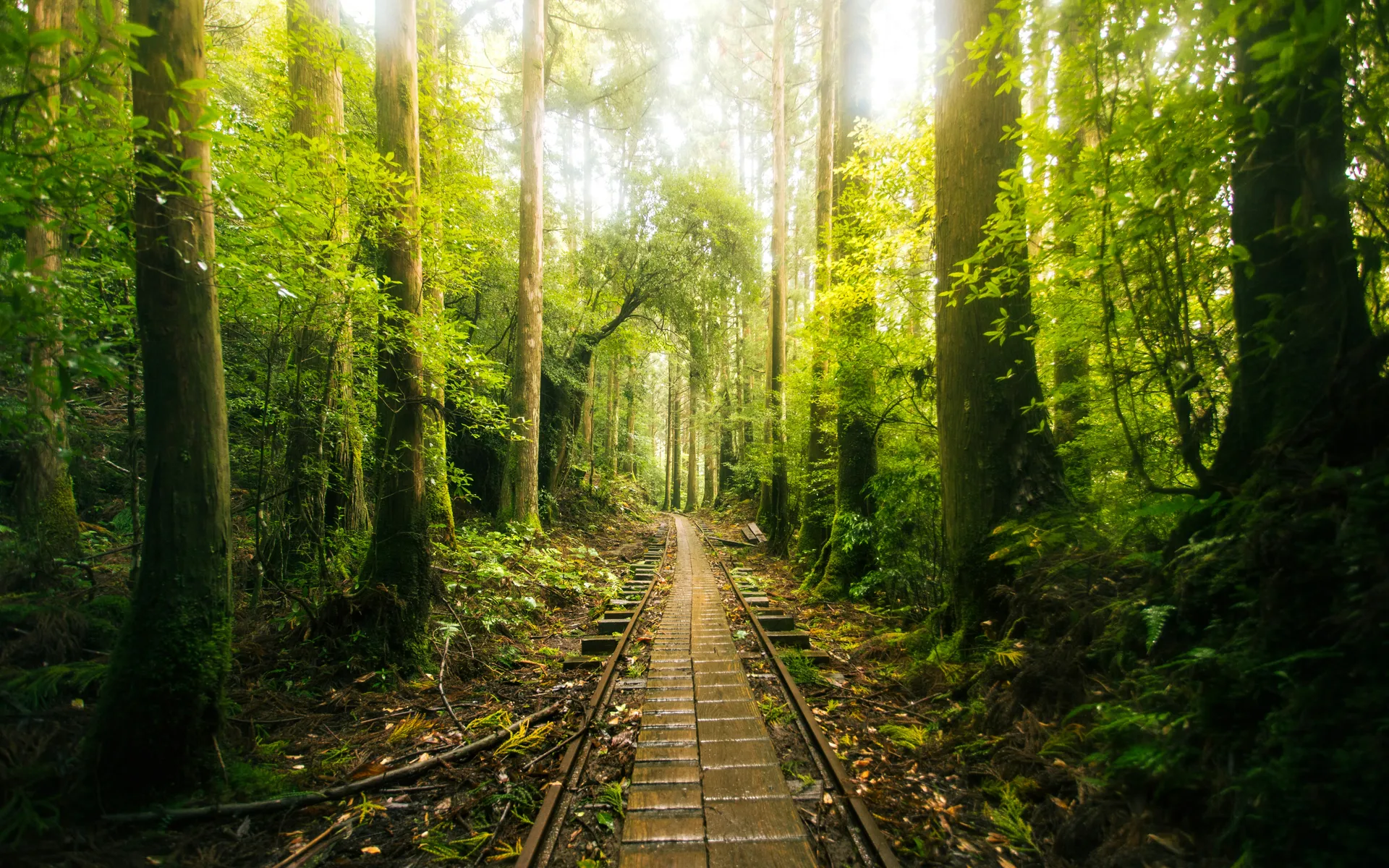
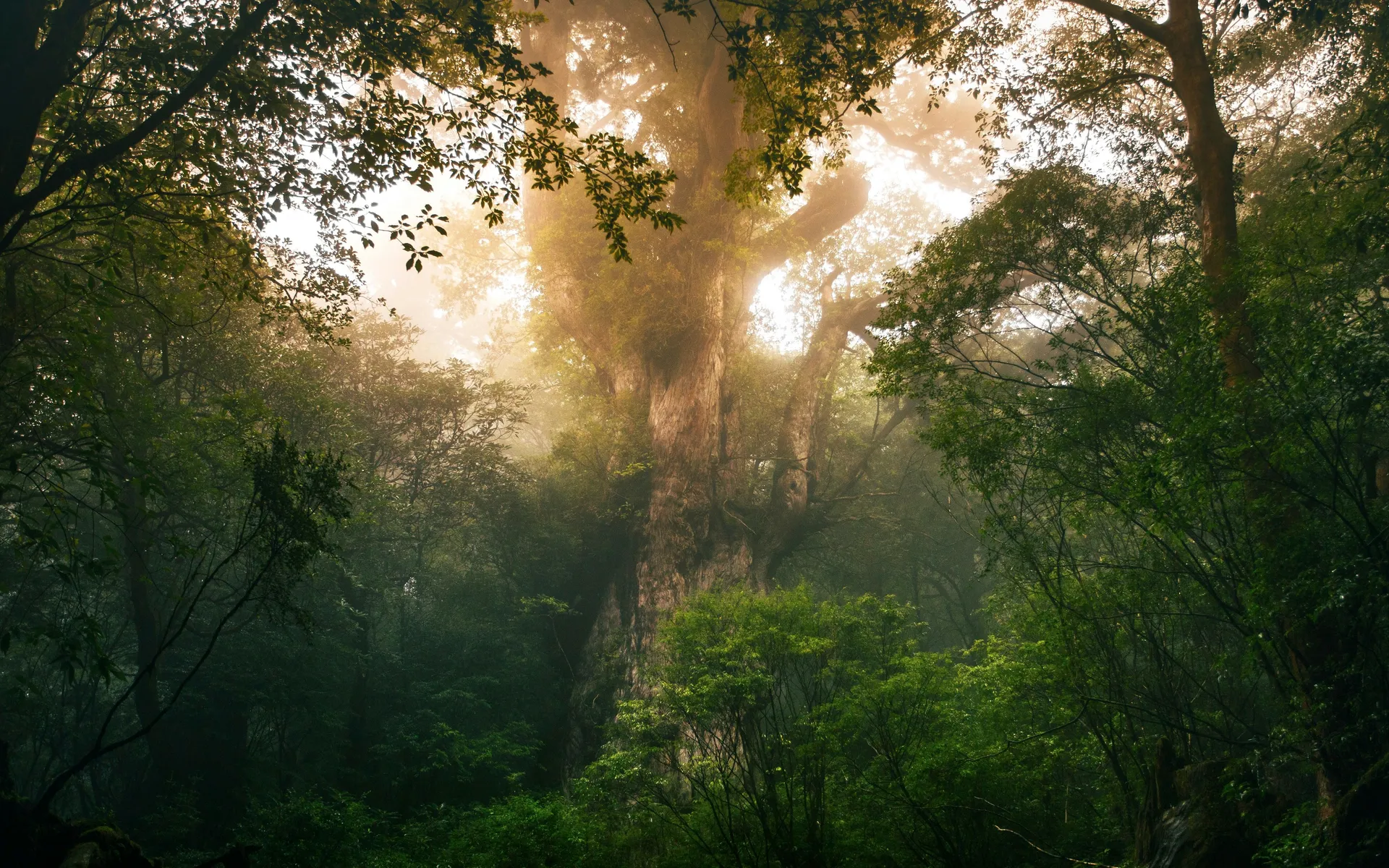
The island's most celebrated resident is Jōmon Sugi, a cryptomeria cedar estimated to be between two thousand and seven thousand years old—the uncertainty itself a testament to the tree's incomprehensible antiquity. Reaching Jōmon Sugi requires a strenuous ten-hour round-trip hike that begins along abandoned logging railway tracks before ascending into the heart of the ancient forest, where the trail becomes a boardwalk threading through a cathedral of massive trunks draped in emerald moss. The journey is arduous, but those who make it stand before a living organism that was already ancient when the Roman Empire rose and fell.
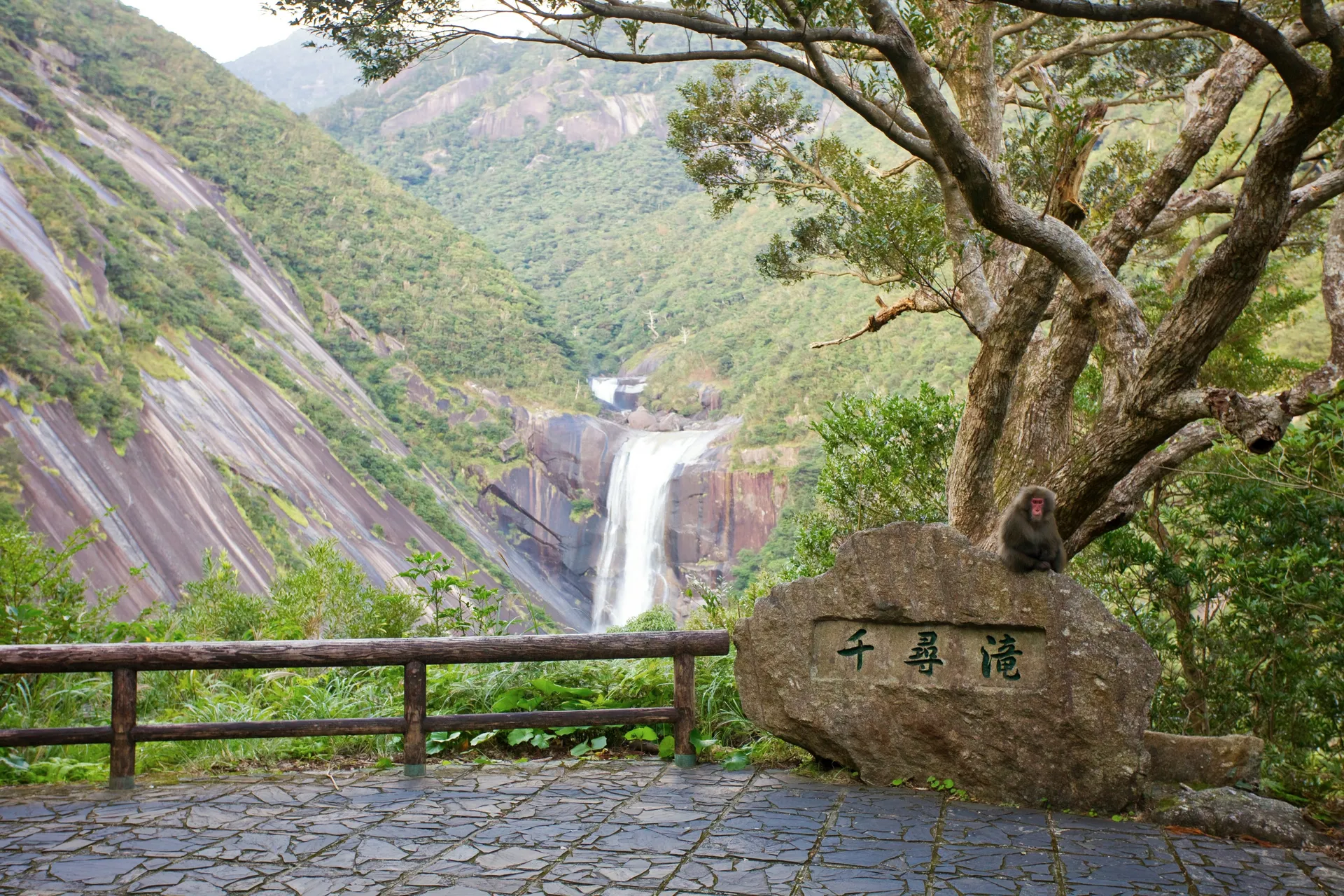
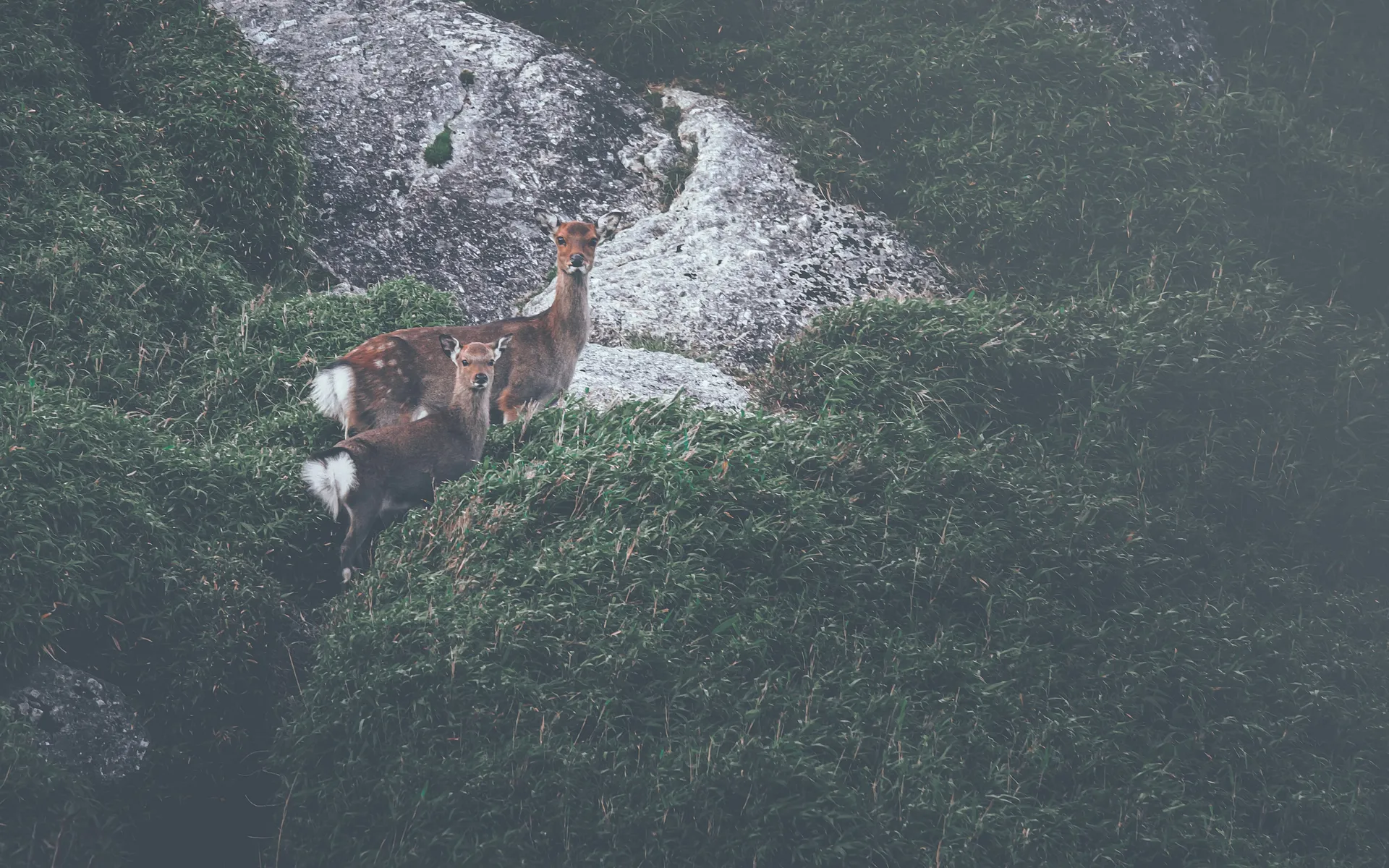
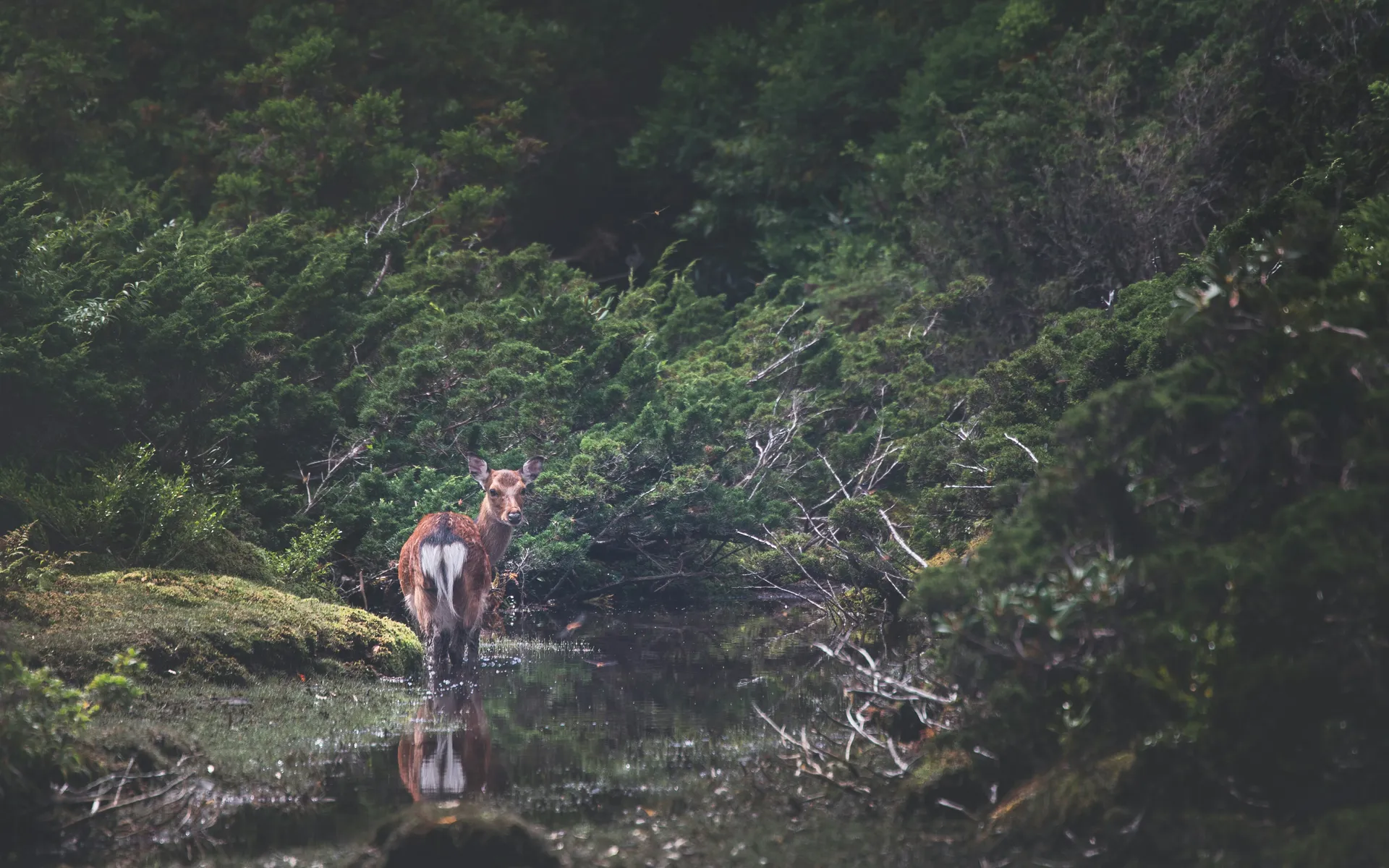
Yakushima's climate is legendarily wet—the locals joke that it rains thirty-five days a month. This extraordinary rainfall, driven by warm ocean currents meeting the island's steep mountains, creates a vertical ecosystem compressed into a remarkably small area. The coastline is subtropical, with hibiscus and banyan trees; the mid-elevations are temperate, with laurel and oak forests; and the peaks above 1,800 meters support subarctic vegetation more commonly found in Hokkaido. The Yakushima macaque and the Yakushima deer, both endemic subspecies slightly smaller than their mainland relatives, are frequently encountered along forest trails, the deer often foraging beneath monkey troops in a mutualistic relationship that biologists have studied for decades.
The island's human communities cluster along the coast, their rhythms governed by the sea and the forest. Fresh flying fish, caught in the surrounding waters and often grilled whole over charcoal, is the island's signature dish—its delicate, sweet flesh a revelation for visitors accustomed to fish as a supporting ingredient rather than a star. Shochu, a distilled spirit made from local sweet potatoes, accompanies evening meals at the island's small izakayas and guesthouses, where hospitality is warm and the pace of life deliberately slow.
Expedition cruise ships anchor offshore, with tenders ferrying passengers to the small port of Miyanoura or Anbō. The island's road system circles the coast, and local buses and taxis provide access to trailheads and coastal attractions. For those unable to attempt the full Jōmon Sugi hike, the Yakusugi Land nature park offers accessible boardwalk trails through stands of thousand-year-old cedars that provide a taste of the interior forest's magic. March through May and October through November offer the best combination of manageable rainfall and comfortable temperatures, though the forests are enchanting in any season—and there is something uniquely atmospheric about walking through mist-draped ancient trees in gentle rain.