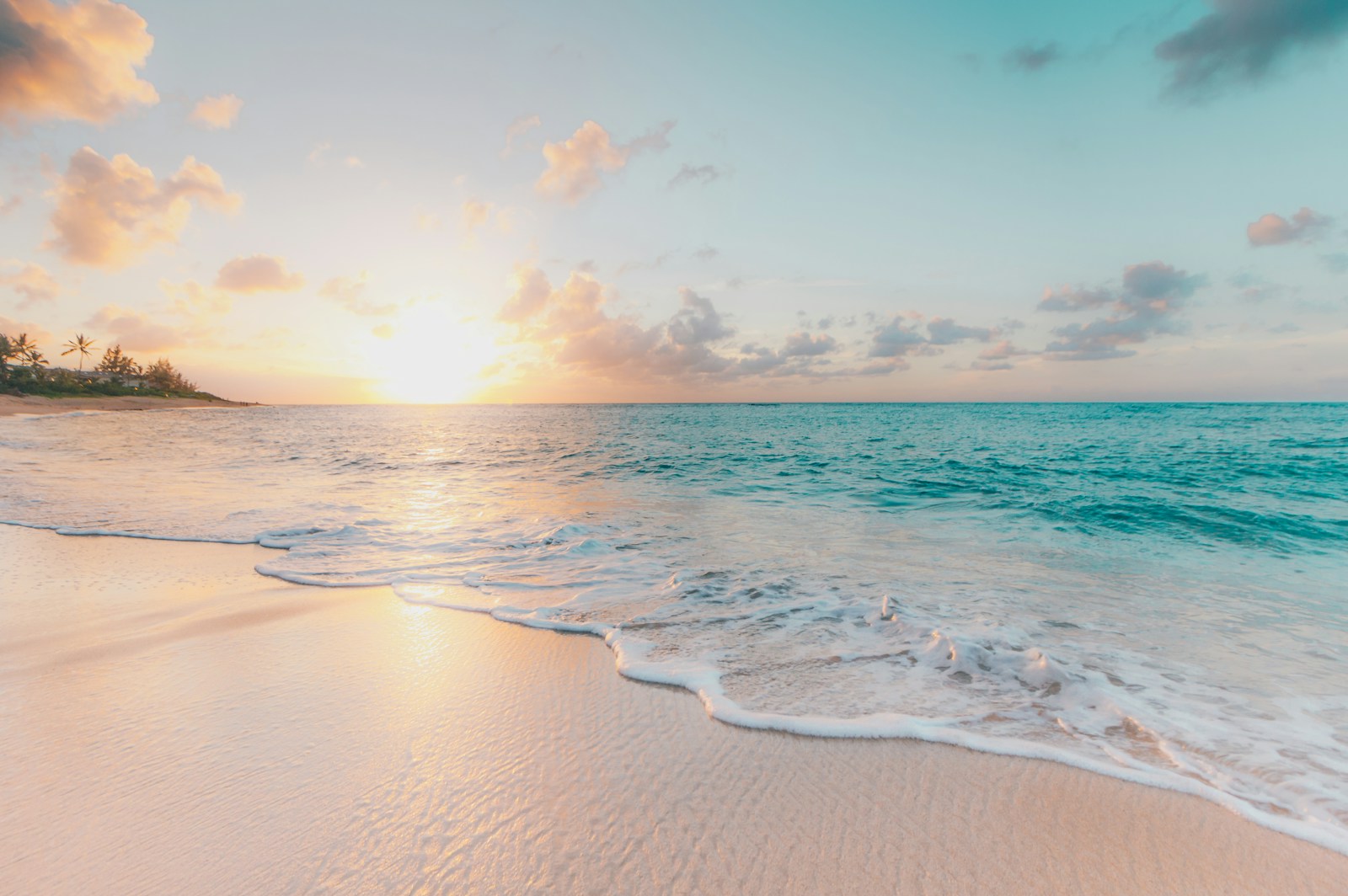
At the extreme western edge of Japan, closer to Taiwan than to Okinawa's main island, Yonaguni rises from the Philippine Sea as the last piece of Japanese territory before the East China Sea stretches unbroken to the Asian continent. This small, wind-battered island of just 29 square kilometers has occupied a frontier position throughout its history—part of the independent Ryukyu Kingdom until the seventeenth century, then absorbed into the Japanese empire, and today serving as a Self-Defense Forces outpost facing the geopolitical complexities of the Taiwan Strait. But Yonaguni's global fame rests on something far older and stranger than modern politics: the underwater ruins that lie off its southern coast.
The Yonaguni Monument, discovered by dive instructor Kihachirō Aratake in 1986, is a massive underwater structure of terraced stone platforms, right-angled steps, and apparent carved channels that extends for over 100 meters along the seabed at depths of five to twenty-five meters. Whether this formation represents the remains of an ancient civilization—potentially dating to the last ice age when sea levels were dramatically lower—or an extraordinary natural geological formation carved by wave action along the bedding planes of sedimentary rock remains one of the most fascinating debates in marine archaeology. Diving the Monument is an experience that transcends the academic controversy: the scale, the geometry, and the deep blue water create a sense of encountering something genuinely mysterious.
Above water, Yonaguni possesses a rugged beauty shaped by relentless exposure to the elements. The island's coastline alternates between dramatic cliffs where the ocean has carved natural arches and caves, and beaches of coarse coral sand where the swimming is excellent when the currents cooperate. The Yonaguni horse, a small, sturdy breed that has roamed the island for centuries, grazes freely along the cliff tops and on the grasslands of the interior, lending the landscape an almost cinematic quality. The easternmost cape, Agarizaki, offers views across the Philippine Sea toward a sunrise that arrives in Japan before anywhere else in the country.
Yonaguni's culture retains distinctive elements of its pre-Japanese Ryukyuan heritage. The island produces its own variety of awamori spirit, distilled from Thai rice and aged in clay pots, with a robust flavor that distinguishes it from mainland Okinawan versions. The local cuisine features longan fruit, sugarcane, and the exceptionally fresh sashimi that arrives from morning fishing expeditions—yellowfin tuna, marlin, and the giant trevally that patrol the island's drop-offs. The traditional textile art of Yonaguni minsa, a hand-woven cotton belt featuring geometric patterns that encode messages of love and commitment, is designated as a Traditional Craft of Japan and makes for a meaningful souvenir.
Yonaguni is reached by a thirty-minute flight from Naha or a ninety-minute flight from Ishigaki. A small ferry operates several times weekly from Ishigaki, though the crossing can be rough. The diving season runs year-round, with the best visibility from November through June and the warmest water temperatures from June through October. Hammerhead shark season from November through February draws experienced divers to the island's offshore waters, where massive schools congregate in the cold currents. The island has a handful of small hotels and dive operations, and a rental car or scooter is the most practical way to explore its compact terrain.

