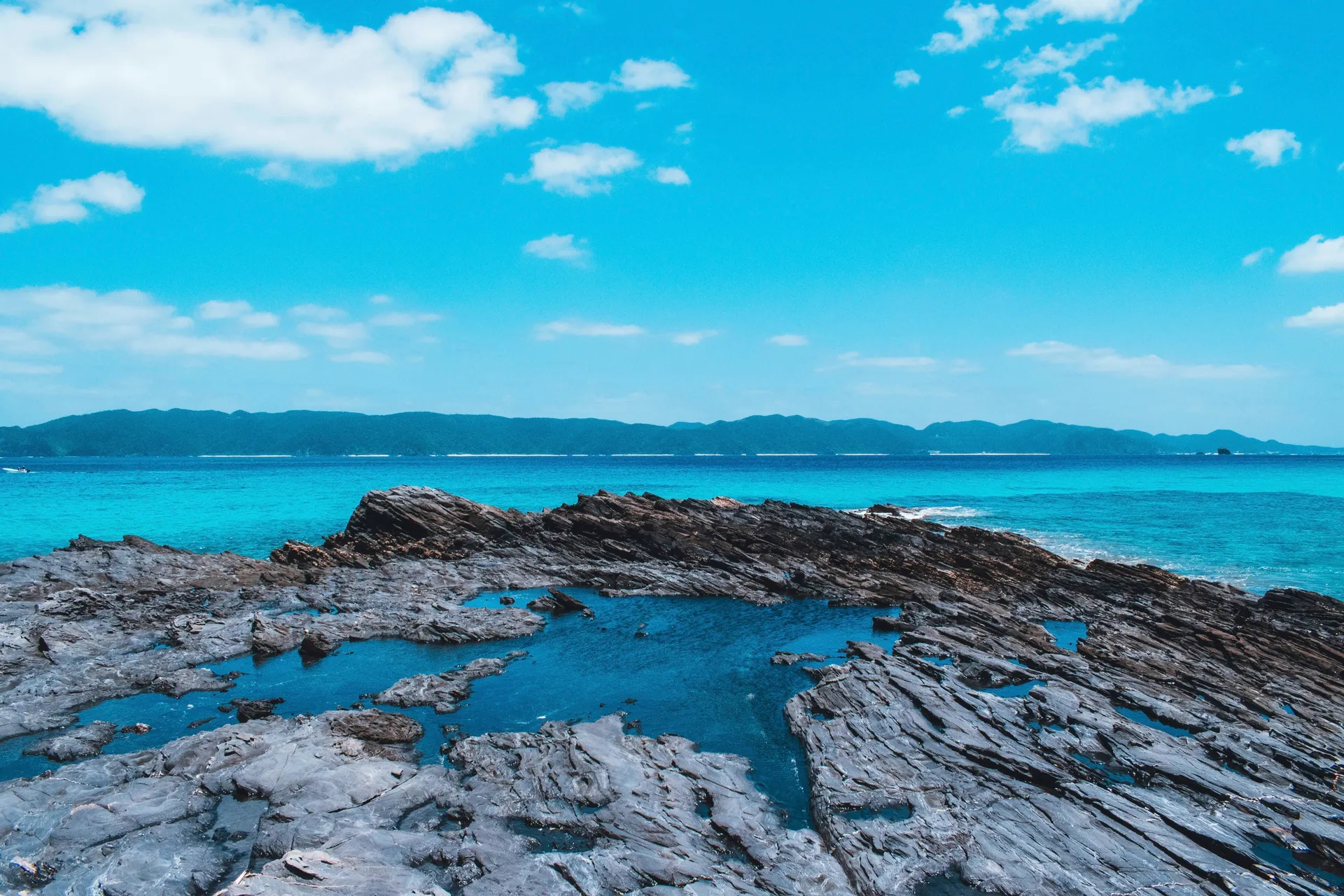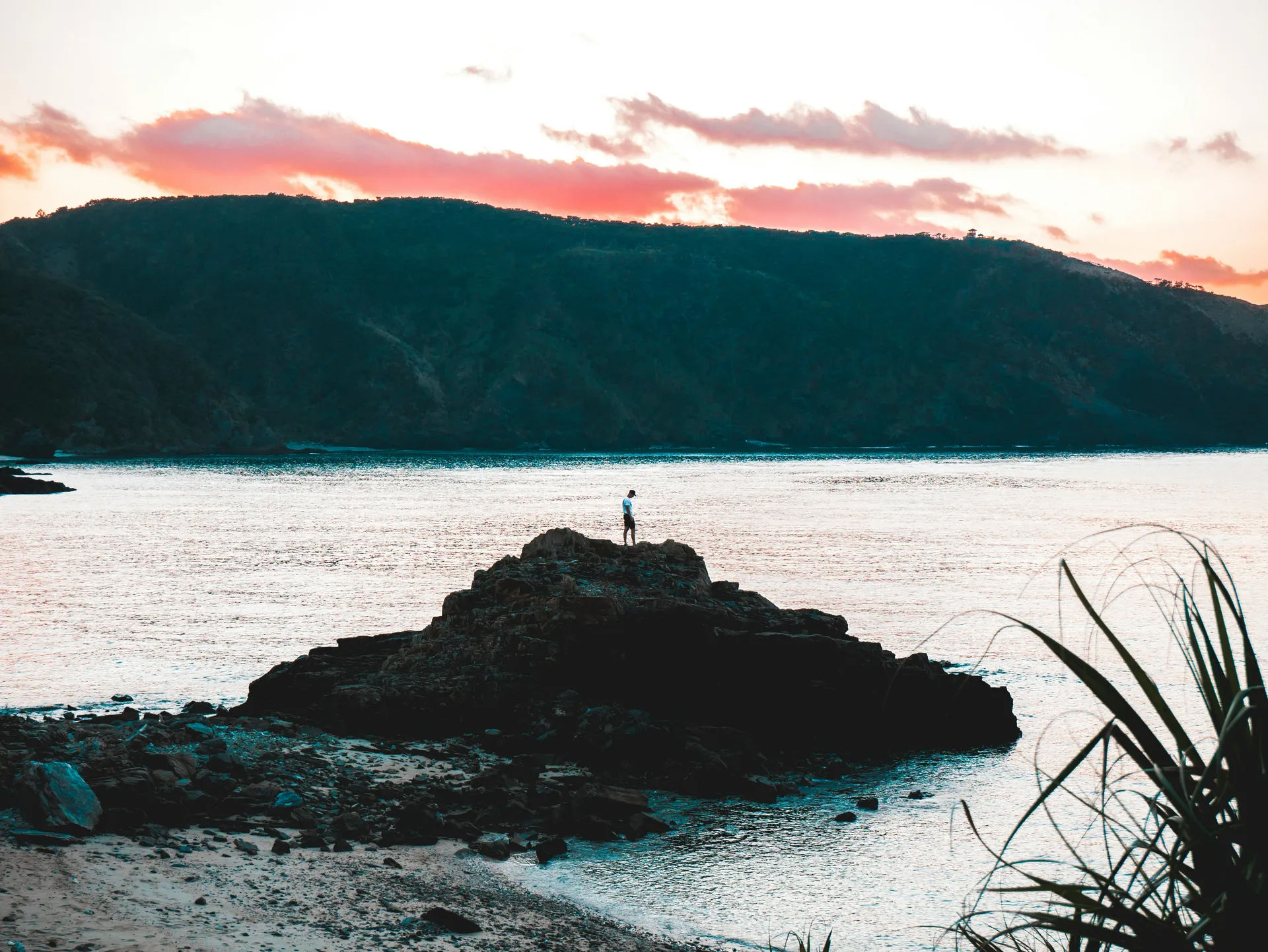
In the sapphire waters of the East China Sea, roughly 40 kilometers west of Okinawa's main island, the Kerama Islands emerge from the Pacific like a scattered necklace of green-cloaked coral jewels — and Zamami, at the group's western edge, is the most accessible gateway to what has been called the clearest water in the world. Designated as a National Park in 2014, the Kerama Islands possess water transparency that regularly exceeds 50 meters, a figure so extraordinary that the shade of blue it produces has earned its own name: "Kerama Blue." Zamami Island, home to just 600 residents spread across three small villages, offers an encounter with pristine marine environments and traditional island culture that feels worlds away from modern Japan.
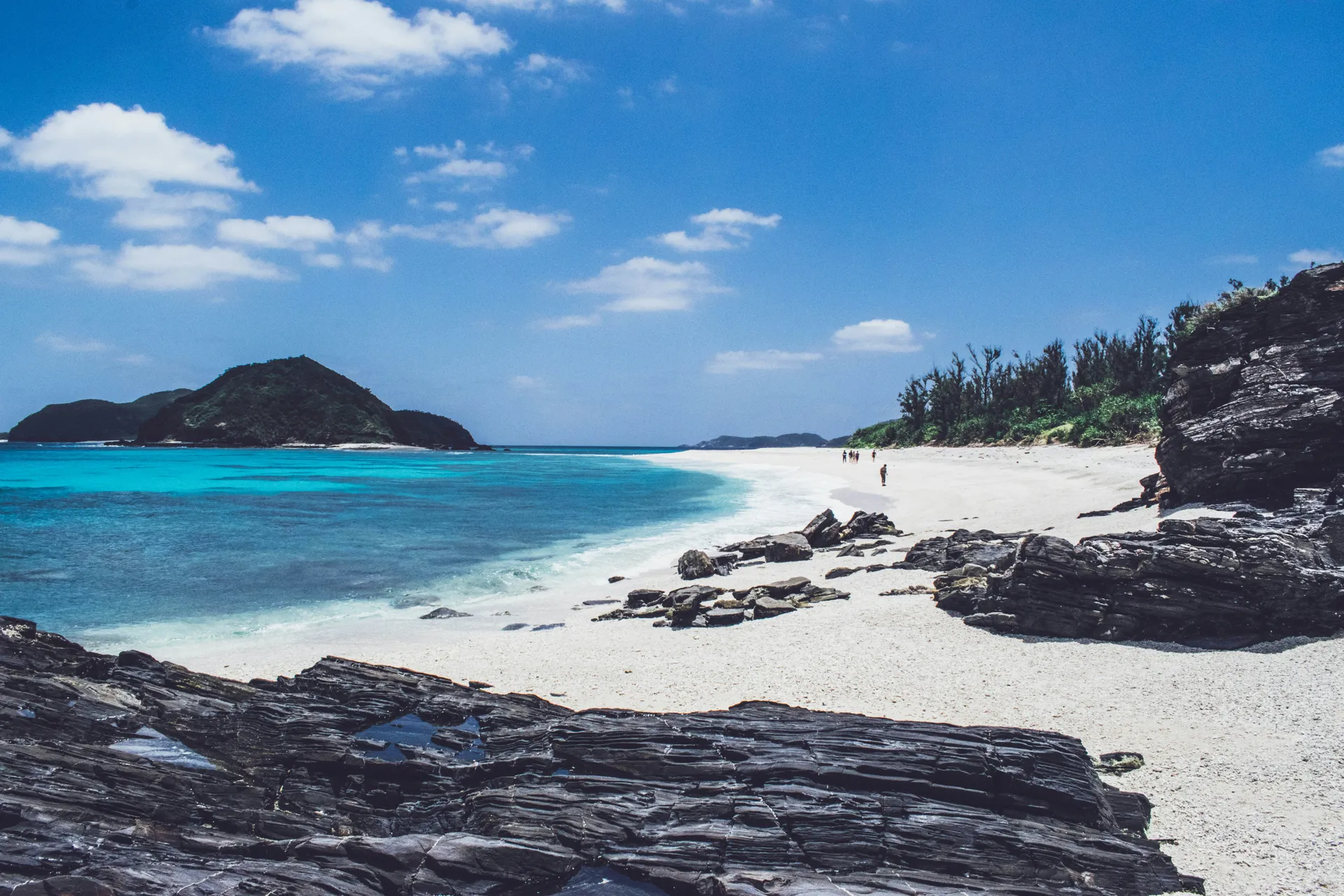
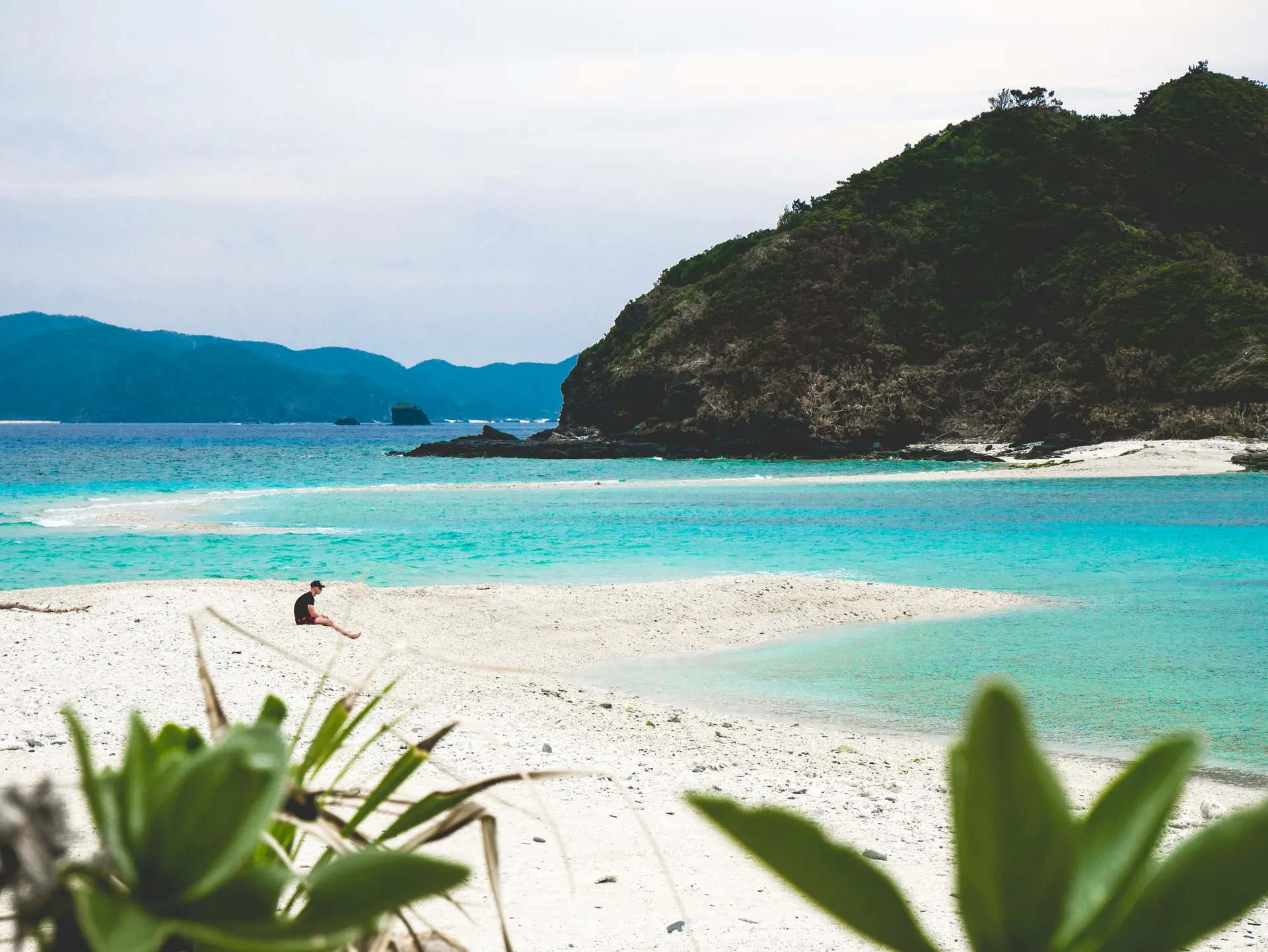
The beaches of Zamami are the stuff of tropical fantasy, yet they exist within the framework of Japanese infrastructure and hospitality. Furuzamami Beach, a sheltered cove on the island's southern coast, features white coral sand descending into water of almost absurd clarity — snorkelers report seeing individual grains of sand on the seabed from the surface, and the coral reefs that fringe the beach support a kaleidoscope of tropical fish, sea turtles, and the occasional reef shark. Ama Beach, on the northwestern shore, offers a wider expanse of sand and a more open aspect, with the surrounding islands visible across the channel in a panorama that captures the essence of the Kerama archipelago's beauty.
The marine life of Zamami's waters extends far beyond its coral reefs. From January through March, humpback whales migrate to the warm Kerama waters to breed and calve, and Zamami has become one of the premier whale-watching destinations in Japan. The Zamami Village Whale Watching Association, staffed by local fishermen who know these waters intimately, operates lookout stations on the island's hilltops and launches boats to intercept the whales with a respectful expertise born of decades of experience. The sight of a humpback whale breaching against the backdrop of the Kerama Islands — its massive body airborne for an impossible moment before crashing back into water of crystalline clarity — is an experience of raw, heart-stopping natural drama.
Island life on Zamami follows rhythms that have changed remarkably little despite the National Park designation and the increasing flow of visitors. The three villages — Zamami, Ama, and Asa — retain the compact, communal character of traditional Okinawan settlements, with modest coral-stone walls, red-tiled roofs, and the protective shisa lion-dog statues that are ubiquitous in Okinawan culture. Local cuisine features the Okinawan repertoire of goya champuru (bitter melon stir-fry), soki soba (pork rib noodle soup), and awamori (the potent Okinawan rice spirit), supplemented by the fresh fish that the surrounding waters provide in abundance. The island's scale — just 7 square kilometers — means that every beach, viewpoint, and restaurant is accessible by bicycle, the ideal mode of exploration for a place that rewards unhurried movement.
Zamami can be reached by high-speed ferry from Naha (approximately 50 minutes) or by cruise ship tender for vessels anchoring offshore. The island's compact size and limited accommodation mean that advance planning is advisable during peak periods, particularly during the whale-watching season and the Golden Week holiday in early May. The subtropical climate is warm year-round, with water temperatures suitable for snorkeling from April through November. The winter months, while cooler, bring the humpback whales and a quieter, more contemplative atmosphere. Zamami represents the ultimate expression of the Kerama Islands' magic: a place where the boundary between land and sea, between human life and the natural world, dissolves into water of impossible blue.