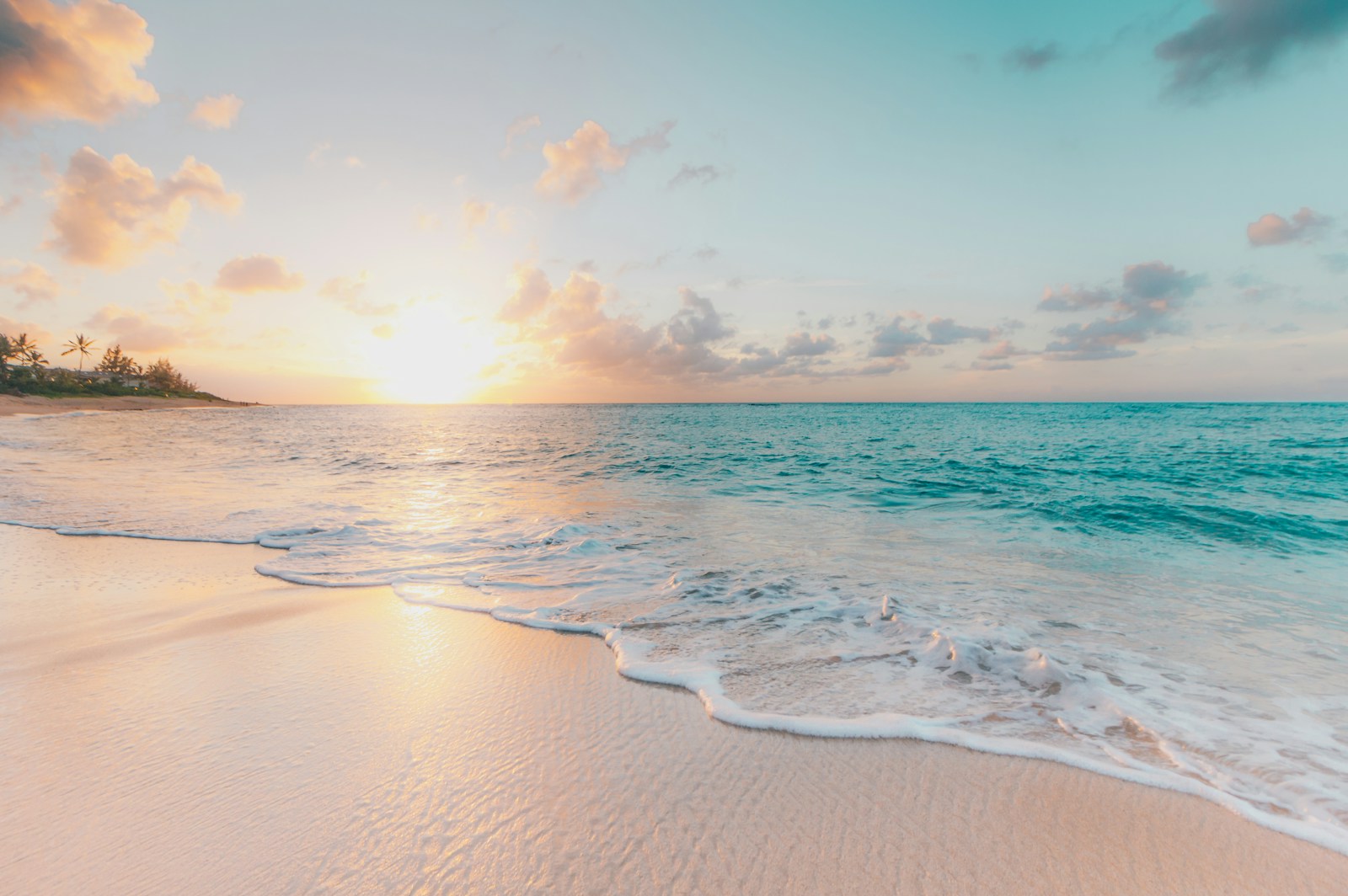
Jersey is an island of contradictions that delight rather than confuse. Officially a Crown Dependency of the British monarch yet never part of the United Kingdom, geographically closer to France than England, with street names in Norman French and a parliament — the States of Jersey — that predates Westminster, this 119-square-kilometre island in the English Channel has been cultivating its independence since William the Conqueror was merely the Duke of Normandy. Saint Helier, the capital, occupies the south coast, its harbour protected by the imposing bulk of Elizabeth Castle — built on a tidal islet in the 16th century and accessible on foot at low tide across a causeway that becomes a defensive moat when the sea returns.
The town of Saint Helier blends its dual heritage with evident pleasure. The Central Market, a Victorian covered hall of iron and glass completed in 1882, is a sensory feast of Channel Island produce: Jersey Royal potatoes — the first of the season commanding premium prices at London restaurants — alongside local dairy products made from the island's famous Jersey cattle, whose rich, golden milk produces butter and cream of extraordinary quality. Liberation Square, commemorating the island's liberation from German occupation on 9 May 1945, anchors the waterfront promenade where the maritime museum, converted warehouses, and modern restaurants face the yacht marina and the morning ferry from Saint-Malo.
Jersey's culinary identity is shaped by its waters, its soil, and its proximity to France. The island's seafood — particularly the spider crabs, lobsters, and oysters harvested from the vast tidal flats that emerge at low tide — is of a quality that restaurants in London and Paris celebrate. Jersey Royals, those small, nutty, golden-fleshed potatoes grown in the island's steeply sloping cotes above the sea, are a seasonal delicacy whose brief availability from April through June creates annual excitement among gastronomes. The island's dairy tradition, centred on the Jersey cow breed that has been raised here since at least the 18th century and exported worldwide, produces milk of such richness that Jersey cream and butter have become globally recognised markers of quality.
Beyond Saint Helier, the island unfolds in a remarkable diversity of landscapes compressed into an area smaller than most national parks. The north coast is a rampart of granite cliffs plunging into clear, Atlantic-fed waters, its cliff paths offering some of the finest coastal walking in the British Isles. The east coast features the extraordinary Seymour Tower — a Martello-style fortification standing over a kilometre out on the tidal flats, accessible on foot during the spring low tides that expose 40 percent of the island's total area. The German Occupation tunnels, an underground hospital complex excavated by forced labour during World War II, provide a sobering counterpoint to the island's natural beauty.
Saint Helier is visited by Oceania Cruises and Regent Seven Seas Cruises on British Isles and Northern European itineraries, with ships anchoring in Saint Aubin's Bay and tendering to the harbour. The most rewarding visiting season runs from May through September, with June offering the longest days, the Jersey Royal potato harvest, and the wildflower-covered cliff paths at their most spectacular.

