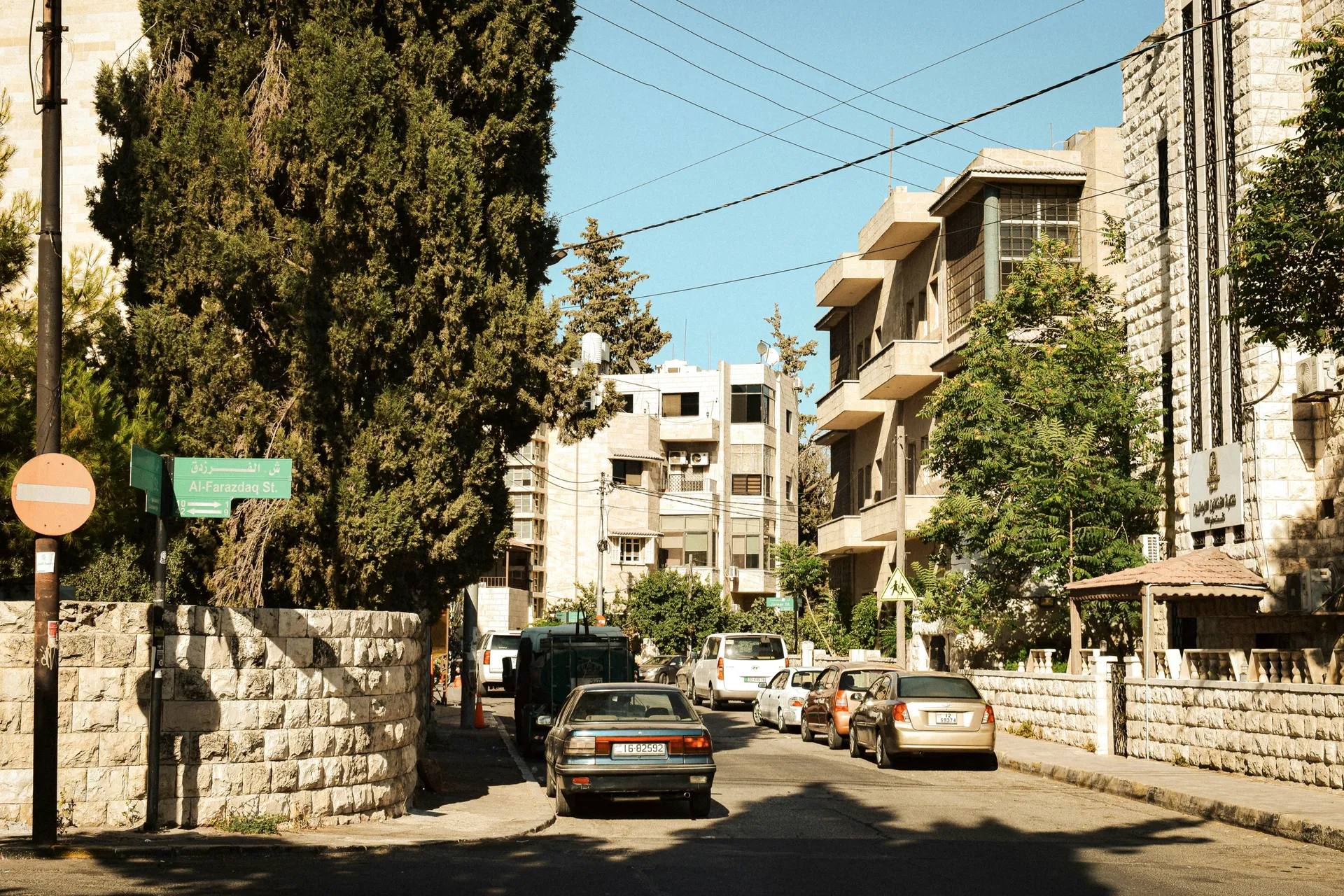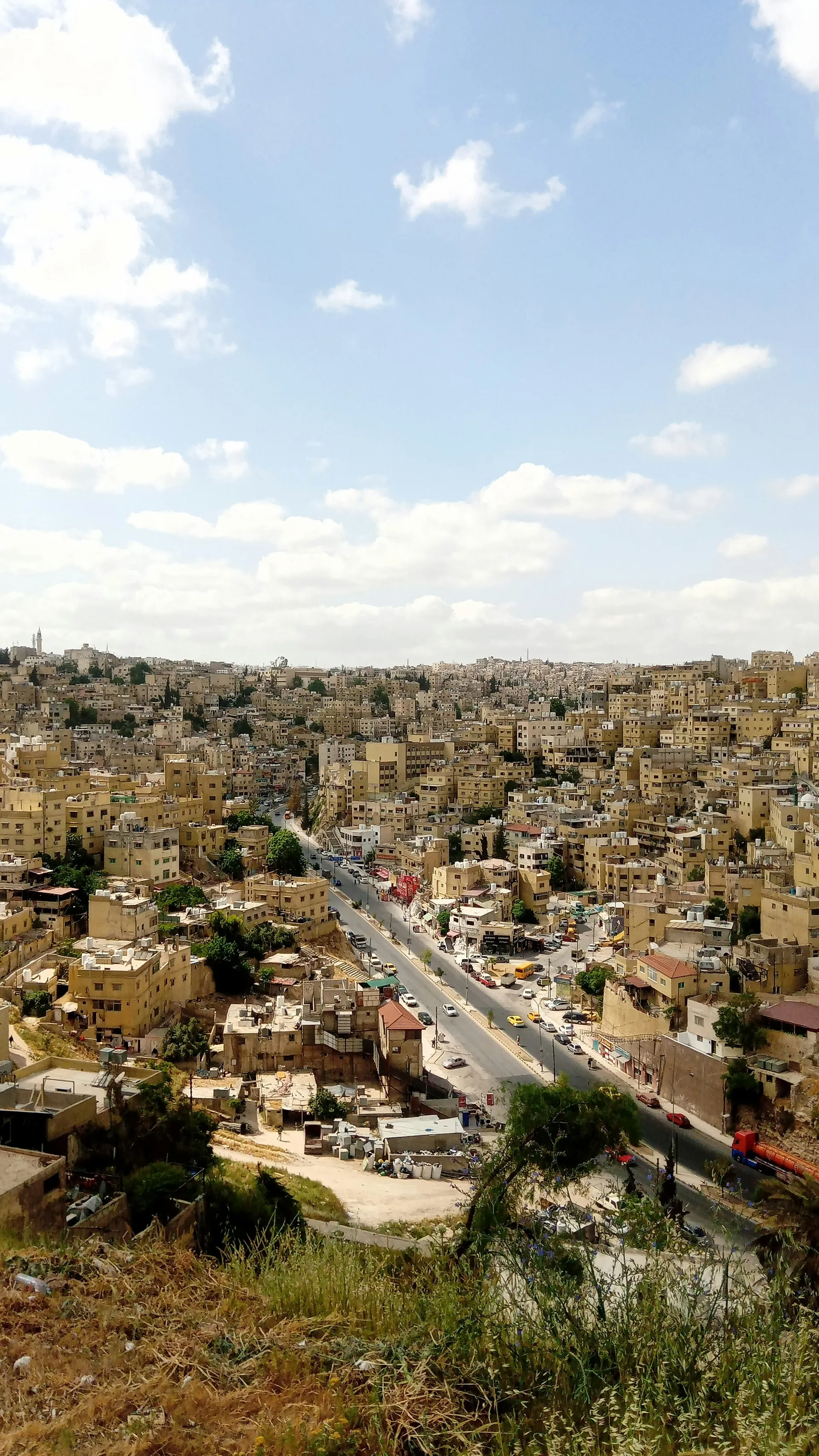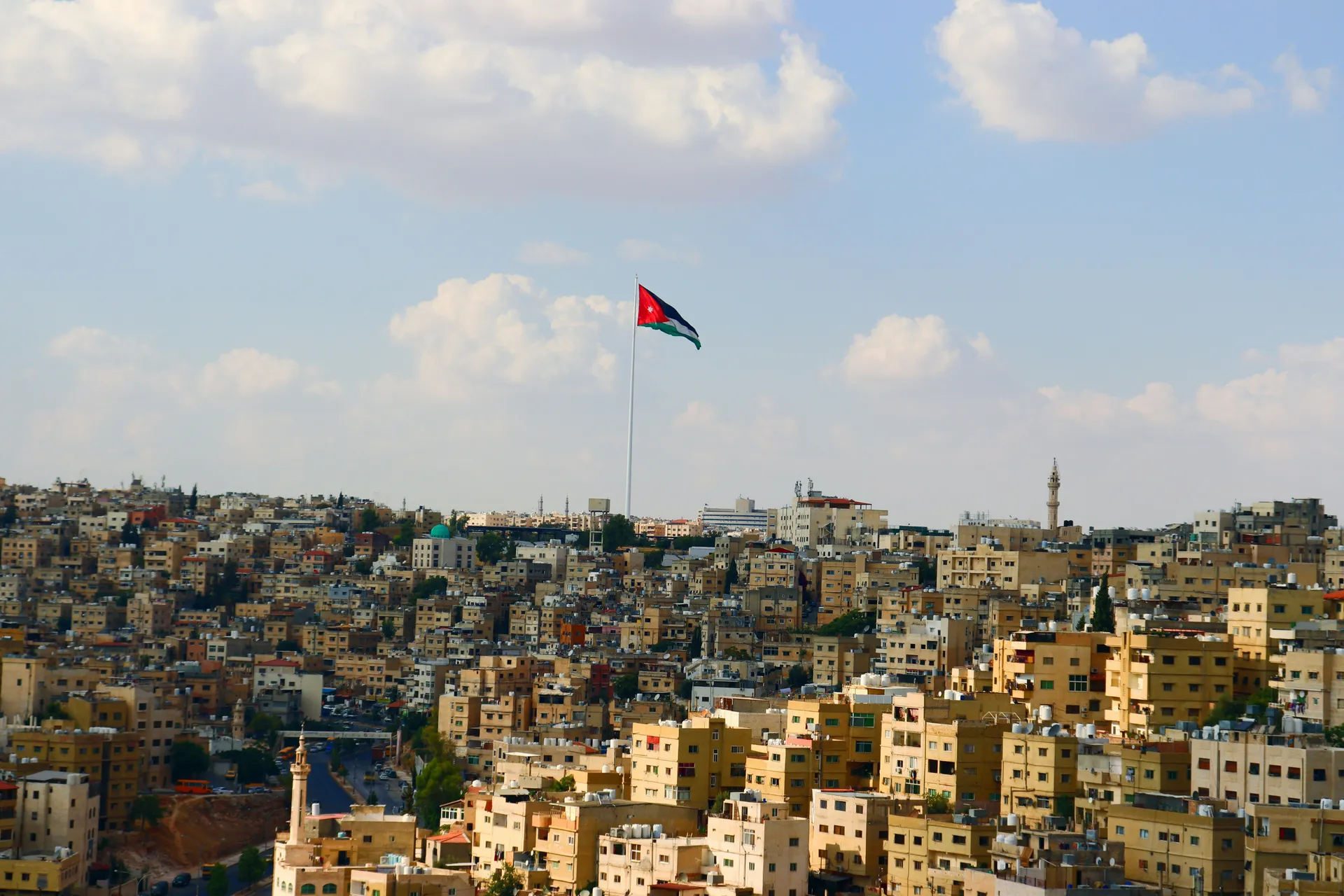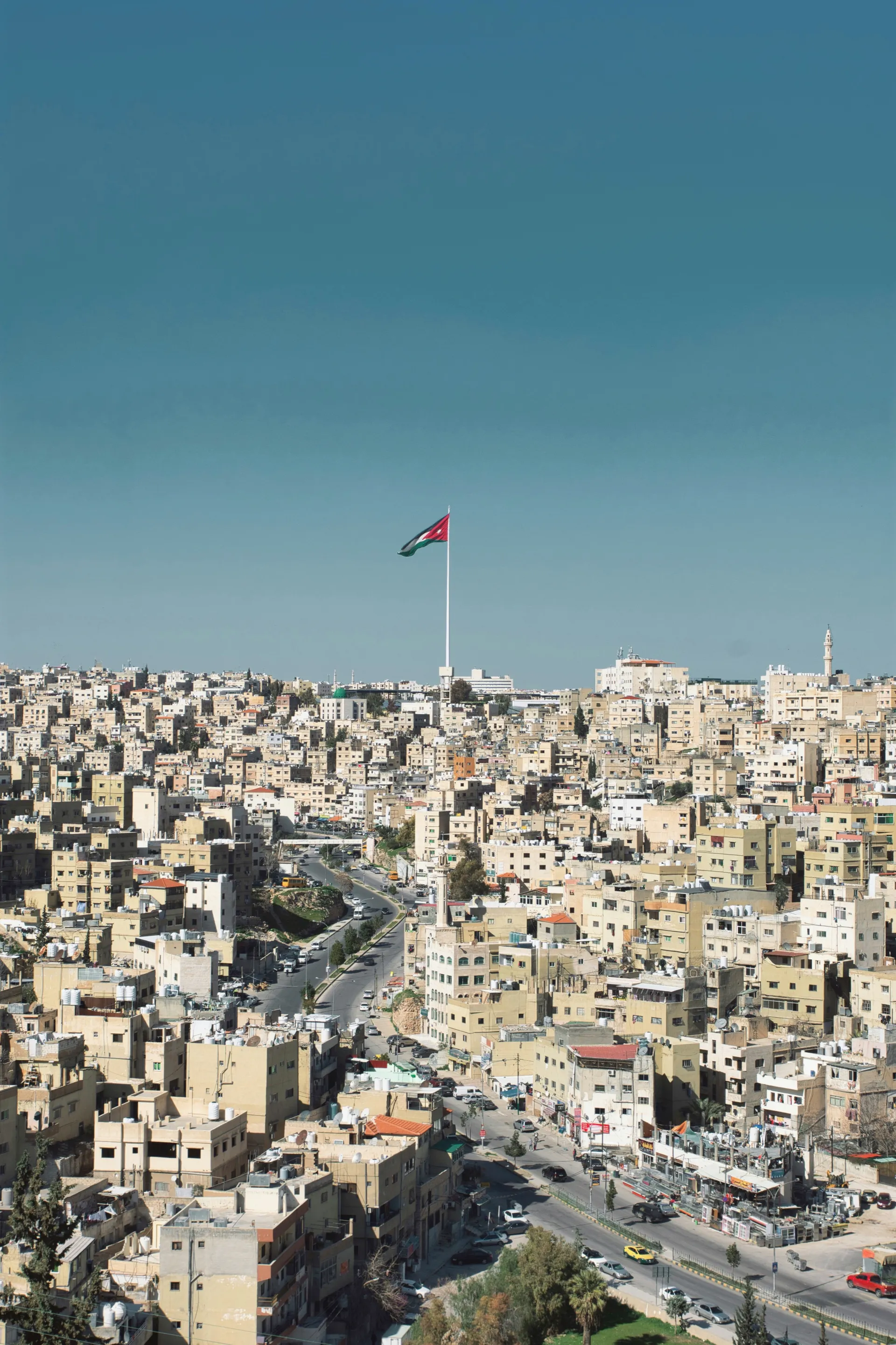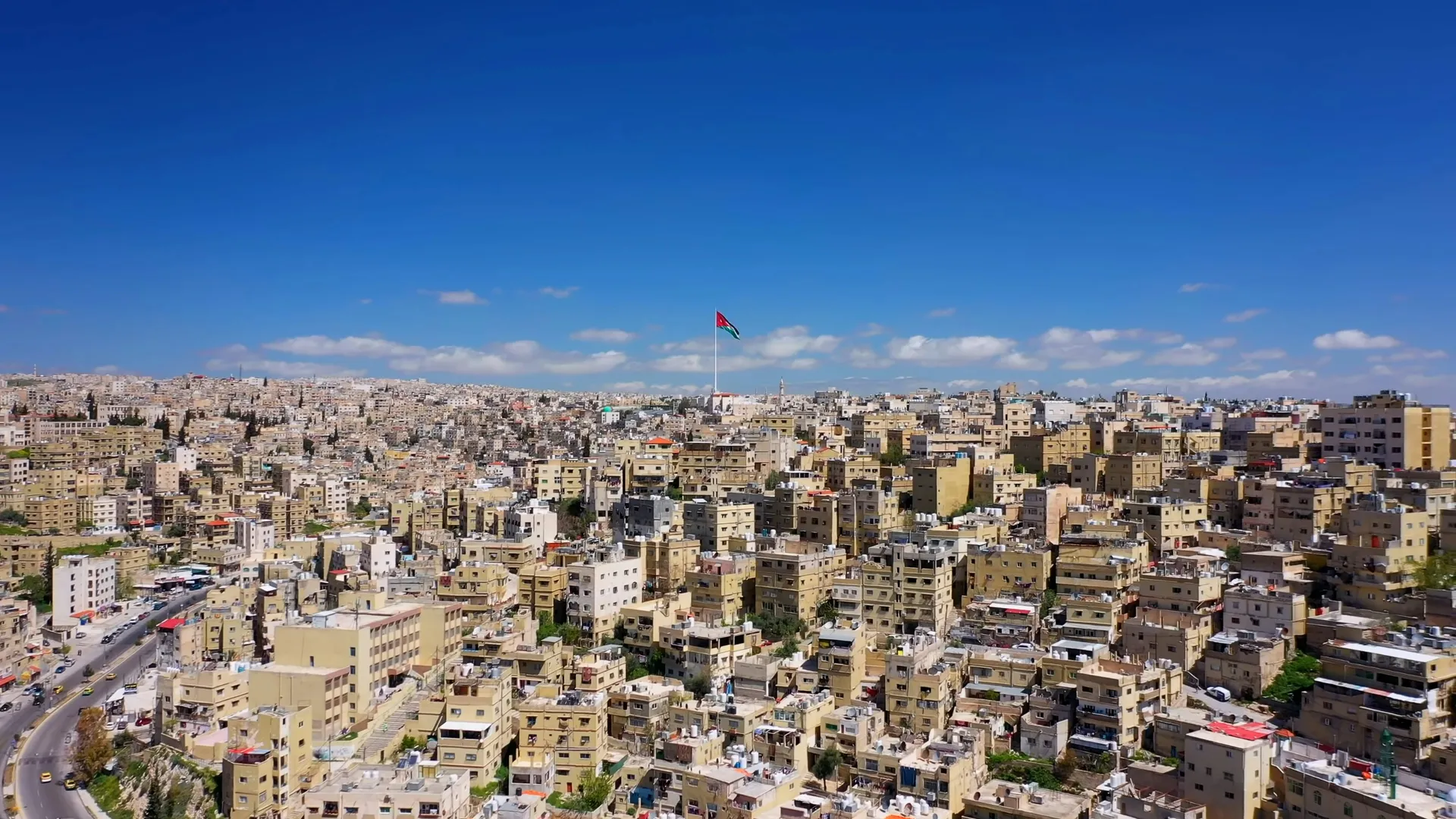
Spread across a series of hills in the highlands of northwestern Jordan, Amman is one of those rare cities that has been continuously inhabited for over ten thousand years — a place where the noise and sprawl of a modern Middle Eastern capital of four million people overlay the remains of Neolithic settlements, Roman temples, and Umayyad palaces in a palimpsest that rewards patient exploration. The city that the Romans knew as Philadelphia is today a dynamic, hospitable metropolis that serves as Jordan's gateway to Petra, the Dead Sea, and Wadi Rum.
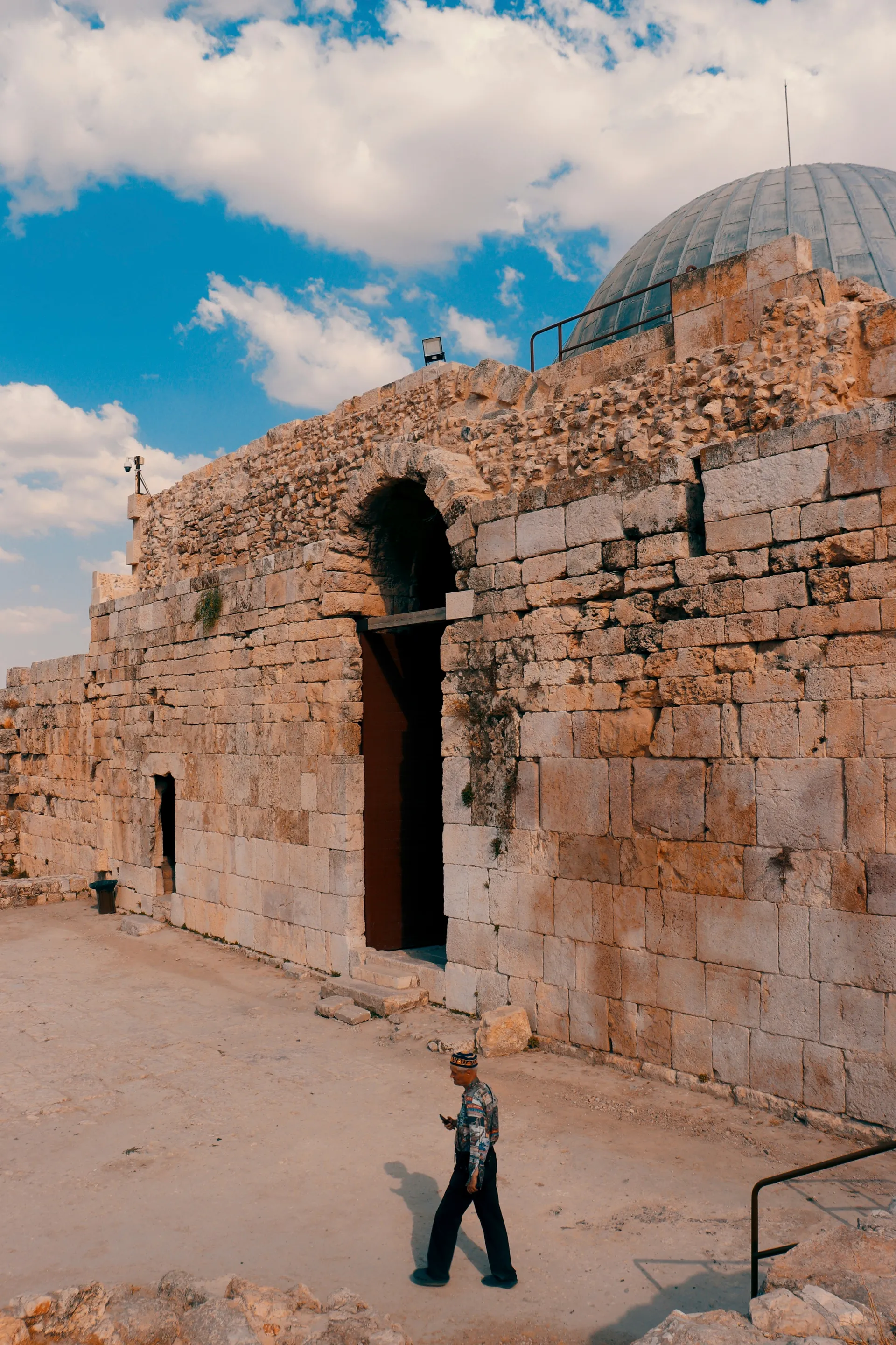
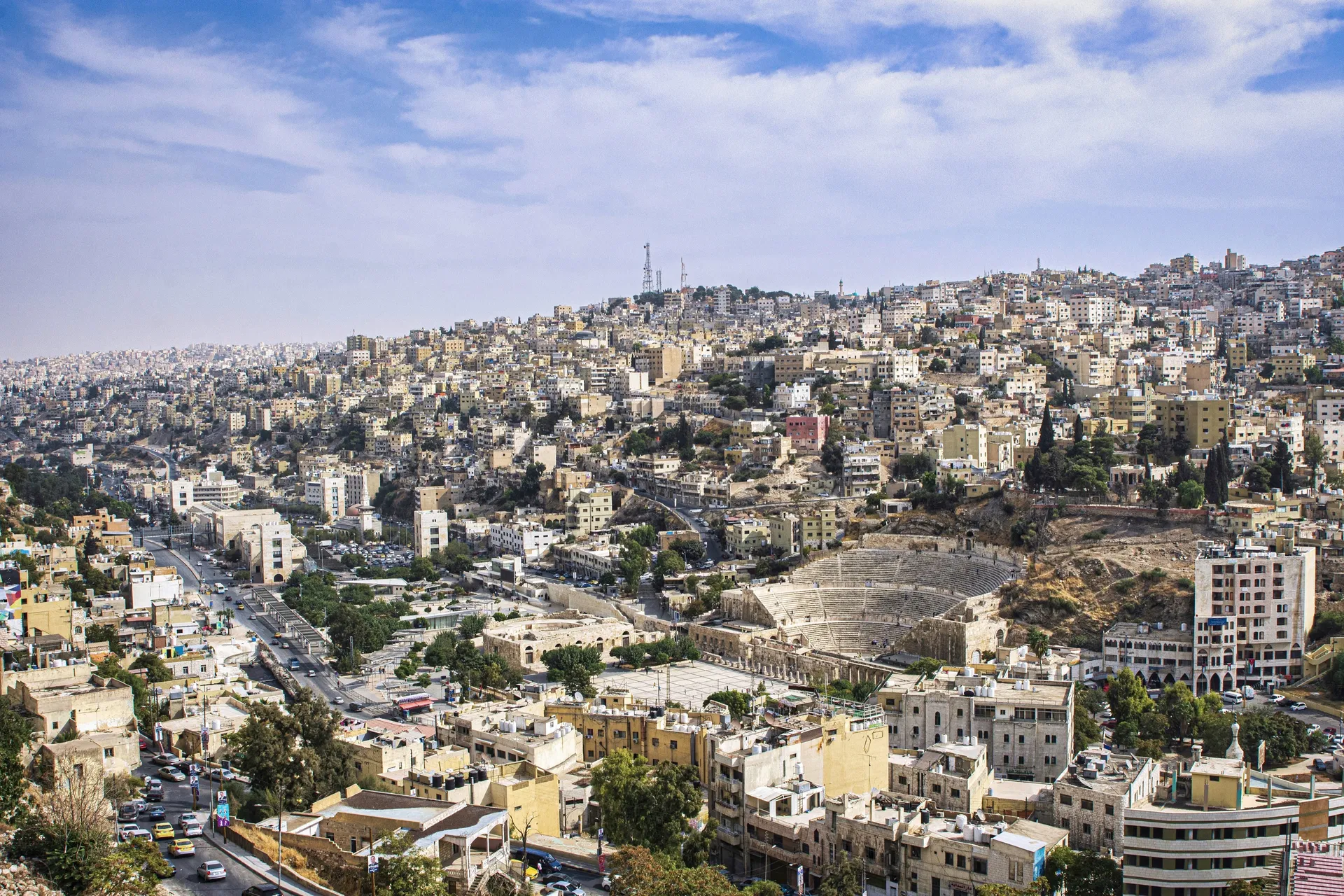
The Citadel — Jabal al-Qal'a — provides both the finest view and the deepest history. Perched on the highest of Amman's original seven hills, this archaeological complex encompasses a Roman Temple of Hercules (whose remaining columns frame the modern city in photographs of irresistible drama), the Umayyad Palace (an eighth-century complex of remarkable sophistication), and the Jordan Archaeological Museum, whose collections span the full sweep of human presence in the region. Below the Citadel, the perfectly preserved Roman theatre — seating six thousand — cuts into the hillside with an elegance that remains functional: concerts and events are still held on summer evenings.
Amman's culinary scene is one of the Middle East's great underrated pleasures. Mansaf — the Jordanian national dish of lamb cooked in fermented dried yoghurt (jameed) and served over rice — is a ceremonial experience: eaten communally from a shared platter, using the right hand to form balls of rice and meat. The street food is exceptional: falafel shops that have perfected their recipe over generations; shawarma carved from rotating spits in the golden light of late afternoon; knafeh — the warm cheese pastry soaked in sugar syrup and topped with crushed pistachios — that is the national obsession.
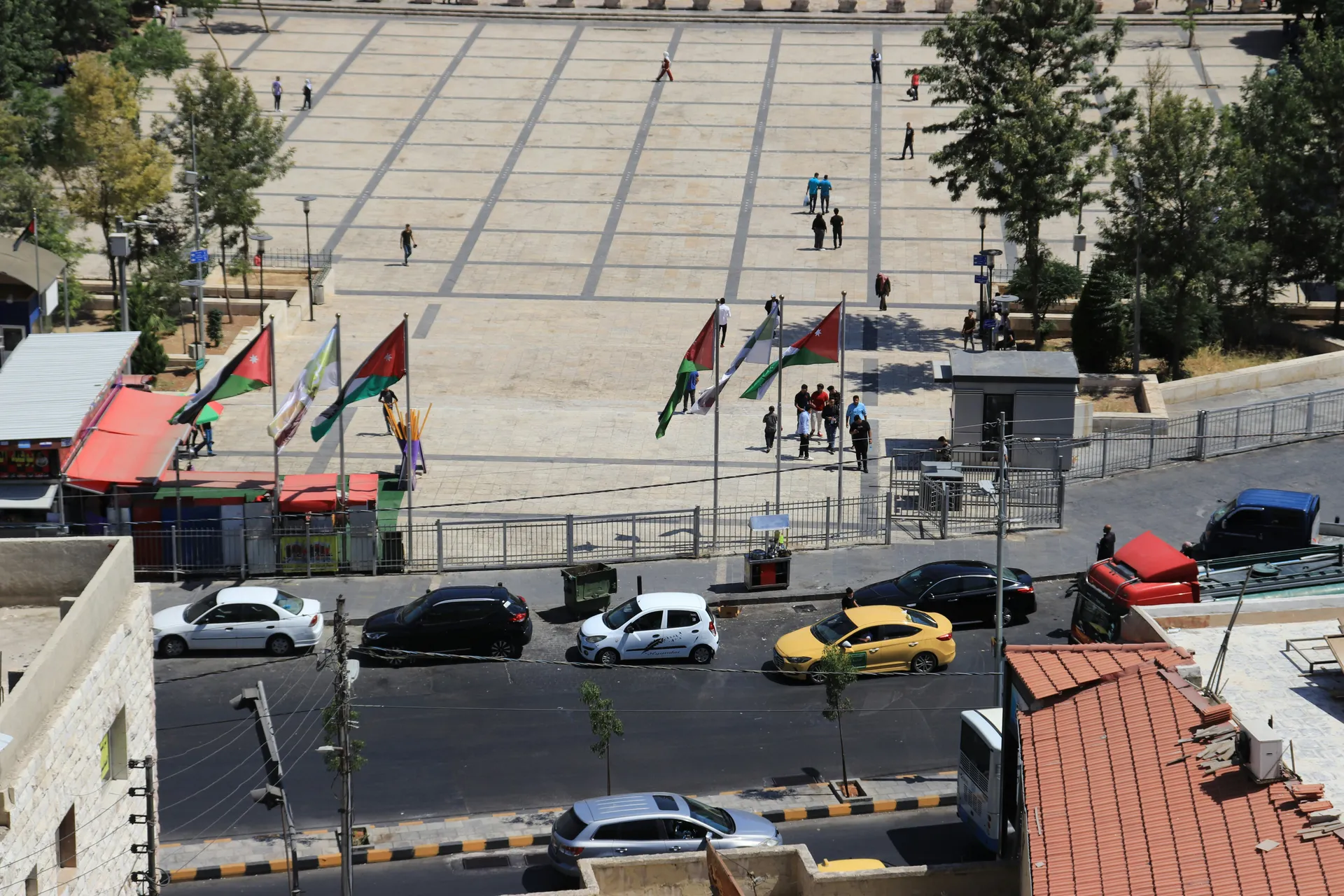
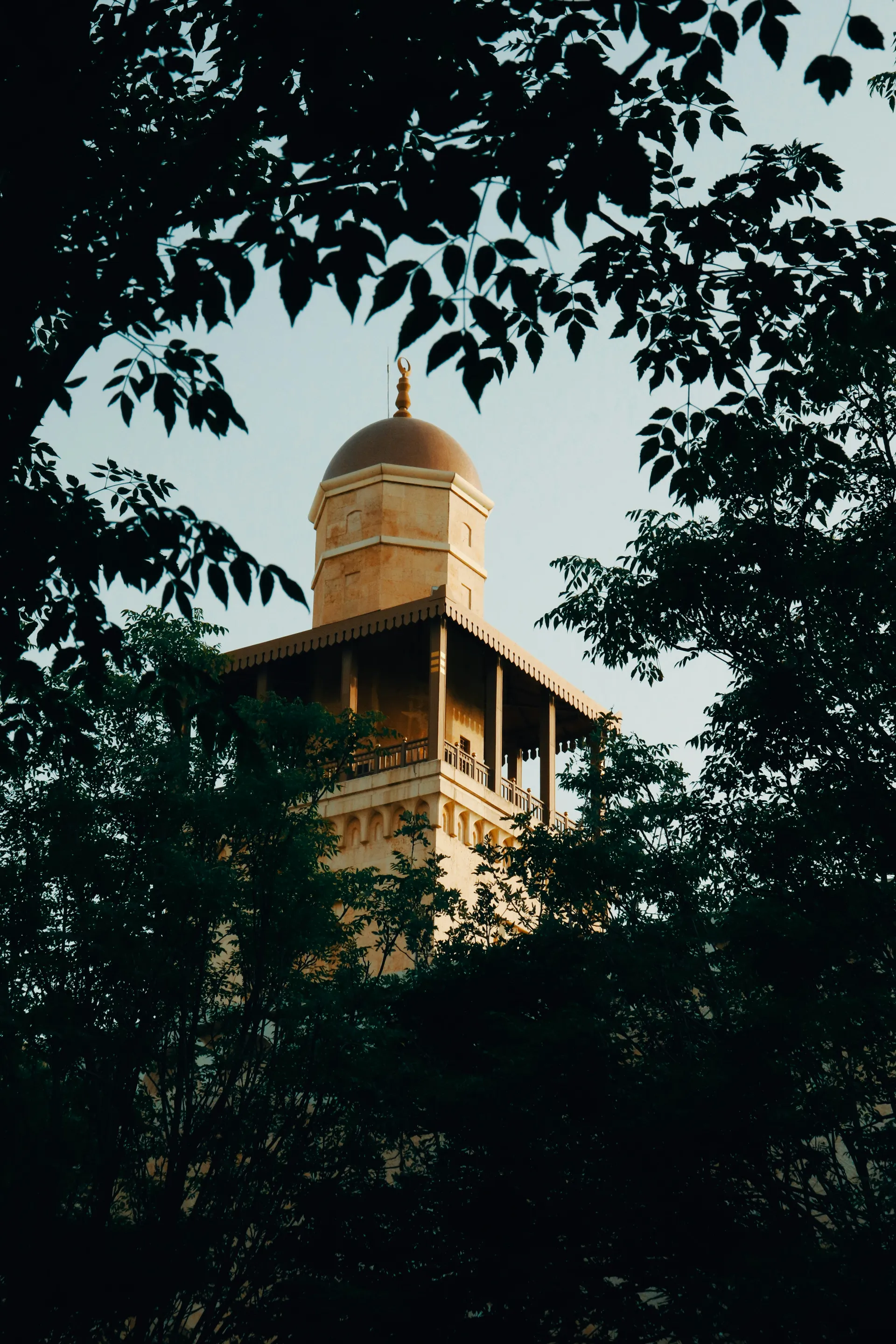
Downtown Amman — the old commercial district clustered around the Roman theatre — pulses with an energy that rewards walking and wandering. The souks offer spices, gold, antiques, and the aromatic coffee that Jordanians consume in quantities that suggest caffeine is a national religion. Rainbow Street, a short walk uphill, has evolved into a vibrant strip of cafés, galleries, and restaurants that represents the creative, cosmopolitan side of Jordanian society. The King Abdullah I Mosque, its blue dome a landmark visible across the city, welcomes non-Muslim visitors outside prayer times.
Amman's Queen Alia International Airport connects to major cities worldwide. The city serves as the base for excursions to Petra (three hours south), the Dead Sea (one hour west), Jerash (one hour north — one of the best-preserved Roman cities outside Italy), and Wadi Rum (four hours south). Spring (March to May) and autumn (September to November) offer the most pleasant temperatures, though Amman's elevation means summer heat is less oppressive than in the Jordan Valley below.