In the heart of Kenya's Great Rift Valley, cradled by volcanic ridges and fever tree woodlands, Lake Nakuru shimmers like a pink mirage — its alkaline waters hosting one of the natural world's most extravagant spectacles: the congregation of flamingos in numbers so vast they transform the lake's surface into a living, breathing carpet of rose and crimson. This relatively compact national park, just 188 square kilometers, has been a sanctuary for rhinoceros, leopard, and over 450 bird species since its establishment in 1961, proving that size is no measure of ecological importance.
The flamingo spectacle at Lake Nakuru is one of Africa's most photographed wildlife phenomena, though the birds' numbers fluctuate dramatically with the lake's water level and alkalinity. At peak times, up to two million lesser flamingos and their larger cousins, the greater flamingos, can gather here, feeding on the Spirulina algae that thrives in the soda lake's highly alkaline water. The sight of this vast pink congregation, viewed from the Baboon Cliff lookout with the Rift Valley escarpment as a backdrop, is genuinely one of the natural world's great visual experiences. Even when flamingo numbers are lower — as they have been in some recent years due to rising water levels — the lake attracts an extraordinary diversity of waterbirds: pelicans, cormorants, African fish eagles, and dozens of wader species.
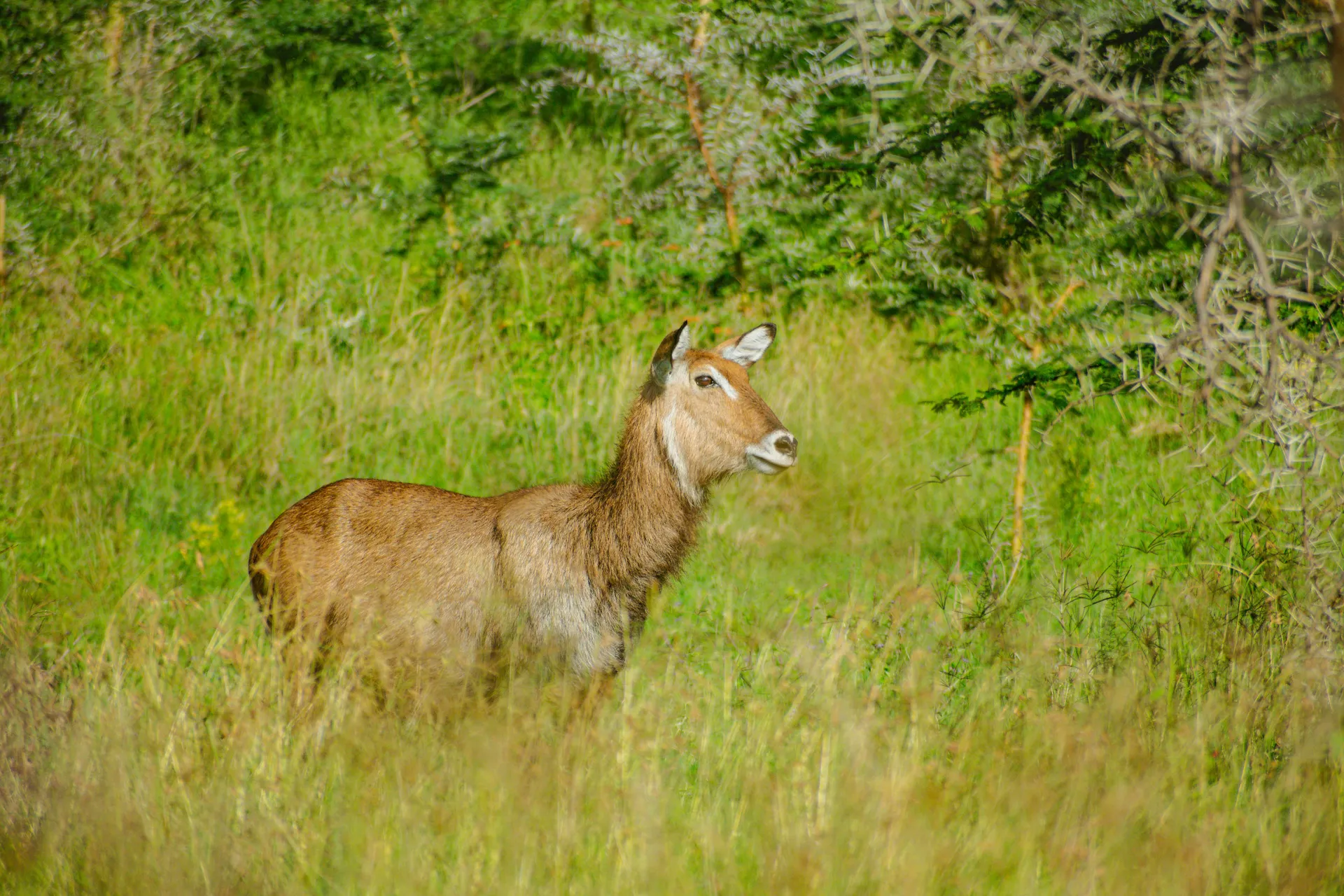
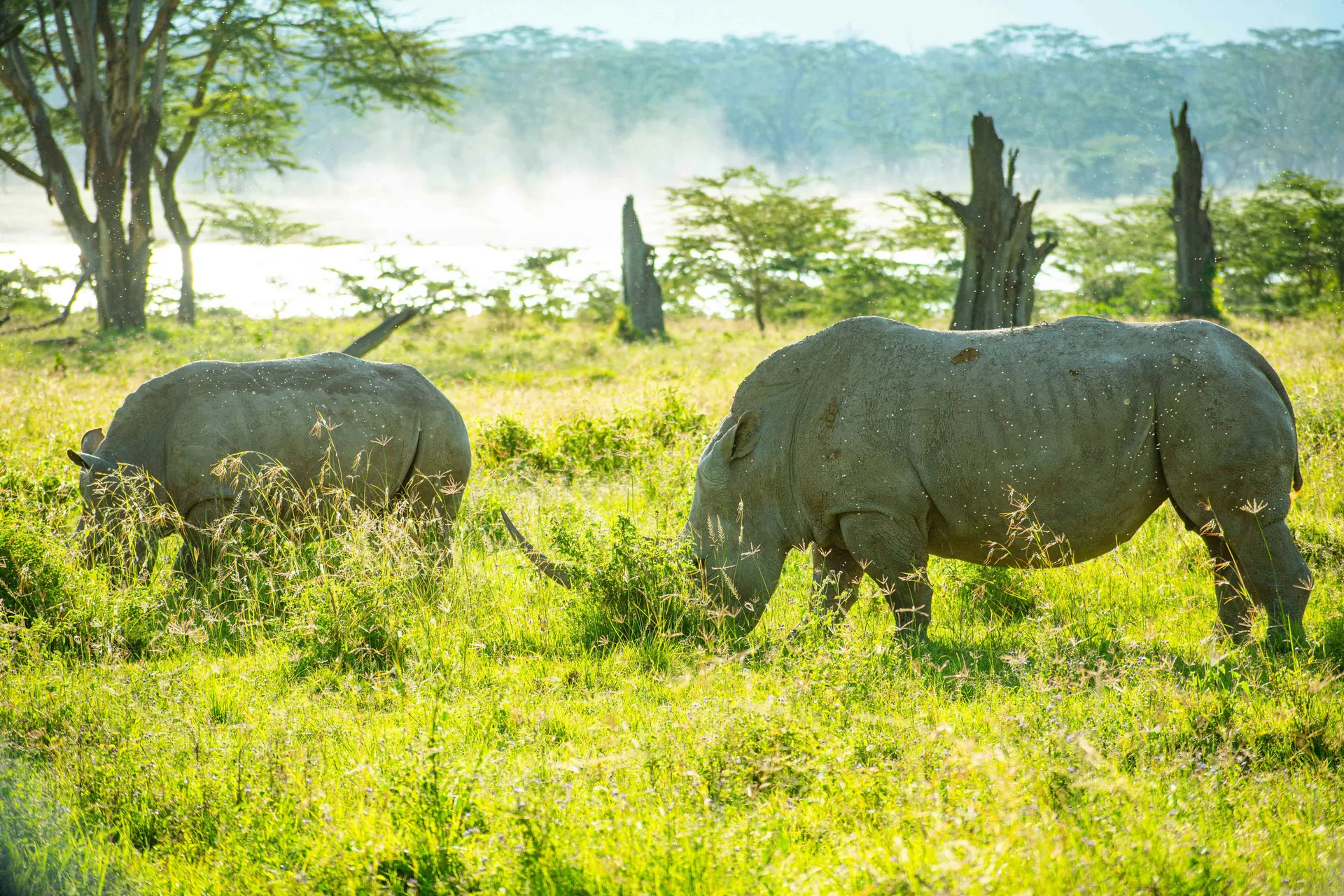
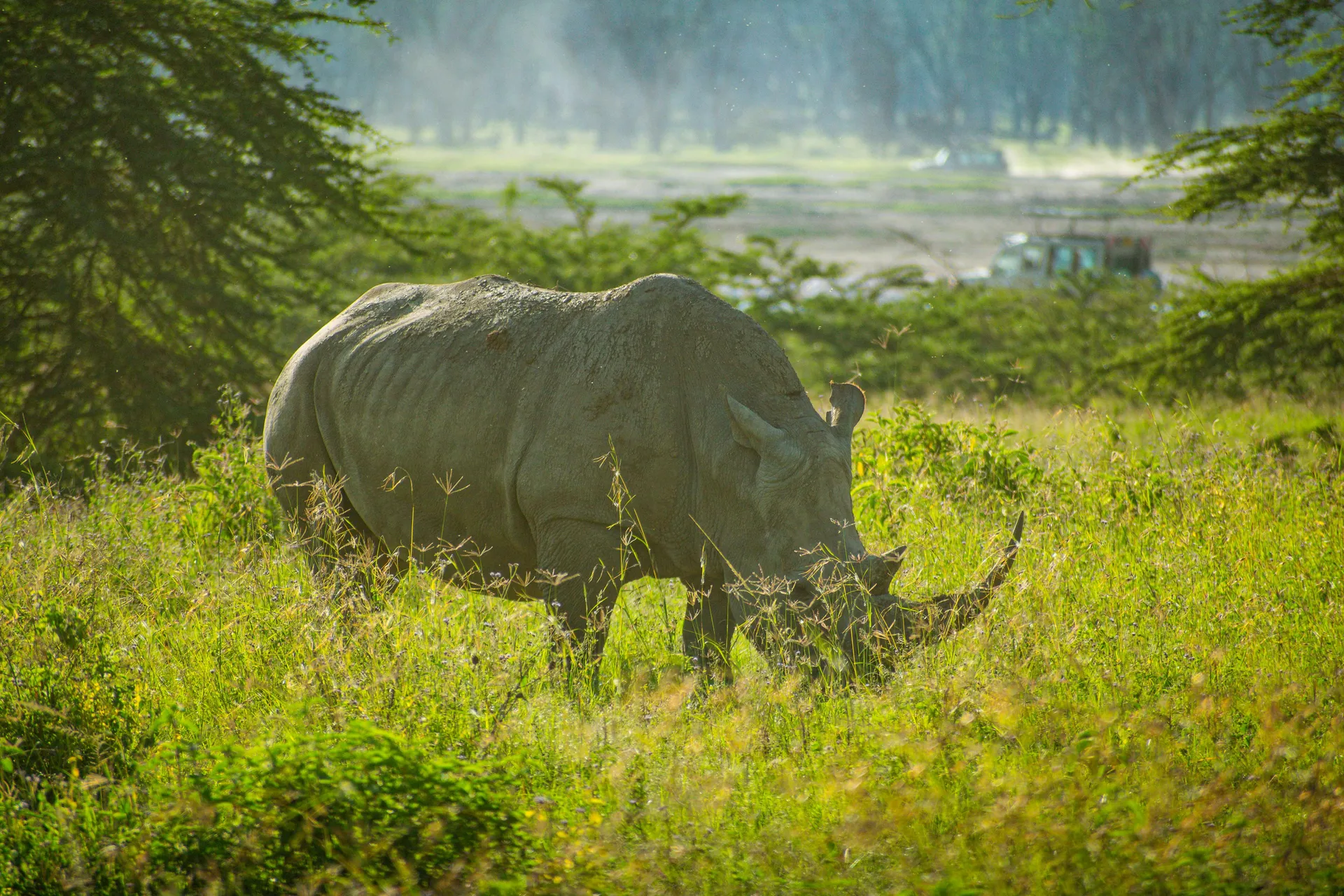
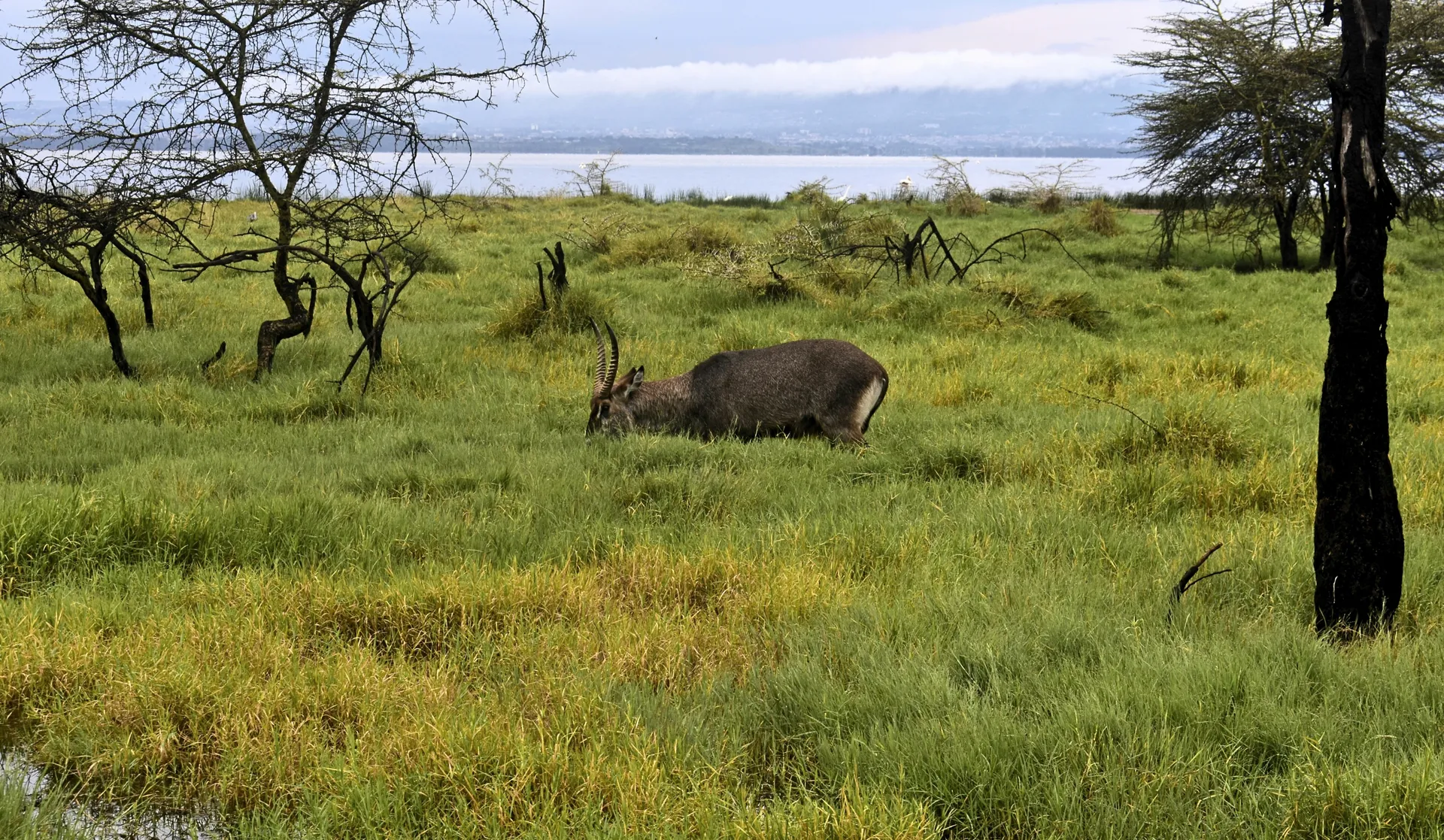
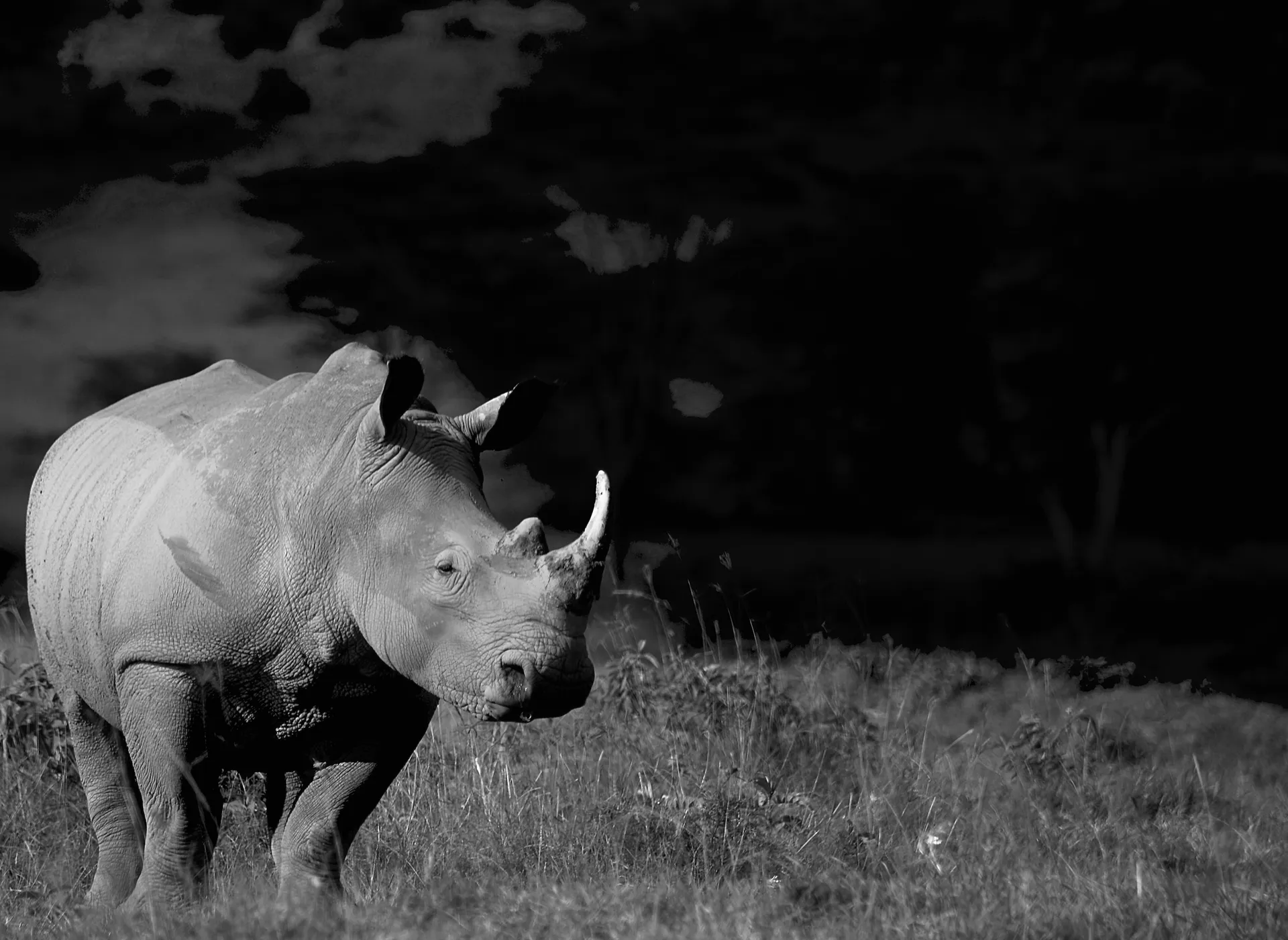
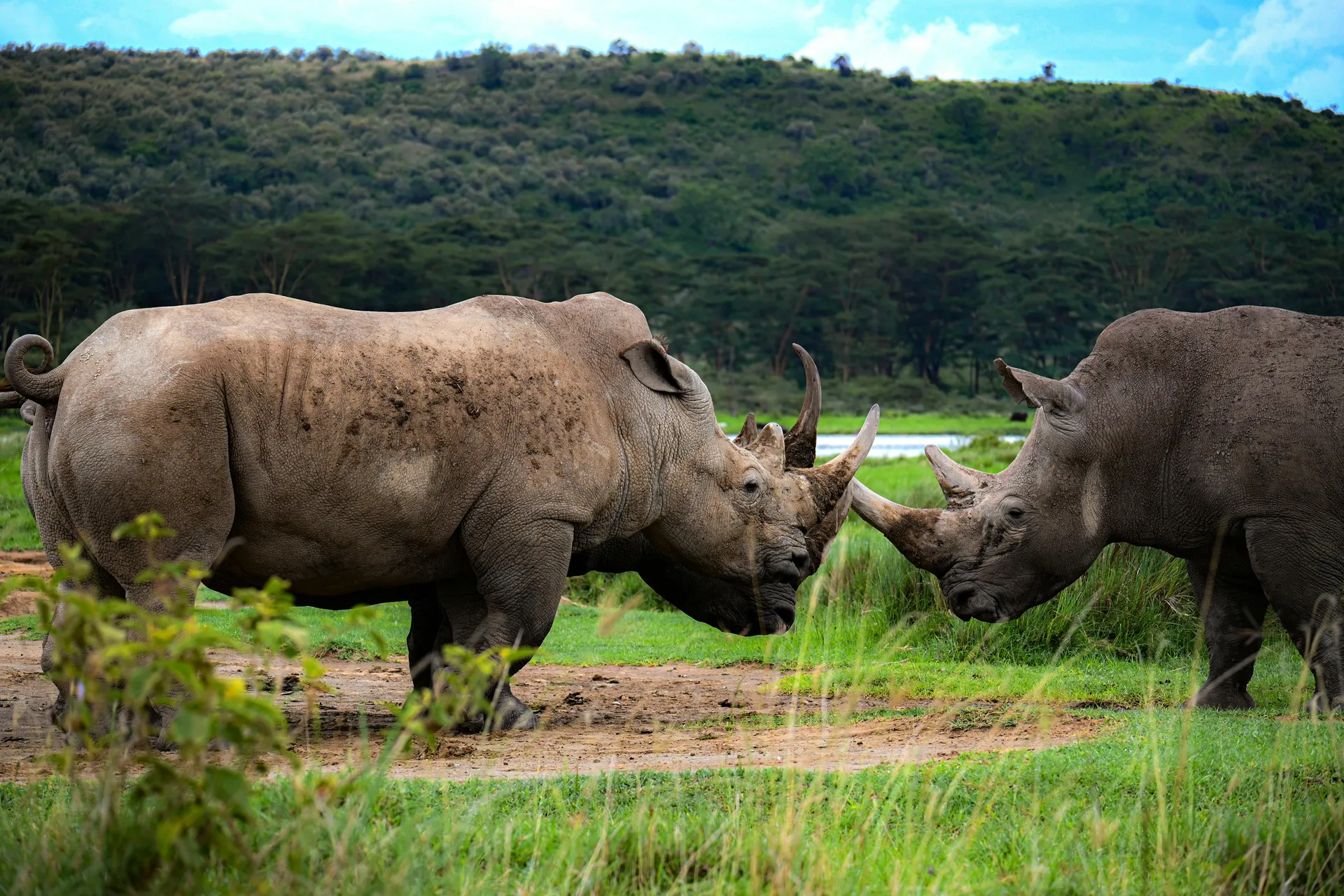
Beyond its avian fame, Lake Nakuru National Park is one of Kenya's most important rhinoceros sanctuaries. The park is fully fenced and supports both black and white rhino populations, making sightings more reliable here than in many larger Kenyan reserves. White rhinos, the larger of the two species, are often spotted grazing on the open grasslands near the lake shore, their massive, prehistoric forms providing one of safari's most visceral encounters. The park also harbors Rothschild's giraffe, a subspecies distinguished by its sharply defined markings and white "stockings," along with leopard, buffalo, waterbuck, and troops of baboons that frequent the clifftop viewpoints — sometimes sharing the vista with bemused human visitors.
The park's vegetation creates a mosaic of habitats that accounts for its remarkable biodiversity. Euphorbia candelabrum forests cover the rocky ridges, their cactus-like forms creating an almost otherworldly landscape, while the shores are fringed by yellow-barked fever trees — Acacia xanthophloea — whose name reflects the historical association between these waterside trees and the malaria that once plagued lake communities. The eastern shores feature dense woodland that provides leopard habitat, while the southern end of the lake opens onto grasslands that support the park's grazing herds. Makalia Falls, at the park's southern extremity, plunges through tropical forest in a scene that could belong to an entirely different ecosystem.
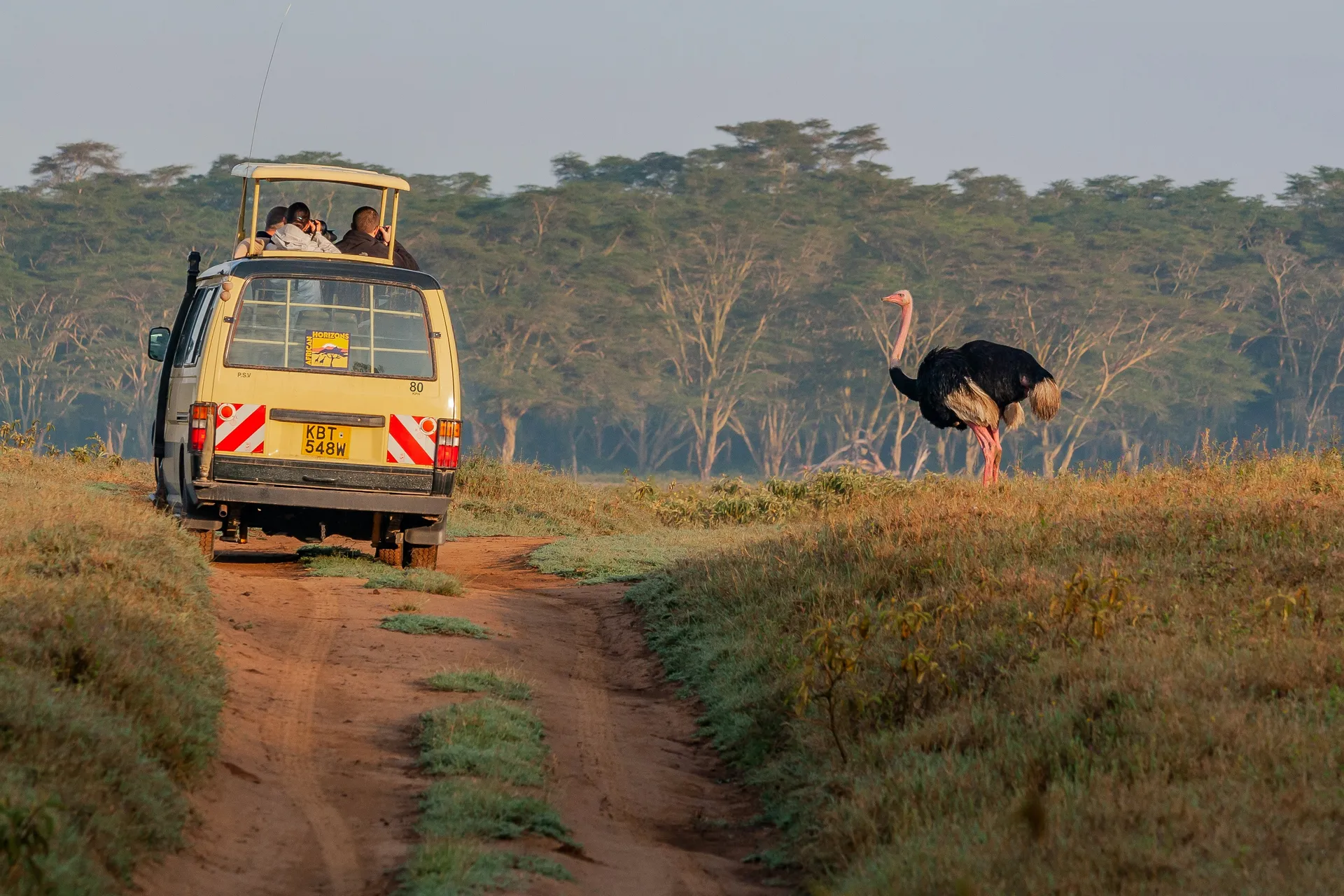
Lake Nakuru National Park is located approximately 160 kilometers northwest of Nairobi, accessible via a well-paved road in roughly three hours. For cruise passengers, the park is typically visited as part of a multi-day overland extension from the port of Mombasa. Morning and late afternoon game drives offer the best wildlife viewing and photographic light. The park can be visited year-round, though the dry seasons (January-March and June-October) generally provide the best game viewing as animals concentrate near the lake. Entry is managed through Kenya Wildlife Service, and guided drives with knowledgeable local guides significantly enhance the experience. Lake Nakuru proves that even within Kenya's extraordinary array of natural wonders, some spectacles remain truly beyond compare.