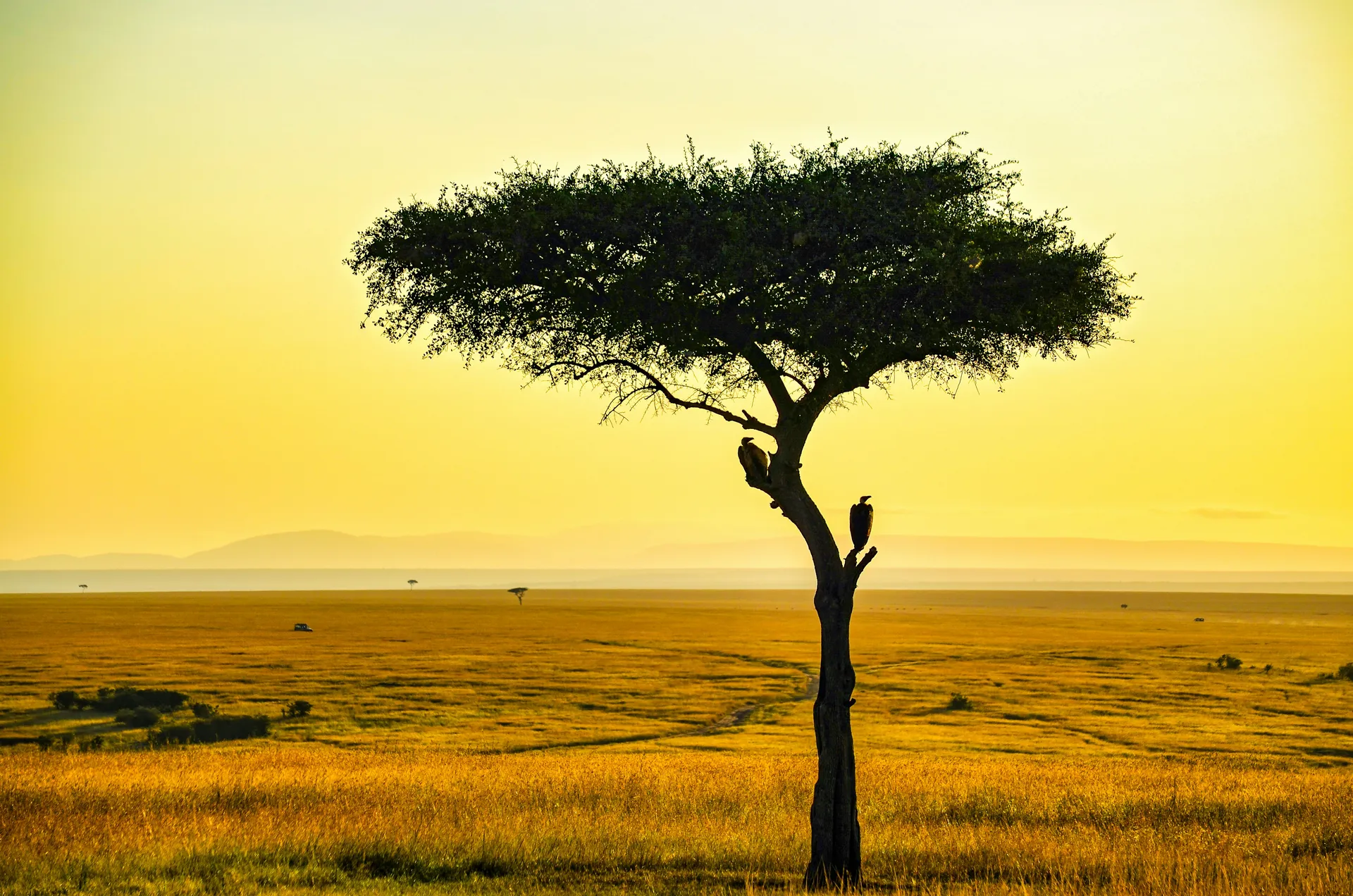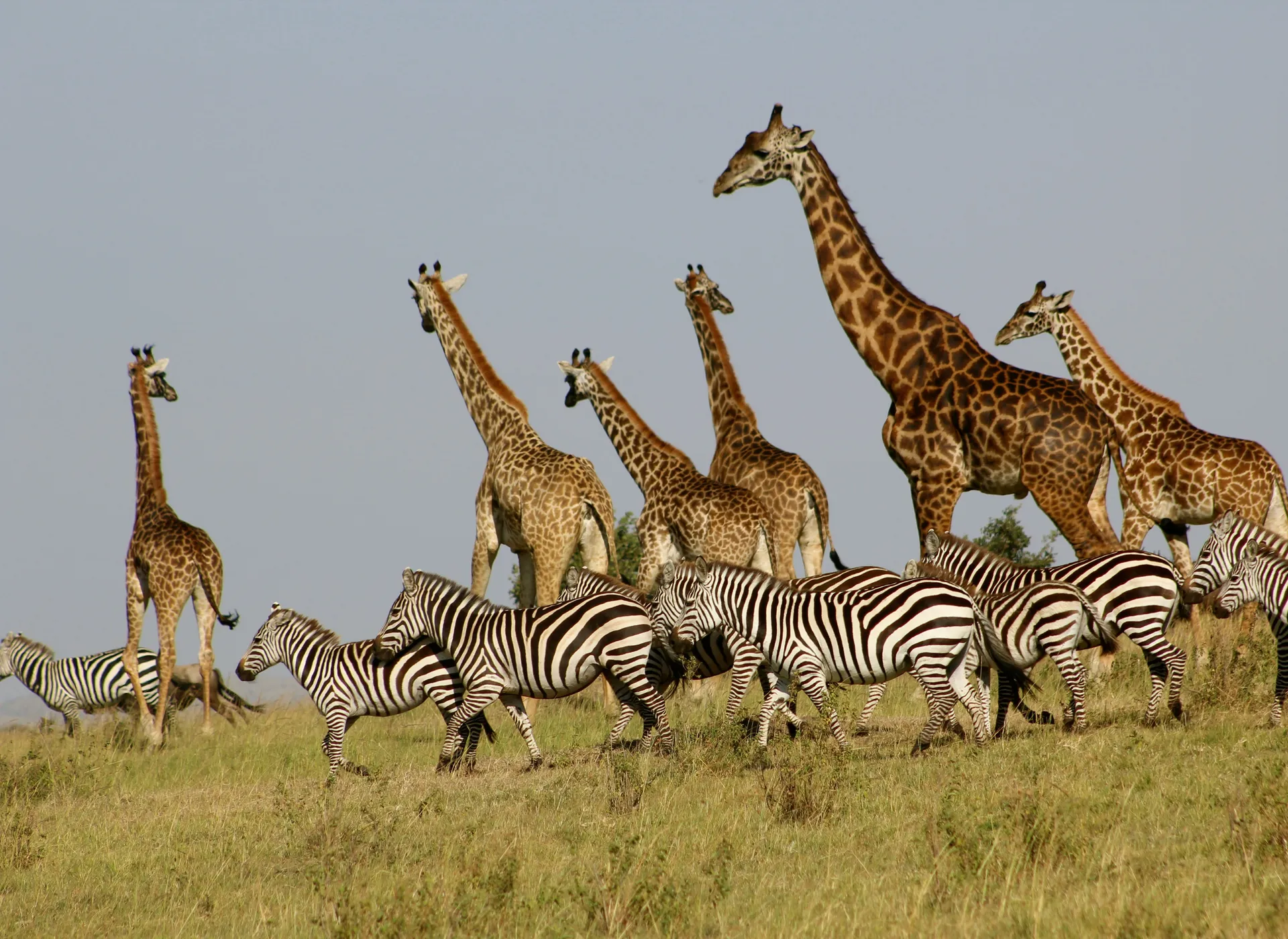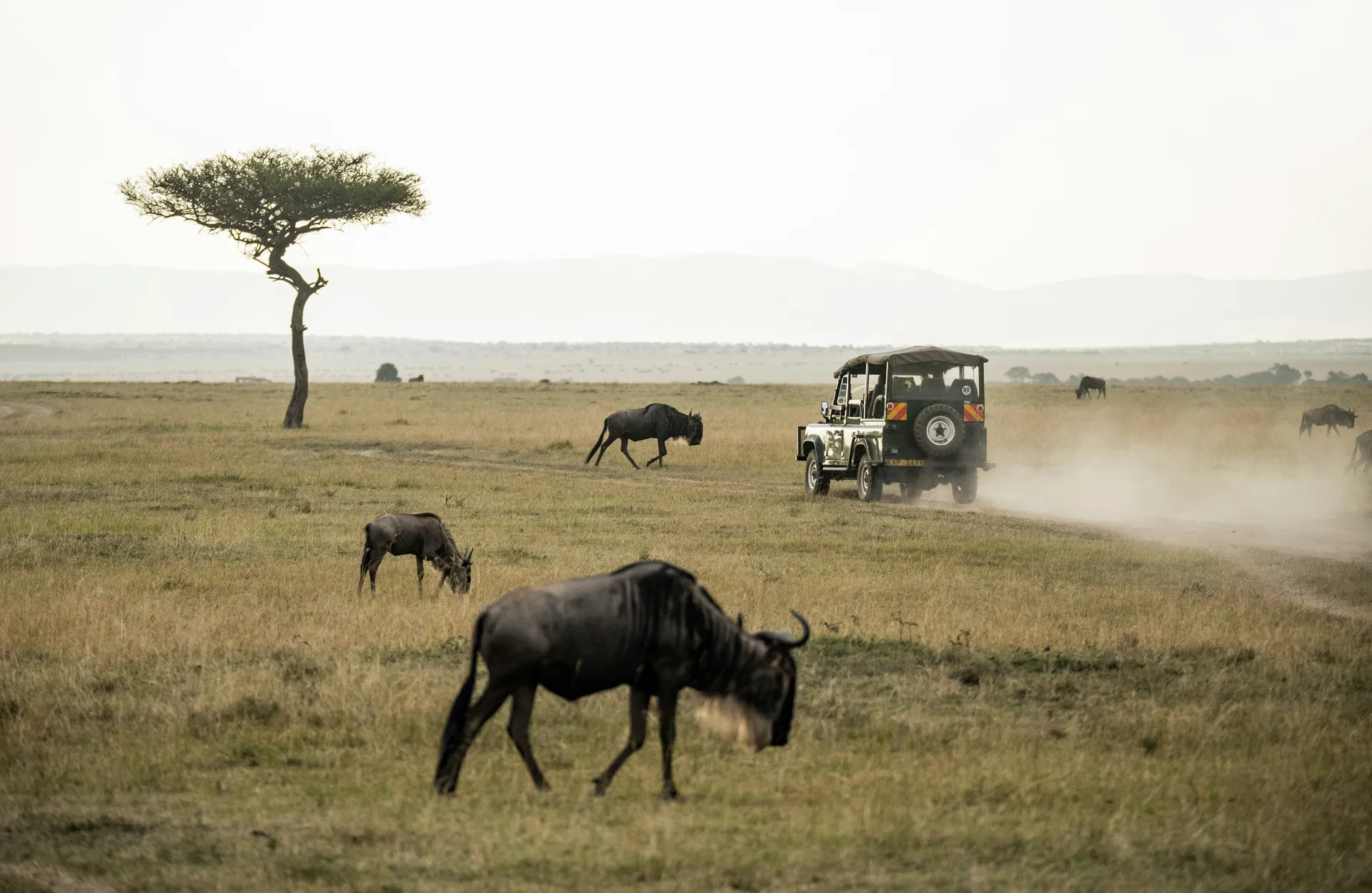
Stretching across 1,510 square kilometres of southwestern Kenya's Great Rift Valley, the Masai Mara is the most celebrated wildlife reserve in Africa — a vast, undulating grassland punctuated by acacia trees, bisected by the Mara River, and animated by a density and diversity of large mammals that has no parallel anywhere on Earth. This is the landscape that defines the popular imagination of African safari, and the reality, remarkably, exceeds the expectation.
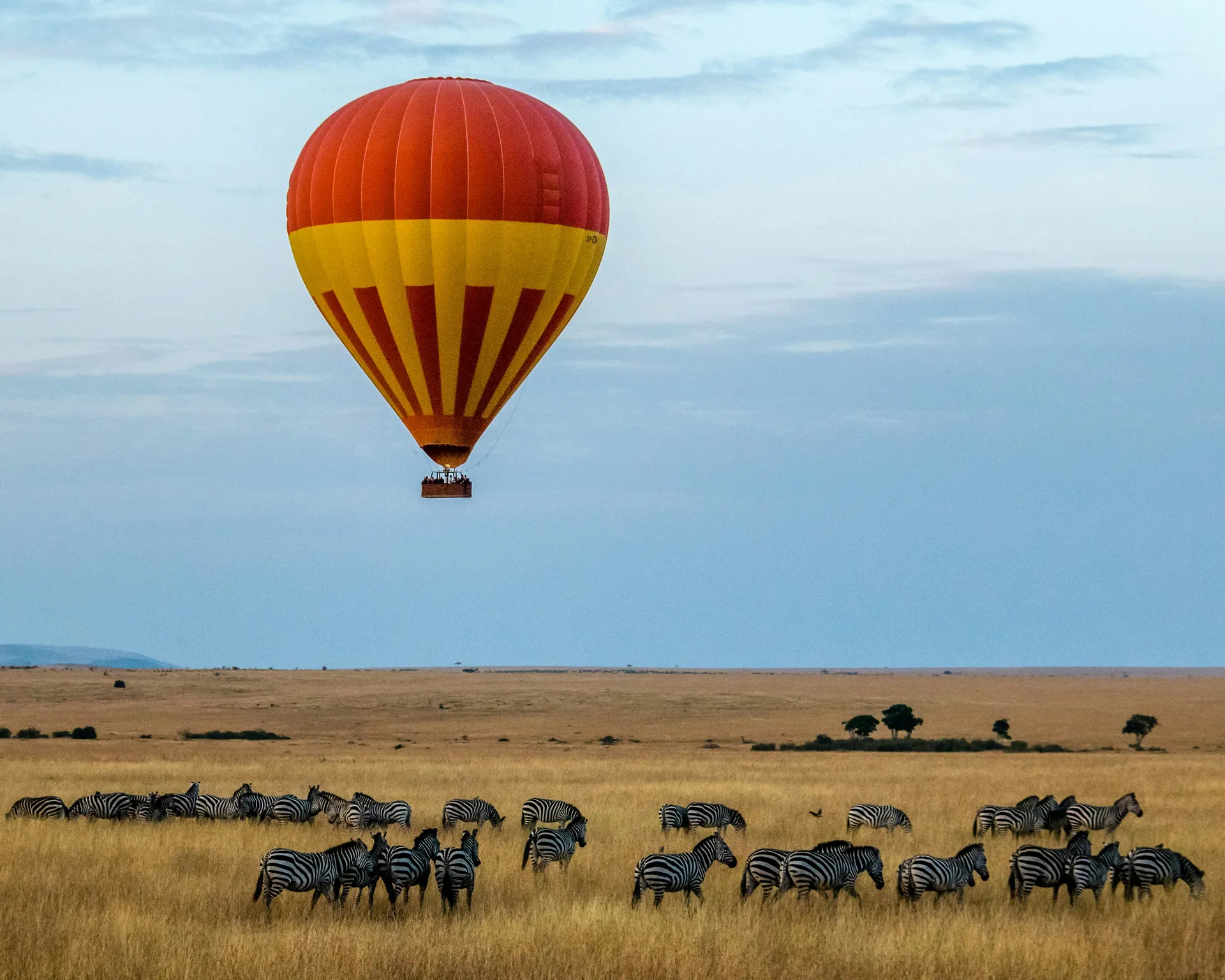
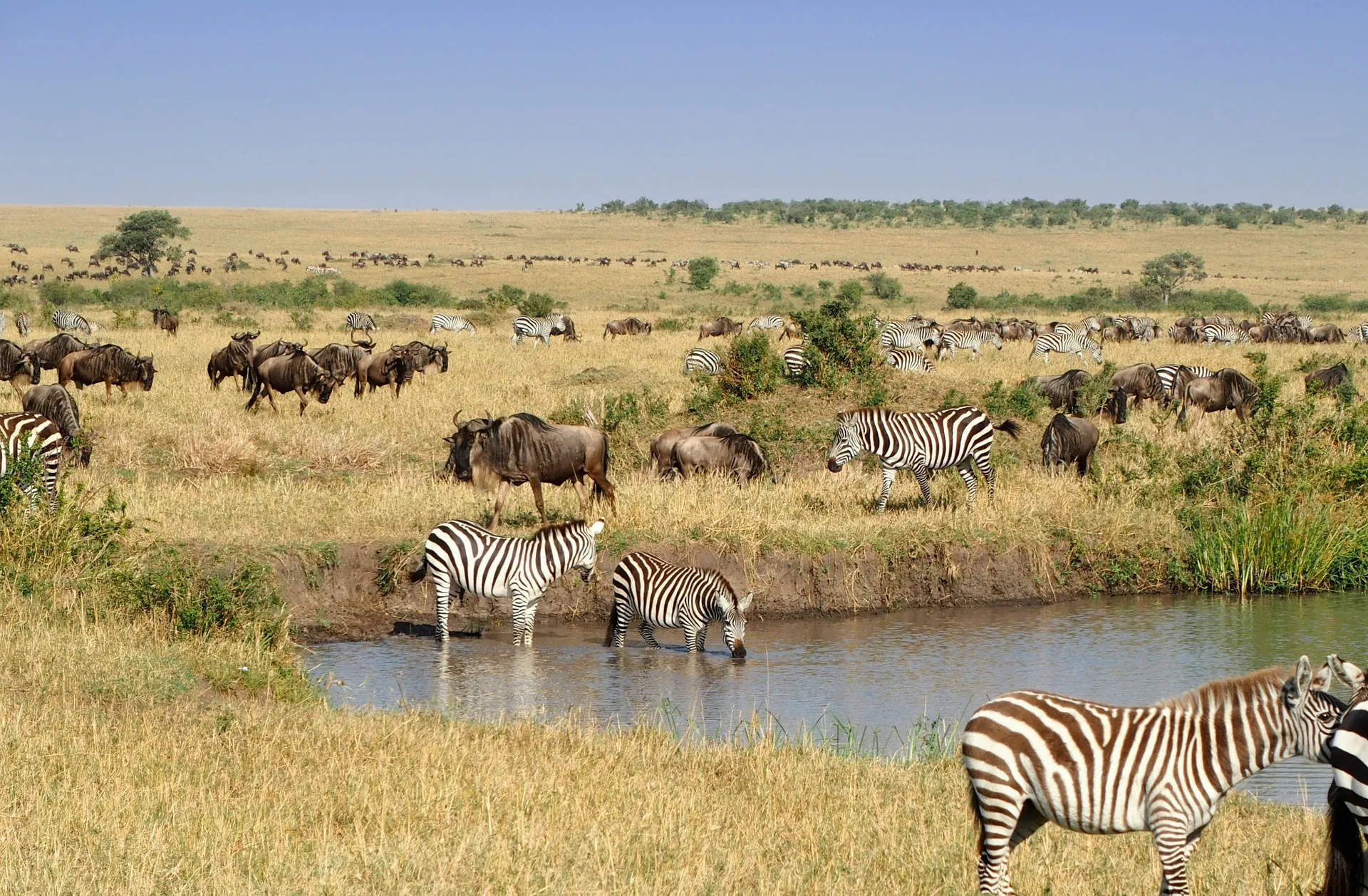
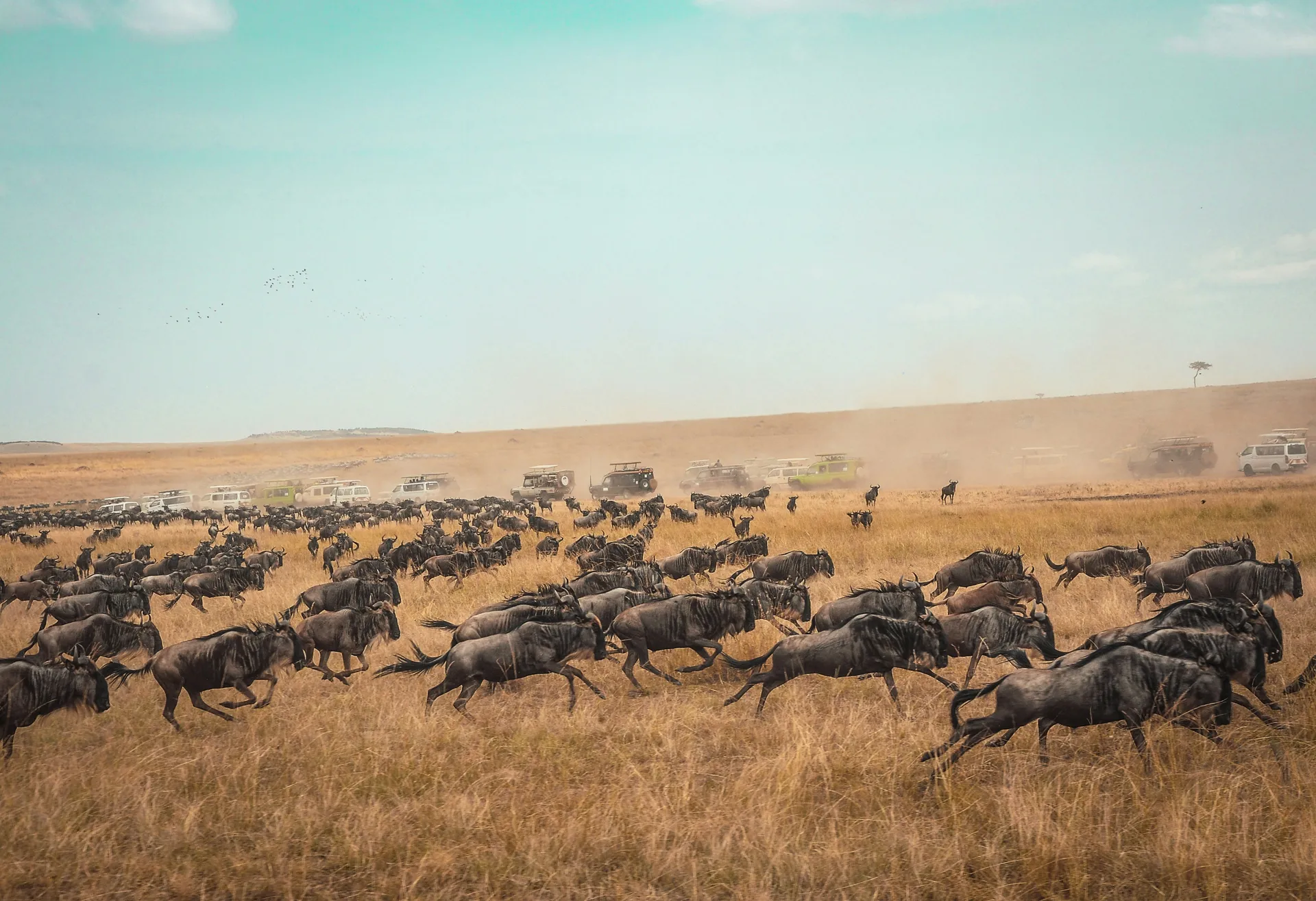
The Masai Mara's supreme spectacle is the Great Migration — a circular movement of approximately two million wildebeest, accompanied by hundreds of thousands of zebras and gazelles, that crosses between the Serengeti in Tanzania and the Mara in Kenya in an annual cycle governed by rainfall and grass. Between July and October, the herds arrive in the Mara, and the river crossings — chaotic, violent, desperately alive — are among the most intense wildlife events on the planet. Thousands of wildebeest plunge down steep banks into crocodile-infested water, driven by an imperative so powerful that individuals crushed and drowned are simply absorbed into the heaving mass.
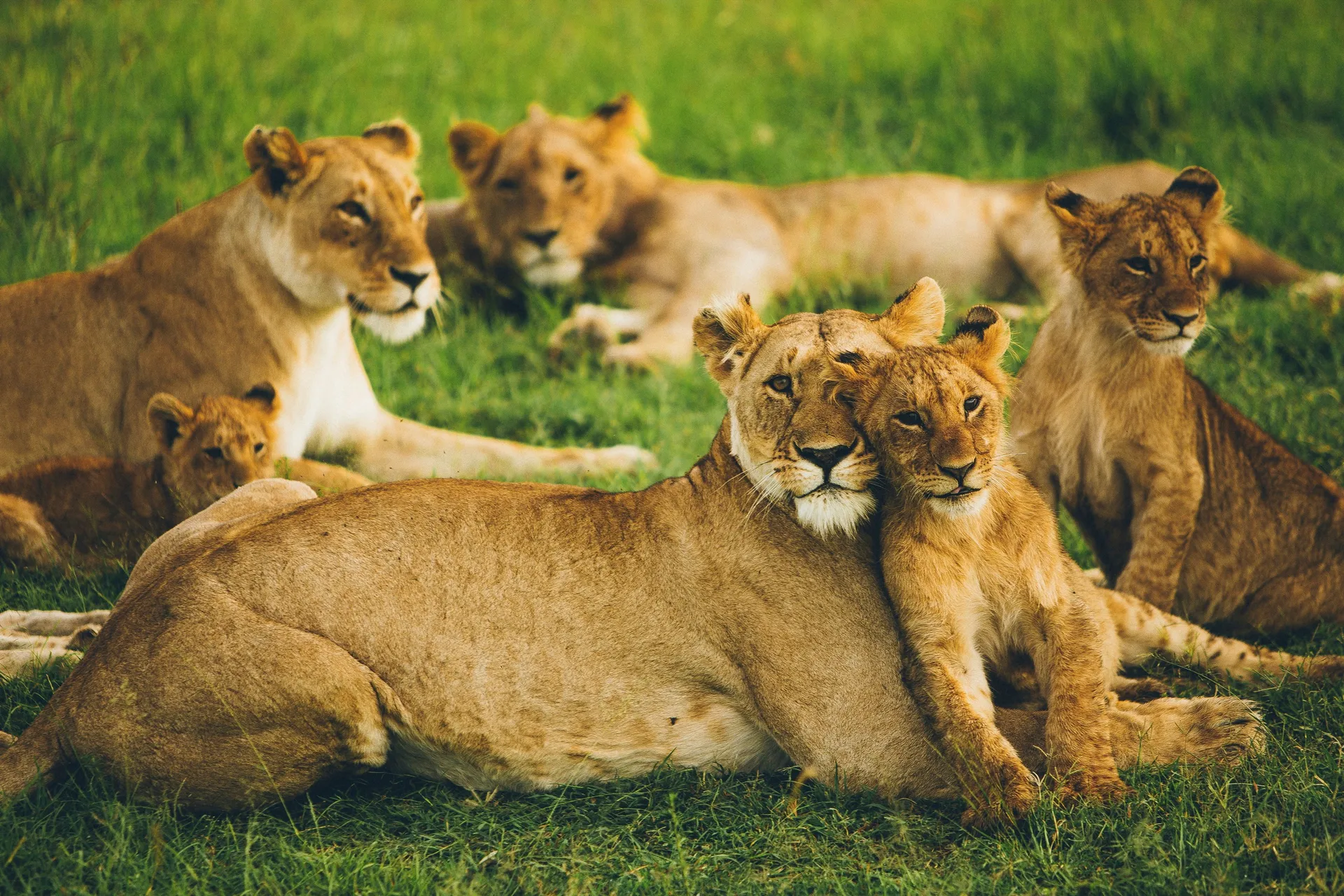
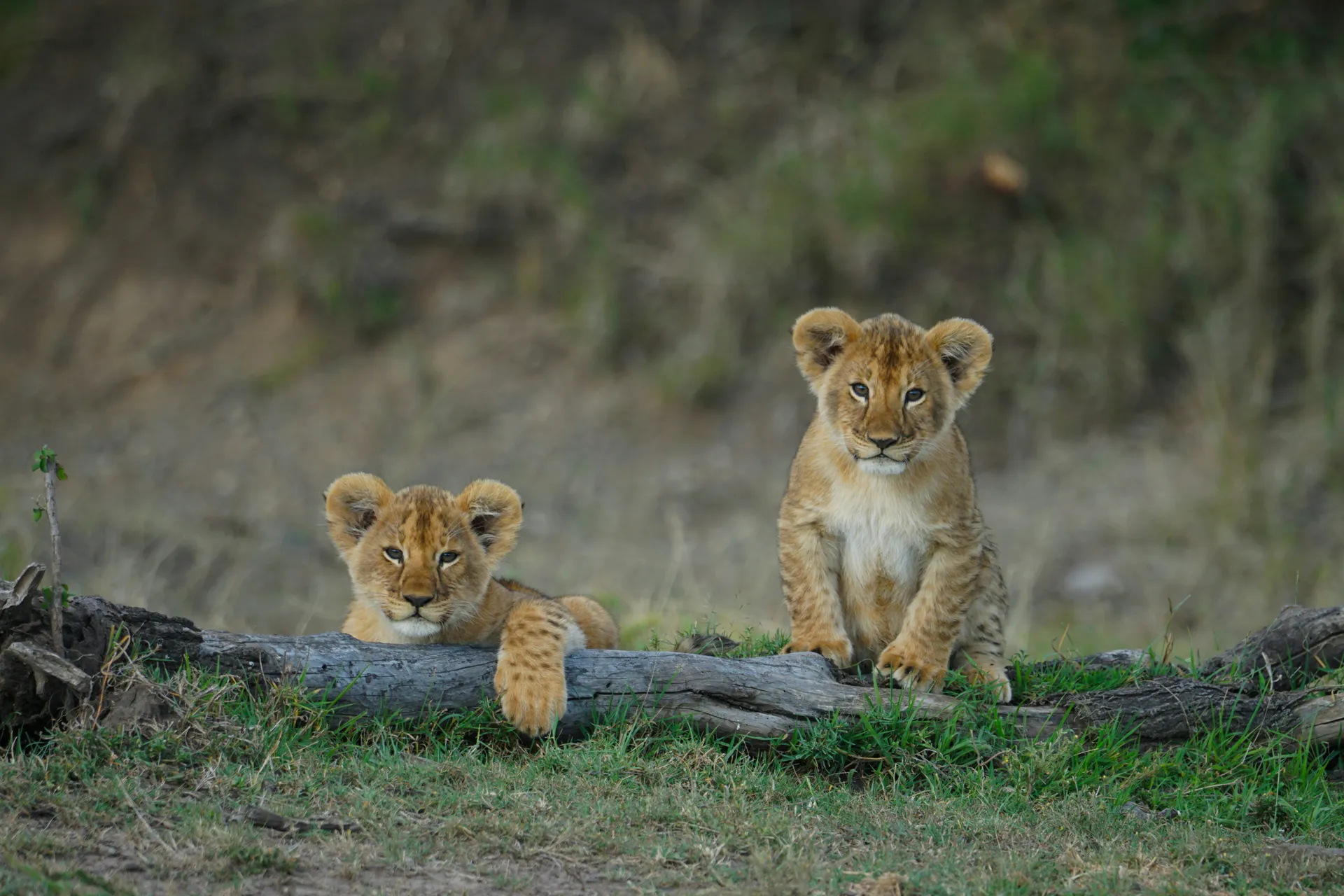
Beyond the migration, the Mara supports resident populations of predators in extraordinary numbers. Lions — an estimated four hundred in the greater Mara ecosystem — are more reliably seen here than anywhere else in Africa. Cheetahs hunt the open grasslands with explosive acceleration. Leopards drape themselves over the branches of sausage trees along the Mara River. Hyena clans maintain elaborate social hierarchies. The Mara is one of the last strongholds of the endangered African wild dog, whose painted coats and cooperative hunting strategies make them the most effective predators on the savanna.
The Maasai people, whose ancestral lands these are, remain central to the Mara experience. Their iconic red shúkà (cloaks), elaborate beadwork, and tall, lean physiques are as much a part of the Mara's visual identity as the wildlife. Community-owned conservancies adjacent to the national reserve — Olare Motorogi, Naboisho, and Mara North — offer exclusive traversing rights and lower vehicle densities, creating intimate safari experiences that honour Maasai land rights while supporting conservation and community development.
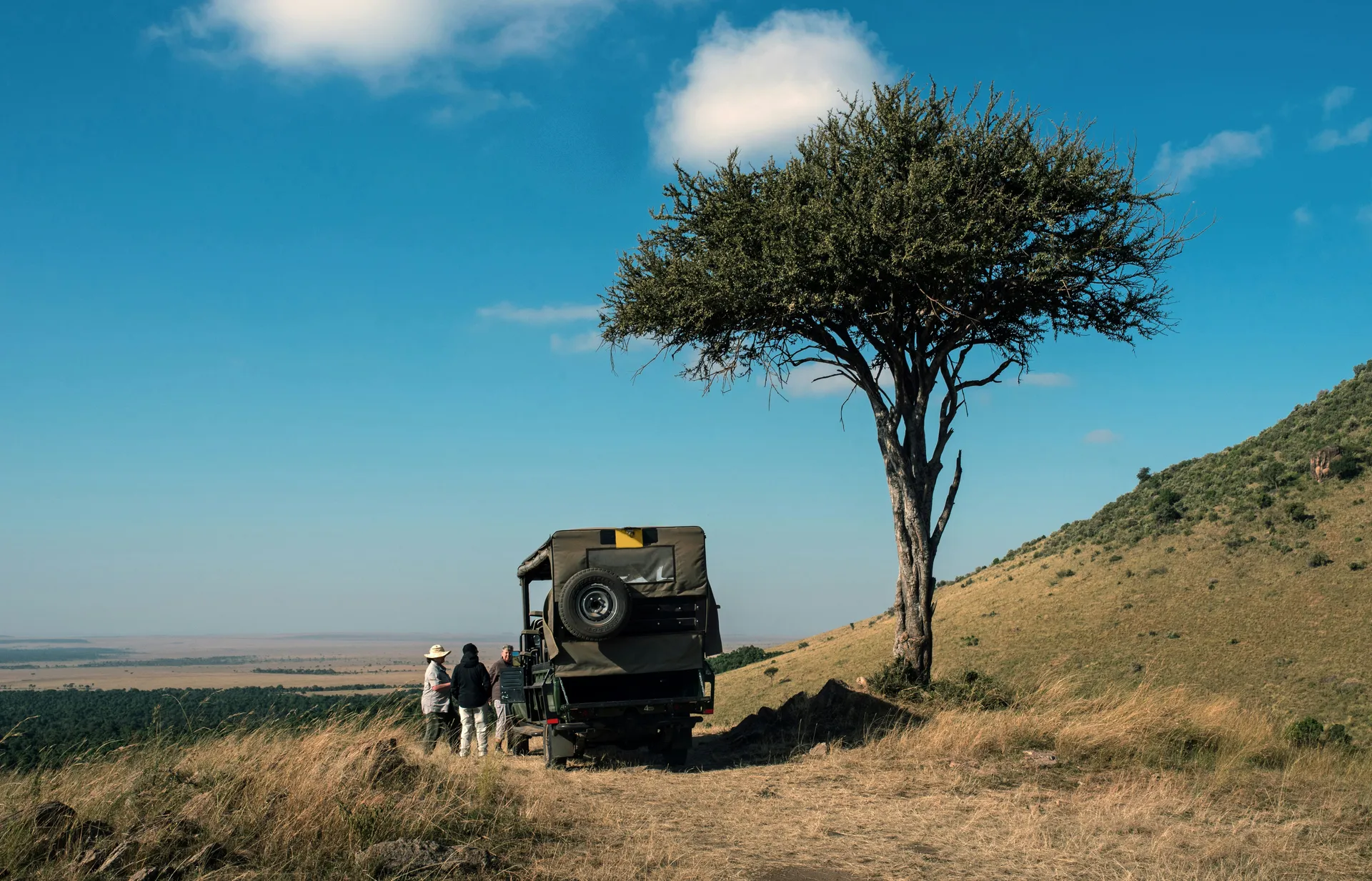
The Masai Mara is accessible by light aircraft from Nairobi (approximately one hour) or by road (five to six hours). Accommodation ranges from ultra-luxury tented camps with private plunge pools to more modest options that still provide comfort in the bush. The migration months of July through October are the peak season and must be booked well in advance. January through March offers excellent game viewing with fewer visitors, dramatic thunderstorms, and the calving season when hundreds of thousands of wildebeest give birth on the Serengeti plains.