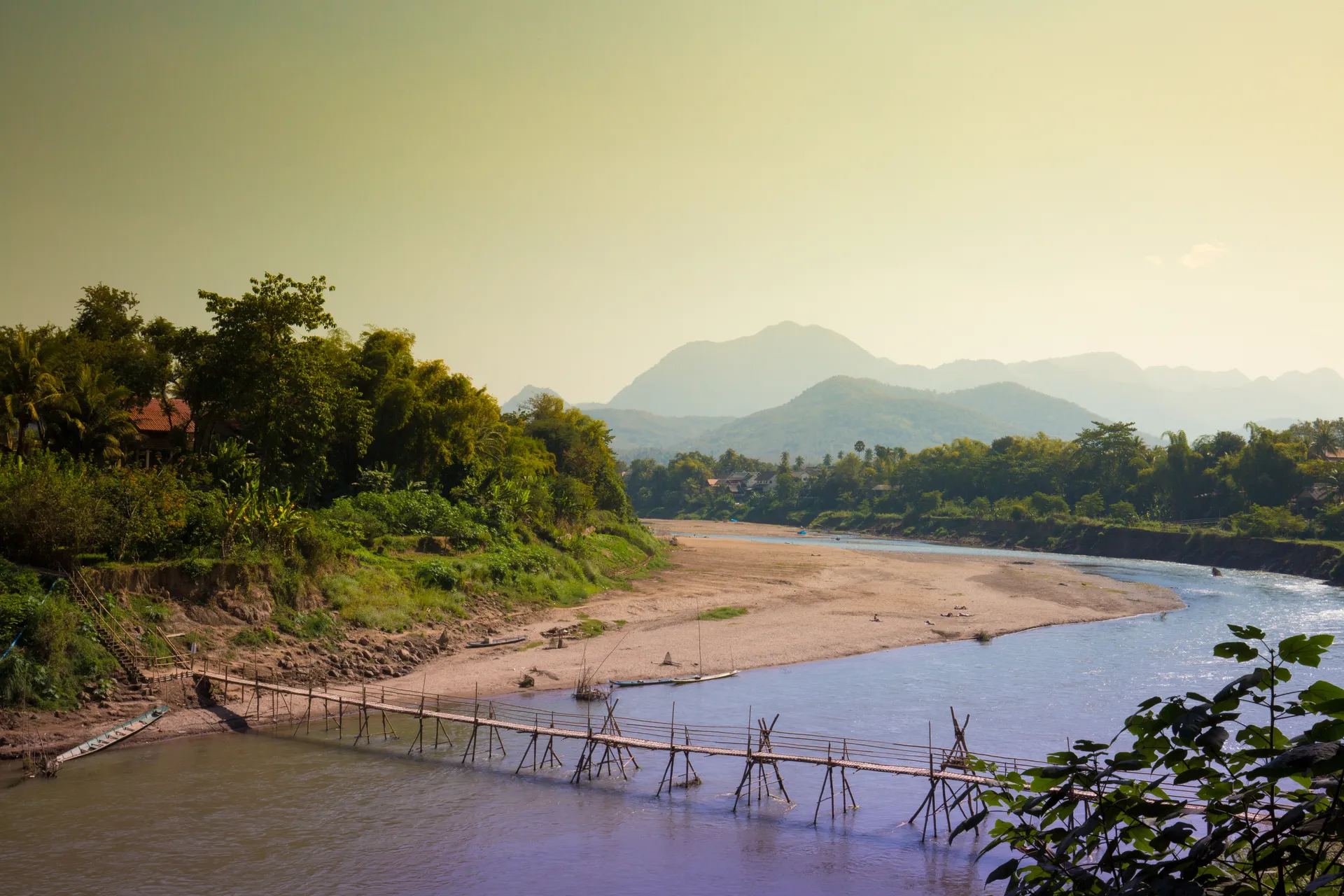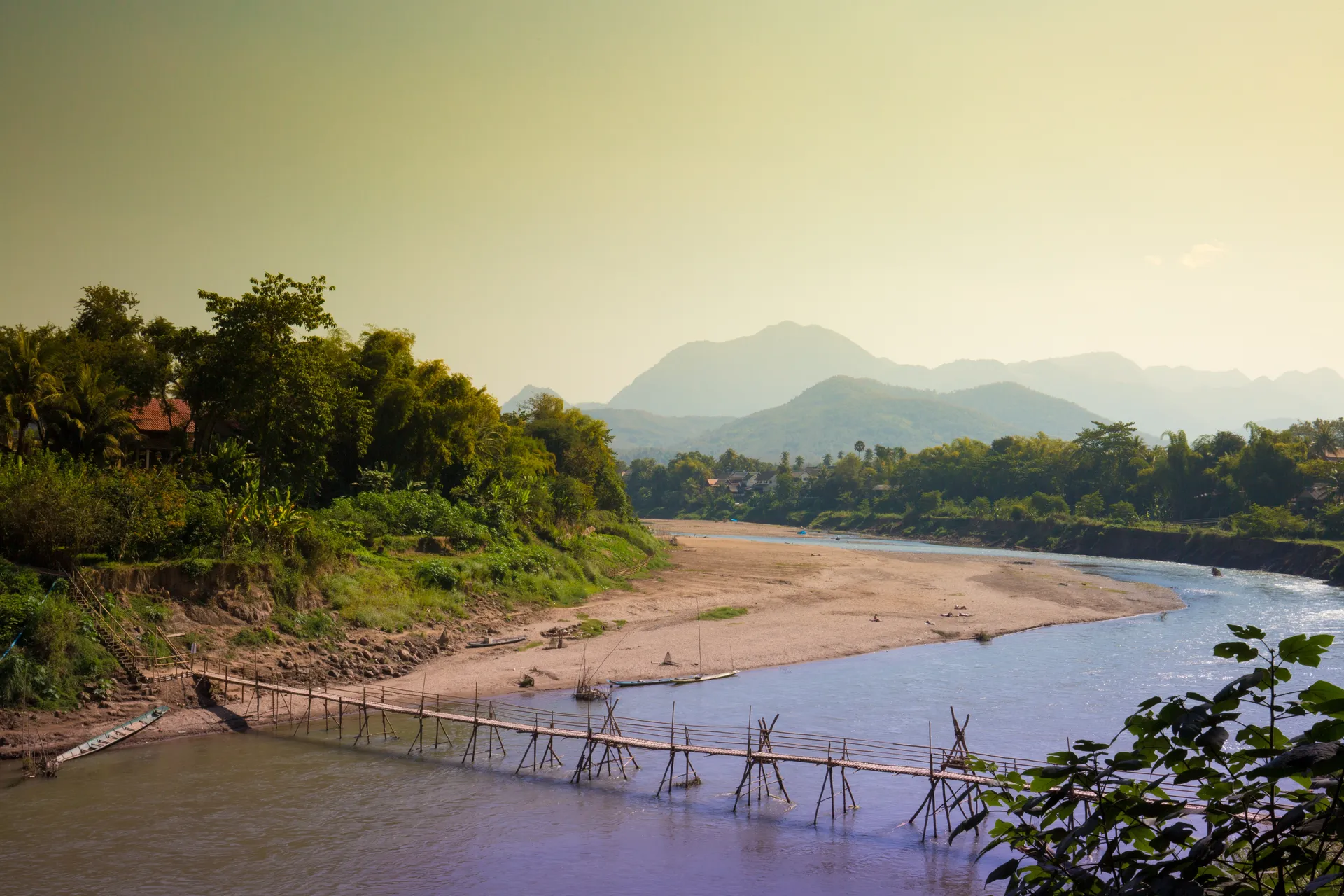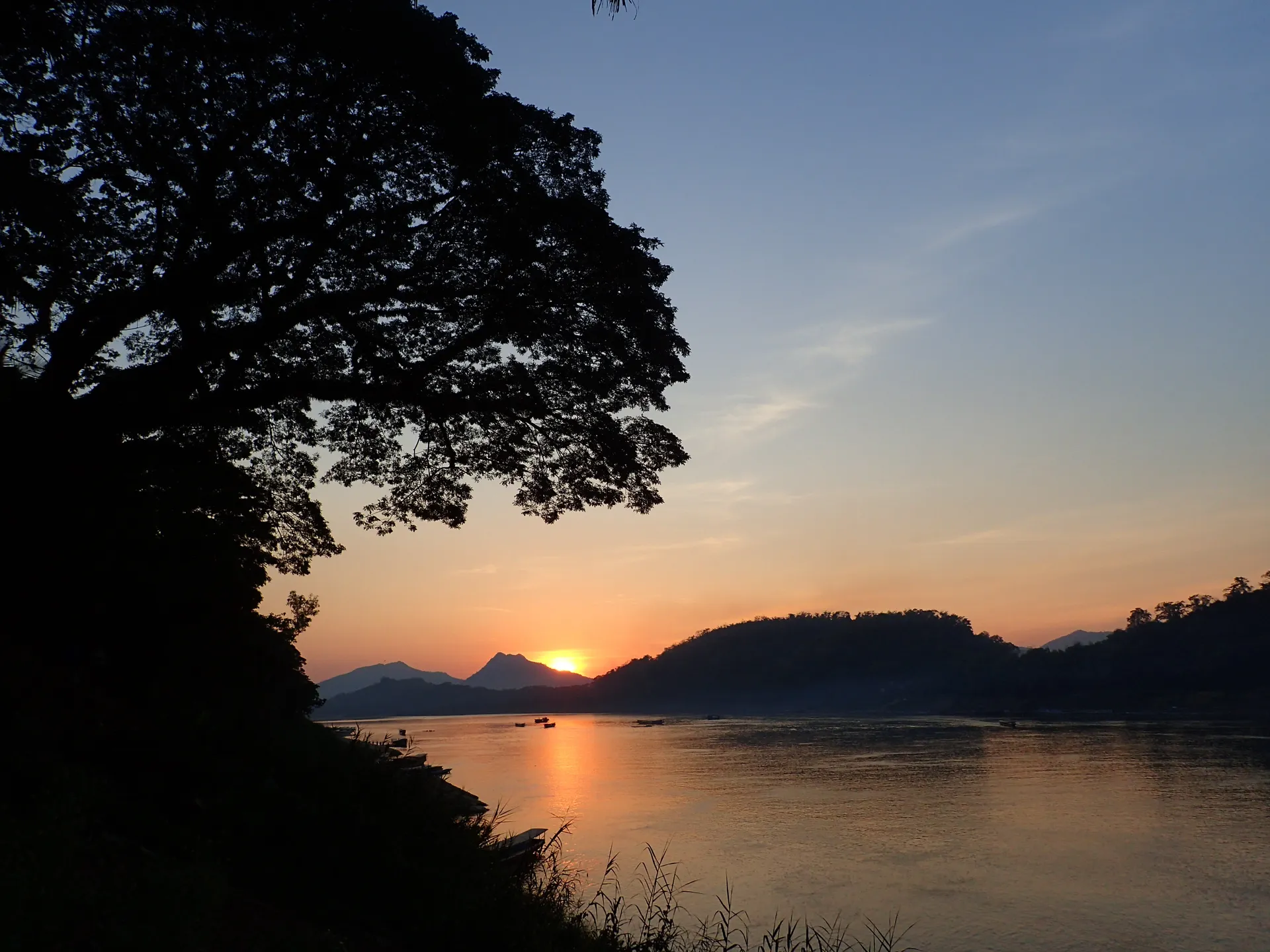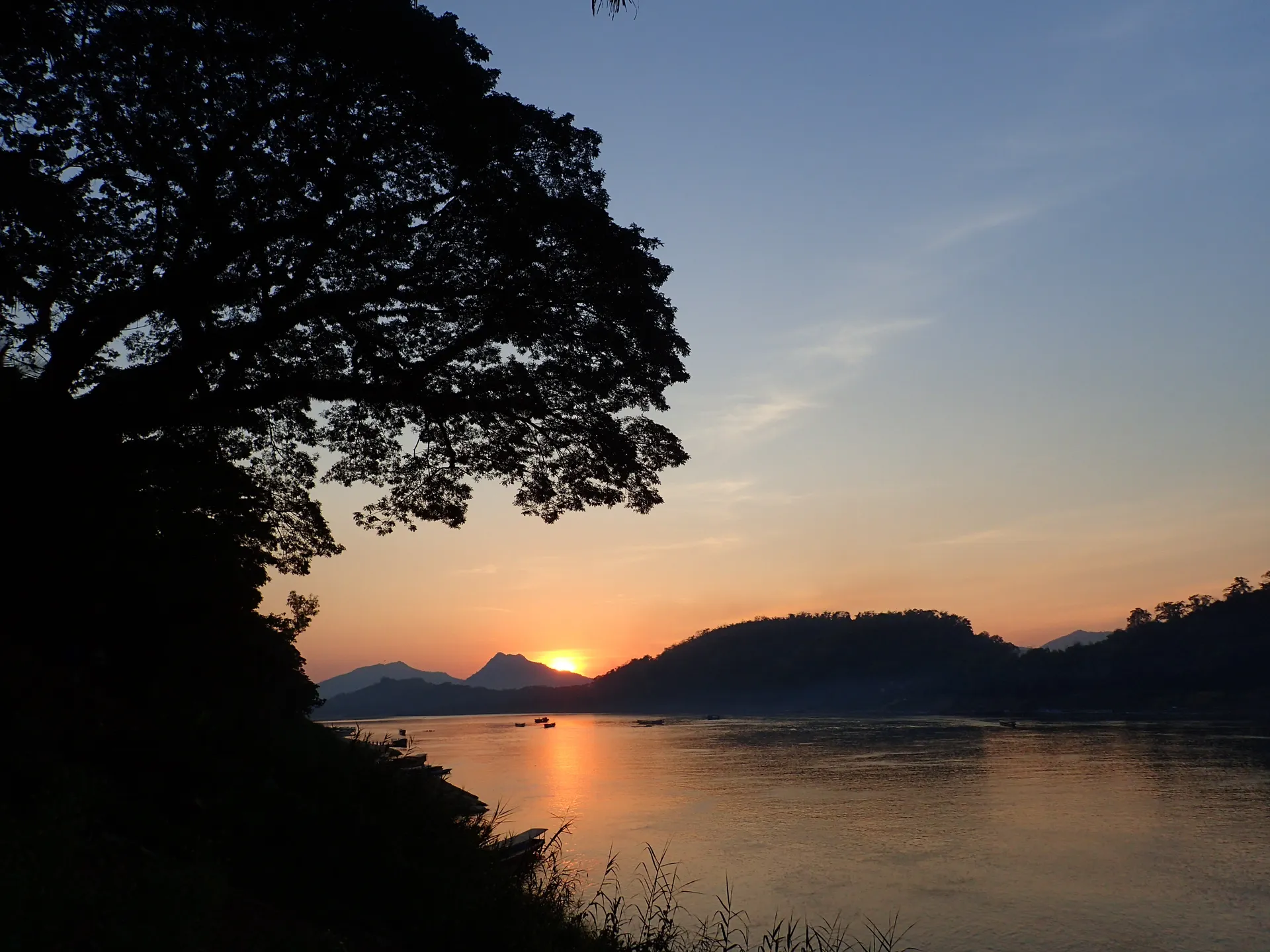
Luang Prabang lies at the confluence of the Mekong and Nam Khan rivers in a lush valley of northern Laos, wrapped in morning mists and the scent of frangipani. This UNESCO World Heritage city of just 50,000 souls is one of the best-preserved traditional towns in Southeast Asia, a place where saffron-robed monks still process through the streets at dawn collecting alms, where gilded temple spires rise above canopies of tropical hardwoods, and where the pace of life has remained gloriously, defiantly unhurried despite the arrival of boutique hotels and farm-to-table restaurants. It is, by almost universal agreement, one of the most enchanting small cities on earth.
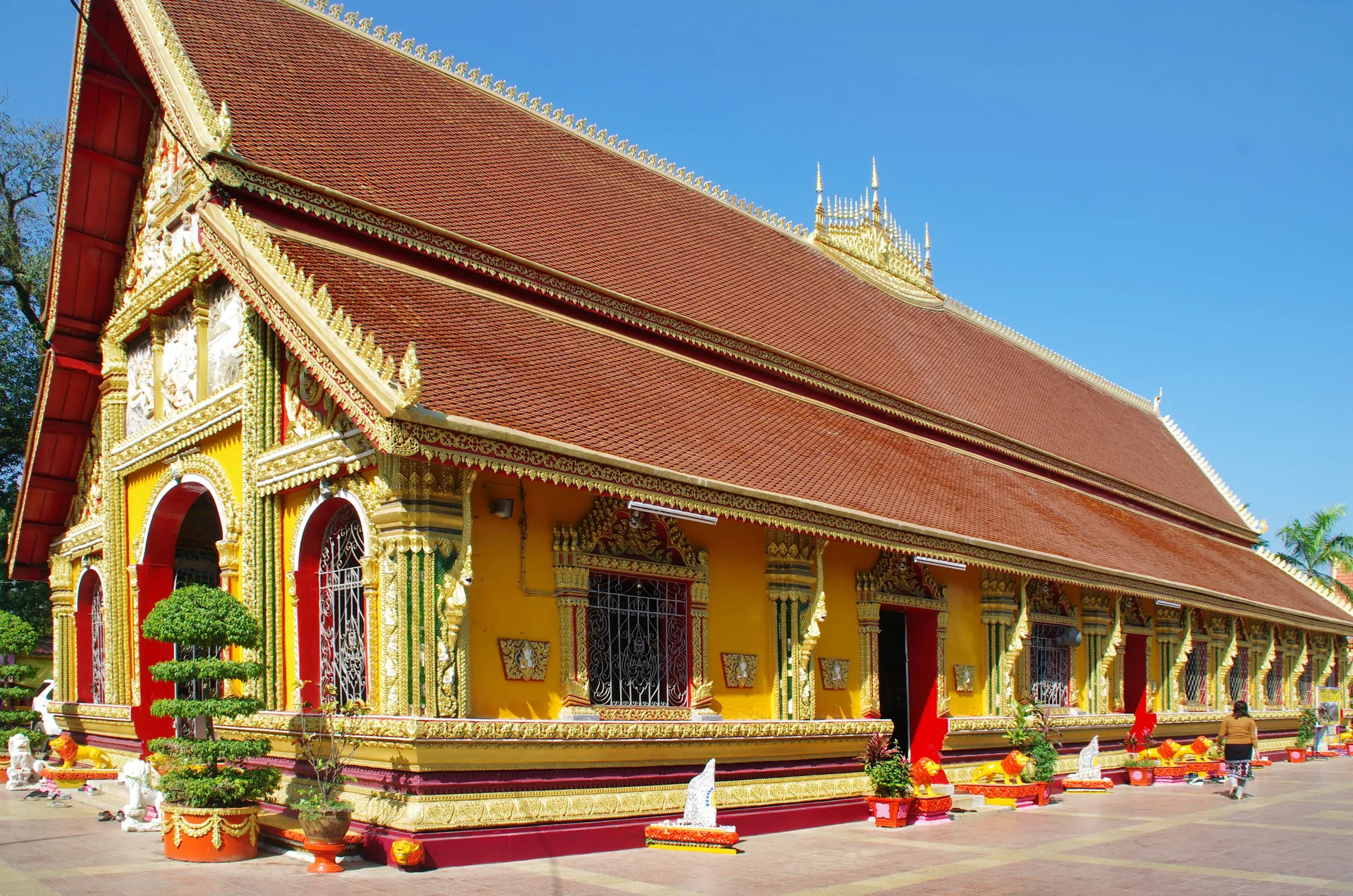
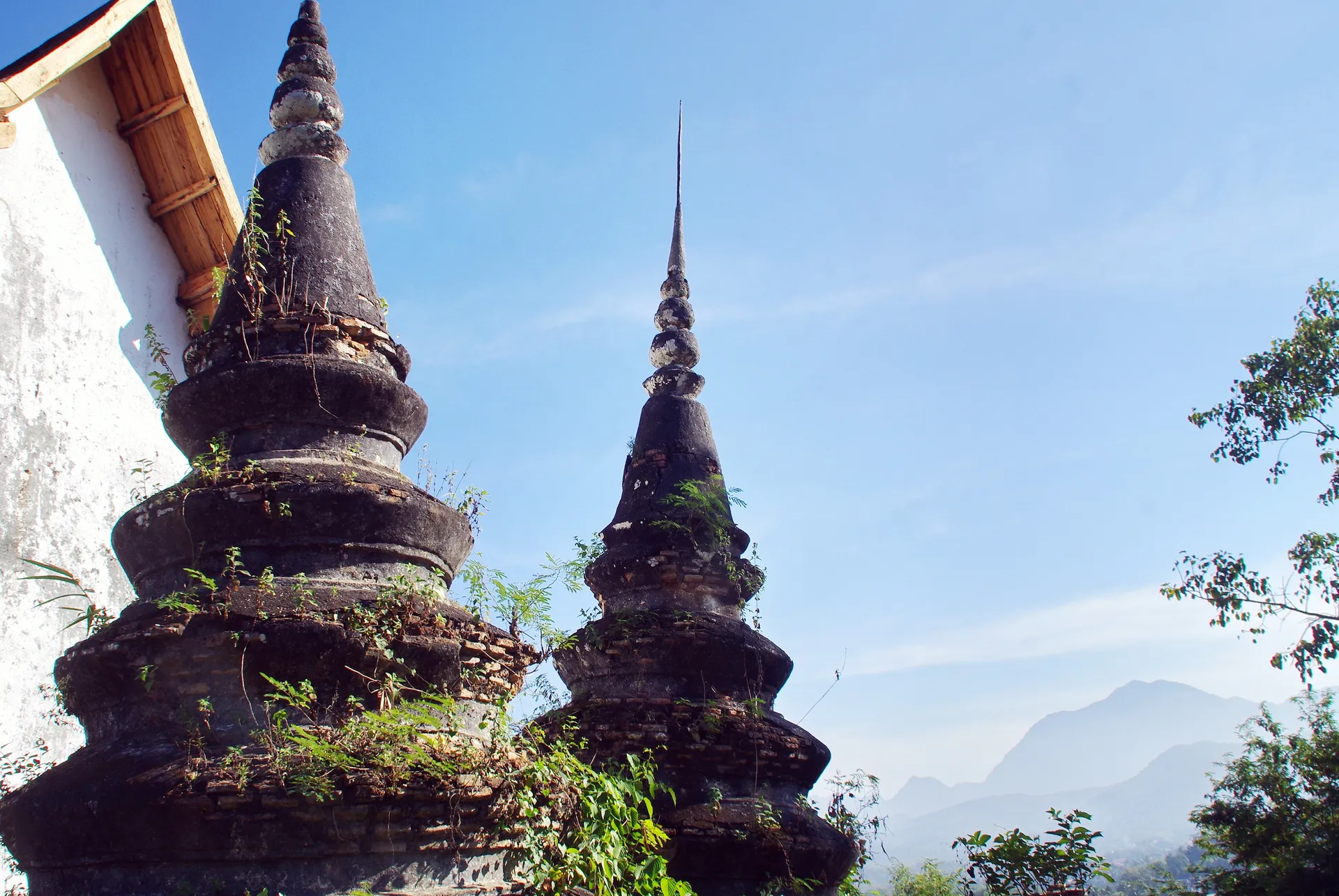
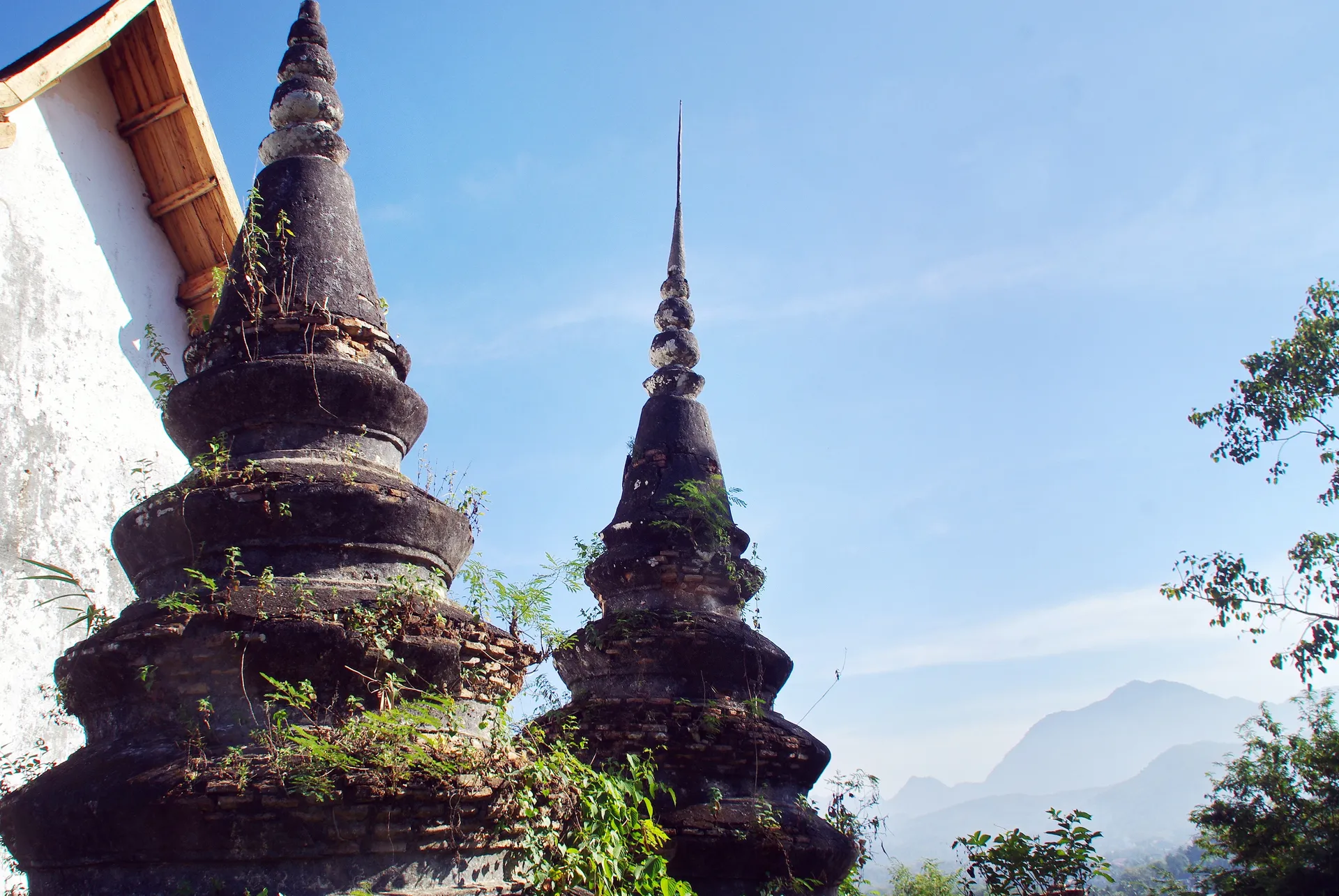
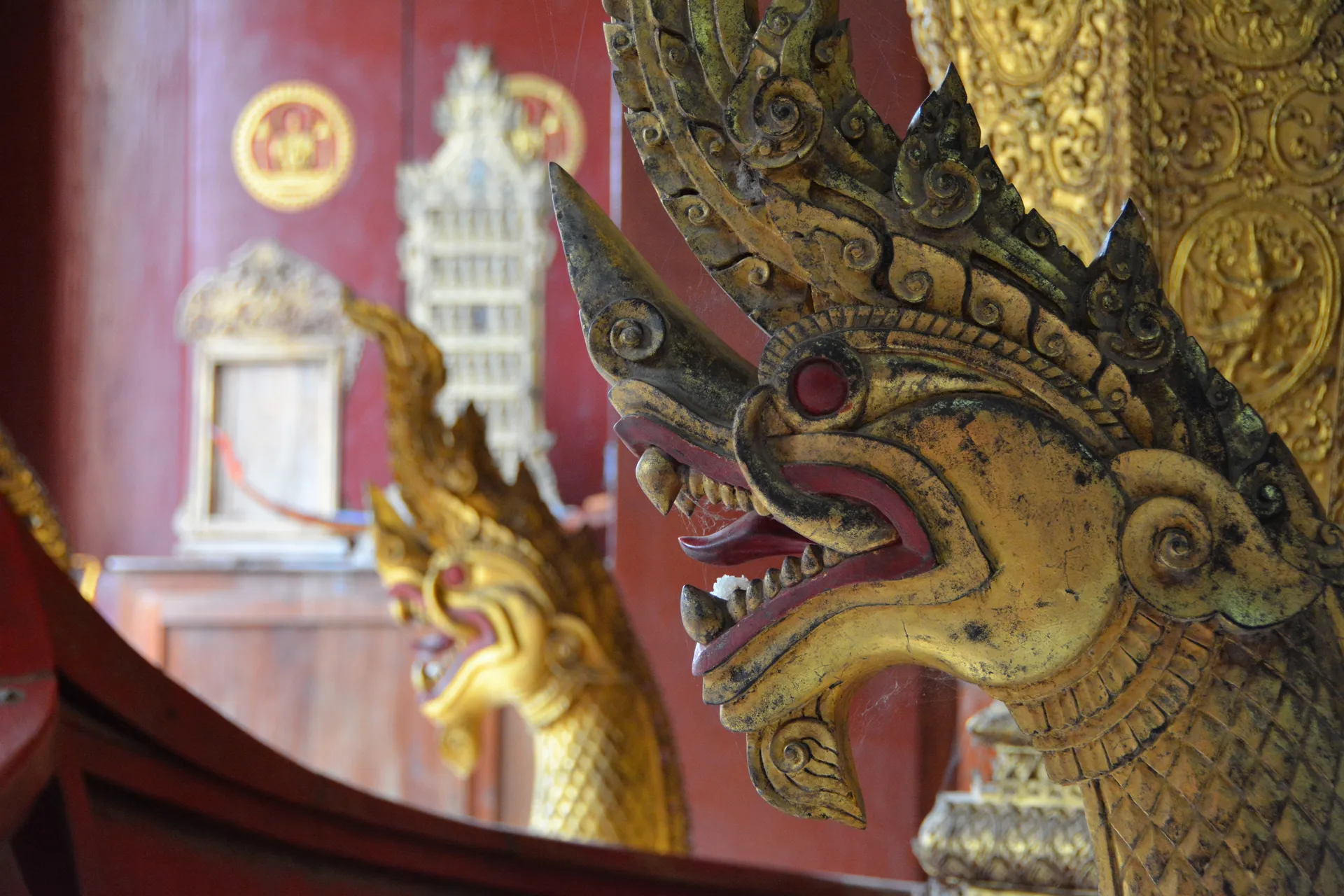
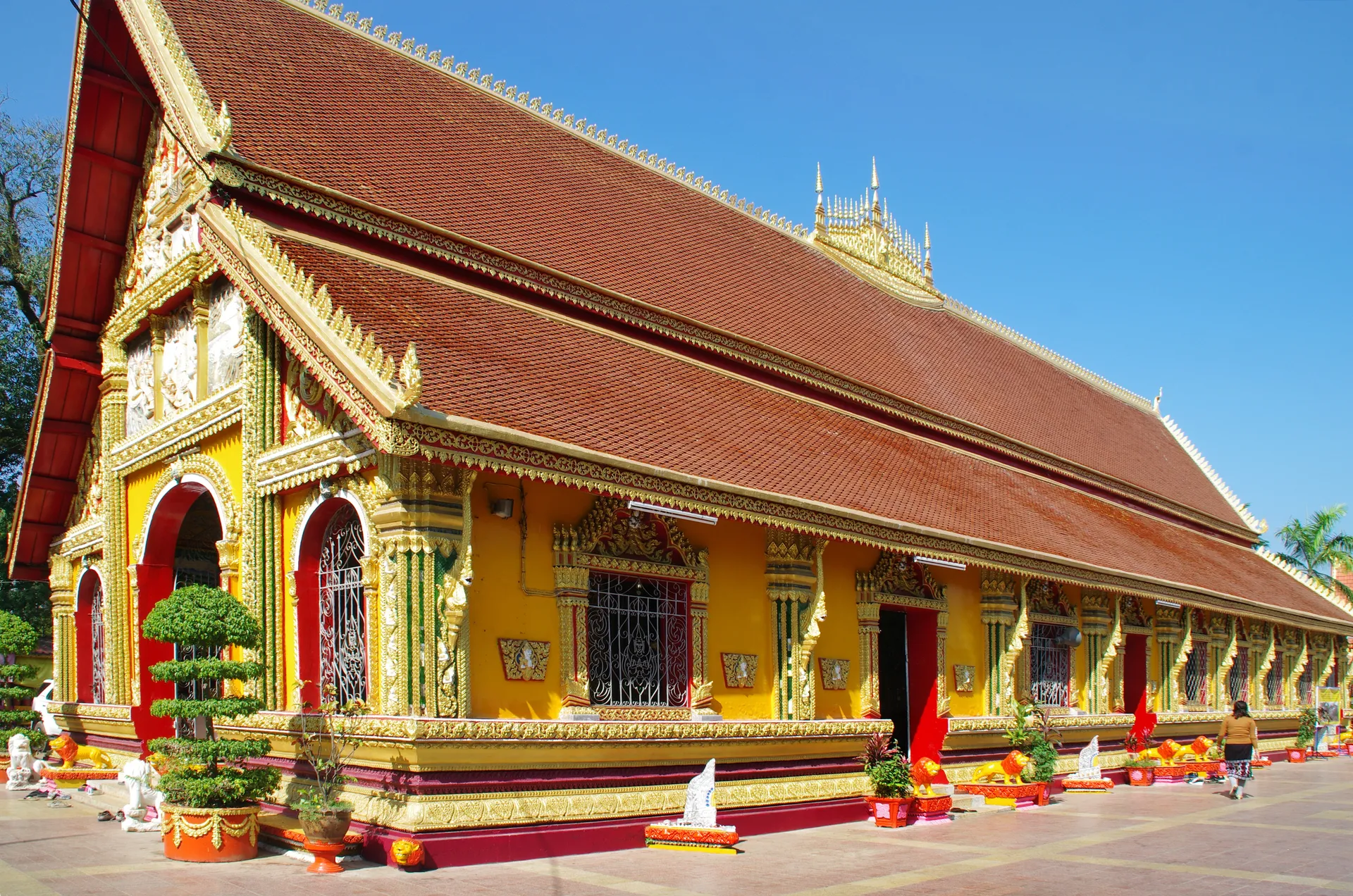
The spiritual geography of Luang Prabang is defined by its thirty-odd active Buddhist temples — a remarkable density for a town of this size. Wat Xieng Thong, the city's masterpiece, sits at the tip of the peninsula where the two rivers meet, its sweeping, multi-tiered roof curving nearly to the ground in the classic Luang Prabang style. Inside, gold-stencilled pillars and mosaic panels of coloured glass depict scenes from the Jataka tales and the life of the Buddha. Wat Mai, with its elaborate golden bas-relief façade, and Wat Visounnarath, the oldest temple in the city, are equally rewarding. But the most profound experience is simply rising before dawn and standing quietly in the half-light as the alms-giving procession — the tak bat — passes in silent reverence, a practice unchanged for centuries.
The cuisine of Luang Prabang is a revelation, drawing from Lao, Thai, Vietnamese, and French traditions in ways both surprising and exquisite. The morning market along the Mekong riverbank is a feast for the senses: vendors spread mounds of fragrant herbs, river fish, sticky rice in bamboo baskets, and the distinctive Luang Prabang sausages seasoned with lemongrass and galangal. Laap, a salad of minced meat or fish tossed with mint, chilli, and toasted rice powder, is the national dish and never tastes better than at a simple noodle shop overlooking the river. For something more refined, several French-colonial mansions have been converted into restaurants serving Mekong river prawns, buffalo tartare, and tasting menus that pair Lao flavours with French technique — a legacy of the colonial era that has aged, in culinary terms, rather beautifully.
The natural wonders around Luang Prabang are as compelling as the city itself. The Kuang Si Falls, thirty kilometres south, are a cascade of turquoise limestone pools tumbling through dense jungle — the water so impossibly blue it looks digitally enhanced, though it is simply the product of calcium carbonate dissolved in the limestone. A bear rescue centre at the falls shelters Asiatic black bears saved from the illegal wildlife trade. Upriver, the Pak Ou Caves, set into a limestone cliff at the junction of the Mekong and Nam Ou, house thousands of Buddha images deposited over centuries by pilgrims — a journey by longboat that passes through some of the most stirring river scenery in all of Asia.
Luang Prabang is a port of call for Emerald Cruises and Scenic River Cruises on their Mekong expedition itineraries. These voyages typically combine the city with the wider river journey through Laos and into Cambodia, offering an immersive experience of one of Southeast Asia's great waterways. The best time to visit is November through March, when the dry season brings cool mornings, clear skies, and the Mekong runs calm and navigable. The wet season (June through October) brings lush green landscapes and fuller waterfalls but can make river navigation more challenging. Luang Prabang is that rare destination that asks you to slow down, be still, and let beauty find you.