Where the crystalline waters of the Sauer surrender to the Moselle, the ancient settlement of Wasserbillig has stood sentinel since Roman times, its very name — derived from the Latin *aquae biliacum* — testifying to an identity shaped by converging currents. Roman legions once traversed this strategic confluence along their military roads linking Trier to the heartland of Gaul, and fragments of their passage endure in archaeological finds scattered throughout the surrounding hillsides. It is a place where European history pools quietly, undisturbed by the centuries that have flowed past.
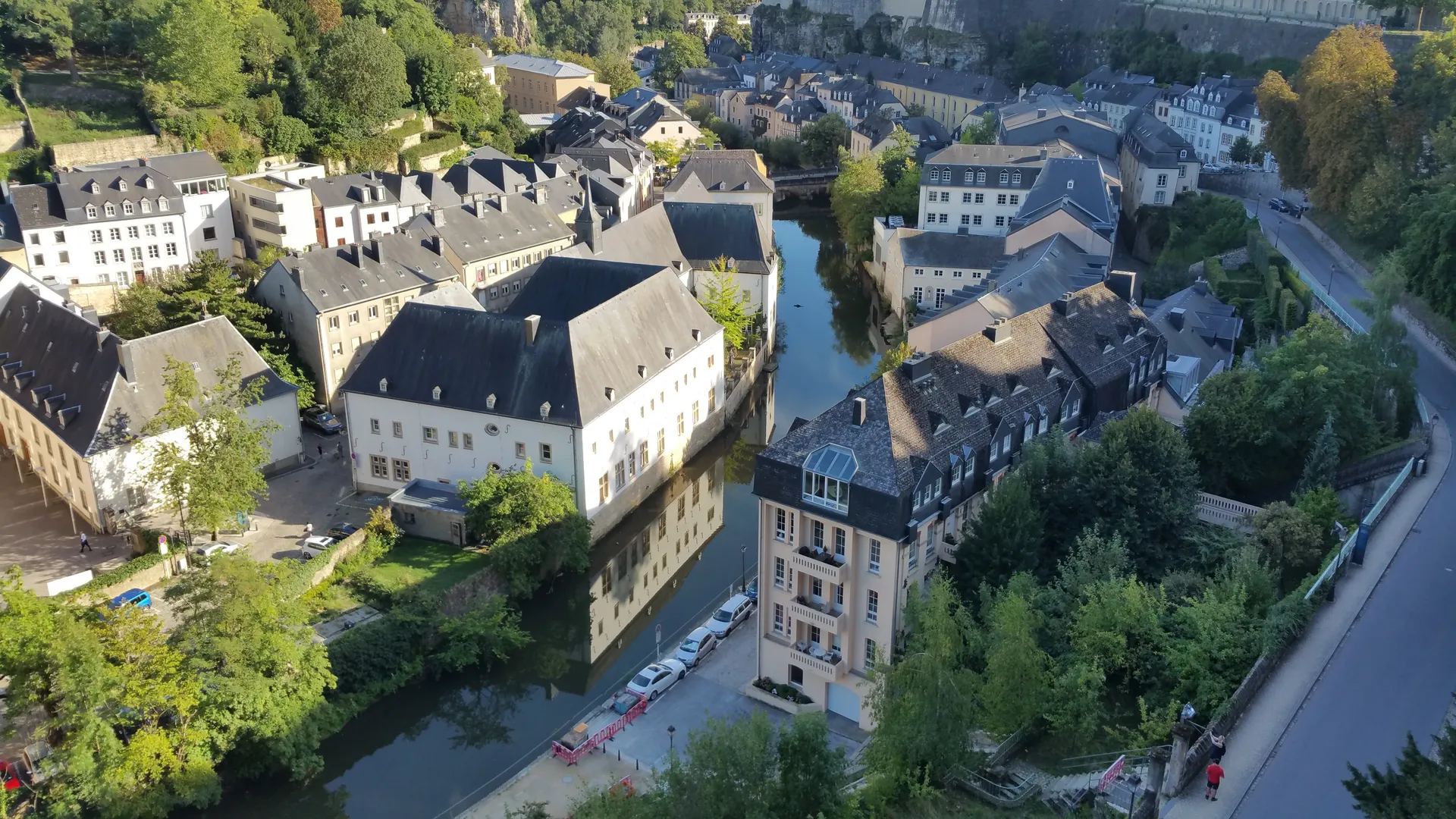
Today, Wasserbillig occupies a singular position on the Luxembourg-German border, a town of unhurried grace where vineyard-draped slopes tumble toward mirror-still waters. The compact centre reveals itself in modest stone facades and flower-laden terraces, the kind of place where a morning coffee stretches luxuriously into midday without apology. Freight barges and pleasure craft share the river in an unspoken choreography, while cyclists trace the Moselle's edge along immaculate paths that seem designed expressly for leisurely contemplation. There is no pretence here — only the quiet confidence of a town that has never needed to announce its considerable charms.
The cuisine of Wasserbillig draws from the deep well of Luxembourgish and Moselle tradition, elevated by proximity to some of the Grand Duchy's finest vineyards. Begin with *Gromperekichelcher* — golden, crisp potato fritters seasoned with parsley and shallot, served piping hot from village kitchens — before progressing to *Judd mat Gaardebounen*, the national dish of smoked pork collar braised to silken tenderness alongside broad beans in a velvety cream sauce. The local Moselle wines, particularly the elegant Rieslings and Auxerrois from nearby cooperative cellars, pair with effortless precision. For something sweet, seek out *Quetschentaart*, a damson plum tart whose deep, jammy intensity captures the essence of Luxembourg's orchards in a single bite.
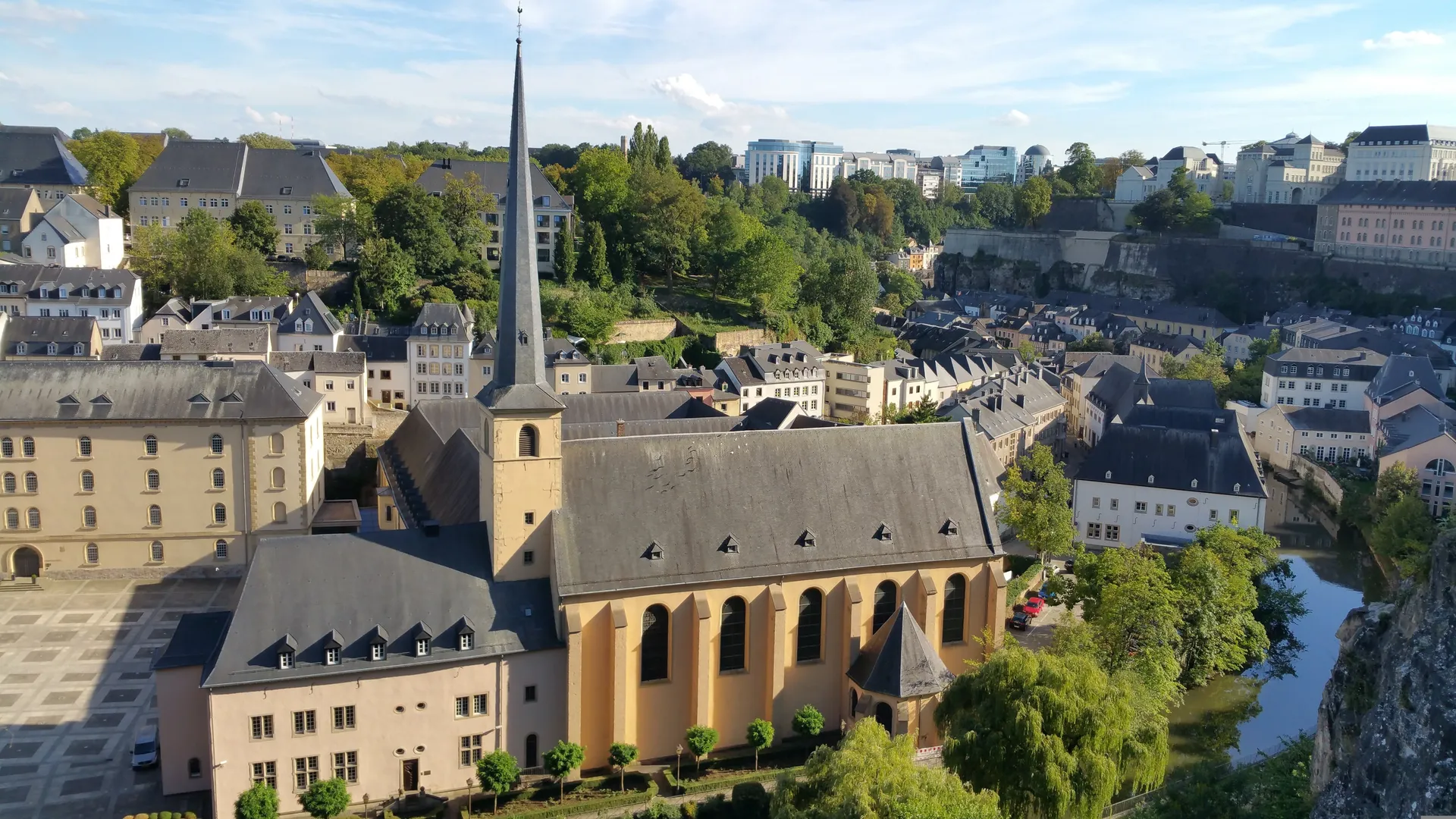
The surrounding region unfolds like a curated anthology of European pleasures. A short journey south along the Moselle leads to Grevenmacher, where the Butterfly Garden houses exotic species beneath glass domes and the annual wine festival transforms the riverfront into a celebration of terroir and tradition. Continue further to Remich, the self-proclaimed "Pearl of the Moselle," where cave tours through Bernard-Massard's champagne-method cellars reveal the sophistication of Luxembourg's sparkling wine production. Inland, Luxembourg City itself awaits — its UNESCO-listed old quarters, the dramatic Bock Casemates carved into sandstone cliffs, and the modernist splendour of the Mudam contemporary art museum composing an irresistible cultural triptych barely thirty minutes from Wasserbillig's riverbanks.
For travellers arriving by water, Wasserbillig serves as an intimate portal to the Moselle wine region aboard AmaWaterways' elegant river vessels. AmaWaterways' curated excursions transform this unassuming confluence town into a springboard for vineyard walks, private tastings at family-run domaines, and cycling adventures along one of Europe's most scenic river paths. The compact scale of the town means that passengers step from ship to shoreline and into the landscape within moments — no transfer coaches, no intermediary bustle, simply the river, the vines, and the unhurried rhythm of a place that rewards those who arrive slowly. It is precisely this quality of intimate discovery that distinguishes a Moselle itinerary from the grander, busier waterways of the Rhine or Danube.
Wasserbillig will never compete with Europe's headline destinations for sheer spectacle, and therein lies its exquisite appeal. This is a place for the traveller who has seen the great capitals and now craves something more nuanced — the play of afternoon light across a vineyard slope, the mineral freshness of a Riesling tasted at its source, the sound of two rivers meeting beneath a medieval bridge. In an era of overwrought tourism, Wasserbillig offers the rarest luxury of all: authentic, unperformed beauty, available to anyone willing to let the current carry them to this quietly magnificent corner of the Grand Duchy.