Île aux Nattes — known in Malagasy as Nosy Nato — floats just off the southern tip of Île Sainte-Marie like a jewel that fell from a pirate's pocket. And pirates are precisely the point: Île Sainte-Marie (Nosy Boraha) was one of the Indian Ocean's most notorious pirate havens in the late 17th and early 18th centuries, home to legendary figures like Captain Kidd, Thomas Tew, and the shadowy Libertalia commune. Île aux Nattes, barely two kilometres across, served as an anchorage and careening ground where ships were beached and scraped clean of barnacles. Today, the pirates are long gone, but their legacy lingers in the cemetery on Sainte-Marie and in the romantic lawlessness of an island that still has no cars, no paved roads, and an attitude toward timekeeping that would make any self-respecting buccaneer smile.
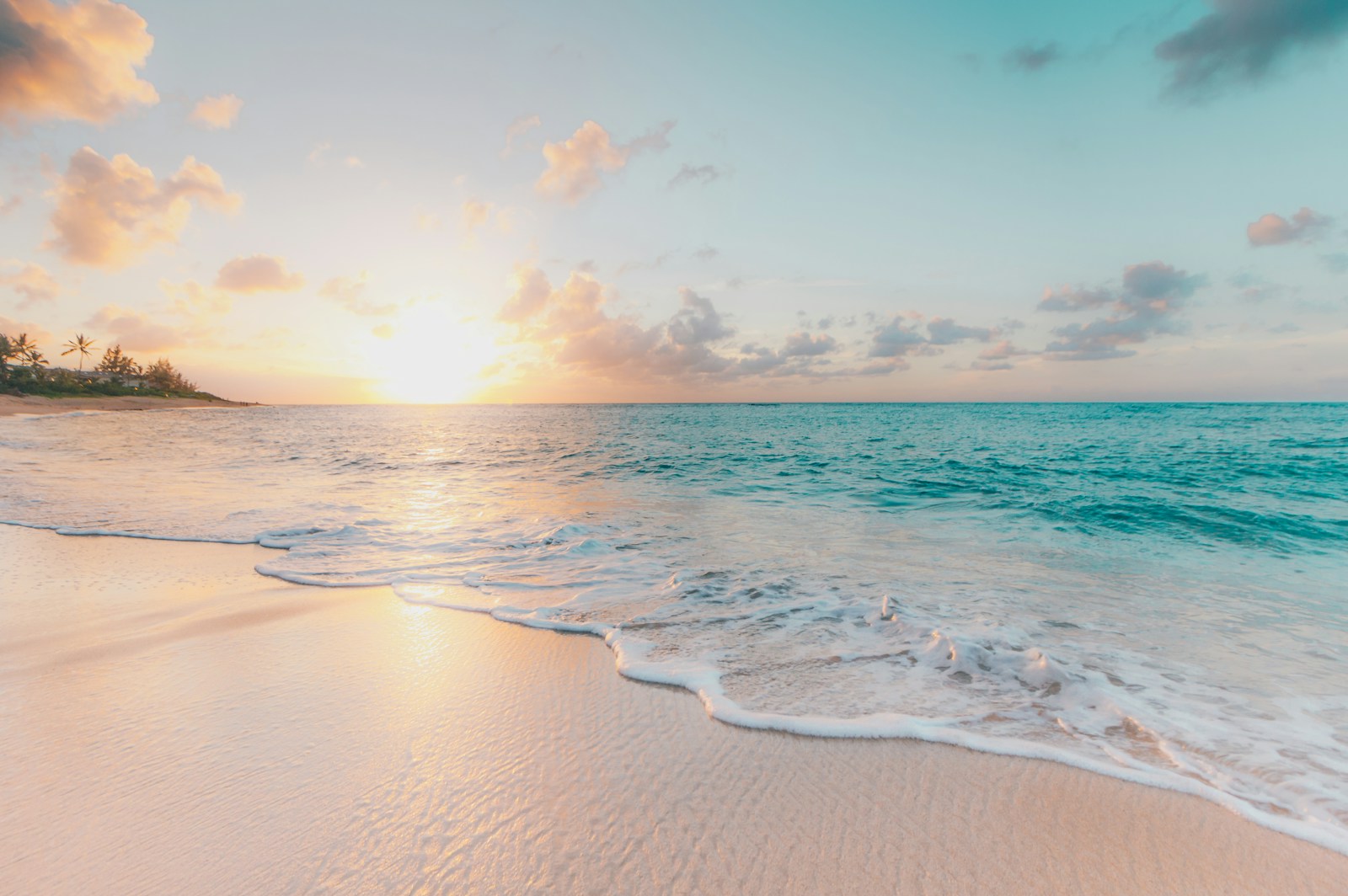
Reaching Île aux Nattes requires wading across a shallow channel at low tide or taking a pirogue — a carved wooden canoe — at high water, and this small act of disconnection from the modern world sets the tone for everything that follows. The island is a Robinson Crusoe fantasy rendered in tropical colour: coconut palms lean over beaches of powder-white sand, vanilla orchids climb the trunks of ylang-ylang trees, and the surrounding reef creates a natural swimming pool of bathwater-warm turquoise. There are no resorts, no concrete — just a handful of family-run bungalows built from traveller's palm and ravenala, the fan-shaped tree that is Madagascar's national emblem, where the daily rhythm is dictated by the tides and the availability of the morning's fish catch.
The marine life surrounding Île aux Nattes is remarkably rich for such a small island. The reef teems with butterflyfish, angelfish, and the electric-blue starfish that have become the island's unofficial mascot. Between July and September, humpback whales migrate from Antarctic feeding grounds to these warm waters to calve and nurse their young, and the sight of a mother whale breaching in the channel between the islands — a leap of 40 tonnes that sends spray cascading across the water — is one of the great wildlife spectacles of the Indian Ocean. Sea turtles nest on the quieter eastern beaches, and lucky snorkellers occasionally encounter whale sharks cruising the reef edge.
Madagascar's culinary traditions, among the most distinctive in Africa, are beautifully represented on Île aux Nattes despite its tiny size. Rice — vary in Malagasy — is the foundation of every meal, served with laoka (accompaniments) that might include romazava (a fragrant stew of zebu beef, leafy greens, and ginger), grilled lobster purchased directly from fishermen at dawn, or ravitoto (cassava leaves pounded with coconut milk and pork). The vanilla grown on these islands is arguably the finest in the world — Bourbon vanilla from Madagascar's northeast coast commands international premiums — and appears in everything from the morning coffee to the coconut flan that serves as the island's unofficial dessert. Rum infused with vanilla, lychee, or wild honey, known as rhum arrangé, accompanies the sunset ritual on every bungalow terrace.
Île aux Nattes is reached via tender or Zodiac from cruise ships anchoring off Île Sainte-Marie, with passengers landing directly on the beach. The best time to visit is from July through October, which coincides with the dry season and the humpback whale migration. The wet season from January through March brings cyclone risk and heavy rainfall that can make the island's dirt paths impassable. This is a destination for those who measure luxury not in thread count but in the absence of alarm clocks — a place where the most demanding decision of the day is whether to snorkel before or after the coconut flan.

