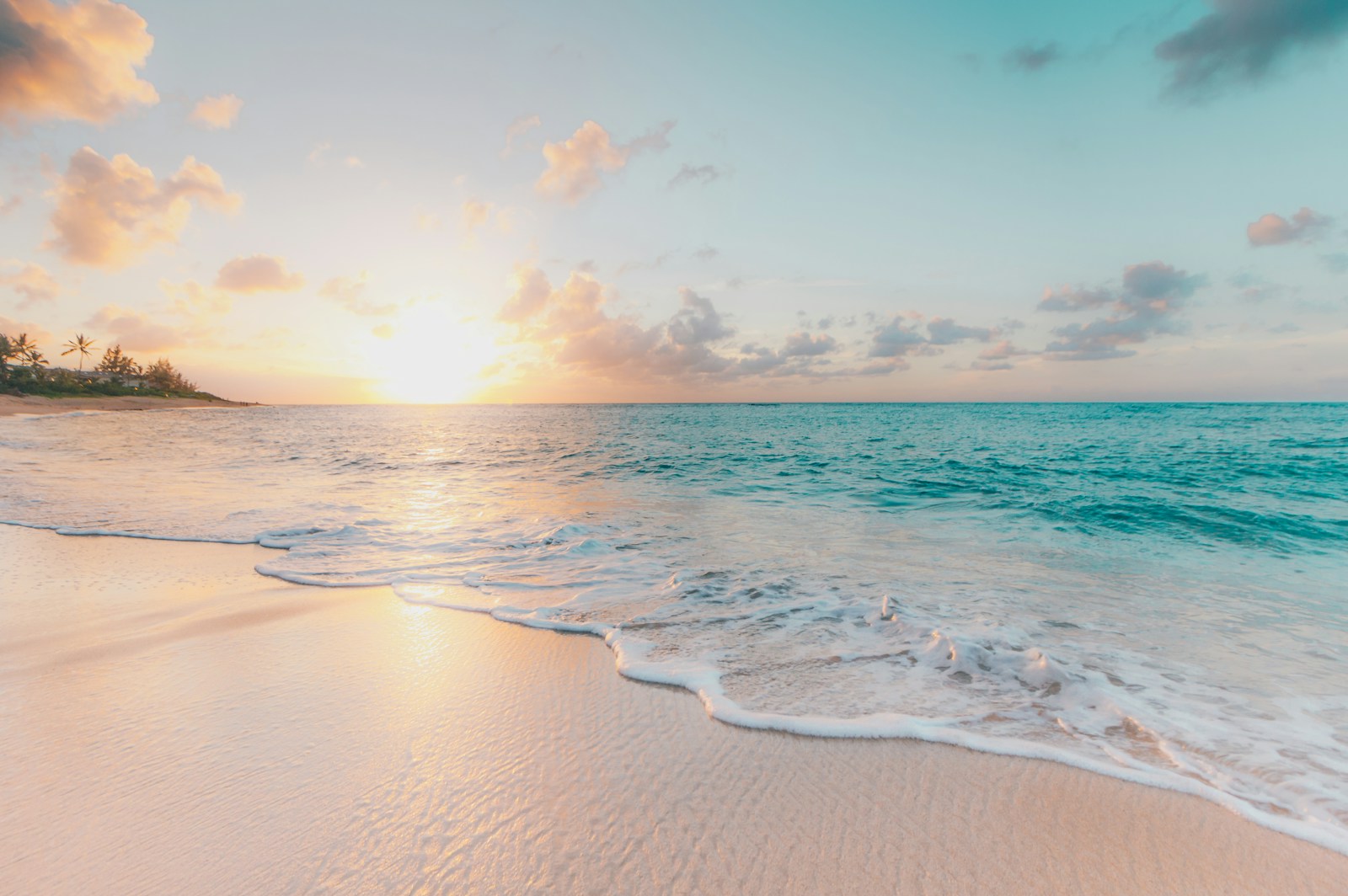
Nosy Boraha — better known by its French colonial name Île Sainte-Marie — is a narrow, palm-studded island lying eight kilometers off Madagascar's northeastern coast, a place where the Indian Ocean laps at beaches of white sand, the interior is a tangle of cloves, vanilla, and cinnamon, and the history reads like a swashbuckling novel. For approximately fifty years spanning the late seventeenth and early eighteenth centuries, Île Sainte-Marie served as one of the great pirate havens of the Indian Ocean — a base from which English, French, American, and other freebooters raided the treasure-laden ships of the Mughal Empire, the East India Company, and anyone else who ventured into the shipping lanes between India, Arabia, and the Spice Islands.
The pirate cemetery at the island's southern tip is the most tangible reminder of this era — weathered headstones, some carved with skull-and-crossbones motifs, marking the graves of men who terrorized the Indian Ocean from this unlikely tropical base. The cemetery is small, overgrown, and atmospheric, its crumbling stones set among coconut palms and frangipani trees that have grown between the graves over three centuries. Nearby, the fortified islet of Île aux Forbans (Pirates' Island), connected to Sainte-Marie by a sandy causeway at low tide, is said to have served as the pirates' main stronghold. Captain William Kidd, Henry Every, Thomas Tew, and the legendarily democratic pirate republic of Libertalia (whose historical existence is debated) all figure in the island's colorful history.
The culinary traditions of Île Sainte-Marie blend Malagasy cooking with French and Creole influences. Ravitoto (pork stewed with cassava leaves) and romazava (a green-leaf stew with zebu beef) are the national dishes of Madagascar, served here with the island's own additions: vanilla-scented sauces, seafood in coconut curry, and the extraordinary Malagasy chocolate that has recently gained international recognition. The spice gardens that cover much of the island's interior produce cloves, cinnamon, pepper, and vanilla — Île Sainte-Marie vanilla, hand-pollinated and sun-cured, is among the finest in the world. Fresh seafood — lobster, crab, prawns, and the daily catch of reef fish — is grilled simply with lime and chili at beachside restaurants where the sound of the ocean provides the only ambient music.
The island's greatest natural spectacle occurs between July and September, when humpback whales arrive from the Antarctic to breed and calve in the warm, sheltered waters off the eastern coast. Île Sainte-Marie is one of the world's premier whale-watching destinations, with the animals approaching so close to shore that they can sometimes be observed from the beach. Boat excursions provide closer encounters — the sight of a forty-ton humpback breaching entirely clear of the water, crashing back in an explosion of white spray, is one of the most dramatic wildlife spectacles on Earth. The island's coral reefs, while not as extensive as those on Madagascar's western coast, provide good snorkeling, and the coastal mangroves support a population of Madagascar's endemic lemurs.
Île Sainte-Marie is reached by daily flights from Antananarivo (Madagascar's capital, approximately one hour) and by seasonal charter flights. A ferry connects the island to the mainland town of Soanierana Ivongo (erratic schedule, approximately two hours). Accommodation ranges from simple beachside bungalows to several comfortable eco-lodges. The dry season from April to November offers the most pleasant weather, with whale season (July–September) providing the headline attraction. The wet season (December–March) brings cyclone risk and heavy rainfall. The island's infrastructure is modest — power outages are common, hot water is not guaranteed, and mobile connectivity is limited — but these inconveniences are the price of authenticity in a destination that retains the genuine character of island Madagascar.

