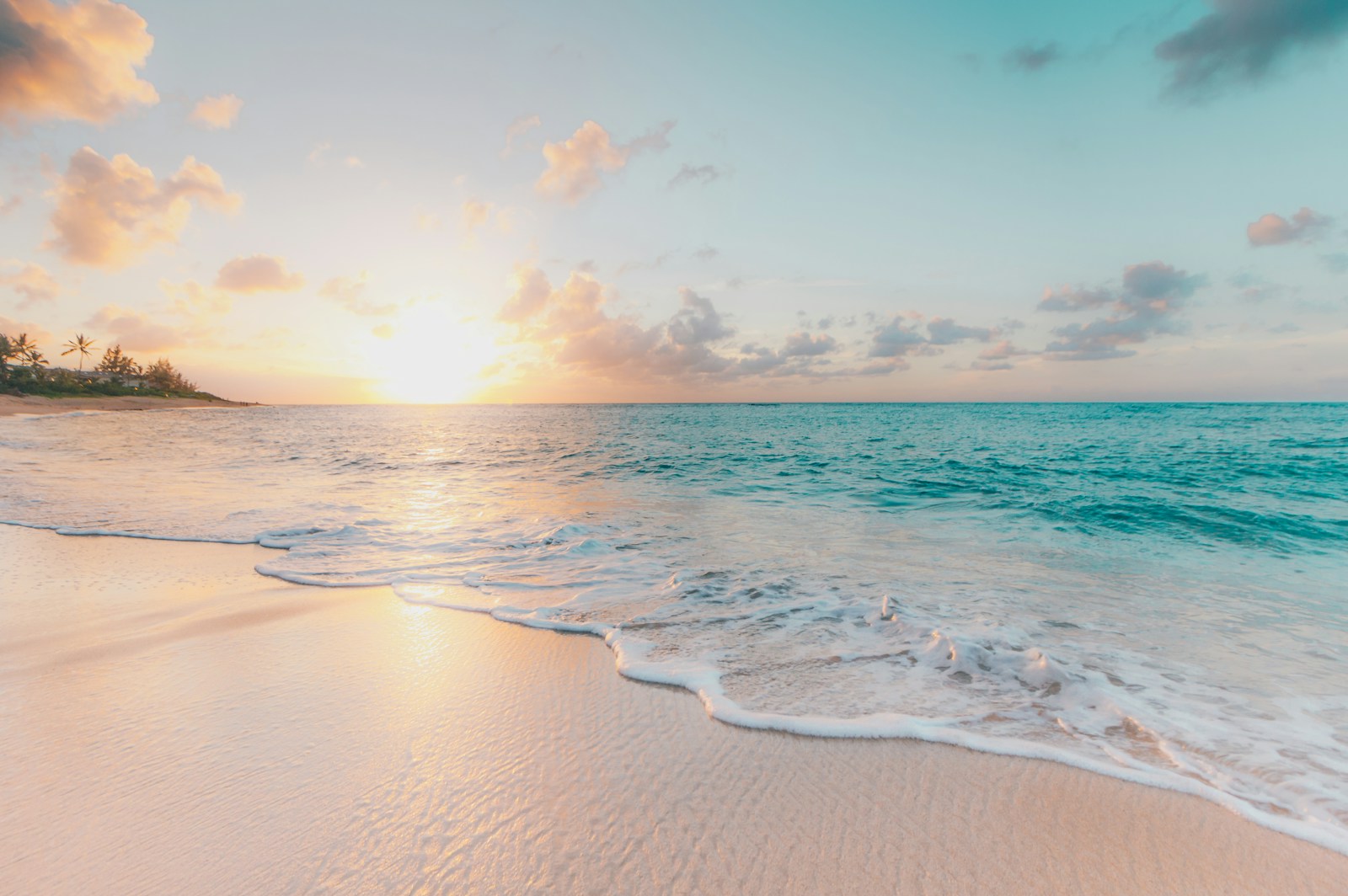
In the turquoise waters off Madagascar's northwestern coast, Nosy Iranja emerges as two islands connected by a sandbar of such pristine whiteness that it seems less a geological feature than a dream of tropical perfection made solid. This natural causeway, submerged at high tide and revealed as the water retreats, links Nosy Iranja Be — the larger, inhabited island — with Nosy Iranja Kely, a smaller, uninhabited sanctuary that serves as one of the western Indian Ocean's most important hawksbill and green turtle nesting sites. The scene, viewed from the hilltop lighthouse on the larger island, is one of the most photographed in all of Madagascar: azure water on either side, a ribbon of white sand stretching between two palm-fringed islands, and not another structure visible to the horizon.
The character of Nosy Iranja is shaped by its dual nature — part tropical idyll, part wildlife sanctuary. The larger island supports a small Sakalava fishing village whose inhabitants have lived in symbiosis with the surrounding sea for generations, their outrigger pirogues drawn up on the beach between fishing expeditions. Life here follows the rhythms of tide and season: fish are dried on wooden racks in the sun, children play on the beach, and the daily catch determines the evening's menu. The smaller island, accessible on foot at low tide, is left largely to the turtles, seabirds, and the crabs that scuttle across the sand — a reserve where human visitors are asked to tread lightly and leave no trace.
The marine environment surrounding Nosy Iranja is exceptional even by Madagascar standards. The coral reefs that fringe both islands support a vibrant ecosystem of reef fish, sea turtles, and — between September and November — humpback whales that migrate through these warm waters from their Antarctic feeding grounds. Snorkelling from the beach reveals gardens of staghorn and brain coral in water of extraordinary clarity. The Sakalava fishermen offer pirogue excursions to nearby reef systems where manta rays and whale sharks have been documented, and the simple act of swimming in the channel between the two islands, with the sandbar visible beneath the surface, constitutes one of the Indian Ocean's most memorable aquatic experiences.
The broader Nosy Be archipelago, of which Nosy Iranja is the crown jewel, offers a tapestry of experiences. Nosy Be itself — Madagascar's principal beach destination — provides a more developed tourism infrastructure with hotels, restaurants, and a lively market in the town of Hell-Ville. Nosy Komba, the island of black lemurs, allows close encounters with these charismatic primates in a forest setting. Nosy Sakatia, a small island known for its orchids and sea turtles, offers quieter immersion in island life. Together, these islands compose one of the Indian Ocean's richest cruising grounds, combining marine wildlife, Malagasy culture, and beaches of unsurpassed beauty.
Nosy Iranja is reached by boat from Nosy Be, a journey of approximately ninety minutes that crosses open water and may be rough during the cyclone season. The best months to visit are April through November, during the dry season, with September through November adding whale watching to the equation. Day trips from Nosy Be are the most common way to experience the island, though a handful of simple bungalows on the larger island offer overnight stays for those who wish to experience the extraordinary solitude of a tropical island after the day-trippers have departed.

