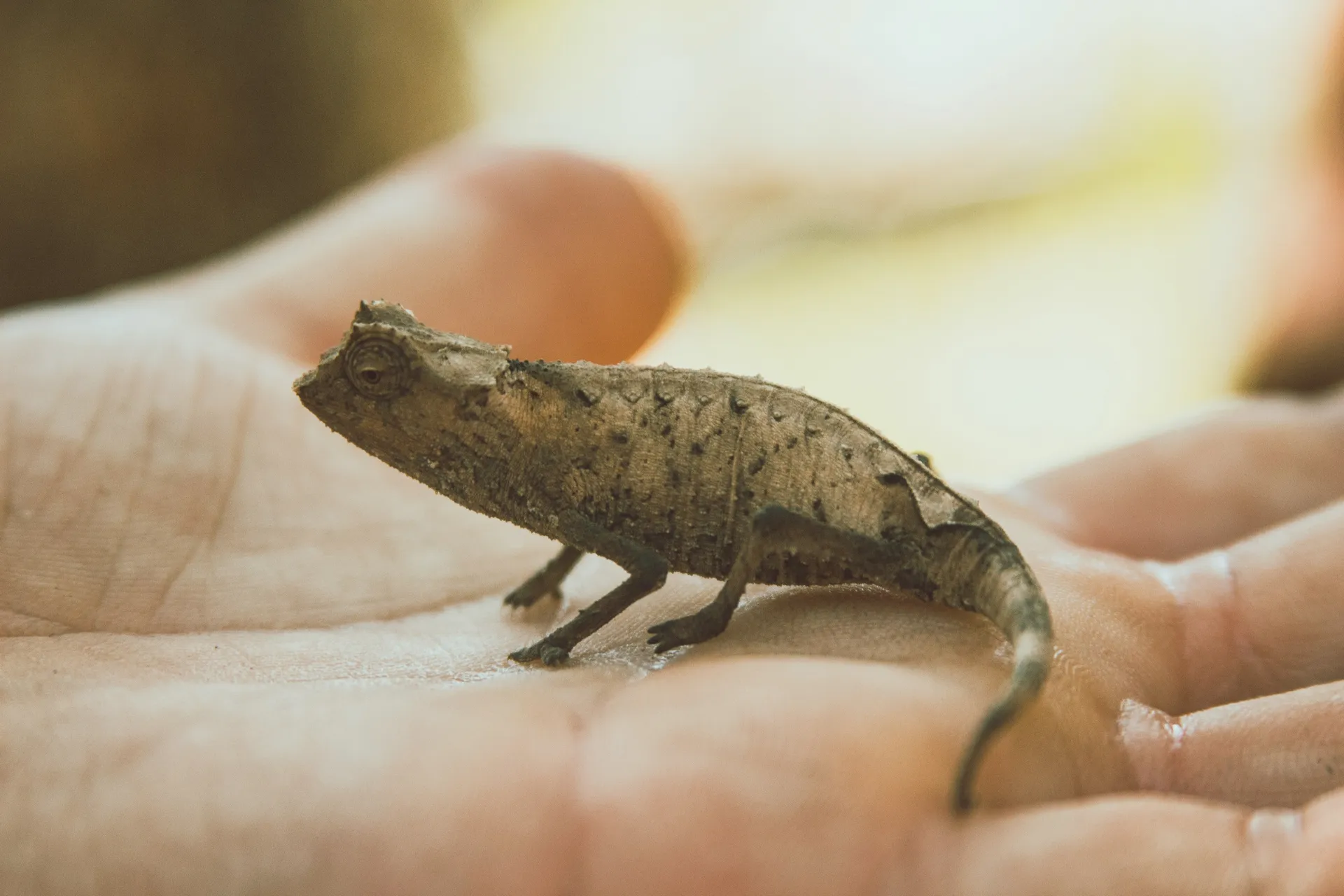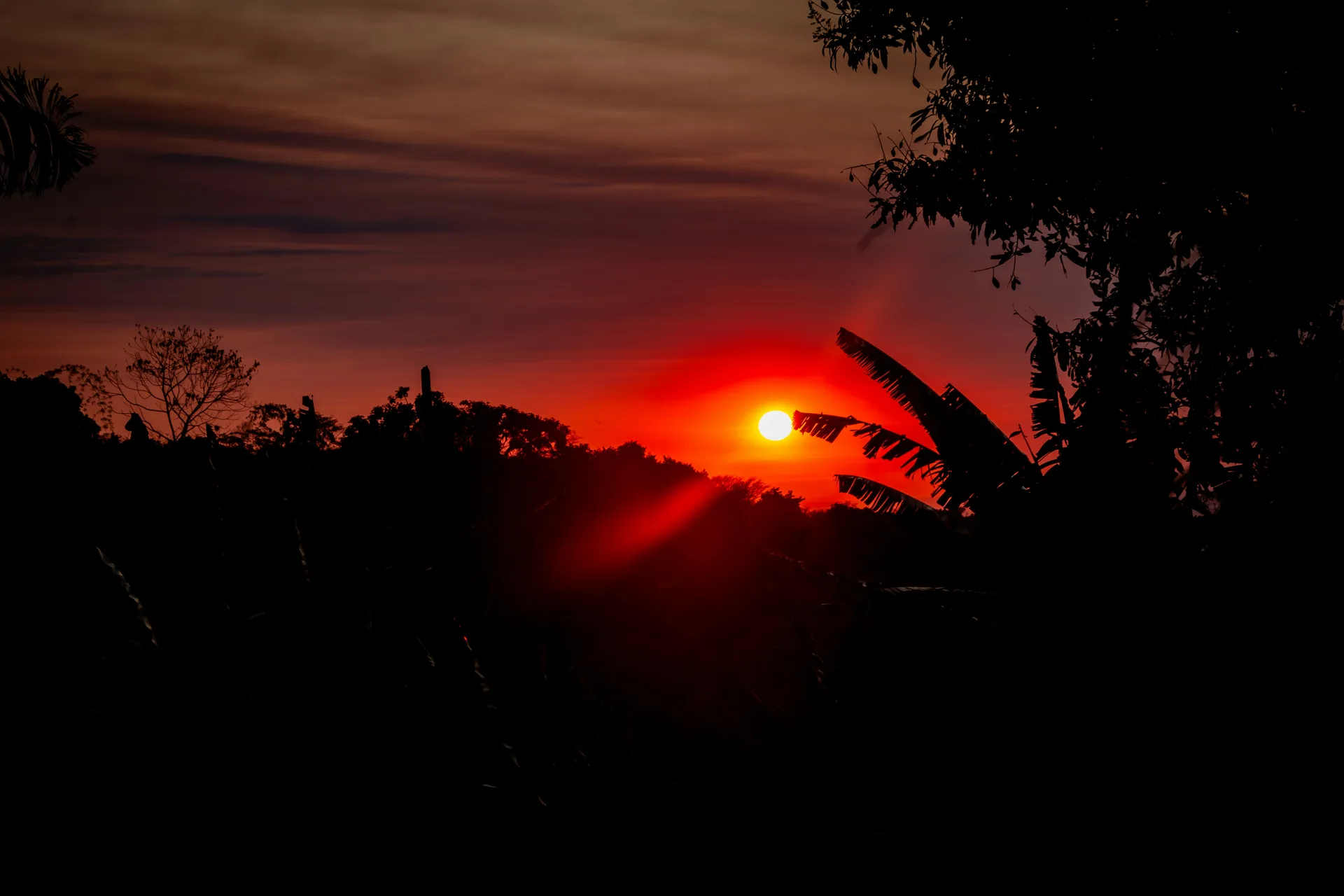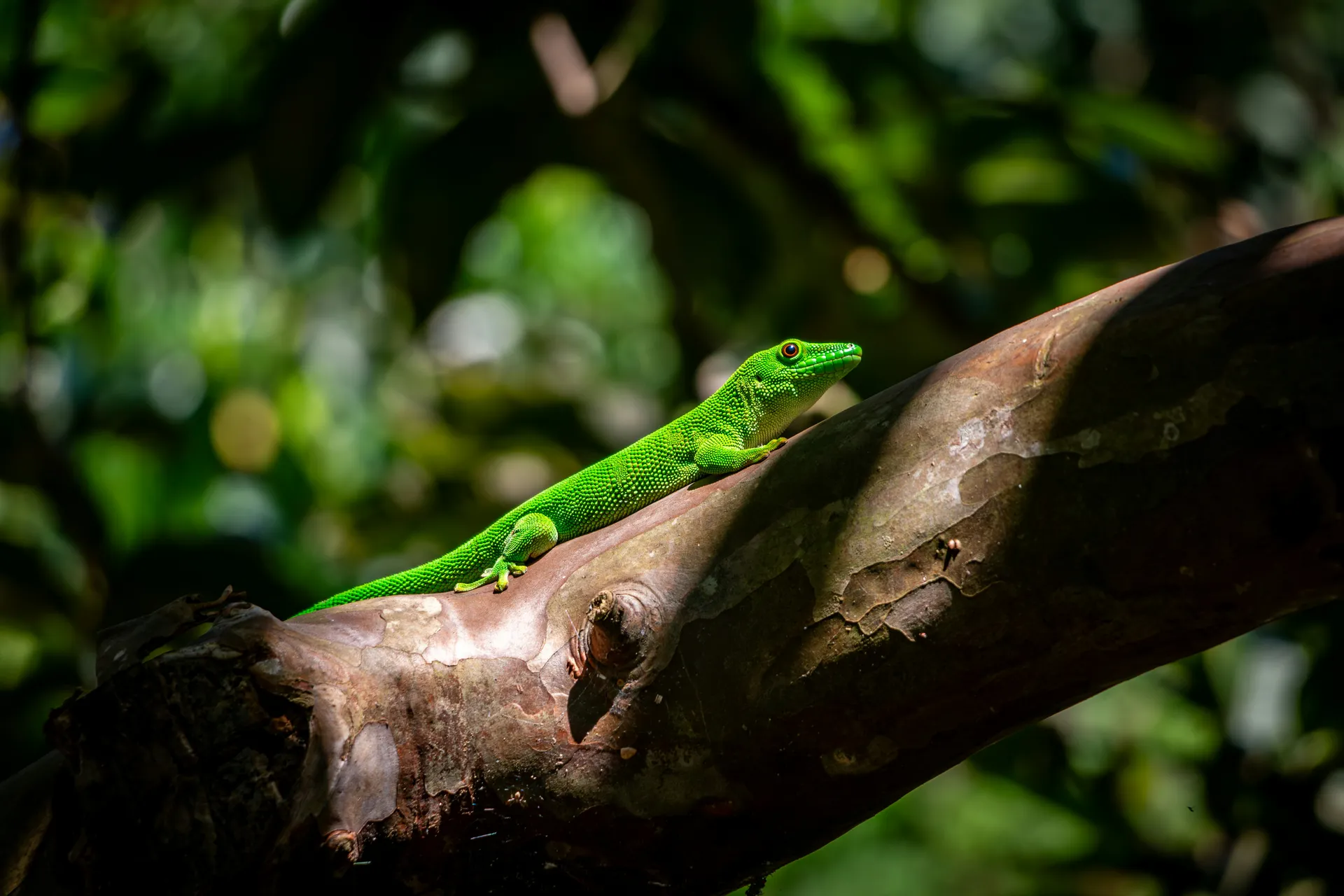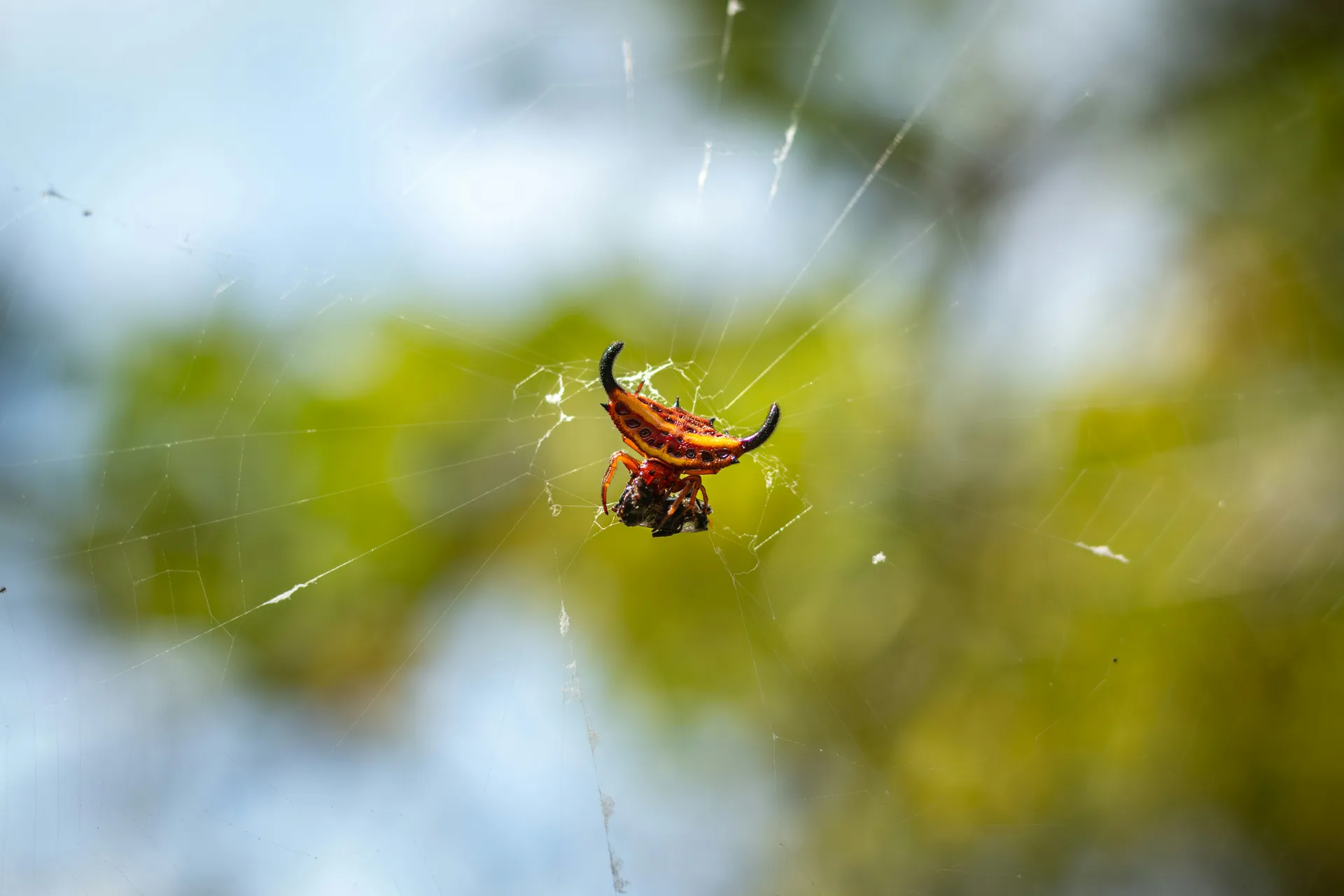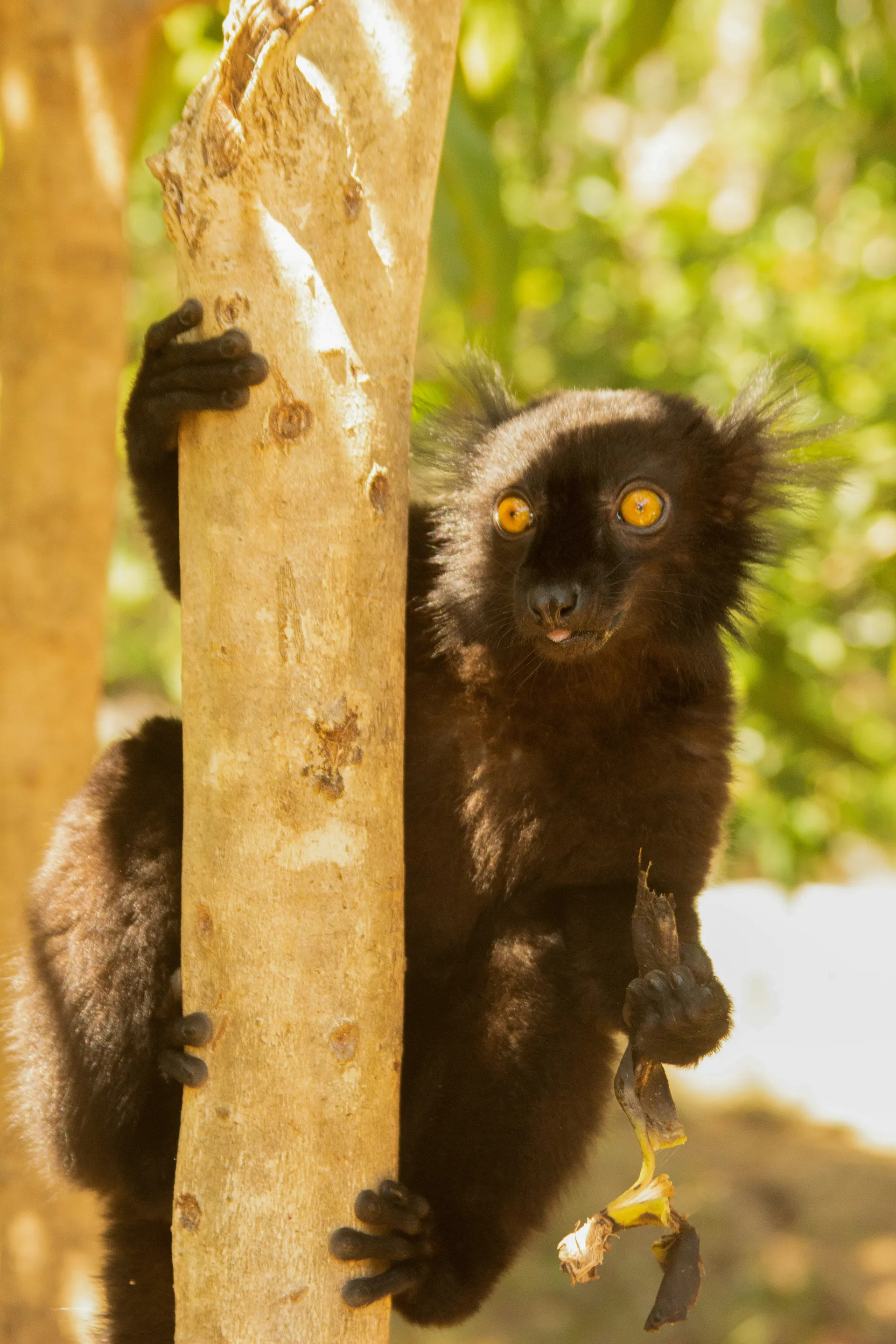
Between the volcanic mass of Nosy Be and the mangrove-fringed coast of northwestern Madagascar, the small island of Nosy Komba rises from the Mozambique Channel as a near-perfect volcanic cone draped in primary forest that harbors one of the most accessible and engaging wildlife encounters in the Indian Ocean. Known as the Island of Lemurs—Nosy Ambariovato in Malagasy—Nosy Komba's fame rests on its population of black lemurs, which have become so habituated to human visitors that they routinely leap onto the shoulders and arms of delighted guests, their golden eyes regarding the camera lens with an intelligence that is both endearing and slightly unsettling.
The character of Nosy Komba is shaped by the coexistence of its roughly 4,000 human inhabitants with the forest and its wildlife. The island has no vehicles, no paved roads, and no large-scale tourist infrastructure—only footpaths that connect fishing villages around the coast and climb through the forest to the 622-meter summit. The villages themselves present a colorful tableau of brightly painted houses, beached pirogues, and market stalls selling the intricately embroidered tablecloths for which the island's women are renowned throughout Madagascar. The sound of embroidery needles clicking is as constant as the surf, and the quality of the needlework—depicting lemurs, chameleons, and tropical flowers—makes these textiles among the finest handicraft souvenirs in the Indian Ocean.
The culinary traditions of Nosy Komba center on the daily catch and the tropical abundance of the island's gardens. Freshly grilled zebu kebabs, coconut-curried shrimp, and the classic Malagasy romazava (a fragrant stew of zebu meat with mixed greens) accompany mounds of rice at waterfront restaurants that offer more flavor than sophistication. The island's fruit trees yield mangoes, lychees, jackfruit, and the vanilla pods that grow in the humid forest understory—their presence here a reminder of Madagascar's importance in the global vanilla trade. Fresh coconut water and the potent local rhum arrangé, infused with vanilla, cinnamon, and tropical fruit, complete the island's liquid offerings.
Beyond the lemur encounters, Nosy Komba's marine environment offers excellent snorkeling and diving. The surrounding coral reefs, while showing some degradation from climate warming, still support vibrant communities of reef fish, sea turtles, and the octopuses that the island's fishermen hunt using traditional spear techniques. The channel between Nosy Komba and Nosy Be regularly produces sightings of whale sharks and humpback whales during their respective seasons, and the deeper dive sites around Nosy Tanikely marine reserve—a short boat ride away—offer encounters with moray eels, lionfish, and schools of fusiliers in clear, warm water.
Nosy Komba is reached by pirogue or motorboat from Nosy Be (approximately thirty minutes) or from the mainland port of Ankify. Day trips from Nosy Be are the most common way to visit, though small guesthouses on the island allow overnight stays that reveal a quieter, more intimate side of island life. The dry season from April through November provides the most comfortable conditions, with September through November offering warm temperatures, calm seas, and relatively few visitors. The whale shark season runs from October through December, while humpback whales are present from July through September.